

A century-old law still shields even the most nuisance-causing birds from your backyard battles.
Picture this: your backyard, a place of peace, has become a scene of feathered chaos. A woodpecker is using your siding for a drum solo, a flock of starlings is having a food fight in your bird feeder, and a grumpy goose is standing guard at your front door, daring you to cross its path. It’s enough to make a person see red. You might be tempted to reach for a pellet gun, but hold your horses. The law, a formidable beast with many feathers of its own, says otherwise.
The Migratory Bird Treaty Act of 1918, a landmark piece of conservation legislation, stands as a big fence between you and those pesky birds. It protects a vast number of species from being hunted, captured, or killed without a permit. Before taking any action, it is essential to know which birds are protected. Your yard may feel like a battlefield, but for these ten birds, it’s a sanctuary, legally speaking.
Woodpecker
That woodpecker turning your house into a five-star B&B with endless room service is likely a protected species. All woodpeckers in the United States, from the giant Pileated to the tiny Downy, are covered by the Migratory Bird Treaty Act. While their drumming can drive you up a wall, it’s a natural behavior for them to find insects or signal to a mate. Rather than retaliation, consider humane deterrents, such as hanging shiny objects or using noise makers, to persuade them to move along.
Northern Flicker
Often mistaken for a regular woodpecker, the Northern Flicker has a unique-to-its-species fondness for lawns, where it forages for ants. These ground-dwelling birds are also protected. They might be leaving little divots all over your green carpet, but they’re also eating thousands of ants, which is a big plus. In fact, a single flicker can consume over 5,000 ants in one day.
Canada Goose
They might be loud, messy, and intimidating, but these honking behemoths are a protected species. Their population has increased significantly in suburban areas across the country, resulting in numerous standoffs in parks and golf courses. While their aggressive posturing can be unnerving, remember they’re just doing what comes naturally, especially during nesting season.
Mourning Dove
The gentle coo of the Mourning Dove is a common sound in many backyards, and while they can be a bit of a nuisance at bird feeders, they are entirely protected from hunting in many states. Even in states where they are a game bird, there are strict regulations about hunting seasons and bag limits. Their peaceful demeanor serves as a good reminder to take a breath and find a more effective way to manage them.
American Robin
The cheerful American Robin, a classic sign of spring, is also on the protected list. You’ll often see them hopping across your lawn, pulling worms from the soil. Sometimes they get a little too bold, building nests in inconvenient spots, such as porch lights or gutters. A Bird of the World report found that the American Robin is the most widespread bird in North America.
Mallard Duck
While some ducks are fair game during hunting season, many species, including the common Mallard, are protected by federal regulations. You might have a pair waddling across your yard or a whole family taking over your swimming pool. Trying to get them to leave can feel like a game of cat and mouse, but you have to do it by the book. It’s better to make your yard less appealing to them by using motion-activated sprinklers or other humane deterrents.
Barn Owl
Barn Owls are a fantastic natural form of pest control, but their silent flight and spooky calls can sometimes startle people. They are a protected species, and it’s illegal to harm them. They might be nesting in your barn or a large tree, and while their presence is a good sign of a healthy ecosystem, their mess can be a problem. Don’t be tempted to chase them away aggressively; their appetite for rodents is a win for you.
European Starling

This bird is an exception to the rule, but a complicated one. European Starlings are an invasive species and are not protected under the Migratory Bird Treaty Act. However, some local and state laws still put restrictions on how you can handle them. It’s a real legal tightrope walk.
They can be incredibly destructive, traveling in large, swirling flocks that can empty a bird feeder in minutes or damage crops. USDA says that European Starlings cause over $800 million in agricultural damage annually in the United States.
Save this article
Great Horned Owl
This magnificent, top-of-the-food-chain predator with its distinctive ear tufts is definitely off-limits. They are a protected species and are not to be disturbed. A Great Horned Owl might take up residence in a tree on your property, and while it might prey on some of the smaller animals you enjoy seeing, it’s also a crucial part of the ecosystem. It’s a reminder that we share our spaces with many wild things. A report from the American Bird Conservancy indicates that the Great Horned Owl population has been in decline.
Killdeer
These little birds are famous for their “broken wing” act, a clever ruse to draw predators away from their nests on the ground. You might find a Killdeer nesting in a gravel driveway or a field, and it is a protected bird. While they can be a minor inconvenience, their theatrical display is a powerful reminder of how resilient and clever wild creatures can be. Similar to the Great Horned Owl, Killdeer populations have shown a slight decline, with data from the CornellLab indicating a 0.57% yearly decrease.
More articles:
- Why Migratory Birds Are in Trouble and How You Can Help
- 9 animals that can stand their ground against lions
- 9 wild U.S. Animals you can’t touch, no matter what
Disclosure: This article was developed with the assistance of AI and was subsequently reviewed, revised, and approved by our editorial team.
Like our content? Follow us on Newsbreak.
The 10 Most Expensive Wildlife Mistakes People Make in the U.S.

Wildlife can be awe-inspiring. It can also be incredibly costly if you don’t know what you’re doing. People make pricey mistakes with wild animals every day, whether it’s feeding a bear from your car window or trying to raise a raccoon like it’s a kitten.
Some of these missteps drain your bank account. Others get you slapped with serious fines or hospital bills. A few even put entire species or local ecosystems at risk. If you’re not careful, that photo op or animal rescue attempt might cost you a whole lot more than expected. Learn more.
12 dog breeds that are adorable, chaotic, and exhausting to own

That adorable puppy on your feed may also come with nonstop energy, shredded furniture, and a sleep schedule that no longer belongs to you.
Some dog breeds are undeniably charming, but charm and manageability are not always the same thing. High-energy and highly intelligent breeds often require far more time, structure, training, and stimulation than new owners expect. Learn more.
Why Jackals Are Key To Understanding Ecosystem Shifts
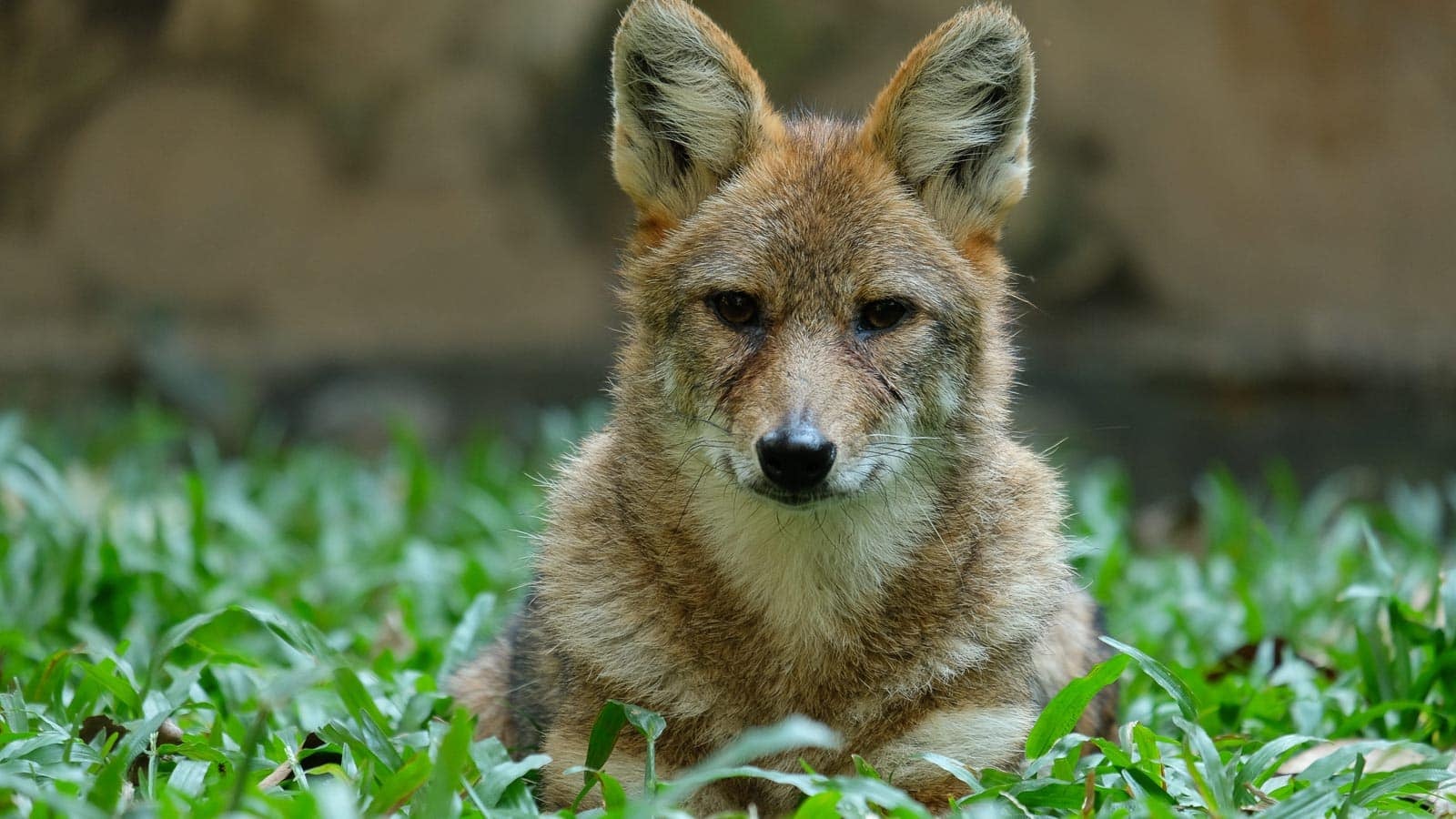
In a time when wildlife conversations focus on rarity, jackals stand out as a case study in resilience, adaptability, and shifting ecosystems.
Every April 19, World Jackal Day invites people to take a fresh look at an animal that has spent centuries in the shadow of bigger, better-known predators. Jackals may not be the most famous members of the dog family, but they are among the most adaptable. Found across Africa, Asia, and parts of Europe, they thrive in a wide range of habitats and survive by making smart use of whatever food and shelter the landscape provides. Learn more.





