
A nationwide food safety action has pulled over 10,000 cases of ready-to-eat chili crisp tofu across 29 states because packaging ink leaked into the product.
Health authorities and retail distributors across 29 states are pulling thousands of packages of specialized pre-cooked tofu from store shelves. Oakland, California-based manufacturer Hodo Inc. initiated the voluntary market withdrawal after discovering potential chemical contamination caused by printing ink migrating through flexible film packaging.
The recall affects roughly 75,250 individual packages distributed nationwide between January and July 2026. While no injuries or medical incidents have been reported, health regulators advise immediately disposing of or returning all affected lots.
Scope and Distribution of the Tofu Recall
The nationwide withdrawal involves one specific pre-cooked tofu line distributed to major grocery markets in 29 states.
Regulatory filings with the Food and Drug Administration confirm that the recall specifically impacts Hodo Lightly Fried Chili Crisp Tofu in eight-ounce units. The total volume encompasses 10,084 six-unit cases, 486 thirty-unit cases, and 166 individual retail packages. Affected shipments were sold between January 16 and July 16, 2026, carrying expiration dates ranging from May 15 to November 14, 2026.
The affected retail area covers 29 states, including New York, California, Texas, Florida, Illinois, Pennsylvania, and New Jersey. Raw tofu blocks and other Hodo product lines remain unaffected and safe for consumption.
Related: Why Your Coffee Leaves You Tired Instead of Energized
The Science Behind Ink Migration and Packaging Risks
Investigations indicate that heat and high fat content in chili oil accelerated ink diffusion into the food.
Unlike standard recalls triggered by bacterial pathogens like Listeria or Salmonella, this event stems entirely from chemical transfer through packaging materials. Hodo Inc. discovered subtle surface discoloration during a production scale-up, triggering immediate chemical testing of the printed film containers.
Subsequent analysis revealed that warm manufacturing temperatures and lipid-heavy chili oil interacted with the printed outer film. Chemical compounds in flexographic and UV inks can diffuse through non-functional polymer barriers when exposed to organic fats. Continuous Inkjet Product Marketing Manager at Domino Amjet Eric Corzine explained that “chemical components from the ink can still transfer to the food even when using inks for coding and marking,” emphasizing the vulnerability of flexible films.
National Food Recall Trends and Supply Chain Pressure
Federal data shows a 15.4 percent surge in overall food recalls driven by labeling errors, packaging flaws, and material contamination.
Save this article
According to industry reports, FDA product recalls rose by 15% in 2025 compared to the previous year. While pathogen outbreaks often dominate headlines, non-biological issues such as packaging failure and undeclared contaminants now make up a growing share of enforcement actions.
Rapid expansions in manufacturing facilities and the adoption of complex multi-layer packaging have heightened operational risks across food supply chains. Industry analysts note that packaging migration risks escalate when specialized food formulations interact with novel substrate materials.
Practical Consumer Guidance and Retailer Response
Consumers with affected lot codes should stop using the product immediately and return it for a full store refund.
Retailers across all 29 impacted states have begun removing matching inventory from store shelves and updating inventory systems. Because ink migration is difficult to detect by smell or taste, consumers must rely on package codes rather than sensory inspection.
Shoppers can identify recalled packages by checking the 8-ounce container for UPC 850565007842 and lot numbers between 260114 and 260716. Consumers should safely discard affected products or return them to the retailer where purchased.
Industry Lessons and Future Quality Control Standards
This recall underscores the necessity for rigorous barrier testing and ink compliance in modern food manufacturing.
Ensuring food safety requires comprehensive oversight of packaging integrity in addition to plant hygiene. Manufacturers must validate that printing inks and packaging adhesives withstand real-world thermal and chemical exposures.
Proactive voluntary recalls demonstrate effective self-regulation when quality anomalies arise. As convenience food offerings expand, thorough testing of packaging barriers remains vital to protecting public health.
Summary of the Tofu Safety Event
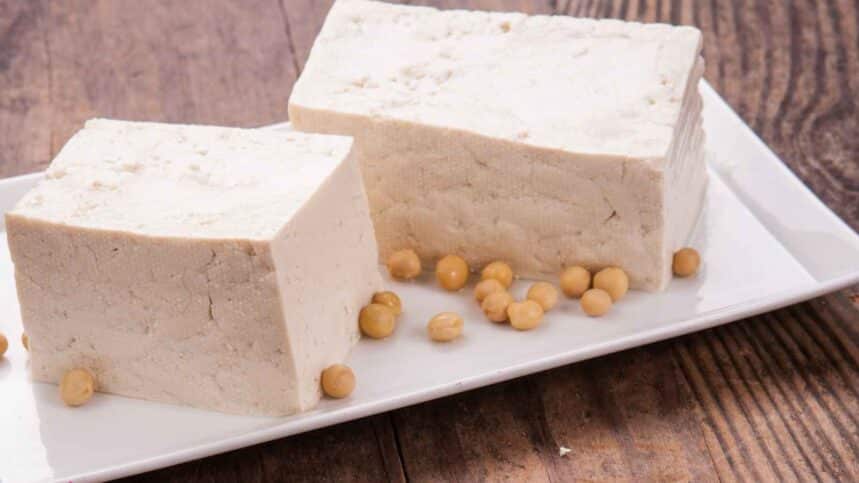
The recall affects 10,084 six-pack cases, 486 thirty-pack cases, and 166 single units of Hodo Lightly Fried Chili Crisp Tofu distributed in 29 states. The issue stems from packaging ink migration caused by chili oil and elevated heat during production scale-up. Consumers should inspect 8-ounce packages for UPC 850565007842 and dispose of matching lots immediately.
What strategies should food producers adopt to prevent packaging material leaching as modern pre-cooked meals become increasingly complex?





