

A simple shopping trip turned into a viral sensation when a customer noticed surveillance cameras silently cataloging every vehicle in an Ulta parking lot.
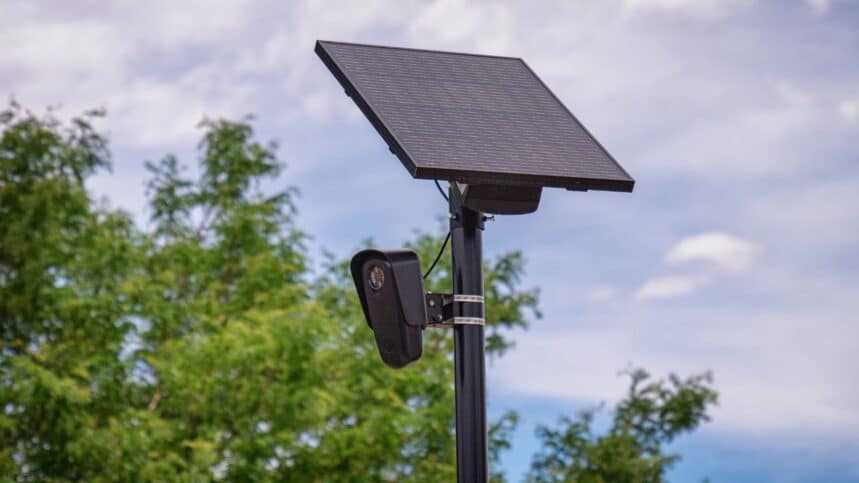
What started as an ordinary afternoon run for cosmetic essentials suddenly morphed into a viral digital showdown. A shopper pulled into a suburban strip mall, looked up, and spotted a black solar-powered camera perched quietly near the entrance.
The device wasn’t an ordinary traffic monitor. It belonged to Flock Safety, an automated license plate reader system designed to log every single vehicle rolling past.
The video captured immediate astonishment and struck a raw nerve online. Viewers suddenly realized their routine retail errands were feeding directly into an expansive, artificial intelligence-driven tracking network.
The Parking Lot Revelation That Sparked an Outcry
Social media outrage erupted as shoppers discovered that commercial retail lots were quietly morphing into warrantless surveillance checkpoints.
The encounter quickly spread across Instagram and TikTok, racking up thousands of shares and bewildered comments. Consumers asked a blunt question: why does a cosmetics retailer need to scan license plates?
The backlash caught the attention of national civil liberties organizations. The advocacy group UltraViolet immediately launched a public campaign dubbed “Hey Ulta: Mass surveillance isn’t pretty.“
The coalition called on Ulta Beauty to cut ties with Flock and deactivate the cameras right away. Advocates warned that tracking vehicles outside retail hubs puts vulnerable shoppers at direct risk of privacy violations.
Big Retail Meets Mass Surveillance
View this post on Instagram
National retailers defend the surveillance technology as a necessary shield against violent theft rings and organized shoplifting crews.
Behind the corporate decision sits an undeniable retail crisis. Stores across the United States have grappled with surging inventory theft, overnight smash-and-grab break-ins, and aggressive shoplifting crews.
Ulta Beauty’s Director of Loss Prevention, Rory Stallard, explained at the Flock Forward 2025 conference that post-pandemic store violence demanded a modern tech response. Stallard emphasized that the cameras bridge vital communication gaps with police, deter repeat offenders, and protect store associates.
The cameras certainly deliver results for asset protection teams. In Maryland and Virginia, real-time Flock alerts helped law enforcement dismantle a $190,000 retail theft ring targeting Ulta stores.
Retail groups like the Coalition of Law Enforcement and Retail argue that such networks are essential for public safety and keeping shelves stocked.
Save this article
Inside the Machine: How Flock Tracks Everyday Drivers
Flock Safety’s artificial intelligence network captures billions of vehicle details each month, creating permanent digital trails for law-abiding drivers.
Flock Safety isn’t just reading letters and numbers off a metal tag. The company’s proprietary “Vehicle Fingerprint” technology catalogs make, model, color, aftermarket alterations, roof racks, and even bumper stickers.
The network’s scale is staggering. Flock operates roughly 120,000 cameras across 49 states, processing an eye-popping 20 billion vehicle scans every month. More than 5,000 law enforcement agencies tap into the system, with roughly 75% sharing access through a nationwide search network. While Flock maintains a default 30-day retention policy, local jurisdictions can adjust timelines or store flagged records indefinitely.
Related: Flock Cameras Are Everywhere Across America, and the Debate Over Privacy Is Growing
Accountability Gaps and the Misuse Fallacy
Privacy watchdogs stress that collecting data on millions of innocent drivers creates severe constitutional risks and systemic opportunities for abuse.
The American Civil Liberties Union points out that less than 1% of vehicles scanned by automated readers have any link to criminal wrongdoing. That means over 99% of captured scans represent ordinary citizens just going about their daily lives.
Civil liberties groups also emphasize that Flock readers misidentify license plate states roughly 10% of the time, sparking wrongful police stops. Misuse cases continue to pile up nationwide. In North Carolina, a police officer was arrested after querying the Flock system 31 times to track her partner’s ex-wife.
In Florida, a decorated deputy resigned amid an internal probe revealing he used the database to stalk an ex-girlfriend. Reports also show authorities in restrictive states using automated reader logs to trace individuals traveling across state borders for reproductive healthcare.
Cities Push Back as Contracts Crumble
Communities and regulators nationwide are beginning to pull the plug on automated plate readers after discovering widespread surveillance overreach.
The pushback isn’t limited to social media feeds. Civic advocacy organization DeFlock reports that more than 50 local governments and municipalities have canceled or deactivated their Flock contracts.
Dayton, Ohio, halted its program after learning that outside law enforcement accessed local cameras thousands of times for unauthorized immigration queries. State regulators are stepping in, too. In Florida, transportation authorities ordered the complete removal of Flock cameras from state-maintained highway routes within 30 days.
Grassroots campaigns and legal challenges are steadily forcing corporate boardrooms and city councils to rethink unchecked surveillance deals.
The Bottom Line on Retail Surveillance
The line separating private retail loss prevention from government mass surveillance has completely blurred, leaving consumers with an urgent choice.
Grabbing a tube of lipstick shouldn’t come with a mandatory digital vehicle log. Yet commercial partnerships have transformed strip mall parking spaces into active data-harvesting nodes. Retailers certainly deserve safe storefronts and effective tools to stop violent theft gangs. But when private tracking tools feed into a national dragnet, constitutional privacy becomes the ultimate price.
How much personal privacy should shoppers surrender in exchange for retail security, and where should society draw the line?





