

For generations, a tin of sardines was the kind of thing you might find shoved behind the canned beans in your grandmother’s pantry.
Not anymore.
Tinned fish has become fashionable—and new grocery data suggests Americans aren’t merely posting pretty tins on social media. They’re actually buying the stuff.
Sales of canned sardines jumped an extraordinary 51% year over year.
Sardines are having a moment
Instacart recently examined grocery purchases during the first half of 2026 and compared them with the same period in 2025.
Plenty of protein-rich foods gained ground. But sardines were the standout.
According to Instacart’s shopping data, canned sardines grew 51% year over year, far outpacing chicken breast at 6%, eggs at 7%, protein bars at 9% and cottage cheese at 10%.
Some individual tinned-fish brands grew even more dramatically.
Suddenly, a pantry staple that once had an image problem is competing for space with protein shakes and Greek yogurt.
Tinned fish got a serious makeover
The sardine didn’t change. The packaging did.
A new generation of tinned-fish companies has transformed canned seafood from utilitarian pantry food into something you’d happily put on a cocktail-party table.
Colorful tins contain sardines, mussels, mackerel, trout and other seafood packed in olive oil, spices, sauces and marinades.
Social media helped turn opening a tin into an event.
“Tinned fish boards” appeared as seafood’s answer to charcuterie. Restaurants began serving premium canned seafood with crusty bread, butter, pickles and wine.
The humble sardine somehow became cool.
But clever marketing alone probably doesn’t explain the 51% jump. Tinned fish also happens to fit remarkably well with the way people want to eat right now.
Sardines check a lot of current food boxes
Consumers are currently obsessed with protein.
Sardines have plenty. People want convenient food. Opening a tin requires approximately zero culinary training. Shoppers are also paying more attention to omega-3 fats and seafood.
Sardines deliver there too. And unlike some larger predatory fish, sardines tend to contain relatively little mercury.
The FDA places sardines on its “Best Choices” list for fish based on mercury levels, alongside salmon, shrimp, cod, canned light tuna and several other familiar choices.
In one tiny tin, sardines combine protein, omega-3 fats and convenience with a long shelf life.
If you eat the soft edible bones, sardines can also provide calcium.
That’s an impressive résumé for something that doesn’t need refrigeration until you open it.
The bones are supposed to be there
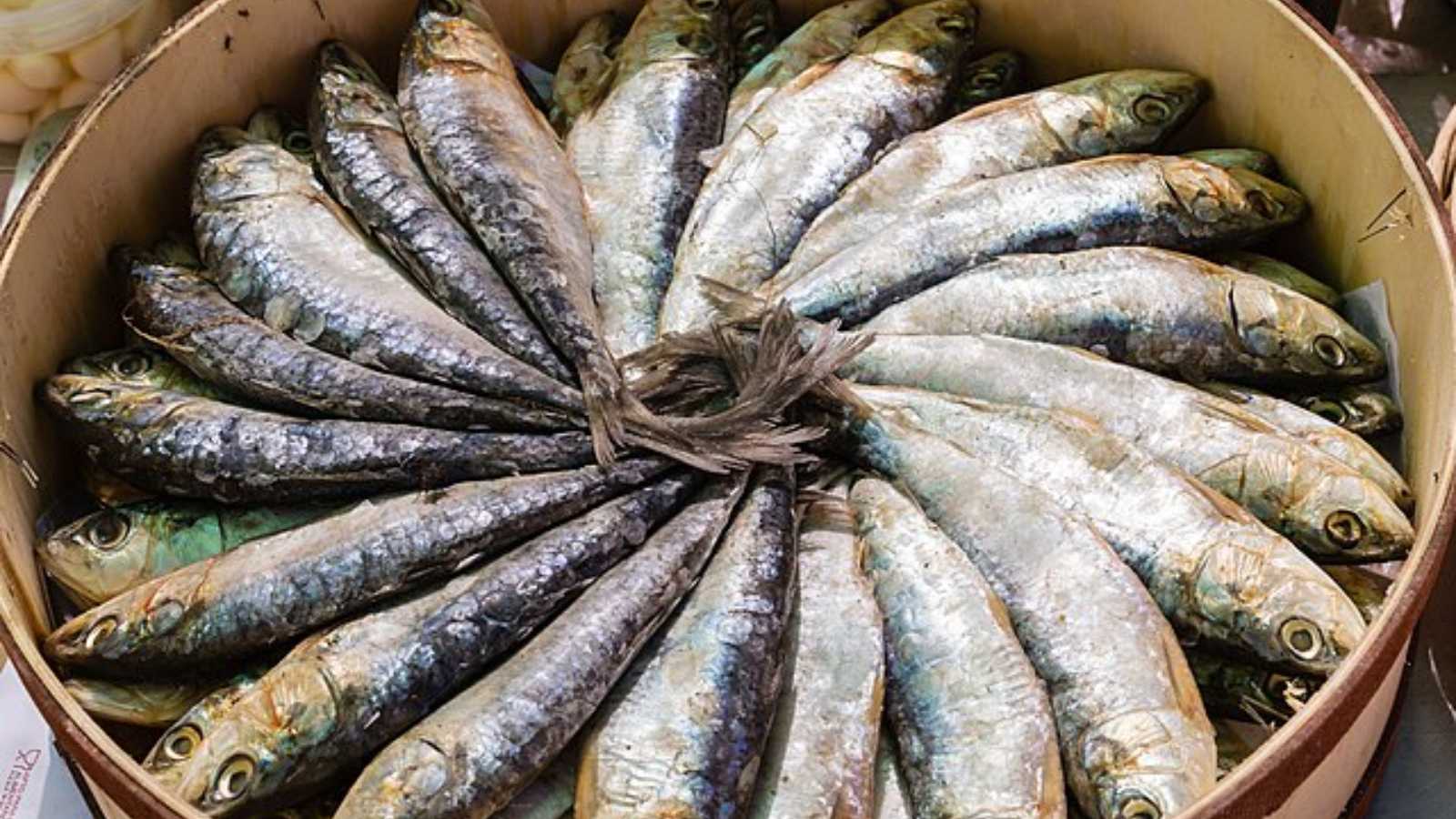
This may be the moment when sardine newcomers recoil. Yes, many canned sardines contain bones.
And yes, people eat them.
The canning process softens the tiny bones so dramatically that they’re generally barely noticeable when eaten. Removing them is largely a matter of preference.
Skinless and boneless sardines are also widely available for people who would rather enter the sardine era gradually.
You don’t have to prove your tinned-fish credentials by eating something that makes you uncomfortable.
Start with the version you’re actually likely to enjoy.
They don’t have to taste overwhelmingly fishy
Sardines have a reputation for announcing themselves from across the room.
Save this article
Some do. But flavor varies considerably depending on the fish, packing liquid and preparation.
Sardines packed in good olive oil tend to taste richer than those packed in water. Smoked versions add another dimension, while products packed with lemon, tomato, chili or herbs can be considerably more approachable for beginners.
You also don’t have to eat one straight from the tin.Mash sardines onto toast with lemon. Add them to pasta with garlic, parsley and breadcrumbs. Toss them into a salad. Mix them with mustard and herbs for a spread.
Acidic, crunchy and fresh ingredients can balance the richness beautifully.
Capers, pickled onions, lemon, tomatoes, fresh herbs and crisp bread are all natural partners.
Tinned fish also solves the “there’s nothing for dinner” problem
One reason canned tuna became an American pantry staple is painfully simple. It’s there.
Fresh seafood requires planning. Tinned seafood waits patiently until you need it.
That makes it particularly useful on nights when the refrigerator contains half a lemon, three olives and absolutely no dinner plan. A tin of sardines plus toast can become dinner. Add a salad and some beans and you’ve got something much more substantial.
Shelf-stable foods don’t have to mean ultra-processed convenience meals.
Sometimes convenience is simply food that doesn’t spoil before you remember you bought it.
Not every fancy tin is inexpensive
There’s an amusing contradiction in the tinned-fish boom.Canned seafood has historically been valued partly because it’s affordable.
The new luxury versions can cost considerably more.
Beautifully packaged specialty tins can easily run several times the price of ordinary supermarket sardines. You don’t need them to participate.
A $4 tin of sardines can offer many of the same nutritional advantages as a beautifully illustrated $15 tin.
The expensive version may contain premium fish, olive oil or interesting seasonings—and it may taste fantastic. Just don’t confuse luxury branding with nutritional superiority.
Sardines aren’t the only option

If sardines simply aren’t happening for you, the broader tinned-seafood world is enormous.
Canned salmon, trout, mackerel, mussels and light tuna can provide the same pantry convenience with very different textures and flavors.
The FDA also lists many of these among its lower-mercury choices.
Variety is useful nutritionally and may also prevent your newfound tinned-fish enthusiasm from turning into sardine fatigue.
You may want to read: 18 Ways to Use Canned Tuna
Final word
Food trends are notoriously unpredictable. Yesterday’s embarrassing pantry food can become tomorrow’s $18 restaurant appetizer.
But sardines may have more staying power than the average viral food because the trend isn’t built entirely on novelty.
They’re convenient. They’re shelf-stable. They’re rich in protein. They’re generally low in mercury. And they can turn bread, pasta or a salad into an actual meal in minutes.
The beautiful tins and TikTok boards may have convinced Americans to give sardines another look. What shoppers discovered inside may be the reason they’re coming back.
Sometimes the next big food isn’t new at all. We just finally figure out what our grandparents already knew.