A jar of beef fat has somehow become one of the most politically and nutritionally charged objects in the kitchen.
Beef tallow, once largely associated with old-fashioned frying and restaurant French fries, has returned to social media, grocery shelves and home kitchens. Fans praise its flavor, ability to handle high heat and short ingredient list. More controversially, some influencers portray it as a healthier alternative to so-called seed oils such as canola, soybean, corn and sunflower oil.
That last claim is where the comeback runs into the science.
A major 2026 review of controversial nutrition topics concluded that current evidence does not support swapping seed oils for beef tallow to improve cardiovascular health. In fact, the evidence points in the opposite direction.
Tallow isn’t a new superfood—it is rendered beef fat
Tallow is made by heating fatty tissue from cattle until the fat separates, then filtering and cooling it. It has been used for centuries in cooking, baking and food preservation, and its rich flavor helps explain why cooks are rediscovering it.
Nutritionally, however, tallow contains a substantial amount of saturated fat. Saturated fats tend to raise LDL cholesterol, the type strongly implicated in the development of atherosclerosis.
A 2026 state-of-the-art review published in JACC: Advances specifically examined beef tallow alongside seed oils and other controversial fats. The authors concluded that beef tallow raises LDL cholesterol compared with liquid plant oils richer in unsaturated fats and found no evidence that tallow should be considered a healthier substitute.
Tallow can be a flavorful cooking fat, but its return to popularity has not turned it into a cardiovascular-health food.
The seed-oil backlash mixes several different issues together
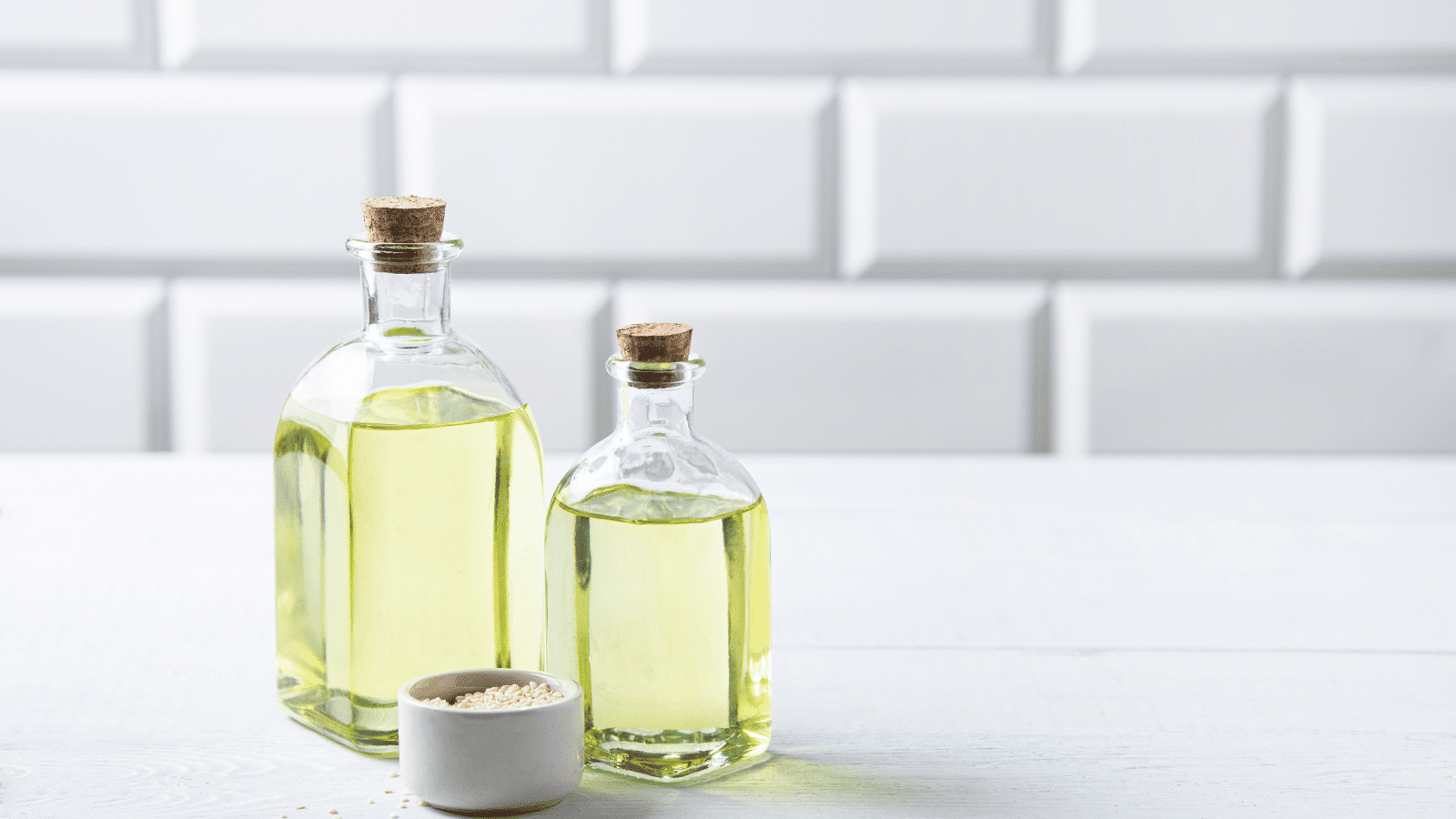
Much of tallow’s newfound health halo comes from claims that industrially produced seed oils are inflammatory, overly processed or responsible for modern chronic disease.
There is an understandable kernel of confusion here. Seed oils frequently appear in chips, fast food and other ultraprocessed foods. But that does not mean the oils themselves explain the health risks associated with those foods.
The JACC: Advances review found that human studies have not demonstrated the inflammatory harm often attributed to omega-6-rich seed oils. It also noted that the less-healthful characteristics of many ultraprocessed foods are more likely related to the overall product—including excess refined starches, sugars, sodium and saturated fat and the loss of intact food structure—rather than the mere presence of seed oil.
A food containing soybean or canola oil isn’t automatically healthy—but neither is the oil itself a reason to classify the food as harmful.
What matters is what one fat replaces
Nutrition research on dietary fat can be confusing because simply asking whether “fat” is good or bad misses the more useful question: What are you eating instead?
Replacing saturated fat with unsaturated fat tends to improve LDL cholesterol and cardiovascular risk. Replacing saturated fat with refined carbohydrates, on the other hand, may provide much less benefit.
Save this article
That replacement effect is one reason major cardiovascular organizations continue to recommend liquid plant oils. The American Heart Association’s updated 2026 dietary guidance advises choosing sources of unsaturated fat in place of saturated fat as part of a heart-healthy eating pattern.
That doesn’t mean every meal needs to be cooked in canola oil or that eating something prepared in tallow occasionally is dangerous. Overall dietary patterns matter far more than a single ingredient.
The strongest evidence isn’t that everyone must avoid tallow; it’s that routinely replacing unsaturated plant oils with a saturated animal fat is unlikely to improve heart health.
Cooking method matters too
One argument for tallow is that it performs well at high temperatures. That’s true from a culinary standpoint: Its composition and relatively high smoke point can make it useful for frying and roasting.
Plant oils aren’t inherently unsuitable for cooking, though. Canola, sunflower, soybean and other oils are commonly used safely at typical cooking temperatures.
Repeatedly overheating any cooking oil—particularly the kind of repeated high-temperature frying that can happen in commercial settings—is a different issue from using fresh oil in a home skillet. That distinction often disappears in social-media arguments about “toxic” oils.
There is also a practical difference between choosing tallow occasionally because you like how potatoes taste cooked in it and replacing most of the unsaturated fats in your diet because you’ve been told seed oils are dangerous.
Culinary preference and health superiority are two different claims—and only the first one is easy to defend for tallow.
Final word
Beef tallow’s comeback makes sense culturally. It feels traditional at a moment when many shoppers are suspicious of industrial food, and its short ingredient list fits the broader appetite for foods that seem simpler and less processed.
But “traditional” and “healthy” aren’t synonyms. Modern nutrition evidence still favors replacing saturated fats with unsaturated fats, and the current human evidence does not support the widespread claim that ordinary seed oils are uniquely inflammatory or toxic.
If you enjoy tallow, it can fit into an overall healthy diet—but there is little scientific reason to throw away your olive, canola or sunflower oil in the name of better health.
Have claims about seed oils changed which fats you cook with at home?