A bag of frozen food covered in ice crystals looks like it belongs in the trash, but relax. Freezer burn is a quality problem, not a safety one. Your food might just be dried out and a bit sad, not dangerous.
This happens in a lot of kitchens, and it can hit anything you’ve stashed in a freezer, including meat, seafood, fruit, veggies, and leftovers. Even a freezer running at zero degrees Fahrenheit or colder isn’t immune.
The real story behind freezer burn is not that the freezer failed, but that moisture and air can change food over time.
For many Americans, the freezer represents control over rising grocery costs, busy schedules, and the desire to waste less food. Yet, the same appliance designed to preserve food can create confusion when frozen items develop grayish-brown patches, dry textures, or unusual ice buildup.
Understanding what happens inside the freezer reveals a practical lesson: cold can preserve food, but it cannot stop every change forever.
The Invisible Force Behind Freezer Burn
Air exposure is one of the main reasons frozen food develops the dry, damaged areas known as freezer burn.
Freezer burn happens when frozen food loses moisture during storage. As ice inside food changes and moisture leaves the surface, exposed areas can dry out and be affected by oxygen.
USDA explains that freezer burn appears as grayish-brown, leathery spots caused by air reaching the food’s surface. Healthline describes the process as dehydration caused by moisture loss during freezing.
The result is familiar to many households: food that may still be safe to eat but no longer has the same texture, flavor, or appearance it had when first stored.
The Freezer Preserves Safety, Not Perfection
Freezing slows problems that affect food, but it does not guarantee that quality will remain unchanged forever.
Frozen food storage focuses on preservation. Low temperatures slow the growth of microorganisms that cause spoilage and foodborne illness, but freezing does not prevent all physical changes inside food.
Freezer burn is one of those changes. It does not mean a freezer has stopped working or that the food has become unsafe. Instead, it signals that the food has lost moisture and may have declined in quality.
This distinction matters because many consumers judge frozen food by appearance alone. A package with ice crystals or discolored sections may look ready for the trash, even when the issue is primarily about taste and texture.
Packaging Might Be the Deciding Factor
The way food is wrapped before freezing can determine how well it holds up over time.
Save this article
Food stored without enough protection has more opportunity to be exposed to air. USDA guidance recommends freezer-safe materials such as heavy-duty freezer bags, freezer paper, heavy plastic wrap, and aluminum foil designed for freezer storage.
Reducing space inside packaging can also help limit contact between food and air. Vacuum sealing is one method used to reduce air exposure.
The lesson is simple but easy to overlook: the freezer itself is not the entire preservation system. The barrier between food and its surroundings matters as much.
The Household Misunderstanding that Leads to Waste
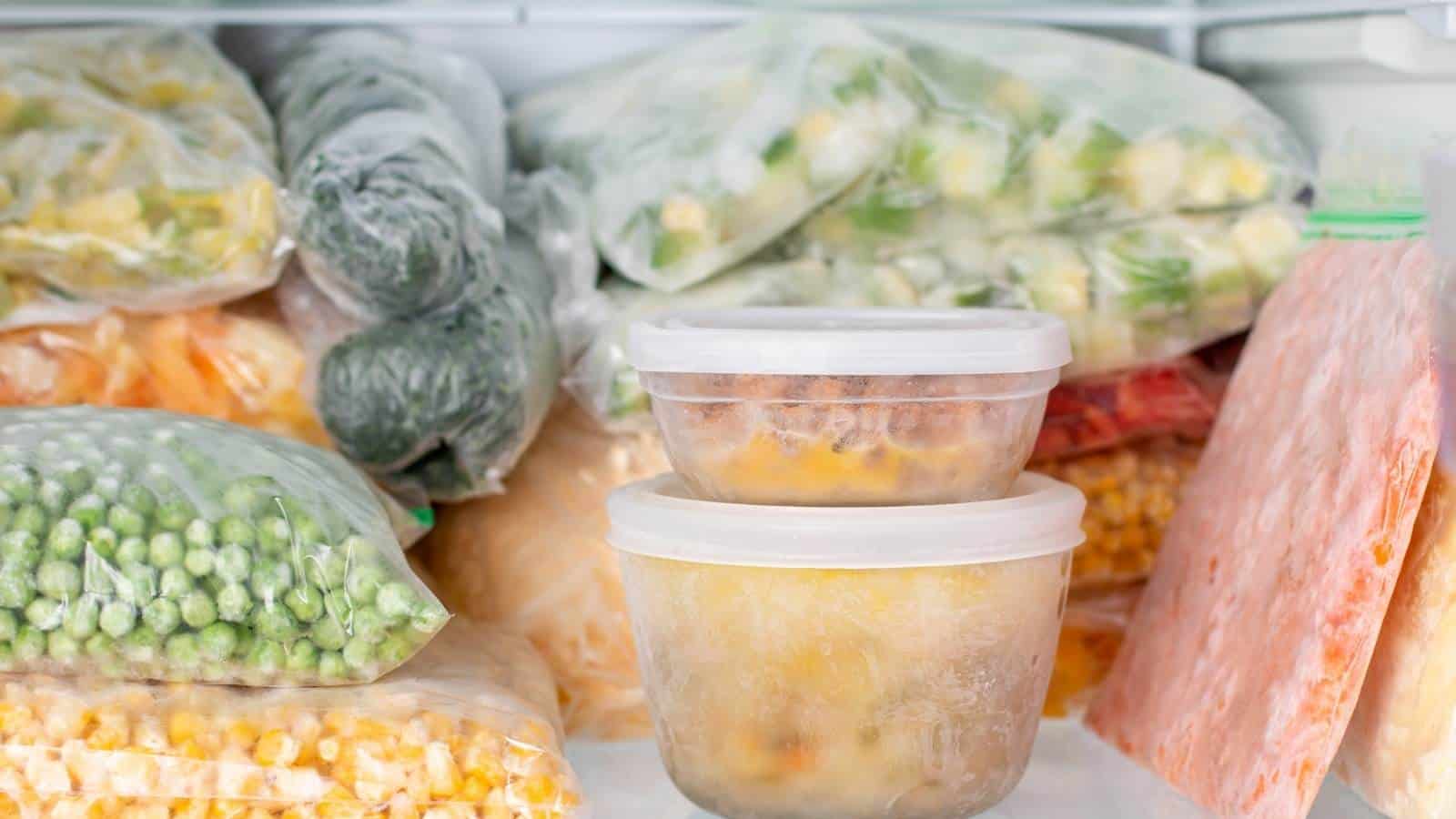
One of the biggest points of confusion is that freezer burn changes food quality without automatically changing food safety.
USDA states that freezer burn makes food “dry in spots,” not unsafe. That guidance challenges a common assumption that visible changes always mean food should be discarded.
Healthline and other food education sources have highlighted that freezer-burned food may still be usable, although consumers may notice differences in texture and flavor. In many cases, people are deciding whether to keep or discard food based on appearance rather than understanding what freezer burn actually means.
No verified national figure shows how much food is thrown away specifically because of freezer burn. What is confirmed is that freezer burn is a storage quality issue, not a direct safety warning.
Related: Freezer Myths Food Experts Wish You Would Stop Believing
What Consumers Should Remember Before Opening the Freezer
Preventing freezer burn comes down to limiting air exposure, maintaining stable freezing conditions, and managing storage time.
Keep a freezer at 0°F or below for proper frozen storage. Using appropriate packaging, removing excess air, and labeling stored food can help maintain quality.
Freezer burn will remain a familiar kitchen problem because it sits in an unusual place between science and everyday judgment. It changes how food looks, but it does not always tell the full story of whether that food is safe.
The freezer has always promised a simple bargain: store something today and enjoy it later. Freezer burn reveals the more complicated reality behind that promise. Preservation is not about stopping time completely. It is about understanding the changes that happen while time passes.
How many times have you looked at freezer-burned food and assumed it was no longer good?