A workout boost came from an unexpected place: not a supplement bottle, not a protein shake, and not something participants ate.
Researchers from the University of Malaya in Malaysia found that simply smelling chocolate before and during a resistance exercise session was linked with more completed repetitions among a group of men.
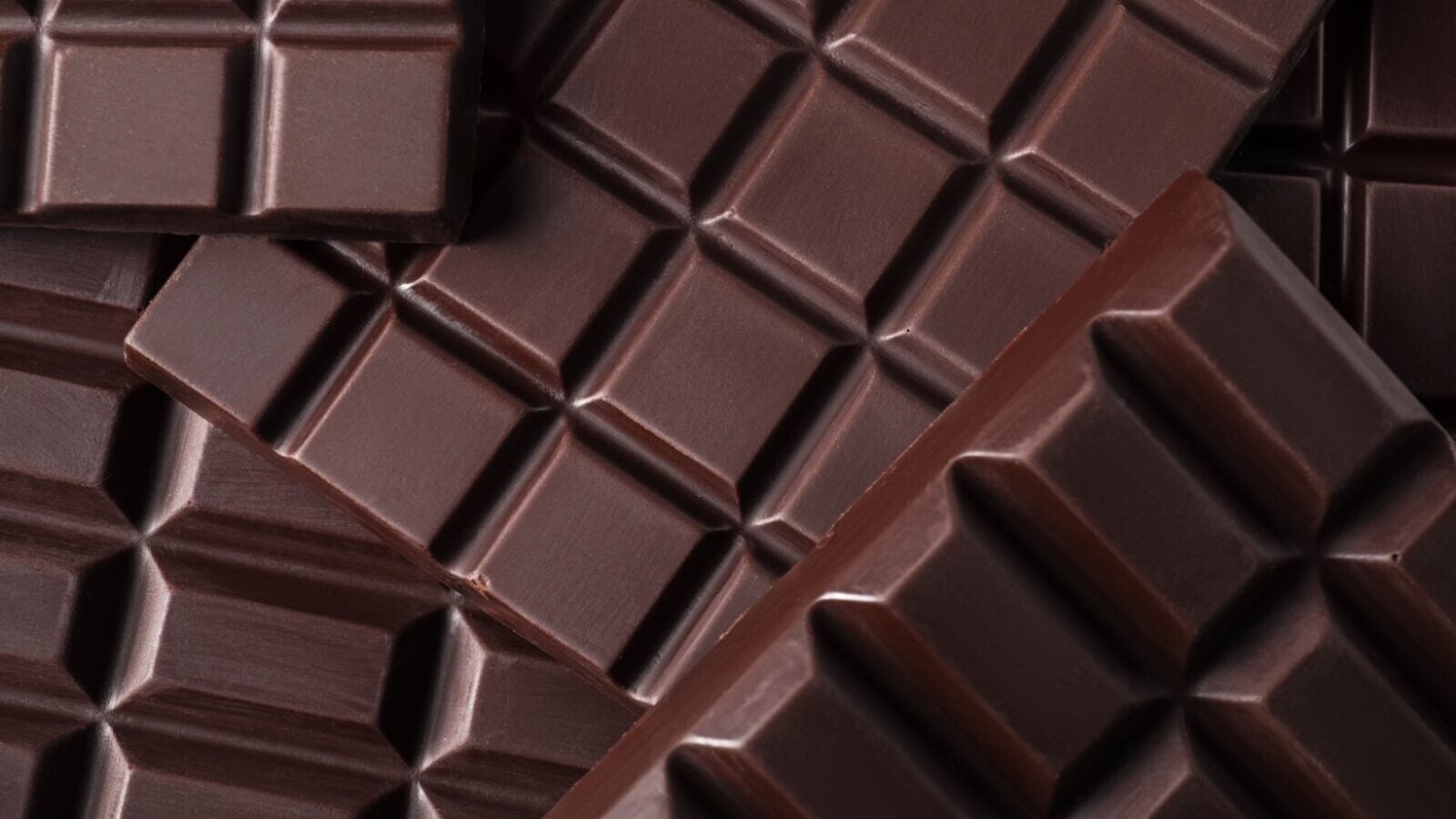
The study involved 23 moderately trained men who performed leg extension exercises after fasting overnight. Those exposed to a 90 percent dark chocolate aroma completed about 18 more repetitions than the water control condition, while a 60 percent milk chocolate aroma was linked to about 9 additional repetitions.
The finding does not mean chocolate scent is a proven workout enhancer, but it gives researchers a new way to examine how smell, appetite, and physical effort may interact.
The Experiment Was Simple. The Result Was Not
Researchers from the University of Malaya tested whether a chocolate aroma could change exercise performance without participants consuming any chocolate.
Published in Frontiers in Physiology, the exploratory study used a randomized, double-blind, crossover design. The same participants completed exercise sessions under three different conditions: 90 percent dark chocolate aroma, 60 percent milk chocolate aroma, and a water control condition.
Before each session, participants fasted overnight for at least 10 hours. They then performed repeated leg extension exercises at 80 percent of their 10-repetition maximum until voluntary exhaustion while researchers measured performance, appetite responses, odor ratings, and perceived exertion.
The crossover design allowed researchers to compare how the same individuals responded under each condition rather than comparing separate groups of people.
Dark Chocolate Produced the Strongest Workout Effect
The biggest difference appeared when participants were exposed to the 90 percent dark chocolate aroma.
Under that condition, participants completed about 18 additional repetitions compared with the water control. The milk chocolate aroma also increased repetitions, with about 9 more repetitions than water.
The unusual part was not just the number of repetitions. Researchers also tracked perceived exertion, or how difficult participants felt the exercise was.
Participants reported increasing effort across sets as fatigue built, which is expected during repeated exercise. However, researchers found no significant difference in perceived exertion between the chocolate aroma conditions and the control condition.
The result was not that the workout suddenly felt easy. Instead, participants completed more work without reporting greater effort than in the other conditions.
The Appetite Clue Behind the Chocolate Scent
Dark chocolate aroma appeared to affect hunger responses and workout performance.
Researchers found that the dark chocolate aroma condition was associated with lower hunger, lower desire to eat, and greater feelings of fullness before exercise.
Save this article
Milk chocolate created a different response. While it was also linked to more repetitions, researchers found it was more strongly associated with the aroma’s pleasantness than with the same appetite-related changes seen with dark chocolate.
The study did not determine exactly why those differences occurred. Researchers did not measure brain activity, hormone changes, or other biological processes that could explain how the aroma influenced performance.
Related: The Surprising Superfoods That Boost Energy and Mood
Why This Caught Attention Beyond the Gym
The study explores a different side of performance science: what happens before the body starts working.
Most workout conversations focus on visible inputs such as training programs, meals, and supplements. This research looked at whether a sensory cue alone could influence exercise performance.
The researchers described chocolate-related odors as a possible non-nutritive approach to supporting fasted resistance exercise, while also noting that more research is needed to confirm the mechanisms and whether the findings apply more broadly.
The study does not show that chocolate can replace proper nutrition, recovery, or training. It examined one specific aroma, one exercise movement, and one group of participants under controlled conditions.
The Finding Comes With a Major Limitation
The study is interesting because it is unusual, but its conclusions remain limited by its size and design.
The research involved 23 healthy, moderately trained men. The exercise test focused only on leg extensions, so this study provides no evidence that the same effect would appear during running, cycling, full-body workouts, or competitive sports.
The results also cannot automatically be applied to women, older adults, elite athletes, beginners, or people with different health backgrounds.
The researchers described the work as exploratory, meaning it provides an early look at a possible connection rather than a final answer. Larger studies will be needed to understand whether the effect can be repeated and what causes it.
A Strange Result That Opens a Bigger Question
The chocolate aroma study is not a shortcut to better workouts. It is a glimpse into a part of performance science that researchers are still trying to understand.
The experiment did not show that a smell can replace training, nutrition, or preparation.
What it did show is that a simple sensory cue was linked with measurable changes during a controlled exercise session, giving researchers another way to examine the relationship between perception, appetite, and physical effort.
If something as familiar as the scent of dark chocolate can influence how people respond to exercise, what other everyday experiences might researchers find are quietly shaping how we perform?