

It takes about one second. A rider steps off at the back door, turns toward the front and calls out a quick “thanks” to the person behind the wheel. Most passengers never do it, which is exactly why the ones who do tend to stand out.
The habit is rarer than many people assume. A University of Sussex study on greeting bus drivers, run with Transport for London and the research group Neighbourly Lab, found that only 23% of London passengers acknowledged their driver when boarding, and just 8% did so when getting off. Drivers told researchers that a greeting or a word of thanks lifted their mood and left them feeling respected and seen.
Small courtesies like this once sat alongside many of the old-school etiquette rules that have disappeared, and customs differ from place to place, as a FrenzHub list of American habits and phrases that are rude in other countries shows. Some older customs have a way of returning, too, and a FrenzHub roundup of 14 boomer habits that are making a comeback tracks a few of them. Research on gratitude and everyday social contact points to 7 traits that people who thank bus drivers often share.
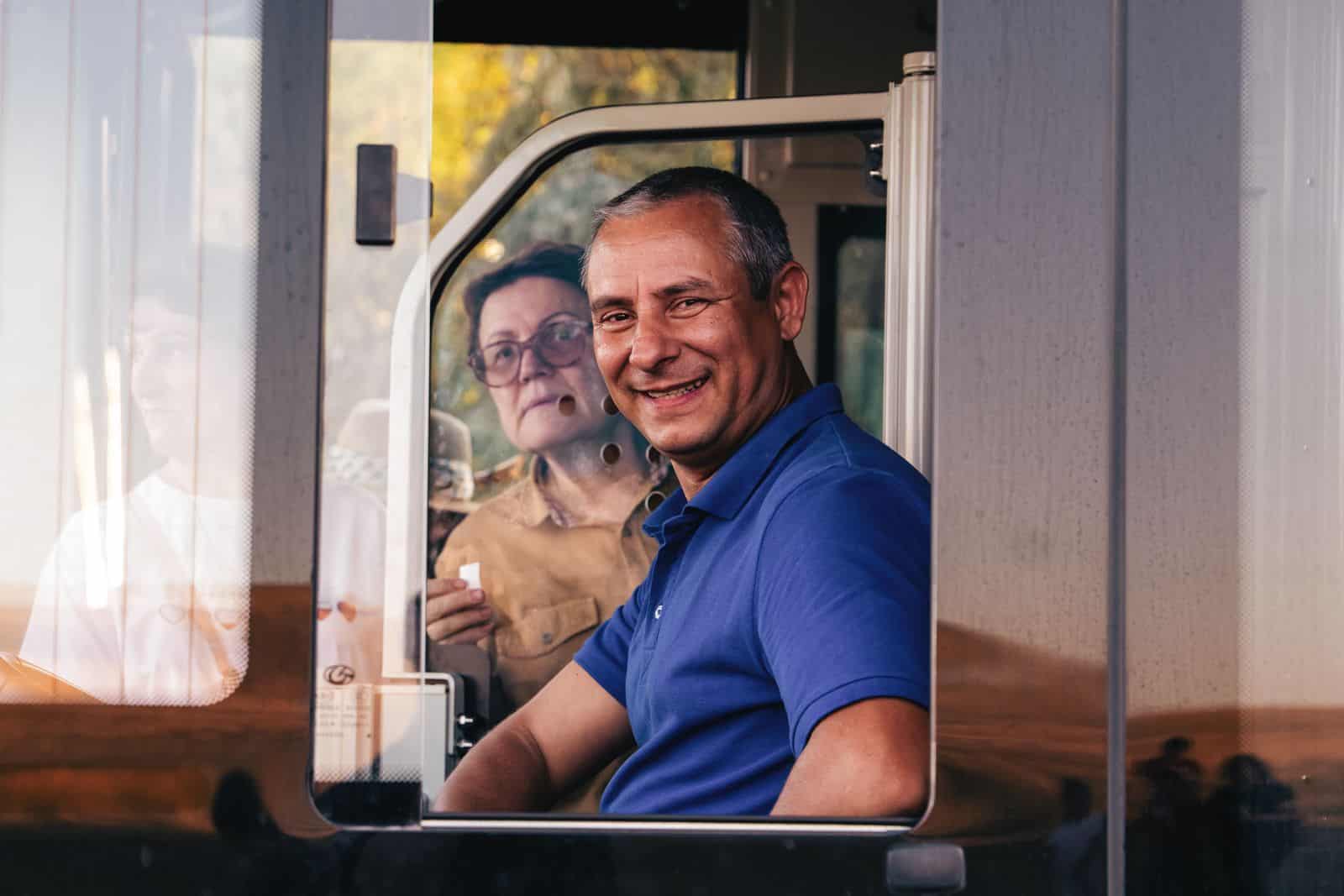
1. They notice the people others overlook
Bus drivers, cashiers and street sweepers interact with hundreds of people a day, yet many of those exchanges happen without eye contact. In a Christian Science Monitor report on the London project, Neighbourly Lab’s Grainne O’Dwyer argued that essential workers have so many daily contacts that they could be a backbone of community connection, and that feeling respected and seen is a basic human need. People who thank the driver tend to register the person doing the job, not just the service being delivered. That kind of attentiveness usually shows up elsewhere too, from greeting a cashier to learning a mail carrier’s name.
2. They understand how far a small thanks can travel
A quick word of thanks can seem trivial, but research suggests it carries real weight. Stanford Graduate School of Business summarized a 2010 study by Adam Grant and Francesca Gino in which a simple expression of thanks raised the share of people willing to help again from 25% to 55% in one experiment. The researchers found that feeling socially valued drove the effect. People who habitually thank drivers seem to grasp this intuitively. A few words cost nothing, and they can make the next interaction smoother for everyone who boards after them.
3. They are comfortable with brief social contact
Plenty of riders keep their heads down because speaking up feels awkward. Research from the University of Chicago suggests that worry is usually misplaced. In a Chicago Booth press release, Nicholas Epley and Juliana Schroeder reported that commuters on Chicago trains and buses who talked with a stranger had a significantly more positive commute, even though they had predicted the opposite. People who thank the driver have often already learned that lesson. They tend to treat small, friendly exchanges as a normal part of moving through the world.
4. They do not wait for others to go first
When an entire bus stays silent, it can feel strange to be the one voice saying thanks. A British Psychological Society Research Digest summary of the Epley and Schroeder work describes a pattern called pluralistic ignorance, in which people assume others are less interested in connecting than they really are. Everyone stays quiet because everyone else seems to want quiet. Riders who thank the driver anyway are often comfortable breaking that pattern. They follow their own sense of what is decent rather than taking cues from a silent crowd.
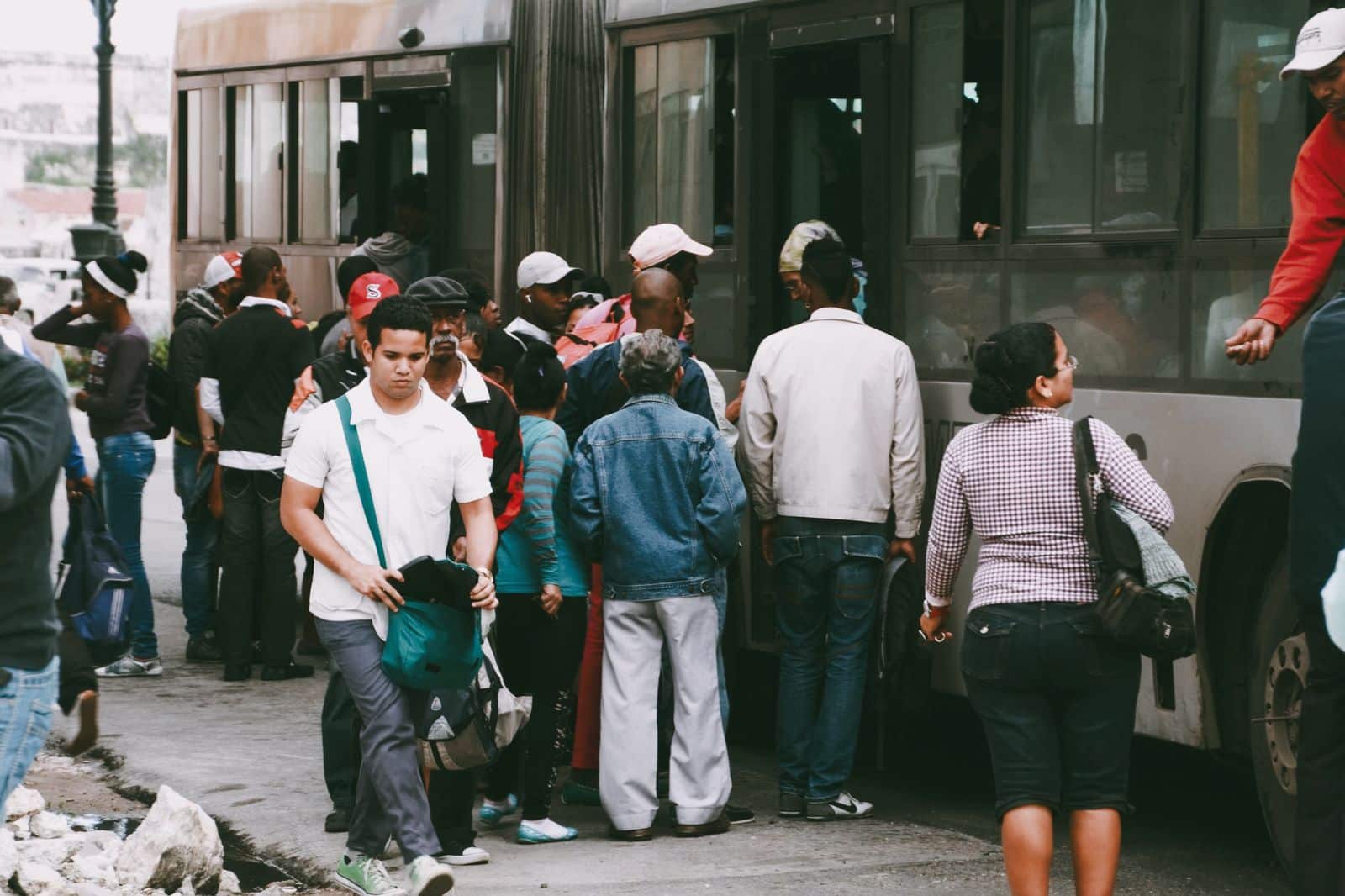
5. They see public spaces as shared spaces
A bus is a small, temporary community, and some riders treat it that way. The Sussex study noted that in a separate Greener Journeys survey, 33% of Britons said they take the bus partly to interact with other people, and 84% of passengers interviewed for the project believed engaging with drivers would benefit them. People who say thanks on the way out tend to view a shared ride as something more than a transaction. They often carry the same mindset onto sidewalks, into grocery lines and through crowded waiting rooms, where small acts of courtesy add up.
6. They recognize how demanding the job is
Driving a bus means navigating traffic, keeping a schedule, handling fares and dealing with every mood that walks through the door. Not every driver expects thanks, and the Christian Science Monitor quoted one London driver who said he would rather have better pay than more greetings. Another driver in the same piece said the reminder signs made his days feel less grim. People who thank drivers tend to have a sense of the effort behind a smooth ride. That empathy often extends to other workers whose jobs look routine from the outside but rarely are.
7. They practice courtesy as a habit, not a performance
The riders who thank drivers usually do it every time, whether anyone is watching or not. The Sussex team found that a simple sign on the cab door raised greetings on boarding from 23% to 30% on about 150 buses, which suggests that courtesy can be built through repetition and gentle reminders. For many people, the habit starts young and simply sticks. It is not about being seen as polite. It is a routine, much like holding a door or letting someone merge in traffic.
Why these 7 traits matter beyond the bus
None of these traits requires money, time or special effort. They come down to noticing people and treating everyday encounters as worth a moment of warmth. As manners shift between generations, a look at 12 etiquette rules losing favor with younger generations shows how much courtesy is changing. Travel brings its own gray areas, too, as a list of 12 polite plane habits that secretly annoy others points out. Thanking the bus driver, though, remains one courtesy that rarely bothers anyone.
This article was written with the help of AI tools and checked against the sources linked above.




