

Few chores feel as satisfying as finishing a bathroom scrub. The mirror shines, the sink sparkles and the room smells fresh. Yet some of the most common cleaning habits quietly undo that work, spreading grime from one surface to another or leaving moisture behind that invites mold and mildew.
Cleaning writers at House Digest, Tom’s Guide and Apartment Therapy have all flagged the slip-ups that make a bathroom dirtier instead of cleaner. Much like the steps in a FrenzHub guide to cleaning a dishwasher to reduce smells and dirt, the fixes are usually simple once the problem is clear.
Here are 9 cleaning mistakes that can leave a bathroom worse off than before.
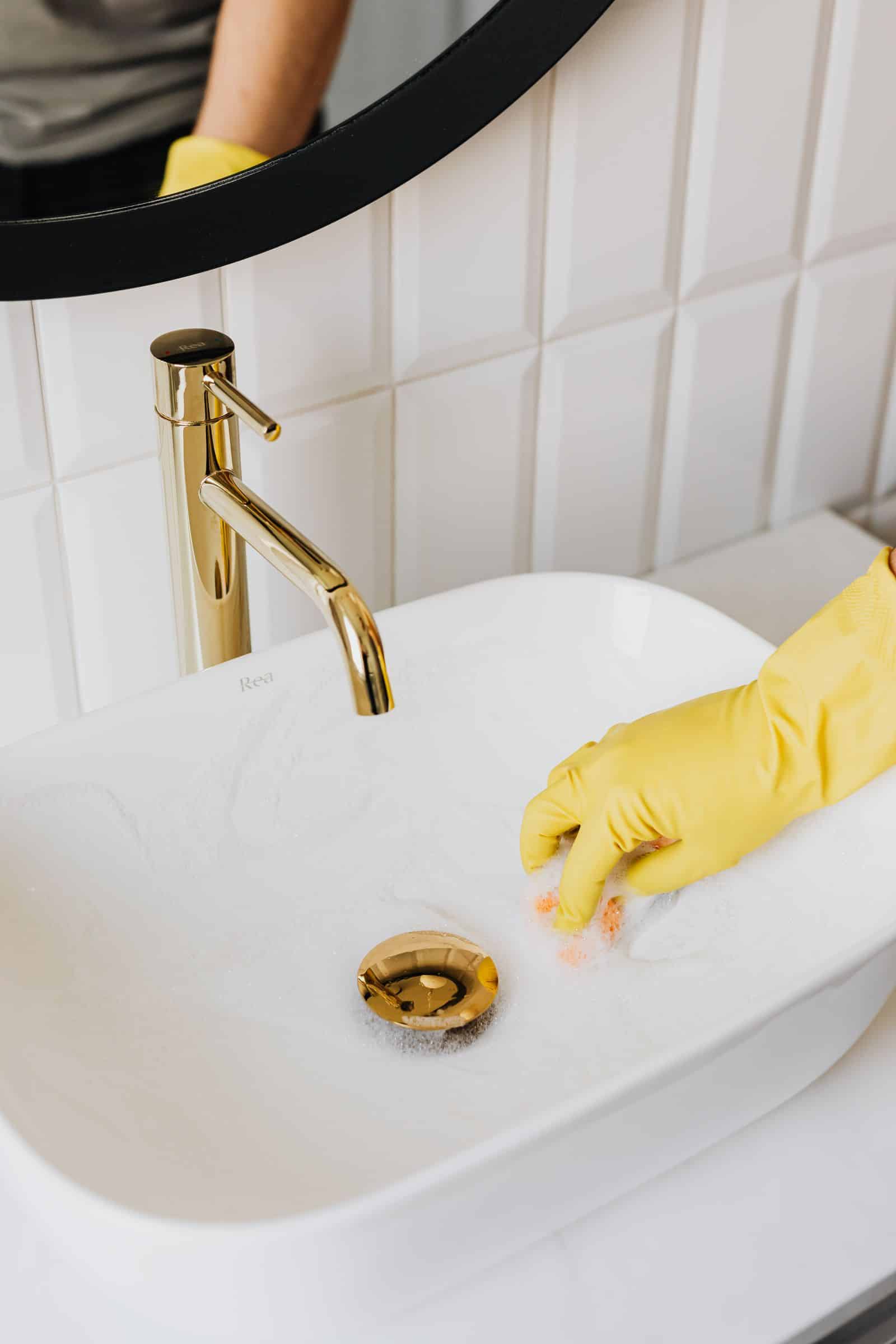
1. Cleaning from the bottom up
Starting with the floor and working upward is a classic mistake. House Digest explains that dust from shower rods, blinds, windowsills and exhaust vents drifts down onto surfaces that have already been cleaned. The better order is to start at the highest point in the room and finish with the floor, vacuuming or mopping last. Apartment Therapy adds that dusting the toilet before scrubbing it keeps loose hair and dust from getting dragged around in wet cleaner. Working top to bottom means every surface gets cleaned once, not twice. The same logic applies elsewhere in the house, as in a FrenzHub guide to cleaning wood furniture to make it look new again.
2. Using one cloth or sponge for everything
Grabbing the same rag for the toilet, the sink and the mirror simply moves grime around the room. House Digest recommends separate cloths for different areas and suggests washable microfiber cloths dedicated to the bathroom. Products such as those in a FrenzHub list of easy-to-use products that simplify everyday life at home can make it easier to keep supplies sorted. Apartment Therapy also warns that sponges, scrubbing pads and brushes can spread contamination if they are not cleaned themselves. Dishwasher-safe tools can go through a cycle, and others can soak in an oxygen bleach bath.
3. Wiping off disinfectant too soon
Spraying a disinfectant and immediately wiping it away is one of the most common errors. The U.S. Environmental Protection Agency’s guide to using disinfectants says to find the contact time in the directions and keep the surface wet for that entire period, since that is what makes the product work. The EPA also advises pre-cleaning surfaces with soap and water when they are visibly dirty. House Digest suggests waiting at least 5 to 10 minutes if no time is listed on the bottle.
4. Flushing with the lid up
Leaving the toilet lid open during a flush can undo a freshly cleaned bathroom. Tom’s Guide points to research in the American Journal of Infection Control describing “toilet plume,” the fine spray that a flush can send into the air. Those droplets can settle on nearby surfaces, including counters and toothbrushes. Closing the lid before every flush is an easy habit that keeps the rest of the room cleaner for longer. It costs nothing and takes less than a second, which makes it one of the simplest changes on this list.
5. Putting the toilet brush away wet
A dripping toilet brush tucked straight into its holder leaves a pool of dirty water at the bottom. Tom’s Guide suggests carefully tipping out excess water, washing the brush weekly and replacing it every 6 months. Apartment Therapy shares a tip from the Clean Mama blog: rest the brush between the toilet bowl and the seat, spray it with hydrogen peroxide and let it drip dry. House Digest recommends the same wedge trick, with the bristles hanging over the bowl, so nothing pools in the stand. A dry brush stays much fresher.
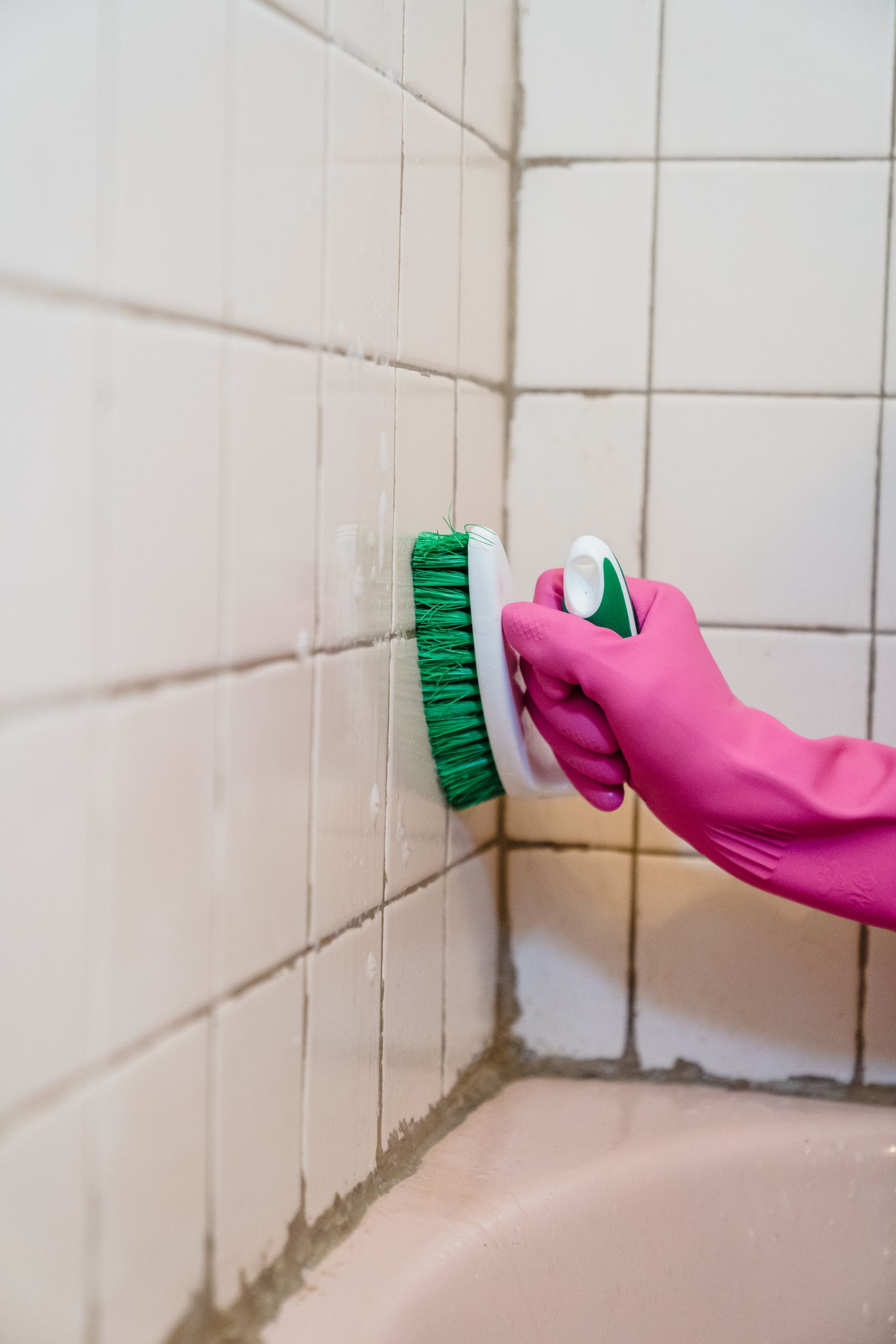
6. Skipping the high-touch spots
Many people scrub the tub and toilet but forget the places hands touch most. House Digest lists light switches, faucet handles, toilet flushers, doorknobs, shower handles, grab bars and soap dispensers as commonly overlooked spots. These small surfaces collect fingerprints and grime every day, often from hands that have not been washed yet. A quick daily wipe with a disinfecting wipe keeps them in check. House Digest also mentions hidden areas such as behind the toilet, inside the trash can and on top of cabinets.
7. Leaving the shower wet
Walking away from a dripping shower gives mold, mildew and limescale a head start. Tom’s Guide recommends a quick pass with a squeegee, which can remove most of the water in under a minute, followed by a towel buff for the last droplets. Apartment Therapy suggests running the exhaust fan during every shower and for about 20 minutes afterward, or opening a window if there is no fan. Without airflow, moisture sits on tile and grout and slowly turns into the stubborn buildup that takes much longer to scrub away.
8. Forgetting the shower curtain and mats
Fabrics soak up moisture and hold on to it. House Digest recommends washing shower curtains about 4 times a year and bath mats weekly or every other week, making sure everything dries fully before going back up. Tom’s Guide notes that bath mats can develop mold and mildew if they never air-dry, and suggests rotating them the same way towels are rotated. Apartment Therapy adds that fabric liners can go in the washing machine, while plastic ones can be washed with bleach or vinegar.
9. Ignoring the toothbrush holder
The toothbrush holder is one of the grimiest items on the counter, yet it rarely makes the cleaning list. Tom’s Guide explains that water and spit drain into the base and form a puddle where germs can grow. The fix is to empty and wash the holder regularly with soapy water and to shake or wipe toothbrushes dry before storing them. Apartment Therapy also reminds readers that the American Dental Association recommends replacing toothbrushes every 3 to 4 months, or sooner if the bristles are frayed.
A cleaner routine, not a harder one
Most of these fixes take only a few seconds, from closing the lid to running the fan a little longer. House Digest also advises never mixing cleaning products, since some combinations create toxic fumes, and reading every label before starting. For more household tips, see 12 top cleaning mistakes to avoid, and for a bigger decluttering project, browse 10 clutter traps seniors should clear out before retiring.
This article was written with the help of AI tools and checked against the sources linked above.




