

At many tables, the phone has become a silent extra guest. It sits next to the fork, lights up with every notification and pulls attention away at the exact moment conversation might get interesting. Some people, though, make a point of putting it in a pocket, a bag or another room before the food arrives. That small choice tends to go hand in hand with a set of broader habits, many of which line up with old-school etiquette rules that have disappeared from everyday life.
Research on phones and face-to-face time helps explain why the habit matters. Here are 8 traits that people who keep phones off the dinner table often share, along with what studies say about the moments they are protecting.

1. They Give Others Their Full Attention
People who put the phone away tend to treat a meal as a time to listen. That focus may matter more than it seems. In experiments by Andrew Przybylski and Netta Weinstein, described by the British Psychological Society’s Research Digest, pairs of strangers chatted while either a phone or a notebook sat nearby. Those with a phone in the room felt less closely related to their conversation partner, and when pairs discussed meaningful topics, the boost in closeness and trust seen with the notebook disappeared when a phone was visible.
Keeping the phone out of sight is a simple way to signal that the person across the table has the floor.
2. They Value Real Connection Over Constant Updates
Choosing a conversation over a feed reflects a clear sense of priorities. Researchers at the University of British Columbia tested the idea directly by sending more than 300 people to dinner with friends or family and randomly asking some to keep phones on the table and others to put them away. As reported by ScienceDaily, diners with phones out enjoyed the time with companions less, by about half a point on a seven-point scale, mostly because they felt more distracted.
People who invest in in-person time often share the instincts behind cultivating positive relationships more broadly, from showing up consistently to giving others room to talk.
3. They Respect Shared Social Norms
Many people already agree that phones and dinner do not mix, even if they do not always follow through. A Pew Research Center analysis of mobile etiquette found that only 12% of Americans said it was generally OK to use a cellphone at a family dinner, and only 38% said the same about restaurants.
Those who put phones away tend to take these unwritten rules seriously. It is the same instinct that keeps them from the common etiquette blunders to avoid at a steakhouse and other places where shared courtesy shapes the experience for everyone.
4. They Have Strong Self-Control
Knowing a rule and following it are two different things. The same Pew analysis found that 89% of cellphone owners used their phone during their most recent social gathering, and 86% said someone else in the group did too. With numbers like that, leaving the phone untouched for an entire meal takes real discipline.
People who manage it are often deliberate in other areas of life as well, choosing when to respond to messages rather than reacting to every buzz.
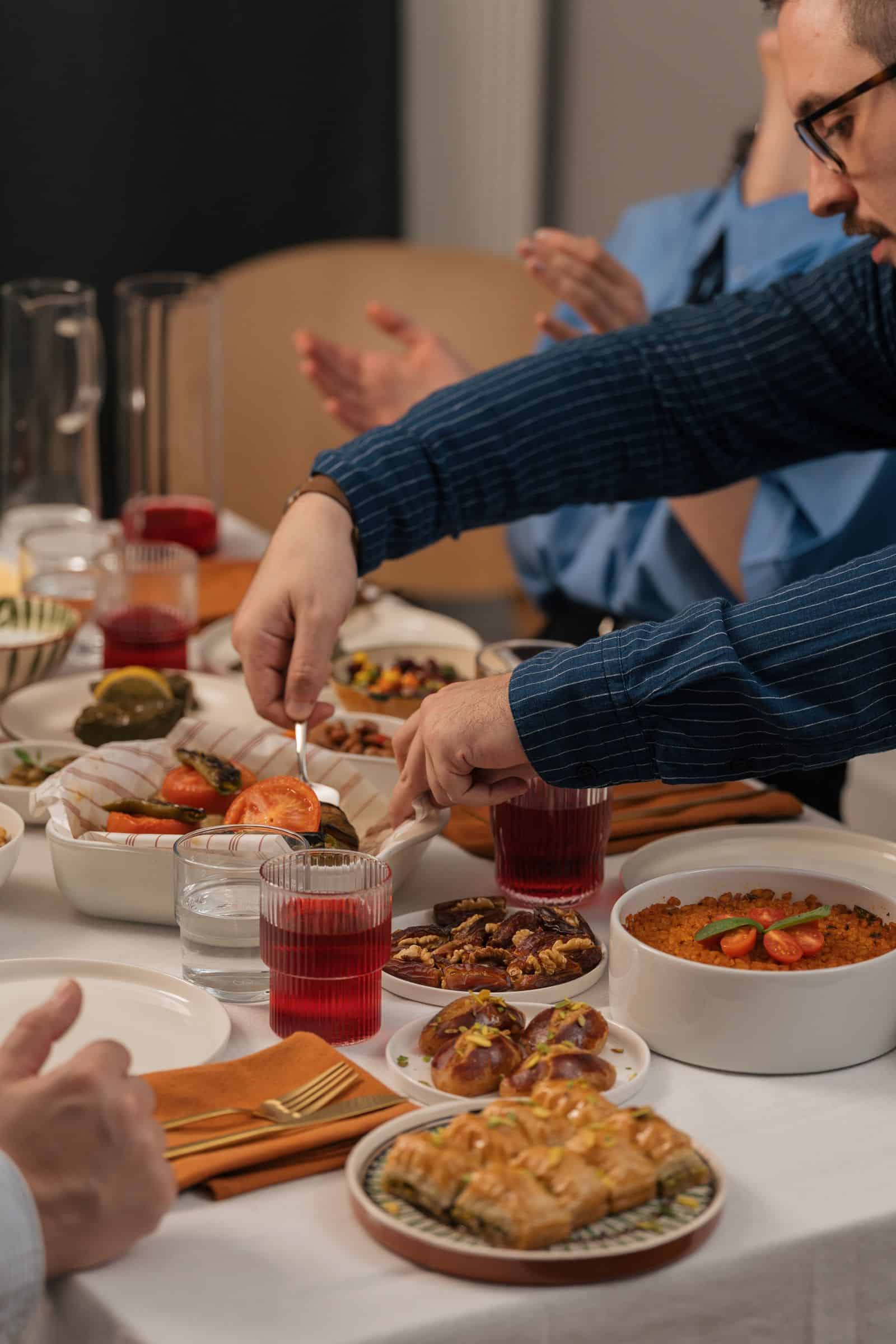
5. They Are Comfortable With a Lull in Conversation
Many people reach for a phone the moment a conversation pauses. Phone-free diners tend to let quiet moments pass without filling them. Interestingly, the UBC study found that phones did not even solve the boredom problem. Participants reported slightly more boredom when phones were present, which the researchers called surprising, since they had expected phones to entertain people during lulls.
Comfort with a pause often leads to better conversations, because the next topic gets a chance to surface on its own.
6. They Put Partners Ahead of Screens
Romantic partners notice when a phone wins out over them. Baylor University researchers developed a nine-item scale to measure “partner phubbing,” short for phone snubbing, and reported on their study of 453 U.S. adults that 46.3% said a partner had phubbed them and 22.6% said it caused conflict in the relationship. Partner phubbing was linked to more conflict and lower relationship satisfaction.
People who keep dinner phone-free often see it as a basic form of respect for a partner. It is a theme that also runs through the etiquette rules losing favor with younger generations, many of which were built around paying attention to the people present.
7. They Notice the Small Moments
A comment about the day, a joke or a question about plans may seem minor, but couples researchers see these as important. The Gottman Institute calls them bids for connection and reports that, in John Gottman’s study of newlyweds followed up six years later, couples who stayed married had turned toward each other’s bids 86% of the time, compared with 33% for couples who divorced.
A phone in hand makes it easy to miss those bids. Without one, people tend to catch more of them.
8. They Stay Engaged Rather Than Escaping
Sometimes a phone is a way out of a conversation. The Pew analysis found that 16% of cellphone owners used their phone at a recent gathering because they were no longer interested in what the group was doing, and 10% did so to avoid taking part in the group’s discussion. People who keep phones away tend to stay in the room mentally, even when a topic is not their favorite.
That willingness to stay present is part of what makes them good company, and it echoes the qualities described in a look at why the kindest people often have the smallest circles.
A Small Habit With a Big Signal
Putting a phone away at dinner does not require an app, a rule book or a lot of willpower talk. It is a simple choice repeated night after night. The research suggests it pays off in more enjoyable meals, closer conversations and fewer moments when someone at the table feels ignored. For many people who practice it, the habit is less about the phone and more about the people sitting across from them.
This article was written with the help of AI tools and checked against the sources linked above.




