
People who came of age during the Great Depression carried its lessons for the rest of their lives. Many grandchildren remember the evidence: drawers of saved twist ties, coffee cans of buttons, gardens that fed the family all summer and a deep suspicion of anything bought on credit.
Those habits grew out of real hardship. Four years after the 1929 crash, about a quarter of the U.S. workforce was out of work, and families had to stretch every dollar. Here are 10 money rules Depression-era grandparents lived by, and why many of them still make sense.

1. Use It Up, Wear It Out, Make Do or Do Without
According to History.com, that short motto summed up how many families got through the 1930s. Nothing was thrown away while it still had a use, and new purchases were a last resort rather than a first instinct. The phrase became a kind of family rule passed down to children and grandchildren, and versions of it still show up among the boomer habits that are making a comeback.
2. Grow Food Wherever There Is Room
Kitchen gardens of vegetables and herbs were common, and some cities turned empty land into food. History.com notes that Detroit’s “thrift garden” program on vacant lots provided food for about 20,000 people between 1931 and 1932. For many grandparents, a backyard garden remained a point of pride for decades, even when they no longer needed it to get by.
3. Mend It, Remake It and Make It Last
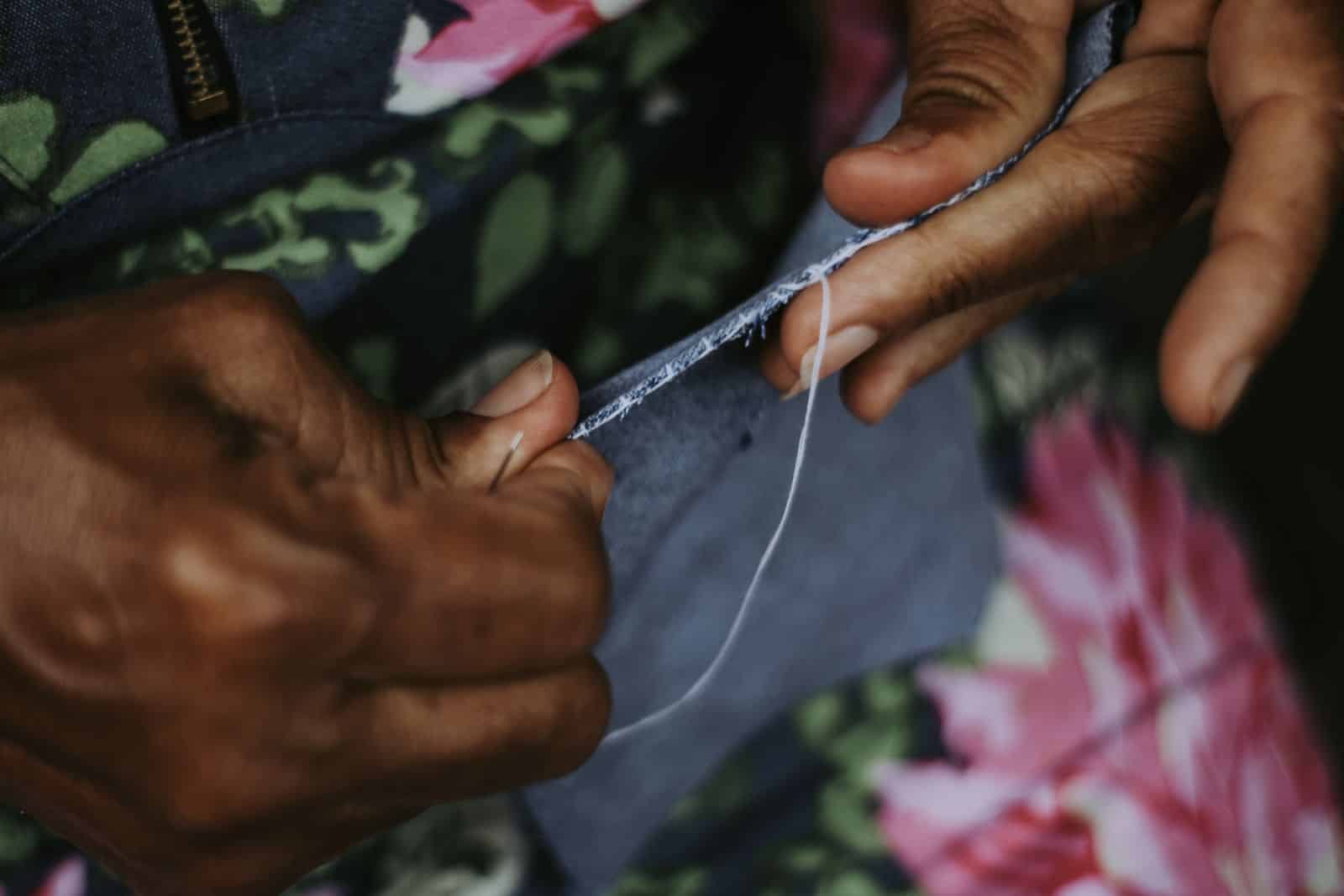
Clothing was patched, collars were turned and fabric was reused until it fell apart. The Saturday Evening Post describes how rural women turned cotton feed sacks into towels, curtains, underwear and dresses, and how feed companies began printing sacks in colorful patterns to win their business. A sewing booklet on the practice reached a circulation of 318,000 by 1937. Spending on clothing, accessories and jewelry fell from $11.2 billion in 1929 to $5.4 billion in 1933.
Many of the tools and gadgets that supported this way of life now feel like relics, as this look at forgotten household items from the past shows.
4. Pay Cash and Treat Debt With Caution
When Upworthy collected memories from people whose relatives lived through the Depression, paying in cash whenever possible came up as a core habit. So did a practical twist: when a bill could not be paid in full, the relative called the creditor early to work something out and protect a good name. Buying only what could be paid for was less a budgeting technique than a matter of principle.
5. Know Exactly Where the Money Is Kept
The Depression shook trust in banks for a generation. According to History.com, more than 4,000 American banks collapsed between 1929 and 1933, and depositors lost about $1.3 billion. The Federal Deposit Insurance Corporation was created in 1933 and initially insured deposits of $2,500. The standard limit is now $250,000.
Grandparents who lived through bank runs tended to keep close track of their accounts and often held a cash cushion for emergencies. The modern version is an emergency fund in an insured account, and this guide on how to save money for an emergency fund covers the basics.
6. Waste Nothing in the Kitchen
Women’s magazines and radio programs of the era promoted casseroles and one-pot meals that stretched small amounts of meat and vegetables, History.com reports. The habits shared on Upworthy go further: potato water saved for soups and gravy, leftovers combined into stews and the last scrape of batter pulled from the bowl. Old family recipes still carry that spirit, as these old-fashioned desserts grandma used to make show.
7. Save the Containers, Bags and Paper
Bread bags, twist ties, paper grocery sacks and washed-out tubs were kept and reused, according to the recollections gathered by Upworthy. Newspaper found second and third lives as stuffing or insulation. To younger relatives, the cluttered drawers looked odd. To the grandparents, they were a free supply closet.
8. Find Fun That Costs Little or Nothing
Entertainment shrank to fit tight budgets. History.com notes that more than one-third of America’s movie theaters closed between 1929 and 1934, and many families stayed home to play cards and board games instead. Church potlucks became a cheap way to socialize, and more than 30,000 miniature golf courses opened in the 1930s, with rounds costing 25 to 50 cents.
9. Everyone Contributes to the Household
Families pooled their efforts to stay afloat. History.com reports that more married women entered the workforce during the Depression, often in clerical or service jobs, while some professionals saw their incomes fall by as much as 40%. The lesson that stuck was that a household is stronger with more than one way to bring money in.
10. Never Gamble What Cannot Be Lost
Living through a crash can shape a person’s attitude toward risk for decades. Research by economists Ulrike Malmendier and Stefan Nagel, summarized by the National Bureau of Economic Research, found that people who experienced low stock market returns were less likely to invest in stocks later, and that the effect of those early experiences “fades away only very slowly.” Many Depression-era grandparents preferred safe, steady savings to anything that looked like speculation.
Not all 10 rules fit every budget today, and extreme caution has costs of its own. Still, the core idea of spending less than what comes in and wasting little holds up well. For a modern take on the same instinct, see these supermarket hacks for saving hundreds.
This article was written with the help of AI tools and checked against the sources linked above.




