

Most people assume that the driver is the only one who can get in trouble during a traffic stop. The person behind the wheel usually gets most of the attention, but passengers are not invisible to the law. In many states, a person riding along can be handed a citation of their own.
The rules vary from state to state, and some apply only in certain circumstances, but the overall picture is clear. Here are 8 things that can get a passenger ticketed in many states, along with the laws behind them.
1. Skipping the Seat Belt in the Front Seat
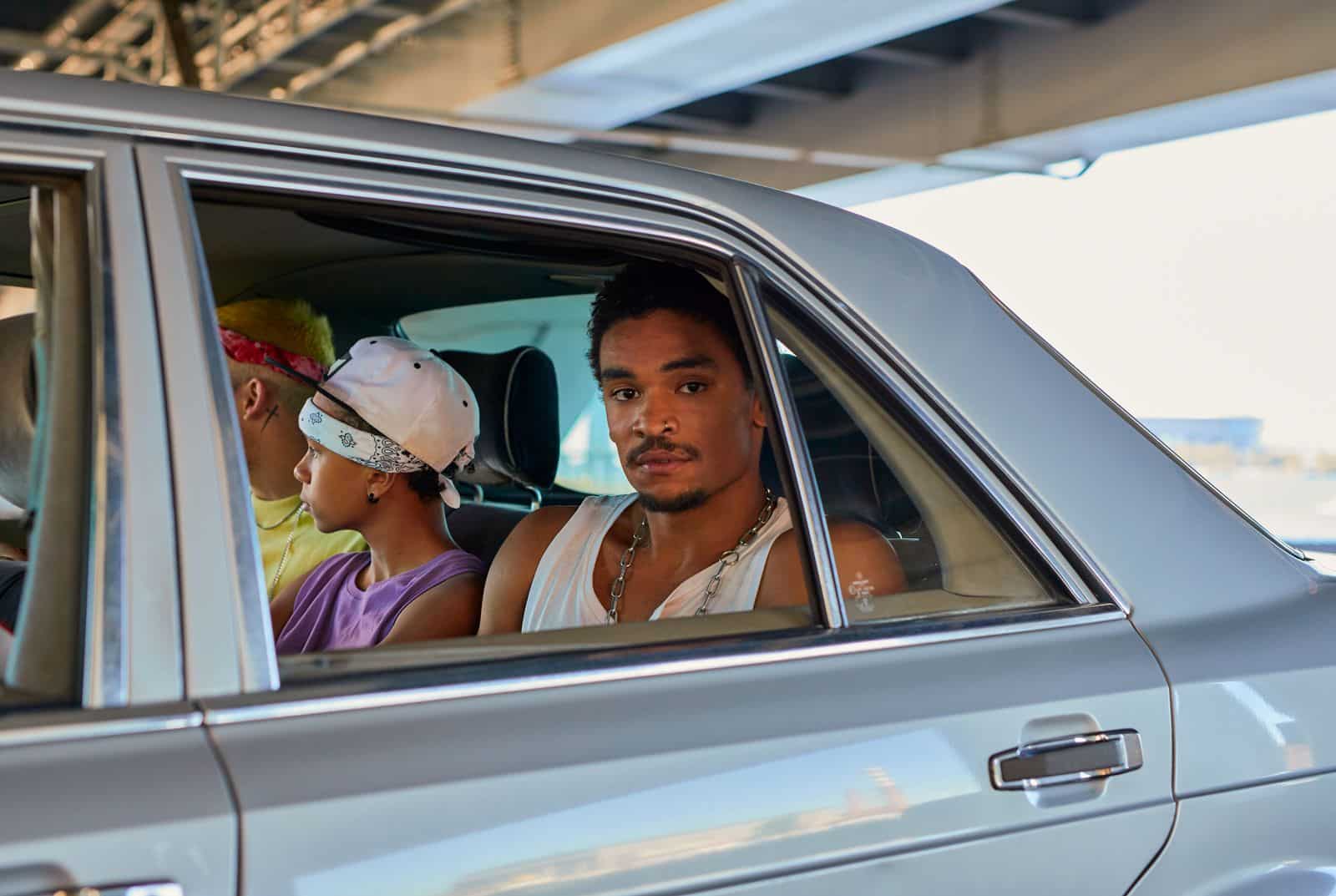
Seat belt laws are the most common way passengers end up with a ticket. According to the Governors Highway Safety Association, 35 states and Washington, D.C., have primary seat belt laws for front-seat adults, meaning an officer can pull a car over for that reason alone. Another 14 states have secondary laws, which allow a ticket only when the car is stopped for something else. New Hampshire is the lone state with no adult seat belt law.
Who pays the fine depends on the state and the age of the rider. In New York, for example, the state DMV says unbelted passengers 16 and older face a fine of up to $50 themselves, while the driver is ticketed when an unbelted passenger is under 16. It is one of those rules that trips up visitors, much like the surprises listed in 20 travel blunders that turn a vacation into an unnecessary stress fest.
2. Riding Unbuckled in the Back Seat
Many adults still believe the back seat is exempt, but that is no longer true in most of the country. GHSA reports that 42 states, D.C. and 2 territories have rear-seat belt enforcement laws. Of those, 18 states plus D.C. have primary enforcement for all occupants, 5 have primary enforcement for younger riders only, and 12 enforce the rule as a secondary offense. Only 8 states have no rear-seat enforcement law at all.
That makes a long road trip a good time to double-check the rules in each state along the route, along with the planning in 16 of the strangest roadside attractions in America or the advice in 15 tips for surviving road trips with a dog.
3. Holding an Open Container of Alcohol
Federal highway law pushes every state toward strict open container rules. Under Section 154, described by the Federal Highway Administration, states must prohibit the possession of any open alcoholic beverage container, or the consumption of alcohol, in the passenger area of a motor vehicle on a public highway. States that do not comply have a share of their federal highway funds redirected to safety programs.
Because the rule covers the whole passenger area, it is not limited to the driver. A passenger holding an open can or bottle can be cited even when the driver is completely sober.
4. Drinking or Using Cannabis While the Car Is Moving
Some states spell out passenger rules directly. California Vehicle Code Section 23221, as published on Justia, states that a passenger shall not drink any alcoholic beverage or smoke or ingest marijuana or any marijuana product while in a motor vehicle being driven on a highway. A violation is an infraction.
Legal cannabis sales have not changed that rule. Recreational use being allowed in a state does not make it legal for a passenger to light up during a drive.
5. Tossing a Cigarette Out the Window
Flicking a cigarette butt out the window might seem minor, but it can lead to a citation. California Vehicle Code Section 23111, also available on Justia, applies to any occupant of a vehicle, not only the driver. It bars throwing a lit or unlit cigarette, cigar or match, or any flaming or glowing substance, onto a road, highway or adjoining area.
The law even reaches beyond the car, covering pedestrians as well as vehicle occupants. In other words, the person who actually tossed the cigarette is the one on the hook, whether that is the driver or someone riding along.
6. Riding in the Bed of a Pickup Truck
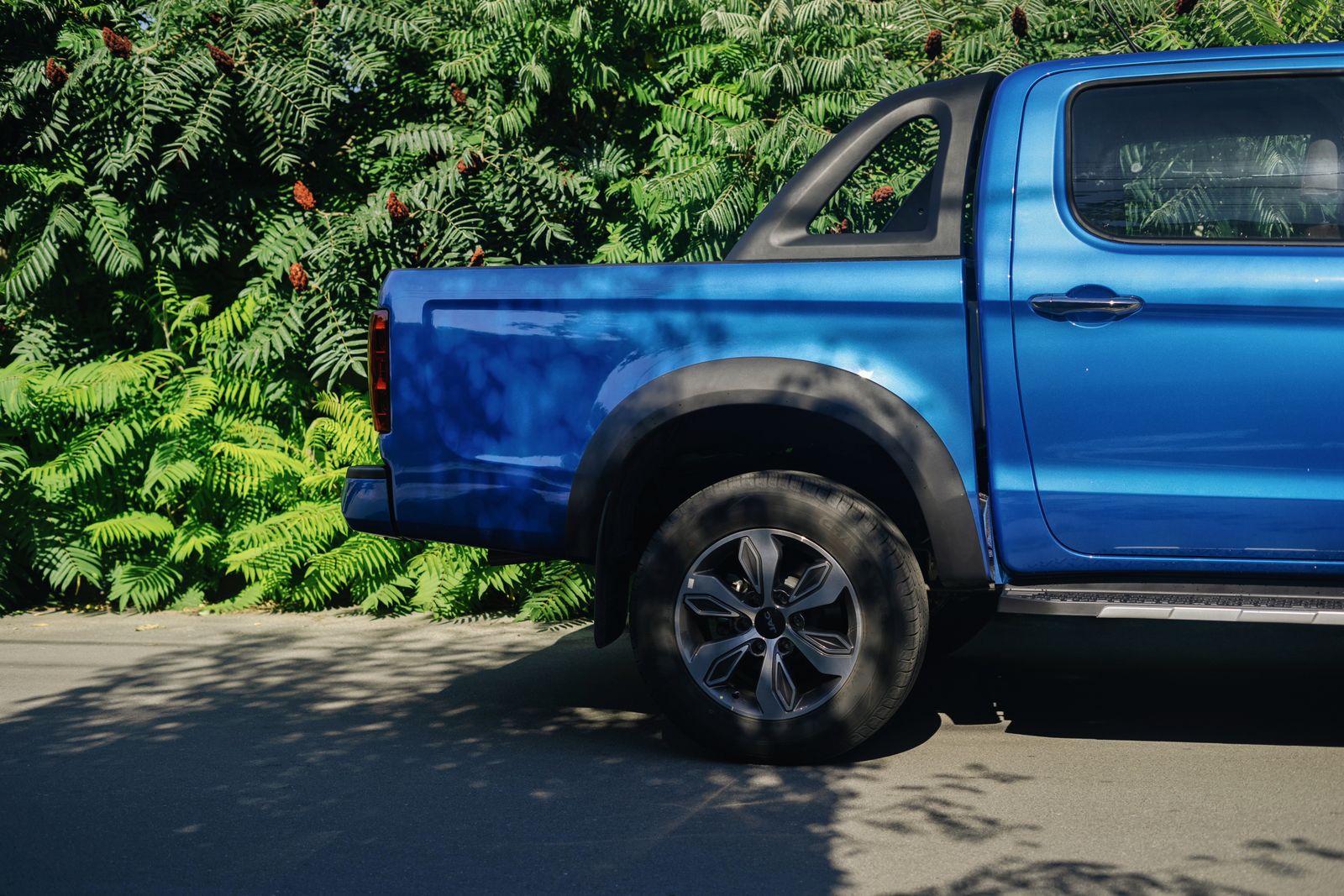
Riding in a truck bed is a summer tradition in some places and a ticketable offense in others. The Insurance Institute for Highway Safety lists 29 states plus D.C. that restrict riding in pickup cargo areas, while 21 states have no state law on it. Age limits vary widely, with Florida, Georgia, Nebraska, New Mexico and Texas setting 18 as the minimum, and Maine setting the bar at 19. Common exceptions include parades, farm work and hunting.
California is one of the strictest. According to a summary of the state’s rules on DrivingLaws.org, passengers may ride in a pickup bed only if it has a federally approved restraint system, and both the driver and the passenger can be fined. Passenger fines start at $100 for a first offense and rise to $250 for a third offense within a year.
7. Riding in the Trunk or Any Area Not Built for Passengers
The same California rules bar passengers from riding in any part of a vehicle “not designed or intended for the use of passengers,” and the summary specifically names the trunk. That covers the kind of stunt that might seem funny for a short trip across a parking lot or down a quiet road.
Rules like this are part of a broader shift in what is acceptable on the road, the kind of change reflected in 12 old-school driving tips banned today.
8. Riding on a Motorcycle Without a Helmet
Passengers on motorcycles face their own rules. According to the IIHS helmet law table, 17 states and D.C. have universal helmet laws that cover all riders. Another 30 states have partial laws, and several of them, including Alaska, Colorado, Delaware, Maine, Michigan, Nebraska, North Dakota, Ohio and Rhode Island, specifically address passengers. Only Illinois, Iowa and New Hampshire have no helmet law.
That means a passenger who hops on the back of a bike without a helmet can be breaking the law even if the rider is properly geared up.
Know the Rules Before the Ride
Passengers have more legal responsibility than many realize. Buckling up in every seat, leaving drinks sealed, keeping trash inside the car and staying out of truck beds and trunks are simple ways to avoid a citation. Because rules change at state lines, a little reading before a long drive goes a long way.
Planning a road trip with a few comfortable stops can help too. Many travelers build in breaks at places like the gas station chains with food so good it is worth driving out of the way for, which also gives everyone a chance to stretch, buckle back in and ride legally.
This article was written with the help of AI tools and checked against the sources linked above.




