

Childhood in the 1960s came with a different set of rules. Kids spent Saturday mornings in front of favorite Saturday morning cartoon classics from the ’60s and ’70s, then disappeared outdoors for most of the day. Many of the routines that seemed perfectly normal back then have since been reshaped by new laws, safety standards and changing ideas about how much freedom children should have.
Looking back, a lot of those everyday habits would make many modern parents nervous. Here are 8 things 1960s kids did that would shock parents today.
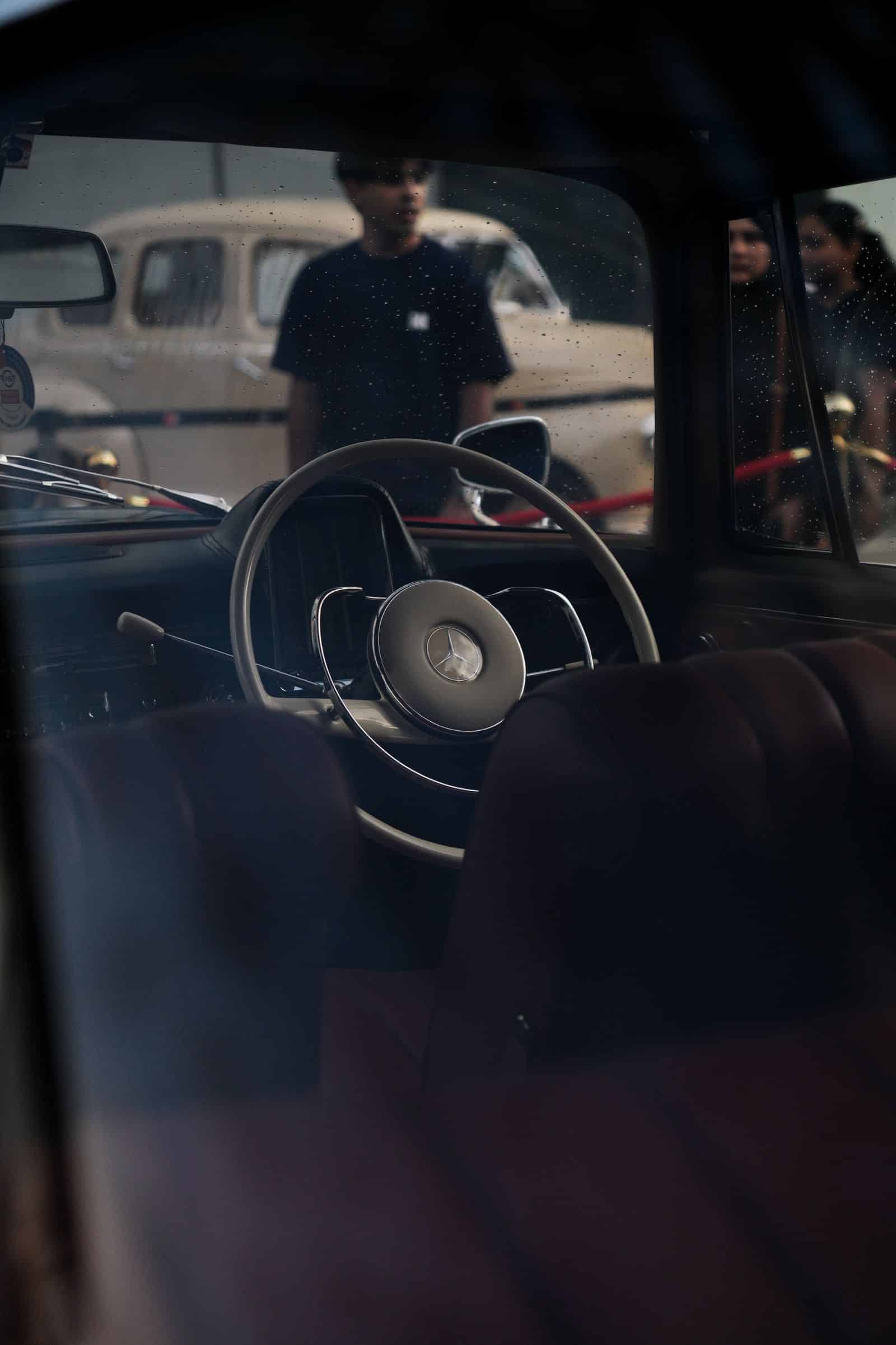
1. Rode in Cars Without Buckling Up
Seat belts were not a given in the early 1960s. According to the history summarized in Wikipedia’s article on seat belt laws in the United States, the first federal seat belt standard took effect on January 1, 1968, requiring belts in all designated seating positions of new vehicles except buses. Even then, wearing them was optional. New York did not become the first state to require occupants to buckle up until December 1, 1984.
That meant many 1960s kids rode unbuckled on everything from school-day errands to long family road trips. Today every state has child restraint laws, and car seats and boosters are a routine part of family travel.
2. Walked or Biked to School on Their Own
Getting to school used to be a kid’s own job. Wikipedia’s article on Safe Routes to School cites a 2007 New York Times piece by Jane E. Brody noting that “forty years ago, half of all students walked or bicycled to school,” while fewer than 15% did so at the time she wrote. The same article said about 60% of students were driven in private cars.
Many 1960s kids made the trip in groups of neighborhood friends with no adult in sight. Walking to school is one old routine worth revisiting, and there are plenty of other boomer habits that are making a comeback.
3. Pedaled Everywhere Without a Helmet
Bike helmets were simply not part of a 1960s childhood. The Wikipedia article on bicycle helmets in the United States says states began adopting laws on wearing helmets for bicycle riding in 1987, with California’s law listed as the earliest. Today, 21 states and the District of Columbia have statewide mandatory helmet laws for children, according to the same article.
For kids of the 1960s, a bike was freedom on two wheels, usually ridden with no protective gear at all.
4. Played Lawn Darts in the Backyard
Few backyard games capture the era quite like lawn darts, the weighted, sharp-tipped darts tossed toward a ring on the grass. Wikipedia’s page on lawn darts explains that in 1970 the Food and Drug Administration classified sharp-pointed lawn darts as a “mechanical hazard,” allowing sales only with warning labels and instructions and keeping them out of toy stores. In 1988, the U.S. Consumer Product Safety Commission voted to ban them outright.
For many families before those rules, lawn darts were just another summer game, enjoyed alongside picnic favorites like the foods from the ’60s most boomers loved with a passion.
5. Mixed Real Chemicals With a Chemistry Set
The chemistry set was a prized gift for curious kids, and early versions came with more than modern kits do. Wikipedia’s chemistry set article lists typical equipment such as test tubes, beakers and “an alcohol burner or other heat source,” along with chemicals like copper sulfate, potassium permanganate and sulfur. In the 1950s, the A. C. Gilbert Company even sold the “Gilbert U-238 Atomic Energy Laboratory,” complete with a Geiger counter and cloud chamber.
Around the 1960s, safety concerns began to limit what went into these sets. The Federal Hazardous Substances Labeling Act of 1960, the Toy Safety Act of 1969 and the creation of the Consumer Product Safety Commission in 1972 all added new rules, and modern kits tend to contain fewer chemicals and simpler, single-use components.
6. Ran Their Own Paper Routes
For many kids, a paper route was a first job. As Wikipedia’s article on the paperboy describes, young carriers walked or biked routes before or after school, sorting, rolling and bagging papers and collecting payments from customers. Afternoon newspapers fit well with school schedules.
The job faded as afternoon papers disappeared, demand for print declined and safety concerns led many newspapers to switch to adult carriers in cars. Paper routes taught kids to handle money and keep a schedule, the kind of early responsibility behind many skills boomers learned before age 15 that are uncommon today.
7. Climbed All-Steel Jungle Gyms
Playgrounds of the era were built to last, and they were built of metal. Wikipedia’s article on the playground notes that an older jungle gym “might be constructed entirely from steel bars,” while newer designs tend to use a minimal steel framework with nylon climbing ropes. Equipment has shifted toward plastic, and areas where children may fall now often use rubber mulch to cushion landings.
Kids in the 1960s climbed, swung and slid on that metal equipment long before cushioned surfaces became common.
8. Roamed the Neighborhood Until Dinnertime
Perhaps the biggest change of all is how much unsupervised time kids had. Many 1960s children left the house after breakfast and came home when called for dinner, with parents having only a rough idea of where they were. The approach had roots in influential parenting advice, and Wikipedia’s article on free-range parenting notes that Benjamin Spock’s 1946 baby-care book is often described as encouraging that kind of independence.
Attitudes have shifted sharply since then. The same article describes Maryland parents who were investigated by Child Protective Services in 2014 and 2015 after their children walked home from a park on their own. That open-ended time was filled with the kind of pre-tech activities that would confuse today’s kids.
A Different Kind of Childhood
Plenty of these changes were made for good reasons, and few people would argue for bringing back lawn darts. Still, people who grew up in the 1960s often remember the era for its independence, responsibility and long, unstructured days outside. The contrast with modern childhood says as much about how families have changed as it does about the rules themselves.
This article was written with the help of AI tools and checked against the sources linked above.




