

The U.S. recently tumbled eight spots in the World Happiness Report, falling out of the top 20 for the very first time.
What’s going on? According to one expert, young people in particular “felt less optimistic about their living standards. We saw a loss of hope… And that hasn’t returned.” That sentiment seems to be echoing across the country, but it’s hitting some places harder than others.
A new wave of data from multiple 2024 reports paints a clear picture: for millions of Americans, happiness isn’t just elusive, it’s geographically challenged. A handful of U.S. cities are facing a perfect storm of economic pain, high stress, and low well-being, making daily life a struggle.
We’ve dug into comprehensive studies, like WalletHub’s annual “Happiest Cities in America” report, which meticulously ranks 182 of the largest U.S. cities across 29 key indicators—everything from depression rates and job security to sleep adequacy and income growth. So, let’s take a look at the places where the data shows life is the toughest.
Akron, Ohio

Kicking off our list is Akron, an Ohio city struggling to find its footing in a post-industrial world. It landed near the bottom of WalletHub’s happiness report, at 173rd out of 182 cities.
The numbers tell a story of serious financial struggle. The median household income is just $48,544, and a staggering 22.9% of residents live below the poverty line. This is a city where many are just trying to get by.
Akron also scores poorly on emotional and physical well-being. Local data shows a high percentage of residents under 65 with a disability (12.6%) and a significant portion without health insurance (10.1%), adding another layer of stress.
Akron’s low ranking reflects the immense challenge of rebuilding an economy after the decline of its historical industrial base—in this case, the rubber industry. The city’s misery isn’t just about a lack of jobs; it’s about a lack of jobs that pay a living wage, trapping a large part of the population in a cycle of financial stress.
Mobile, Alabama

This Gulf Coast city lands at #174 on the happiness scale, struggling with a potent mix of economic and health-related stressors.
The economic headwinds here are strong. The median income in Mobile County is a stark $32,499. While the Port of Mobile is a significant economic engine for the state, the benefits don’t seem to be lifting all residents out of financial hardship.
Health is another primary concern. Mobile is located in a federally designated health care shortage area, making access to care a real problem for many. The county also has a high obesity rate of 42.2%. Despite its cultural richness and coastal charm, widespread economic and health challenges drag down the quality of life for many in Mobile.
Jackson, Mississippi

The capital of Mississippi ranks 175th among the happiest cities, yet it is plagued by some of the most severe systemic issues in the country.
Poverty here is deep and persistent. Jackson has a staggering poverty rate of 26.8%, and the median household income is just over $40,000. It’s no surprise that the population has been steadily declining as residents leave in search of better opportunities.
But Jackson’s struggles are also incredibly tangible. The city has faced a years-long water crisis, with failing infrastructure leading to constant boil-water notices and a lack of reliable drinking water for its residents. This isn’t an inconvenience; it’s a fundamental breakdown of a basic public service.
A daily battle against systemic failures defines life in Jackson. The city’s crumbling pipes are a physical symptom of a deeper problem: decades of population flight and a shrinking tax base have left it unable to maintain itself.
Toledo, Ohio

Landing at #176, Toledo is another Rust Belt city where the legacy of manufacturing decline continues to cast a long shadow over daily life.
Toledo scores poorly across the board, especially in community and economic metrics. The unemployment rate, at 6.7%, is higher than the national average of 6.0%, and job growth has actually been negative.
A tough job market and high crime rates create a stressful and challenging environment for Toledo residents.
Huntington, West Virginia

Huntington’s ranking at #177 is driven by one overwhelming factor: it has the absolute worst score for “Emotional & Physical Well-being” out of all 182 cities studied.
This is a city in the midst of a health crisis. West Virginia, as a state, consistently ranks at or near the bottom for health outcomes, and Huntington is at the epicenter. The state has the most overdose deaths per capita and one of the highest depression rates in the country.
These health issues are compounded by economic despair. The city was once dubbed the “unhealthiest city in America” due to its high rates of obesity, diabetes, and heart disease. In Huntington, deep-rooted health crises and economic hardship are profoundly intertwined, creating a cycle of poor well-being that is incredibly difficult to break.
Shreveport, Louisiana

At #178, this Louisiana city faces a dual threat of high crime and severe economic disadvantage, making it a tough place to thrive.
The level of economic despair is alarming, especially for children. An estimated 32.4% of children in Shreveport live in poverty. The median income is just $28,635, and the unemployment rate is a high 8.1%.
On top of that, safety is a constant concern. Shreveport’s violent crime rate of 42.2 is nearly double the national average. The property crime rate is even worse, at 70.6 compared to the U.S. average of 35.4. For many in Shreveport, the lack of economic opportunity is matched only by the daily threat of crime, creating an intensely stressful living environment.
Montgomery, Alabama

Alabama’s state capital ranks #180 on the happiness list, primarily due to economic factors that limit opportunities and financial well-being for its residents.
It really comes down to low wages. The average hourly salary in Montgomery is $25.83, which is significantly below the nationwide average of $32.66, as per the Bureau of Labor Statistics.
The poverty rate for Montgomery County is a high 19.3%, and the city’s population has been declining, suggesting a lack of dynamic growth to retain residents. In Montgomery, low wages and a stagnant economy create a challenging environment for residents trying to build financial security.
Birmingham, Alabama

Consistently appearing on lists of America’s most challenged cities, Birmingham ranks #179 for happiness and was even named the #1 “saddest city” in a separate study.
The city struggles with poor well-being.
This is layered on top of familiar economic and safety issues. Birmingham has a high poverty rate and is frequently cited as one of the most dangerous cities in the U.S. due to its high crime rates. A triple threat of poor mental well-being, economic hardship, and high crime makes Birmingham one of the toughest places to live in the nation.
Cleveland, Ohio

Just missing the top spot, Cleveland is ranked the second most miserable city in America, coming in at #181 out of 182. Cleveland ranked dead last—#182 out of 182—in the “Community & Environment” category. This reflects deep challenges with everything from parks and weather to overall social cohesion.
The city is also under immense pressure. It ranks second among the most stressed cities in America, just behind Detroit. This is fueled by high financial stress and a tough job market. The median household income is just $39,200, and 30% of residents live below the poverty line.
A crushing combination of high stress, a poor community environment, and deep-seated economic problems puts Cleveland at the bottom of the heap. The city is stuck in a complex cycle: a poor economy leads to population loss, which erodes the tax base, worsens public services, and makes it harder to attract new residents and businesses.
Detroit, Michigan

According to the data, Detroit is the most miserable city in the United States. It ranked last overall at #182 in WalletHub’s comprehensive study. Detroit hit rock bottom in the “Income & Employment” category, ranking #182. The city’s poverty rate is a staggering 33.8%, and only 12.7% of households earn over $100,000 a year. The decades-long decline of the American auto industry has left deep and lasting economic scars.
But it’s not just about money. Detroit is emotionally and physically drained. It was named the most stressed city in America, has the highest separation and divorce rate, and the lowest adequate sleep rate in the country, according to the Sleep Foundation. To top it off, life expectancy is only 75.8 years, well below the U.S. average.
No other city in America faces such a severe and multifaceted combination of economic despair, high stress, poor health, and safety concerns. While there are signs of a downtown revival, the data reflects the immense weight of the city’s past and the stark reality for the majority of its residents.
What really makes a city ‘miserable’?

As the list shows, it’s never just one thing. The most miserable cities share a toxic cocktail of three key ingredients:
- Economic Instability: High poverty, low wages, and a lack of quality jobs form the foundation of misery. People are stressed when they can’t pay their bills.
- Poor Well-being: This goes beyond money. It’s about poor physical and mental health, high stress, lack of sleep, and broken social ties (like high divorce rates).
- Lack of Safety: High crime rates create a constant, underlying anxiety that erodes any sense of community and well-being.
Interestingly, experts say more money doesn’t automatically equal more happiness.
WalletHub Analyst Chip Lupo notes that “having more money only increases your happiness until you’re making at least $75,000 per year – anything more you earn likely won’t have an impact.”
This shows that for the cities on this list, where median incomes are often far below that threshold, financial stress is a primary driver of unhappiness.
Key Takeaway

This report reveals a clear and troubling pattern: America’s most miserable cities are caught in a cycle of economic hardship, poor health, and high crime. These aren’t temporary problems; they are deep-seated challenges rooted in the economic shifts of the last half-century.
The data shows that true quality of life isn’t just about a paycheck. It’s about feeling safe in your community, having access to healthcare, and not being crushed by financial stress.
Ultimately, the story of these cities is a story of the American Dream deferred, where the promise of opportunity and well-being remains just out of reach for millions.
Disclaimer – This list is solely the author’s opinion based on research and publicly available information. It is not intended to be professional advice.
Disclosure: This article was developed with the assistance of AI and was subsequently reviewed, revised, and approved by our editorial team.
12 laws and rules about food in other countries

12 Laws And Rules About Food In Other Countries
Food is more than just nourishment; it’s a reflection of culture, tradition, and, in many cases, the law. Around the world, various countries have established distinct food regulations that may surprise travelers and food enthusiasts alike.
These laws reveal how deeply societies value what ends up on their plates. Here are 12 fascinating food laws and rules from around the globe that show just how diverse and sometimes unexpected our relationship with food can be.
6 gas station chains with food so good it’s worth driving out of your way for
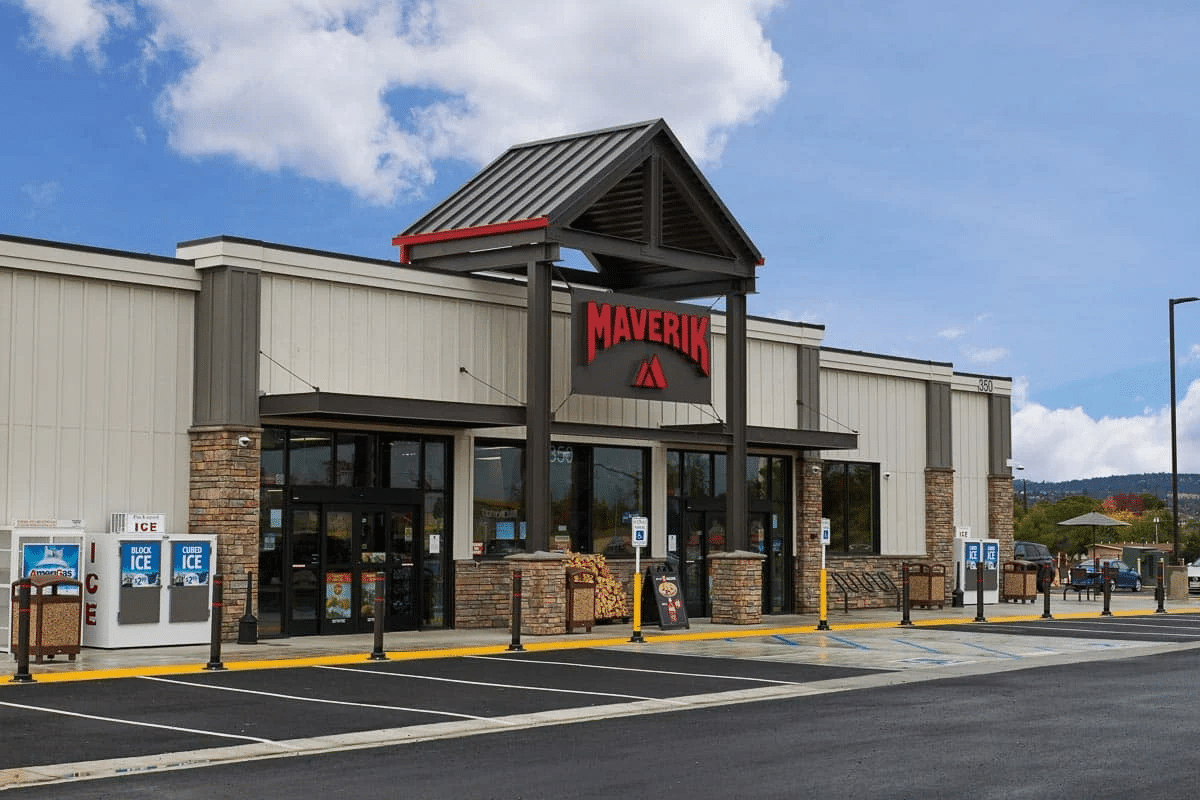
6 Gas Station Chains With Food So Good It’s Worth Driving Out Of Your Way For
We scoured the Internet to see what people had to say about gas station food. If you think the only things available are wrinkled hot dogs of indeterminate age and day-glow slushies, we’ve got great, tasty news for you. Whether it ends up being part of a regular routine or your only resource on a long car trip, we have the food info you need.
Let’s look at 6 gas stations that folks can’t get enough of and see what they have for you to eat.