A single treatment that changed how the body handles cholesterol is drawing attention after early gene-editing studies reported substantial reductions in LDL cholesterol, often called “bad” cholesterol.
In one Phase 1 study involving 15 patients, researchers reported LDL reductions of nearly 50 percent and triglyceride reductions of about 55 percent at the highest dose.
In contrast, a separate Phase 1 analysis involving about 35 participants reported up to about 62 percent mean LDL reduction at the highest dose.
The significance of the research is not that cholesterol has been solved, but that scientists are testing whether genetic medicine can create longer-lasting changes in a condition usually managed through ongoing treatment.
The treatments target specific genes involved in cholesterol regulation, including ANGPTL3 and PCSK9. They remain experimental, and researchers have not yet shown that these approaches reduce heart attacks, strokes, or cardiovascular deaths.
The Science Behind Changing Cholesterol Itself
Researchers are exploring whether editing cholesterol-related genes can create effects that last beyond a typical treatment cycle.
One approach focuses on ANGPTL3, a gene that helps regulate fats in the bloodstream. A first-in-human Phase 1 CRISPR-Cas9 study of CTX310 from CRISPR Therapeutics examined whether changing this pathway could lower cholesterol and triglycerides.
The strongest results came from the highest-dose group. The initial report involved four participants at that dose, and later reports described LDL cholesterol reduction of about 52.5 percent at one year.
A separate approach targets PCSK9, a gene involved in how the liver removes LDL cholesterol from the blood. Verve Therapeutics’ VERVE 102 uses base-editing technology, and an interim Phase 1 analysis of about 35 participants reported up to about 62 percent mean LDL reduction at the highest dose.
Although both studies involve gene-based cholesterol treatments, they are not the same therapy. One targets ANGPTL3, while the other targets PCSK9, creating different approaches toward the same broader goal of changing cholesterol biology.
Why These Early Results Captured Attention
These treatments appeal because they may change the pathway behind cholesterol rather than repeatedly treating the result.
Cholesterol care already includes established medicines such as statins, PCSK9 inhibitor drugs, and inclisiran. These treatments work in different ways, but they rely on ongoing use and continued management.
Gene editing introduces a different approach. Researchers are testing whether changing the biological instructions involved in cholesterol regulation could create a more durable effect after a single treatment.
That possibility has pushed these studies into wider discussion because cholesterol is a familiar health issue, while gene editing has traditionally been associated with more limited medical applications.
What the Cholesterol Numbers Do and Do Not Show
Early findings are measured through cholesterol changes, but they do not yet show whether patients will experience better long-term health outcomes.
Current studies are small clinical trials focused on safety and biological effects. A lower LDL measurement is an important research finding, but it is not the same as proving fewer heart attacks, strokes, or cardiovascular deaths.
Save this article
Researchers still need larger studies to understand how these treatments perform across broader patient groups. Longer follow-up will also be needed to examine how durable the effects remain and whether any safety concerns emerge over time.
The distinction matters because medical breakthroughs are judged not only by changing a laboratory number, but by improving real-world health outcomes.
Related: 8 Foods Cardiologists Warn Against for People With High Cholesterol
The Questions Surrounding Permanent Genetic Changes
The promise of gene editing comes with a different set of questions because researchers are studying treatments designed to create lasting biological changes.
Available results suggest the cholesterol-lowering effects have continued during the follow-up periods reported so far. However, the long-term durability of these effects and their safety over many years remain unconfirmed.
Researchers are continuing to study issues including possible unintended genetic changes and how these treatments perform beyond the small groups included in early trials.
The treatments also remain under investigation and are not currently replacements for approved cholesterol therapies.
A New Direction for Cholesterol Medicine
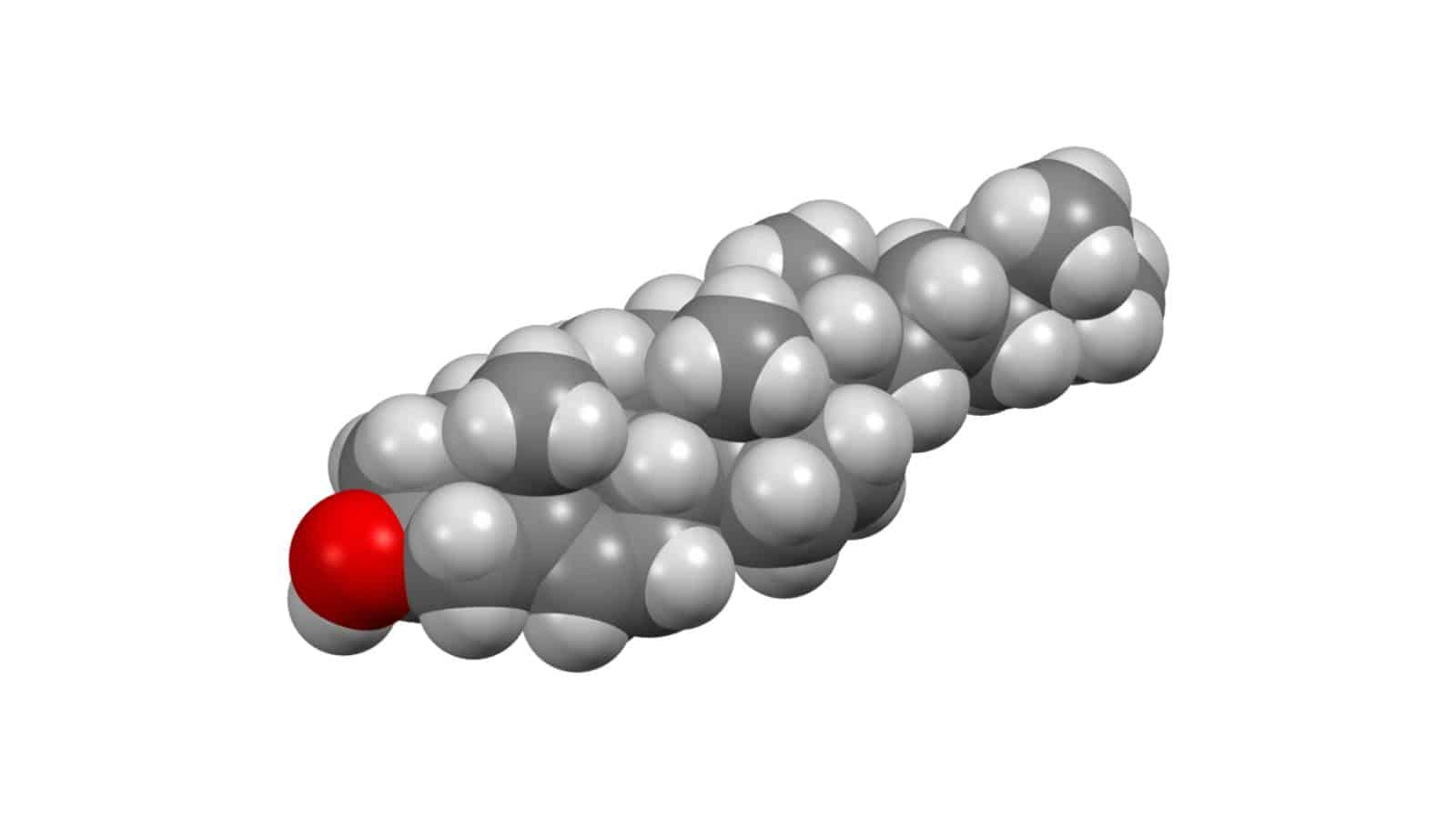
These studies reflect a broader effort in biotechnology to explore whether some health conditions can be approached by changing biology rather than only managing it.
These treatments differ from simply creating another cholesterol-lowering medication. Researchers are testing whether modifying a specific pathway could offer a new way of addressing a condition that affects many people.
Still, existing treatments remain the foundation of cholesterol care. Statins and other approved therapies have established clinical histories, while gene-editing approaches are still in early research.
The next stage will depend on larger clinical trials, longer monitoring, and evidence showing whether these treatments provide benefits beyond lowering cholesterol levels.
What Happens Next for Gene-Edited Cholesterol Treatments
The future of these therapies will be determined by evidence that extends beyond early results and into long-term patient outcomes.
Researchers will continue studying how these treatments work, how long their effects last, and whether they can offer meaningful advantages over current options.
For now, the story is less about replacing today’s cholesterol medicines and more about a new possibility being tested in medicine. Whether changing a biological pathway once could eventually become part of treating chronic health risks.
The research has opened a new chapter in cholesterol science, but larger studies, longer observation, and the answers that follow will write the next pages.
What happens when medicine moves from managing a health risk to attempting to rewrite the biology that creates it?