

One text message changed everything.
For thousands of families across eastern Washington, an ordinary summer weekend abruptly turned into a race against time. Dinner was still on the stove. Children were watching television. Dogs waited impatiently by the back door. Then cellphones buzzed with evacuation alerts, and everyday life gave way to impossible decisions.
What do you take when you don’t know if you’ll ever see your home again?
Some reached for birth certificates and passports. Others grabbed medications, pet carriers or family photo albums. One Spokane-area family left with baby books, a wedding album and their dog before flames overtook their neighborhood. Later, they learned their home was gone.
Wildfires are often remembered for the dramatic images they leave behind: towering smoke columns, helicopters skimming treetops and firefighters standing against walls of flame. Yet the Spokane Complex Fires tell another story, one that unfolds after the television cameras move on. It’s the story of families returning to altered neighborhoods, communities rediscovering one another and the quiet determination required to rebuild a life one step at a time.
According to the Washington State Department of Natural Resources, firefighters have continued strengthening containment lines while recovery efforts expand across the hardest-hit areas. Reuters reported that more than 700 structures were destroyed, approximately 64,000 people were affected by evacuation orders, and the Spokane fires became the nation’s highest firefighting priority during the height of the emergency.
The flames are beginning to fade, but for thousands of families, the hardest part of this story is only beginning.
The Things People Save Say More Than the Things They Leave Behind
When time runs short, people don’t think about price tags; they think about memories.
Emergency managers encourage families to prepare evacuation plans long before wildfire season begins. Still, no checklist can prepare someone for standing in the middle of their home with only minutes to decide what matters most. Televisions stay behind. Furniture stays behind. Boxes of clothes often stay behind too.
Instead, people instinctively reach for the things that cannot be replaced: family photographs, handwritten letters, wedding albums, prescription medication, children’s favorite toys, and beloved pets. Those choices reveal something remarkable. In ordinary life, we measure value in dollars. During an emergency, we measure it in memories.
When your home is later destroyed, those small items become the bridge between the life you had and the one you would have to rebuild. Moments like these rarely appear in official damage reports, yet they become the stories families remember for years.
Going Home Isn’t Always the Ending People Imagine
Returning home often marks the beginning of a different kind of recovery.
For many evacuees, the drive home is filled with hope. Sometimes that hope is rewarded. Other times it ends with the heartbreaking sight of blackened foundations where homes once stood.
Even residents whose houses survived face challenges that aren’t immediately obvious. Smoke damage can linger for weeks. Utilities may need to be inspected before power is restored. Trees weakened by fire can become dangerous long after the flames are extinguished.
The Washington State Department of Natural Resources’ Post-Fire Recovery Program explains that recovery extends well beyond rebuilding homes.
Burned landscapes require stabilization to reduce erosion, protect drinking water, and prevent flooding during future storms. At the same time, families begin navigating insurance claims, temporary housing, and the emotional reality of returning to neighborhoods that no longer look familiar.
Recovery doesn’t arrive with the same urgency as an evacuation order. It unfolds one difficult decision at a time.
The First People to Help Usually Aren’t the Ones on Television
Communities often begin rebuilding hope long before they rebuild houses.
While firefighters worked tirelessly to contain the flames, another response quietly took shape across Spokane. Churches opened their doors to displaced families. Local businesses donated meals. Volunteers organized clothing drives and sorted supplies late into the night. Animal shelters found space for pets whose owners suddenly had nowhere else to go.
These moments rarely become the day’s biggest headline. Yet they are often what survivors remember most.
Disasters have a remarkable way of introducing strangers who become neighbors almost overnight. A shared meal, a borrowed generator, or a spare bedroom offered without hesitation can become just as important as any official relief effort.
Save this article
Those simple acts of kindness remind communities that recovery isn’t something government agencies accomplish alone. It begins with people showing up for one another.
Spokane’s Story Reflects a Growing Reality Across the West
The Spokane fires are part of a much larger story unfolding across America.
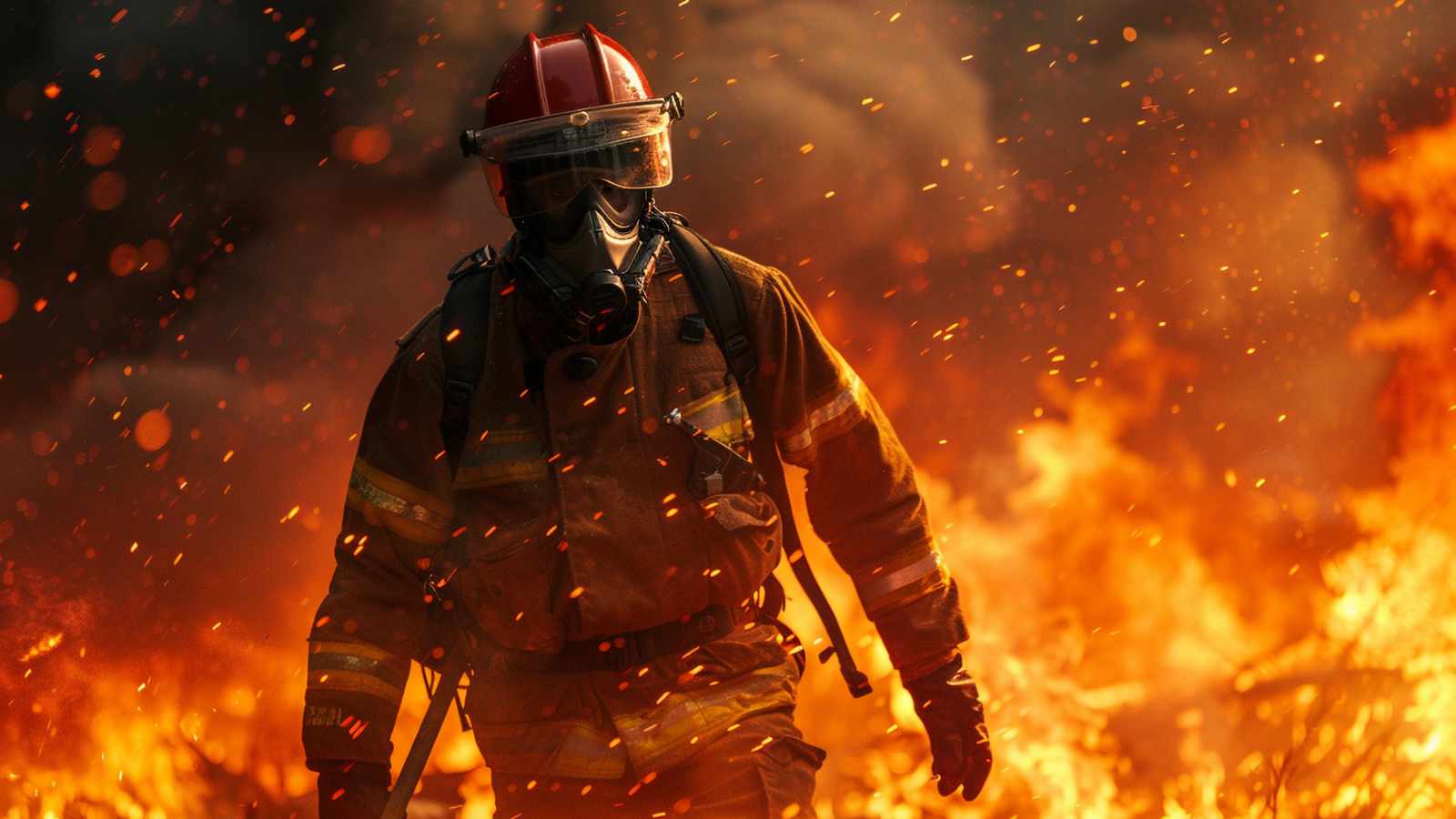
For many years, destructive wildfires seemed like tragedies confined to remote forests or isolated mountain communities. That perception has changed.
More neighborhoods are now being built where forests and residential areas meet, increasing the number of families living in wildfire-prone regions. Combined with prolonged drought, hotter summers, and dry vegetation, these conditions have made large wildfires increasingly difficult to predict and contain.
The National Interagency Fire Center continues to monitor significant wildfire activity across several western states each fire season, highlighting the growing demands placed on emergency responders and firefighting resources.
Spokane made national headlines this week. Another community could easily become tomorrow’s headline. That’s why emergency officials continue urging families everywhere, not just in Washington, to prepare evacuation plans, gather important documents, and discuss emergency procedures before they’re ever needed.
Some Things Can Be Rebuilt. Others Become Part of the Story
The most lasting effects of a wildfire are often the ones that never appear on a map.
Homes can be rebuilt. Roads can reopen. Trees eventually grow back. But some losses are impossible to calculate.
A recipe card written in a grandmother’s handwriting. A child’s growth marks penciled onto a hallway wall. The familiar comfort of driving down a street where every neighbor knows your name. These are the things that insurance policies cannot fully replace.
Even so, communities have repeatedly shown that recovery is about far more than replacing buildings. It’s about restoring routines. It’s about children returning to school, local businesses reopening and neighbors gathering once again for ordinary conversations that suddenly feel extraordinary.
Those moments don’t erase what was lost. They remind people that life continues despite it.
Long After the Smoke Clears, Spokane Will Still Be Rebuilding
Wildfires eventually end, but recovery becomes part of everyday life.
Weeks from now, firefighters will move on to the next emergency. National headlines will shift elsewhere. For Spokane families, however, the work will continue.
Insurance appointments will replace evacuation briefings. Contractors will become familiar faces. New memories will slowly begin filling the spaces left by old ones.
The Spokane Complex Fires will eventually be remembered for the acres burned and the structures lost. The people who lived through them will remember something else. They’ll remember the phone call that changed everything. The neighbor who offered a place to stay. The wedding album that fit into the back seat.
And the quiet realization that while a wildfire can change a community overnight, rebuilding it is measured not in days, but in countless small acts of resilience that continue long after the last ember fades.
If you had only a few minutes to leave your home, what would you make sure came with you and what makes that item impossible to replace?
Read More:





