

I’m allergic to eggs. Not in a fun, “oh, I just get a little rash” kind of way. I mean in a full-blown, throat-closing, can’t-breathe, might-die kind of way. It’s a real treat, let me tell you. A simple brunch invitation can turn into an interrogation about cross-contamination. I once had a chef swear (on his sweet mother’s soul) that a dish was egg-free, only to find myself using an EpiPen in the restaurant bathroom. Good times.
More than 25% of U.S. adults and nearly 20% of children now suffer from seasonal allergies, asthma, or food-related reactions—an all-time high, according to the CDC. Clearly, I have a whole battalion behind me.
So, when I hear about a group of people who seem almost immune to allergies, my ears perk up. And my jealousy rears its ugly head. It almost sounds like a joke. How do you avoid allergies? Apparently, you just have to be Amish.
What’s their secret? Is it some genetic lottery win? Nope. It turns out their near-immunity is less about DNA and more about dirt, dust, and a way of life that hasn’t changed much in centuries. The pressing question, however, remains. What can the rest of us allergy-ridden folks learn from them?
The Allergy Problem is Getting Worse
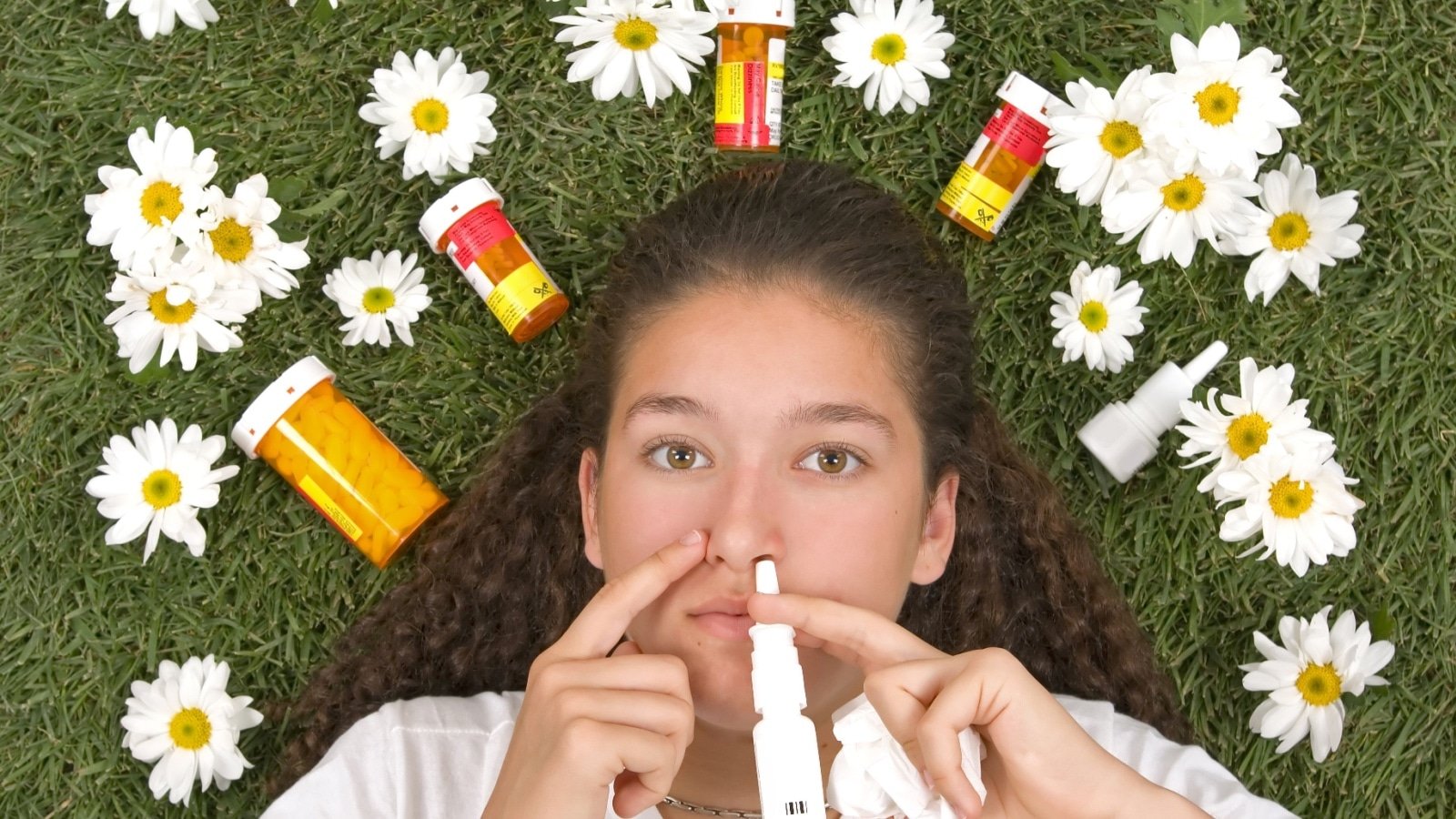
Let’s be real, it feels like everyone has an allergy these days. Peanut-free classrooms, gluten-free everything, and pollen counts that look like high scores in a video game. It’s not just in your head; the numbers back it up.
Here’s a quick rundown of America’s allergy crisis:
- More than half of all U.S. children have symptoms of either allergies or asthma.
- About 31% of Americans have at least one diagnosed allergy.
- As of 2025, 20 million Americans are dealing with food allergies, according to the AAFA (Asthma and Allergy Foundation of America).
- In 2021, over 52% of Americans reported having allergy symptoms of some kind.
And the rates just keep climbing. In 2021 alone, nearly 8% of the U.S. population had asthma, the National Institute of Health reports, and a whopping 52.3% reported having allergy symptoms. It feels like every other person you meet is either sneezing from pollen, breaking out in hives, or avoiding peanuts like the plague. So, why are the Amish dodging this bullet?
The Amish Allergy Anomaly
While the rest of us are popping antihistamines and stockpiling EpiPens, this community is living a life largely free of sniffles, rashes, and anaphylactic shock.
- Only 7% to 10% of Amish kids have allergies or asthma. That’s almost five times lower than the national average.
- When tested for allergic sensitization (the presence of IgE antibodies), only 7.2% of Amish children tested positive. For other U.S. kids, that number is between 25% and 30%.
- Amish kids are protected at rates four- to six-fold lower than other farming groups, such as the Hutterites. For example, Hutterite children are six times more likely to test positive for allergens and four times more likely to have asthma, despite sharing similar genetics and a communal lifestyle.
Carole Ober, PhD, a geneticist at the University of Chicago, confirms, “Generally, across the country, about 8 to 10 percent of kids have asthma. In the Amish kids, it’s probably 1 to 2 percent.” That’s a huge difference. So, what’s going on?
It’s the Environment, Not the Genes
For a long time, people assumed the Amish must have some kind of “super gene” protecting them (although this would have been WAAAY cooler). Scientists have compared the Amish to their relatives in Switzerland who live modern lifestyles. Same genetic background, but the Swiss cousins have far more allergies. This points to one clear answer: it’s their environment.
Immunologist Donata Vercelli, Regents Professor at The University of Arizona, notes that “early exposure to animals, barns, and farm dust seems to ‘train’ the immune system and prevent allergic reactions.” It all comes down to a concept you might have heard of.
The “Farm Effect” in Action
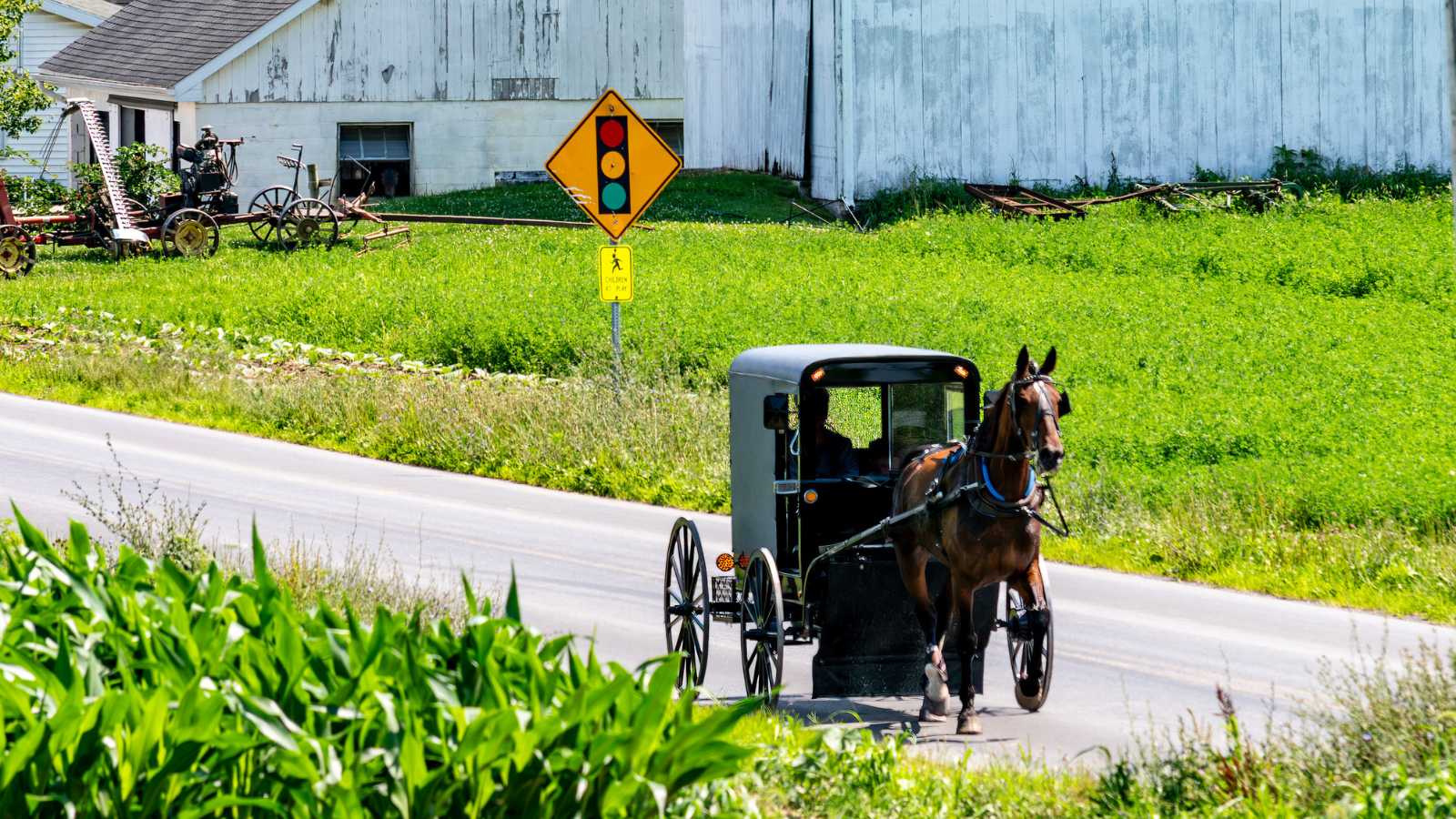
The “farm effect” or the hygiene hypothesis is the idea that growing up around livestock and a microbe-rich environment protects against allergies. The Amish are the poster children for this theory.
From birth, Amish children are surrounded by a rich world of microbes. They live in homes close to barns, play in haylofts, and are in frequent contact with farm animals. This constant exposure to a wide variety of bacteria, fungi, and dust does something amazing. It trains their immune systems.
An immune system that gets this early training learns to tell the difference between a real threat (like a virus) and something harmless (like pollen or cat dander). For those of us raised in sanitized, urban homes, our immune systems miss out on this early training.
In contrast, Amish children’s immune systems learn innate tolerance, which helps them chill out when faced with common allergens.
Don’t Forget the Raw Milk
Another interesting factor is raw milk. Many Amish families drink unpasteurized milk straight from their cows. Now, the FDA would have a field day with this, and for good reason. Raw milk can carry dangerous bacteria.
However, some studies suggest that raw milk contains microbes and fats that are destroyed during pasteurization (heating milk above 149 °F). These components may help strengthen the immune system. While no one is recommending you start drinking raw milk, it’s another piece of the Amish immunity puzzle.
The GABRIELA study, conducted across various European regions, found that children who regularly drank unpasteurized milk had much lower rates of allergic sensitization and hay fever than those who drank processed milk—even after adjusting for other farm exposures.
How Our Modern Lives Fuel Allergies
Recently, I had a conversation with a friend who grew up on a farm, and we compared our childhood environments. She mentioned how she rarely experiences allergies and credited it to her ‘barn-life.’ Meanwhile, I shared how growing up in a city has left me battling seasonal allergies in the spring (even with a HEAVY focus on cleanliness).
Save this article
Sadly, our modern lifestyle has several other factors that might be increasing our risk of allergies.
The Downside of Being Too Clean
We love our antibacterial soaps and Clorox disinfecting wipes. But our obsession with sterility might be doing more harm than good. By eliminating so many microbes from our environment, we prevent our immune systems from getting the training they need. A little dirt, it seems, might actually be good for you.
City Living and Pollution

Life in the city comes with its own set of problems. Urban pollution, filled with smog and microplastics, can mess with our respiratory immunity. The National Institute of Health warns that chronic exposure to traffic emissions, ozone, and fine particulate matter (PM2.5 and PM10) can disrupt both the development and function of the respiratory system in children.
These pollutants contribute to increased airway inflammation, oxidative stress, and immune imbalance, which in turn trigger and worsen allergic conditions such as asthma and allergic rhinitis.
And to make matters worse, cohort studies from 2025 indicate that children exposed to microplastics and phthalates before age five have a 6–8% higher risk of developing asthma compared to those not exposed.
The Great Indoors
We spend a lot of time inside, in temperature-controlled, air-conditioned spaces. This lifestyle limits our exposure to the natural world and its wide array of microbes. Kids who spend more time playing outside in the dirt are essentially giving their immune systems a free education.
Processed Foods and Our Gut

The Amish eat simple, whole foods, often grown on their own farms. The rest of us? We eat a lot of processed foods. This lack of dietary diversity can affect our gut microbiome, which plays a huge role in immune function.
Studies show these foods may provoke gut inflammation, increase histamine reactions, and trigger more frequent allergic responses and sensitivities.
The Hidden Costs of an Allergic Society
Living with allergies has real, tangible consequences for individuals and society. It reminds me of a news story that appeared on the BBC about a family whose seven-year-old daughter, Savannah, had a severe nut allergy. The mum, Sarah Bacon, had to fight with their airline just to make a pre-boarding announcement asking passengers to refrain from eating nuts. It became a whole public debate.
Children with allergies often feel isolated. They can’t always eat the same cake at a birthday party or participate in every activity. This can lead to social anxiety and even lower school attendance.
The economic burden is massive, too. Allergies cost the U.S. healthcare system billions of dollars each year in treatments, emergency room visits, and lost workdays for parents. Asthma and allergic diseases together account for nearly $25 billion in direct medical costs each year in the United States, with food allergies alone responsible for between $4.5 and $5 billion in annual expenses, including urgent interventions and hospital care.
And sometimes, the treatments themselves come with side effects. Antihistamines can cause drowsiness, and long-term use of corticosteroids has its own set of risks.
Can We Bottle the Amish Secret?
This all sounds great, but what can we do with this information? Most of us can’t just pack up and move to a farm. Can we find a way to get the benefits without the barn? Scientists are certainly trying.
Some researchers are developing farm-dust sprays and other microbe-based therapies to mimic the “farm effect.” The idea is to introduce a safe and controlled dose of beneficial microbes to young children to help train their immune systems. These trials are still ongoing, but it’s a promising area of research.
While raw milk consumption has consistently shown a link with lower allergy and asthma risk in studies, its adoption remains controversial due to genuine concerns about foodborne illness and safety raised by the FDA and public health experts.
In the meantime, pediatric allergists are also starting to encourage a more “back-to-basics” approach to childhood. This includes encouraging outdoor play, being less obsessive about cleanliness, and not being afraid of a little mud.
Finding a Healthy Balance
For most of us, living like the Amish isn’t a realistic option. Our lives are shaped by urbanization, modern food systems, and environmental policies. We can’t just move to a farm and start drinking raw milk.
But we can find a balance. Maybe we don’t need to use antibacterial soap for every hand wash. Perhaps we can spend more weekends hiking or gardening. Encouraging kids to play outside and get a little dirty can do wonders for their developing immune systems.
The Amish have shown us that our environment plays a powerful role in shaping our health. While we may not be able to avoid allergies completely, their example offers hope. One day, science might just figure out how to give everyone the benefits of the farm, no pitchfork required. 🙂
Disclaimer – This list is solely the author’s opinion based on research and publicly available information. It is not intended to be professional advice.
Like our content? Be sure to follow us.





