

A routine morning flight from South Carolina to North Carolina turned into an emergency moments after takeoff when an American Airlines Boeing 737 hit a flock of birds, causing flames to appear from the engine area and forcing the aircraft to return safely to Myrtle Beach.
American Airlines Flight 1760 had just departed Myrtle Beach International Airport on its way to Charlotte Douglas International Airport when the bird strike occurred. The Boeing 737-800 was carrying 172 passengers and nine crew members when pilots reported an engine problem shortly after takeoff.
The crew declared an emergency and turned the aircraft back toward Myrtle Beach. Passenger videos showed flames appearing beneath the left wing as the plane remained airborne before making a safe landing less than 30 minutes after departure. No passengers or crew members were injured.
Passengers Hear a Bang as Flames Appear Outside the Plane
For passengers, the incident unfolded within seconds, transforming a normal departure into a moment of uncertainty as the aircraft began showing signs of trouble.
Passenger Lorena Robles said she heard a loud bang and strong rumbling sound after takeoff, describing the noise as intense enough that she reacted immediately.
Patrick Gotwalt a passenger on the flight, recorded a video showing flames coming from the engine as the flight appeared to be flying over water.
Another witness, Lindsey Mackey, who was near the airport area, on the beach, said she heard several popping sounds and saw orange flashes coming from the left side of the aircraft.
Inside the cabin, passengers watched as the crew handled the situation while the aircraft returned toward the airport. Several travelers later praised the pilots for remaining calm throughout the emergency.
What Caused the Emergency?
The problem began when the aircraft encountered birds shortly after takeoff, sending debris into the engine and creating the appearance of flames.
Another pilot who witnessed the event told air traffic controllers that the aircraft appeared to have taken birds into the left engine. Airport workers later found a significant amount of bird remains on the runway, supporting the bird strike explanation.
American Airlines said the aircraft returned because of a maintenance issue following the incident. The plane was removed from service for inspection, and an initial review found no indication of an internal engine fire.
The FAA is investigating the incident, while bird remains recovered from the scene are being analyzed to determine the species involved.
Why Bird Strikes Are Taken Seriously in Aviation
A bird strike may last only a moment, but at takeoff speed, even a brief collision can create serious risks for an aircraft.
Save this article
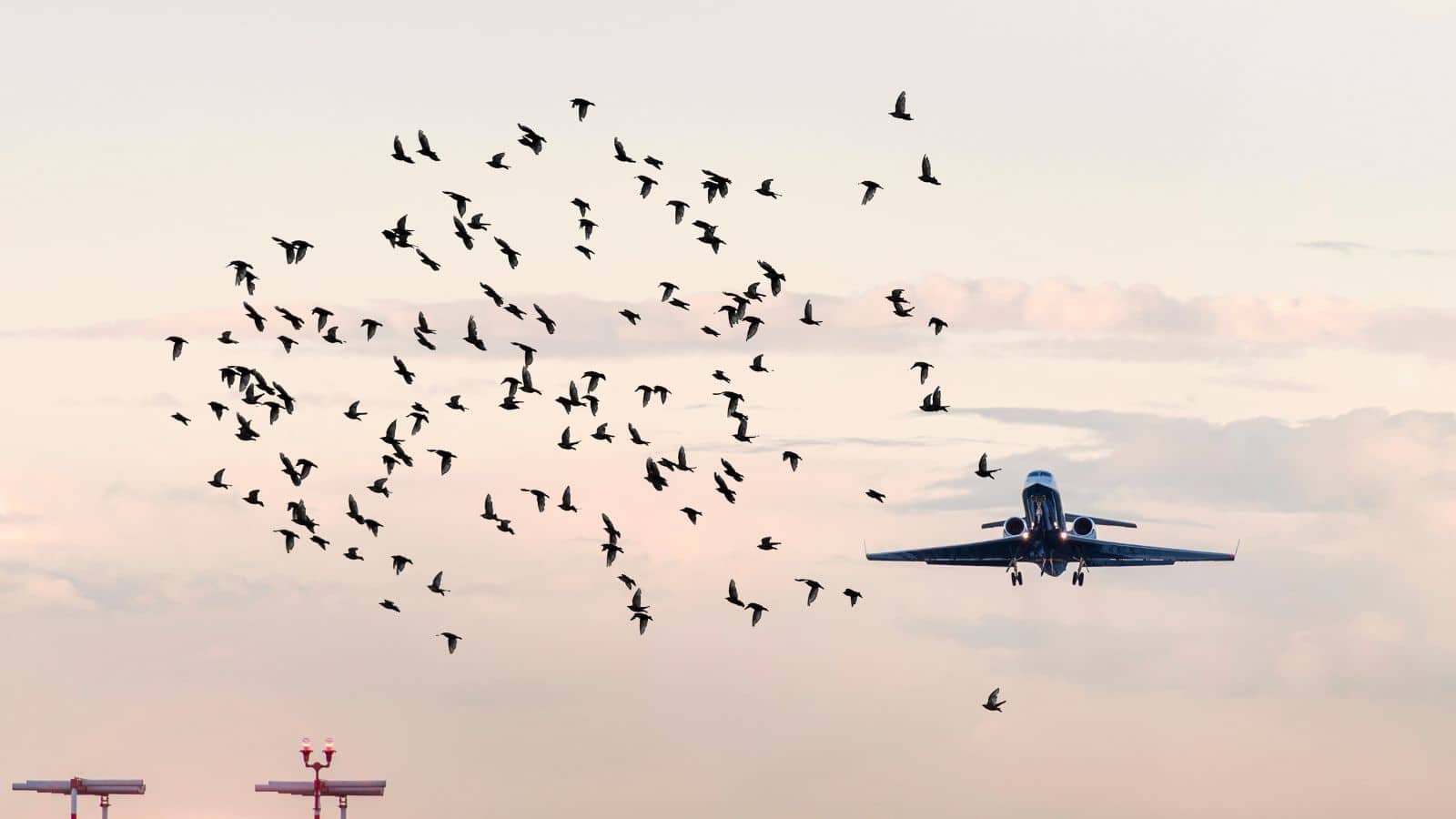
Bird strikes occur when aircraft collide with birds, often near airports where wildlife activity is common. The danger is greater during takeoff because engines are operating at maximum power and aircraft are close to the ground.
Most bird strikes do not lead to major consequences, but larger birds or groups of birds can damage engines, windshields, or other aircraft components.
Airports use wildlife management programs to reduce these risks, but completely preventing bird encounters remains difficult.
The Airport Response After the Emergency Landing
Once the aircraft touched down, the focus shifted from the flight itself to securing the scene, checking the runway and making sure the problem did not affect other departing aircraft.
Emergency crews met the Boeing 737 after it returned to Myrtle Beach, while airport personnel inspected the aircraft and the surrounding area for signs of damage. The airport’s response team also checked for bird remains and other evidence that could help determine exactly what happened during takeoff.
The incident also highlighted the challenge airports face in managing wildlife near active runways. Even with safety procedures in place, birds can suddenly enter flight paths with little warning, especially during busy departure periods when aircraft are closest to the ground.
A Scary Flight Ends Safely
What looked alarming from the ground and in passenger videos ended with the outcome airlines train for: a controlled response, a safe landing and no injuries.
After landing, passengers were moved onto another aircraft so they could continue their journey to Charlotte. The damaged Boeing 737 remained under inspection as investigators worked to understand the exact circumstances of the bird strike.
The incident served as another reminder that aviation safety often depends on how crews respond when unexpected problems happen in the air.
Have you ever experienced a frightening moment while flying, and how much confidence do you have in airline crews during unexpected emergencies?





