

Even in an age of satellites and real-time tracking, aircraft carrying hundreds of people still vanish without a trace, leaving behind some of aviation’s most baffling mysteries.
Airplanes disappear far less often than movies suggest. Aviation ranks among the safest forms of transportation, with modern accident rates dropping dramatically over the past few decades.
Still, now and then, a plane vanishes in a way that leaves investigators scratching their heads.
I’ve always found these stories fascinating. Aviation uses radar, satellites, and global tracking systems. Yet some aircraft still disappear without a clear trace. How does something as large as a plane simply vanish?
Let’s talk about 13 famous missing planes that remain unfound. Each case reminds us that even in an age of technology, the world still holds a few stubborn mysteries.
Malaysia Airlines Flight MH370
Few aviation mysteries spark as much debate as Malaysia Airlines Flight MH370. The Boeing 777 disappeared on March 8, 2014, while flying from Kuala Lumpur to Beijing with 239 people on board.
Investigators quickly noticed strange details. The aircraft deviated from its flight path and lost communication with air traffic control. Military radar later showed the plane turning west across the Malay Peninsula before vanishing from radar coverage.
Search teams launched the largest aviation search effort in history, covering huge sections of the Indian Ocean. Despite years of investigation and over $150 million in search costs, authorities found only scattered debris.
Investigators still debate what happened. Some theories involve pilot action, mechanical failure, or hijacking. None fully explains the disappearance.
Ever wonder how a modern jet with advanced tracking systems could vanish so completely? That question keeps aviation experts awake at night.
Amelia Earhart’s Lockheed Electra
The disappearance of Amelia Earhart remains one of aviation’s most famous mysteries. Earhart attempted a round-the-world flight in 1937 with navigator Fred Noonan aboard a Lockheed Electra.
The pair left Lae, Papua New Guinea, heading toward Howland Island in the Pacific Ocean. Radio transmissions suggested they struggled to locate the tiny island. Then the signals stopped.
Search teams launched an enormous naval and aerial search operation. Despite covering 250,000 square miles, investigators never found the aircraft.
Popular theories include:
- Crash and sink near Howland Island
- Emergency landing on a remote Pacific island
- Capture by Japanese forces (largely dismissed by historians)
Most aviation historians support the crash-and-sink theory, which suggests Earhart ran out of fuel while searching for Howland Island. Still, people continue searching. Something about Earhart’s story refuses to fade.
Flying Tiger Line Flight 739
Flying Tiger Line Flight 739 vanished over the Pacific Ocean in 1962, carrying 107 people, including 93 U.S. soldiers.
The Lockheed Super Constellation flew from Guam to the Philippines during a military transport mission. Air traffic controllers lost contact roughly halfway through the flight.
Search teams deployed ships and aircraft across 200,000 square miles of ocean. Investigators found no wreckage, debris, or oil slicks. Witnesses aboard a nearby tanker reported seeing a bright flash in the sky, fueling speculation of an explosion.
Possible explanations include:
- Mid-air explosion
- Structural failure
- Collision with another aircraft
Investigators never confirmed any theory. The plane disappeared completely, leaving families with unanswered questions.
Star Dust (BSAA Avro Lancastrian)
The British aircraft Star Dust disappeared in 1947while flying from Buenos Aires to Santiago, Chile. The Avro Lancastrian transmitted a mysterious Morse code message shortly before vanishing. The message repeated the word “STENDEC” several times.
Radio operators couldn’t decipher the meaning. For decades, the aircraft remained missing. In 1998, climbers in the Andes Mountains discovered wreckage buried inside a glacier.
Investigators concluded that Star Dust crashed into Mount Tupungato, and the glacier slowly concealed the wreckage for decades. This case technically solved the crash location, but the STENDEC message remains unexplained.
Ever heard a mystery with a randomly coded word at the end? Yeah, that detail keeps the legend alive.
Glenn Miller’s UC-64 Norseman
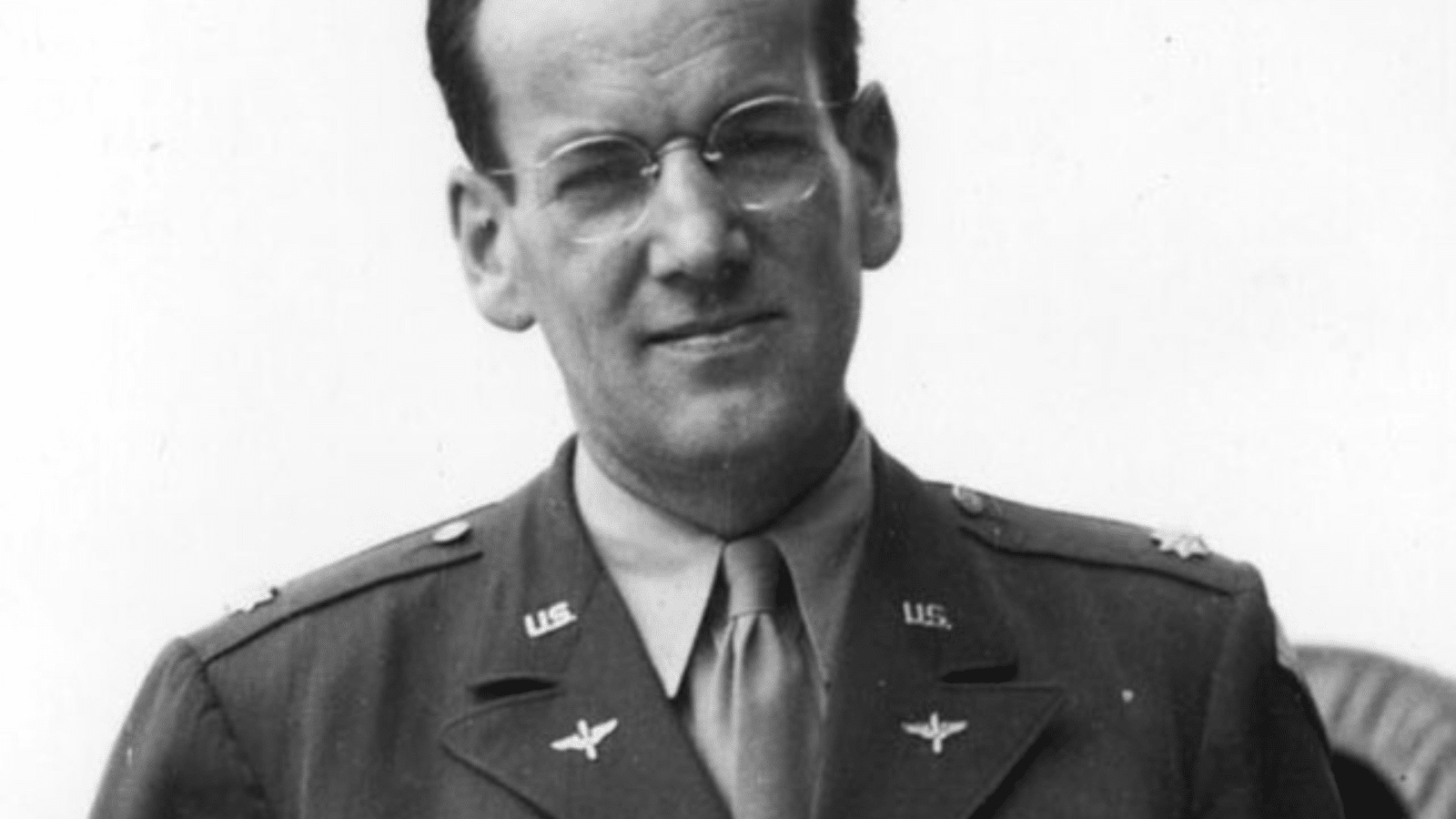
Famous bandleader Glenn Miller disappeared during World War II while traveling from England to Paris in 1944. Miller boarded a small UC-64 Norseman aircraft that never reached its destination.
Researchers proposed several theories:
- Ice accumulation on the aircraft
- Friendly fire from Allied bombers dumping unused bombs
- Mechanical failure over the English Channel
Investigators never located the plane’s wreckage. Miller’s music defined the swing era, so his disappearance shocked fans worldwide.
The lack of clear answers about his final flight continues to fascinate historians and aviation enthusiasts, ensuring that the mystery surrounding Glenn Miller’s disappearance remains a topic of speculation more than eighty years later.
British South American Airways Flight 19
In 1947, BSAA Flight 19, also called the “Star Tiger,” disappeared while flying from the Azores to Bermuda. The aircraft transmitted routine updates before suddenly vanishing. Investigators searched the Atlantic Ocean extensively.
They never found wreckage. Some researchers blame severe weather and low-altitude navigation errors. Others speculate about mechanical problems.
The mystery became even more intriguing when another aircraft from the same airline, BSAA Star Ariel, vanished the following year in 1949 under similarly unexplained circumstances.
With two aircraft from the same airline disappearing without a trace in such a short time, speculation grew among investigators and aviation enthusiasts alike.
Even decades later, the fate of the Star Tiger remains unknown, making it one of the most enduring unsolved cases in aviation history.
British South American Airways Flight 20
One year after Star Tiger vanished, another aircraft from the same airline disappeared.
BSAA Flight 20, known as Star Ariel, vanished in 1949 during a flight from Bermuda to Jamaica.
Save this article
Unlike many aviation accidents, the crew never transmitted a distress call or emergency message. The last communication indicated that the flight was proceeding smoothly under clear weather conditions.
Search crews combed thousands of square miles of ocean but found nothing. Investigators struggled to determine whether weather, sabotage, or mechanical issues caused the loss.
Two similar disappearances in such a short period created enormous speculation.
Air France Flight 447 (Before Wreckage Discovery)
For two years, Air France Flight 447 remained one of aviation’s biggest mysteries.
The Airbus A330 disappeared in 2009 during a flight from Rio de Janeiro to Paris. Initial searches failed to locate the wreckage.
Investigators eventually found the aircraft at the bottom of the Atlantic Ocean in 2011. Before that discovery, aviation experts debated numerous theories.
The final investigation revealed that faulty airspeed sensors and pilot response contributed to the crash.
Even though investigators eventually located the wreckage, the plane remained missing long enough to demonstrate how difficult ocean searches can become.
Varig Flight 967 Cargo Plane
In 1979, Varig Flight 967, a Boeing 707 cargo aircraft, disappeared while flying from Tokyo to Rio de Janeiro. The plane carried valuable cargo, including 53 paintings by artist Manabu Mabe.
Controllers lost contact about 30 minutes after takeoff. Search crews found no debris. The aircraft vanished somewhere over the Pacific Ocean.
Some investigators speculate about hijacking or mechanical failure, but no evidence supports any theory. The valuable cargo adds another layer of mystery.
1948 Northwest Airlines Flight 4422
Northwest Airlines Flight 4422 vanished in 1948 while flying from Shanghai to Alaska.
The Douglas DC-4 carried 30 people. Investigators searched vast areas of Alaska for decades but found nothing.
In 1999, climbers discovered wreckage on Mount Sanford in Alaska. Even with this discovery, investigators still struggle to determine exactly what caused the crash.
Harsh weather, navigational challenges, or mechanical problems are all considered possible factors, but the precise chain of events remains uncertain.
The case stands as another reminder of how remote terrain can hide aviation accidents for generations before clues finally emerge.
Uruguayan Air Force Flight 571 Companion Aircraft Mystery
People often remember the 1972 Andes survival story, where passengers survived a crash for 72 days. However, few people know that another aircraft involved in the search disappeared temporarily during the rescue operation.
Harsh terrain and poor weather created enormous challenges for search teams. This situation highlights the dangers of mountain aviation.
When you combine steep terrain, unpredictable weather, and navigation challenges, the result can create perfect conditions for aviation mysteries.
The Andes disaster and the difficulties faced by the search teams remain a powerful reminder of how unforgiving mountain environments can be for aircraft and rescue crews alike.
1950 B-36 Bomber “Broken Arrow” Incident
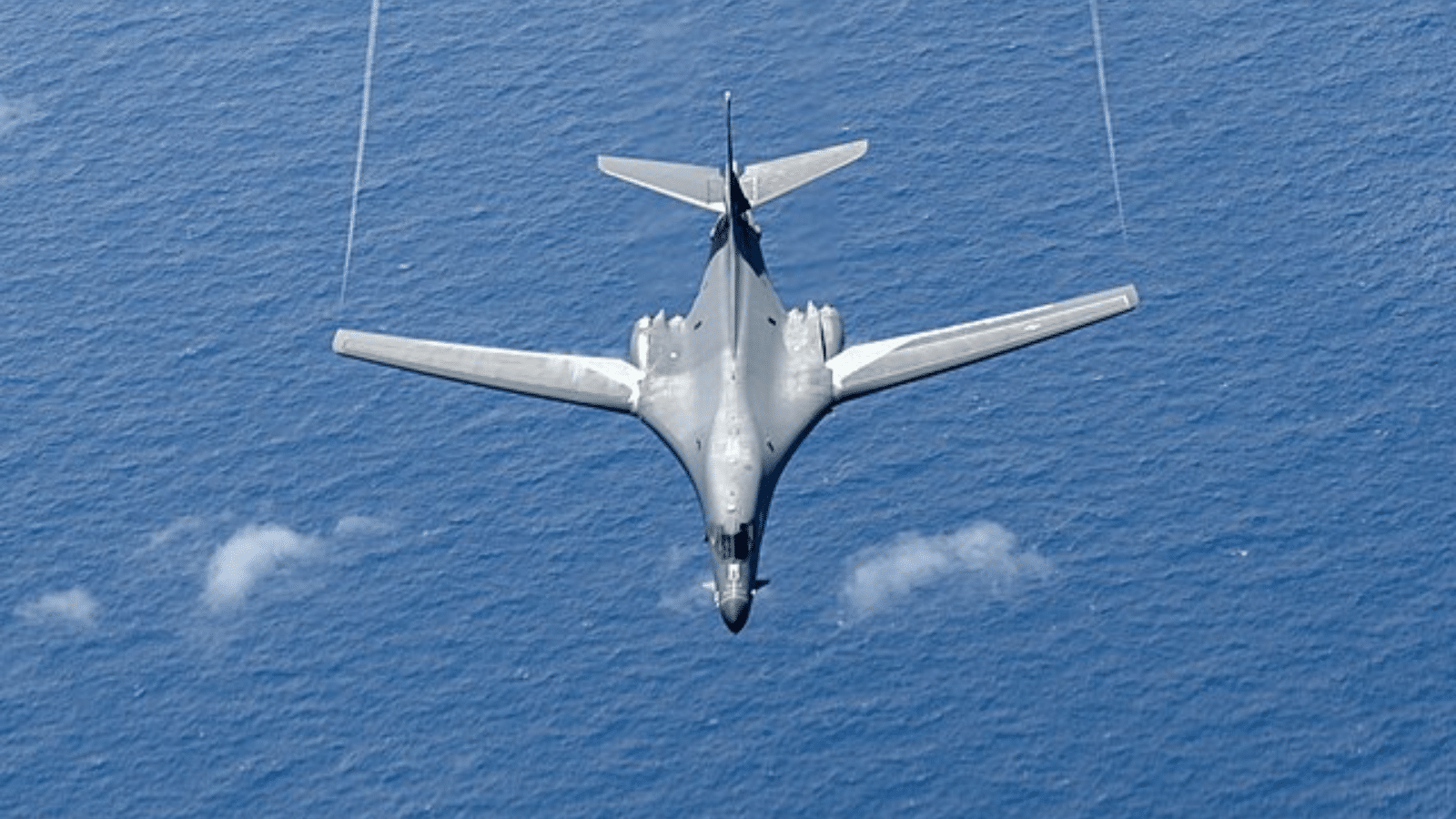
In 1950, a U.S. Air Force B-36 bomber experienced engine problems over the Pacific Ocean. The crew jettisoned a Mark 4 nuclear bomb during the emergency.
Fortunately, the weapon contained no nuclear core. The crew bailed out safely, but investigators never located the bomber’s wreckage.
The missing aircraft has remained a historical curiosity ever since, illustrating both the risks of early nuclear-era military operations and the immense difficulty of locating aircraft lost over remote ocean areas.
Even today, the exact resting place of the B-36 bomber remains unknown, leaving the event as one of the more unusual and mysterious aviation episodes of the mid-20th century.
2003 Angolan Boeing 727 Theft Mystery
One of the strangest aviation disappearances occurred in 2003, when a Boeing 727 vanished from Angola. Two men boarded the aircraft and taxied it without clearance.
The plane took off and disappeared from radar.
Authorities suspect theft, but investigators never located the aircraft. The mystery still baffles aviation experts.
The 2003 Angola Boeing 727 disappearance remains one of the strangest cases in modern aviation history, an event that combines mystery, audacity, and the seemingly impossible.
It’s a stark reminder that sometimes real life can be stranger than fiction, and that the skies still hold secrets that even modern technology struggles to solve.
Final thoughts on famous missing planes that remain unfound
Aviation technology improves every year. Modern aircraft continuously transmit location data, and satellites track flights across oceans. Still, these 13 famous missing planes that remain unfound remind us that mysteries persist.
Oceans cover over 70% of Earth’s surface, and vast mountain ranges hide wreckage for decades. Even sophisticated search efforts sometimes come up empty.
Personally, I think aviation mysteries capture our imagination because they mix science with unanswered questions. We expect technology to solve everything.
Sometimes, though, the world keeps its secrets.
More articles:
- 10 Insanely Fast Trains That Make Air Travel Look Slow
- 10 travel scams targeting tourists
- 13 Common Airport Scams That Travelers Still Encounter
Disclosure: This article was developed with the assistance of AI and was subsequently reviewed, revised, and approved by our editorial team.
Like our content? Follow us on Newsbreak.
Checking Into Rest: Why Sleep Tourism Is the Travel Trend Everyone’s Talking About

Sleep has become the hottest new travel currency, as a $400-billion wave of “sleep tourism” turns rest itself into the ultimate luxury experience.
Imagine checking into a hotel where your main activity isn’t sightseeing, fine dining, or snapping selfies—but sleeping. Welcome to the growing world of sleep tourism, where travelers are booking trips designed entirely around getting a good night’s rest. From luxurious “bedtime concierges” to soundproofed suites, melatonin mocktails, and lavender-scented turndown service, rest has become the new luxury. Learn more.





