

Avocados often land on lists of the healthiest foods, praised for their healthy fats, fiber, and versatility. Nutrient-dense foods can still pose challenges when the kidneys struggle to regulate minerals, and avocados sit right at that intersection of benefit and caution.
According to the US Department of Agriculture, one medium avocado contains roughly 700 milligrams of potassium, a mineral that people with chronic kidney disease are often advised to limit. This does not automatically make avocados unsafe, but it does mean portion size, kidney function, and individual medical advice matter far more than the food’s health halo.
What Makes Avocados Kidney-Interesting
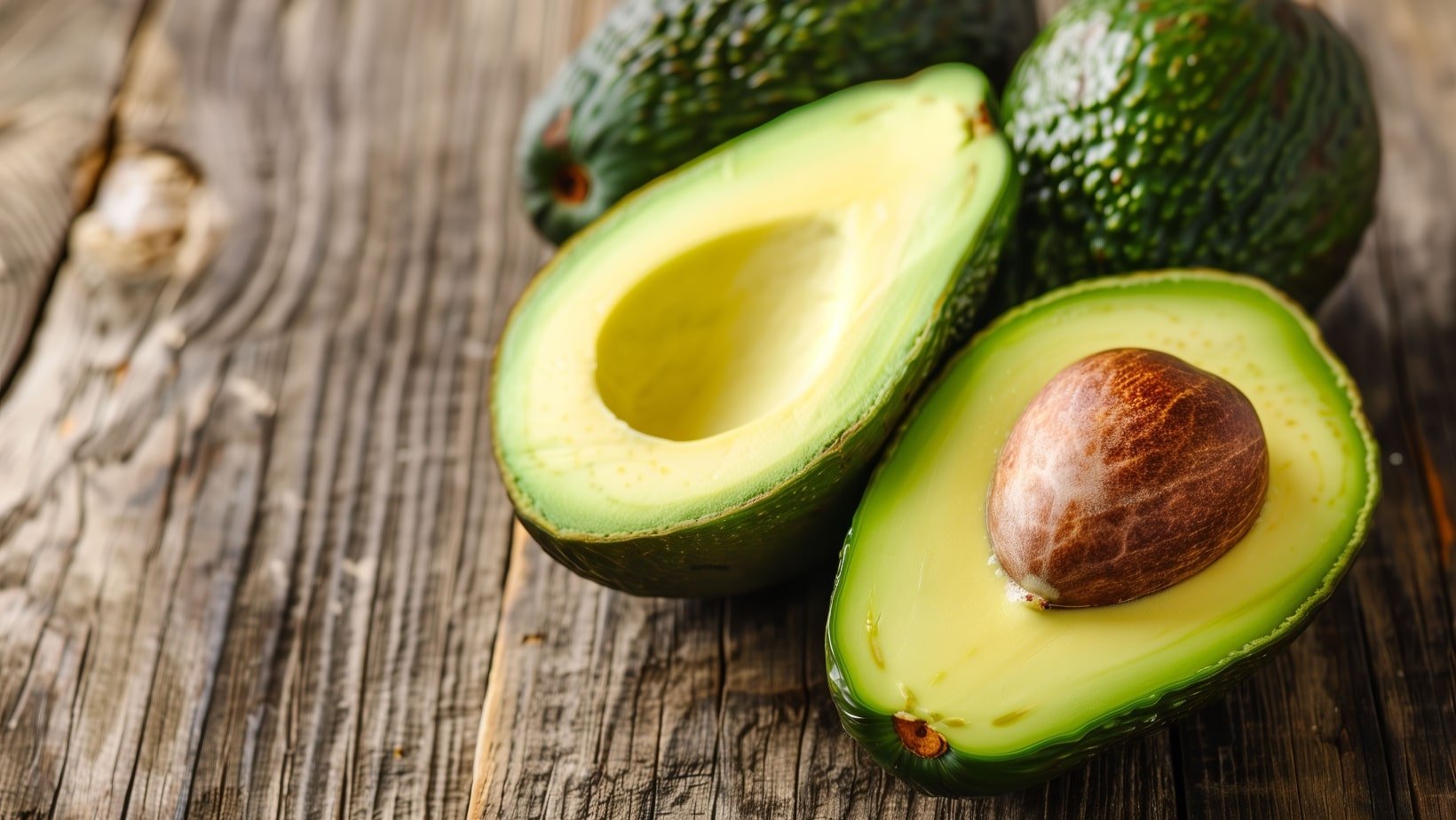
Avocados are unusually rich in monounsaturated fats, fiber, folate, and antioxidant compounds, while remaining naturally low in sodium and phosphorus. These qualities matter because excess sodium and phosphorus accelerate kidney damage. Reviews in the Clinical Journal of the American Society of Nephrology also link them to cardiovascular disease.
Potassium is the complicating factor. Data from the National Library of Medicine show that half an avocado provides roughly 345 to 350 milligrams of potassium. A whole fruit can range from about 700 to nearly 1,000 milligrams, depending on size. In kidney diet education, avocado is placed firmly in the high-potassium category.
Potassium In Early CKD And Healthy Kidneys
In people without kidney failure, potassium is more ally than threat. Large observational studies summarized in Kidney International and Hypertension link higher potassium intake from fruits and vegetables to lower blood pressure. They also associate it with reduced cardiovascular events and slower progression of early chronic kidney disease.
These benefits matter because heart disease remains the leading cause of death in CKD. Diets rich in plant foods consistently show protective effects, and potassium is often a marker of those patterns rather than an isolated nutrient. In early-stage CKD, potassium restriction is usually unnecessary unless blood levels are elevated.
When Potassium Becomes Dangerous
As kidney disease advances, the physiology changes. Damaged kidneys may struggle to excrete potassium, allowing blood potassium levels to rise. Hyperkalemia can disrupt heart rhythm and, in severe cases, become life-threatening.
A 2023 review in Nutrients notes that potassium-rich diets offer cardiovascular and renal benefits. It also cautions that they are not recommended for patients with advanced CKD or end-stage kidney disease unless carefully monitored.
Importantly, the authors highlight that serum potassium does not always correlate directly with dietary intake. This suggests that blanket bans on high-potassium foods may unnecessarily strip diets of plant-based benefits.
How Kidney Organizations Talk About Avocados

The National Kidney Foundation takes a measured stance. It lists avocados as high in potassium but low in sodium and phosphorus. It also emphasizes working with a kidney dietitian to determine how to safely include them based on laboratory results and disease stage.
Save this article
Their guidance notes that people with early CKD or a kidney transplant often do not require potassium restriction at all. Even patients on hemodialysis may be able to include higher-potassium foods like avocado in small, planned portions, rather than avoiding them entirely.
Practical Renal-Diet Messaging
Modern renal handouts increasingly favor negotiation over prohibition. Avocado is often grouped with bananas, oranges, and potatoes as foods that may need to be limited when potassium levels are high. Portion strategies are emphasized, such as choosing one-quarter of a fruit instead of a whole one.
Hospitals and kidney charities teach that high-potassium foods are not permanently off-limits. They are adjusted according to lab trends, medications like potassium binders, and the broader dietary pattern. The goal is balance, not deprivation.
The Numbers That Shape Decisions
For general adult diets, a single avocado can provide roughly 15 to 20 percent of the daily potassium value. For people with CKD or on dialysis, potassium prescriptions are often set around 2,000 milligrams per day or less, according to clinical nutrition guidelines.
In that context, one large avocado could supply nearly half of the daily allowance. This math explains why portion size matters more than moral judgment. It is not the avocado itself, but the dose and frequency, that determine risk.
From Fear Of Fruit To Plant-Forward Renal Diets
Recent nephrology literature challenges the long-standing fear of fruits and vegetables in CKD. Reviews in the National Library of Medicine argue that unprocessed plant-forward diets may offer net kidney benefits, even when they contain moderate potassium.
Several mechanisms support this shift. Potassium from plant foods appears less bioavailable, with about 50 to 60 percent absorbed compared with roughly 80 percent from animal-based diets. Plant-rich patterns also reduce dietary acid load and inflammation, both of which are linked to slower kidney decline.
Reframing Avocado’s Role

The National Kidney Foundation suggests that potassium-rich whole foods like avocado may be safer for many CKD patients than previously believed. This is especially true when they replace ultra-processed foods high in sodium, phosphorus additives, and hidden potassium salts. This reframes avocado not as a villain but as a food that requires personalization.
For people with healthy kidneys or early CKD, avocado fits comfortably into a kidney-supportive lifestyle. For people with advanced disease or on dialysis, avocado becomes an occasional, small portion, often about one-quarter of a fruit if labs allow, and paired with lower-potassium meals. As nephrology dietitians often say, potassium is both friend and foe, and avocado is its most eloquent example.
Disclaimer – This list is solely the author’s opinion based on research and publicly available information. It is not intended to be professional advice.
Like our content? Be sure to follow us





