

It’s strange to think that one of America’s most patriotic symbols once stood for everything Benjamin Franklin disliked.
Picture the bald eagle soaring; it’s a majestic symbol of American freedom. But what if one of the most important Founding Fathers thought it was a total fraud? It’s one of America’s most charming founding myths: Benjamin Franklin, dismayed by the choice of the bald eagle, supposedly campaigned for the wild turkey instead. He just couldn’t stand the eagle.
But hold your gravy, because the story is a bit more complicated than that. Franklin never actually proposed the turkey in Congress; the Continental Congress had already picked the eagle. The whole juicy story comes from a private letter he wrote to his daughter, Sarah, in 1784. It was a classic “dad rant,” and folks, he did not hold back.
A Bird Of Bad Moral Character
Franklin’s main beef with the eagle wasn’t its looks, but its lousy personality. He felt the bird just didn’t represent the new, virtuous American republic. In his letter, he flat-out called the eagle “a Bird of bad moral Character.“ He argued that the eagle’s lifestyle was essentially one of theft and violence, not precisely the ideals on which the young nation was founded.
Imagine trying to build a nation on the principles of hard work and honesty. Then, you pick a mascot that’s famous for stealing its dinner rather than catching it. Franklin saw this as a terrible PR move before PR was even a thing. He wanted a symbol that reflected industriousness, not a creature that looked powerful but was actually a “rank coward.”
The Eagle Is A Bully And A Thief
Franklin pointed out that the eagle was a notorious thief, a behavior scientists now call “kleptoparasitism.” He watched eagles harass smaller birds, like ospreys, until they dropped their hard-earned catch. The eagle then swoops in and snags the stolen meal. It’s the avian equivalent of a schoolyard bully stealing your money every single day.
This wasn’t just Franklin being grumpy; he was observing a fundamental biological trait. National Geographic reports that stolen food can comprise a significant portion of a bald eagle’s diet. The bird just waits for another predator, like an osprey, to do all the work. Franklin found this behavior absolutely “unjust,” and certainly not representative of America.
He Is Too Lazy To Fish For Himself
When the eagle wasn’t busy mugging other birds, Franklin griped that it was a common scavenger. He noted the eagle could be found “perched on some dead tree” simply waiting for carrion. He didn’t like that the national symbol was “too lazy to fish for himself.” He preferred fresh-caught, not roadside leftovers.
Again, old Ben was spot on. While fish are their preferred food, often making up 60-90% of their meals, eagles are highly opportunistic. They absolutely will eat carrion (dead animals) or scavenge from garbage dumps. For Franklin, a symbol that hangs out at the dump waiting for a handout was a poor choice for a nation built on self-reliance.
A Symbol Of Cowardice, Not Courage
This was perhaps Franklin’s most stinging insult: he called the eagle a coward. He wrote that the eagle is “generally poor and often very lousy.” He even claimed that small “King Birds,” no bigger than a sparrow, could attack the eagle and drive it away. He found it humiliating that the “tyrant of the air” could be bullied by a tiny songbird.
We think of the eagle as a fierce predator, and they are. A bald eagle can reach diving speeds of 100 miles per hour when stooping for prey. But Franklin’s observation about the King Bird is also accurate. Smaller birds, fiercely protecting their nests, will “mob” eagles, and the large bird often retreats to avoid the hassle. To Ben, this was not courageous.
The Turkey Is A “True Original Native”
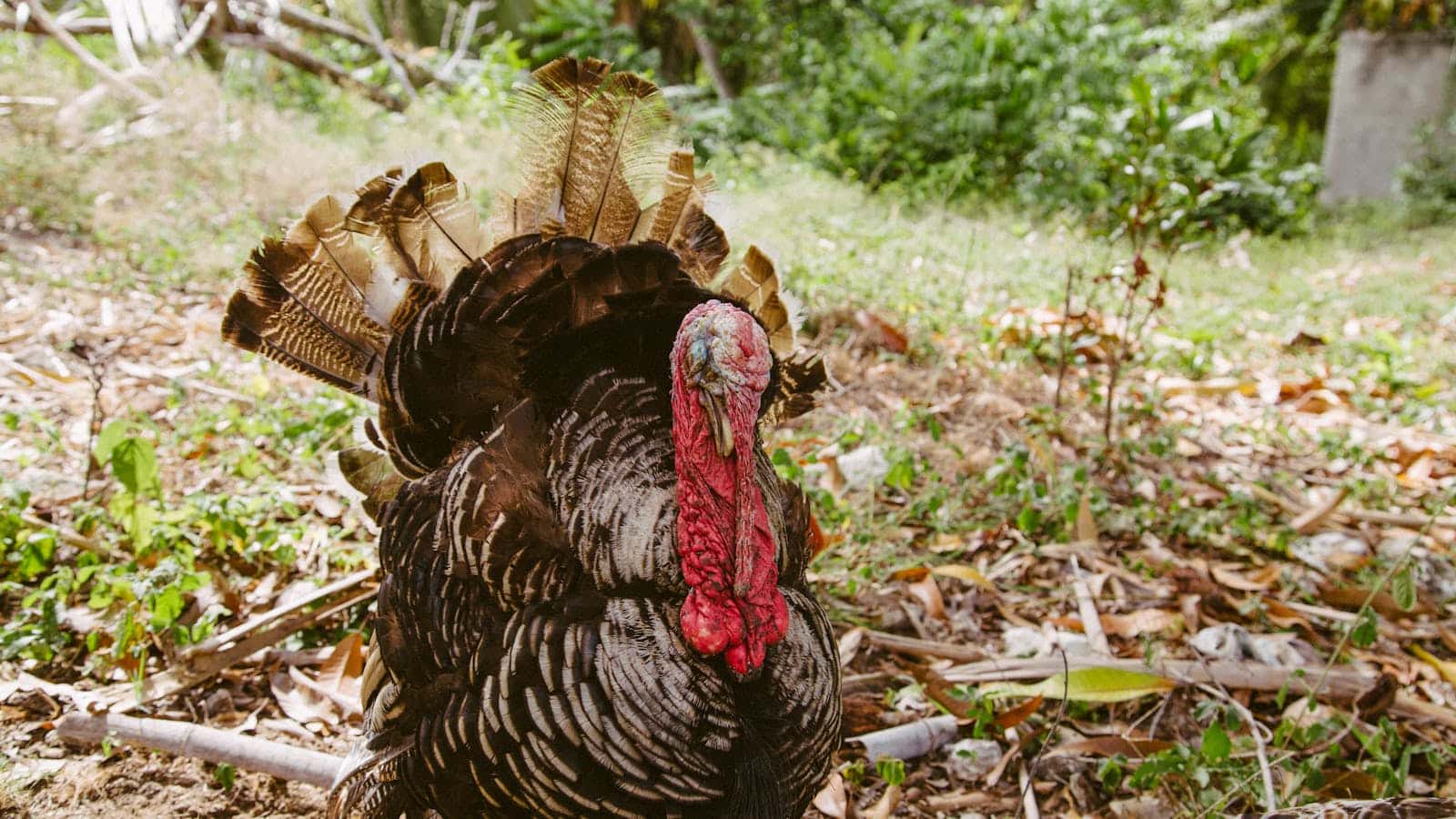
So, if the eagle was so bad, why the turkey? For Franklin, the turkey was everything the eagle wasn’t. He praised the turkey as a “much more respectable Bird.” He affectionately called it a “true original native of America,” a bird that was purely a product of the New World, unlike the bald eagle, which has relatives all over the globe.
The turkey was, in his eyes, a purely American bird. Sadly, that American originality almost led to its downfall. By the early 1900s, wild turkey populations had crashed to an estimated low of 30,000. It was a far cry from the abundant birds Franklin knew, but it was a truly symbolic representation of the American wilderness he admired.
A Bird Of Courage
Franklin also argued the turkey was “a Bird of Courage.” He wrote that a turkey “would not hesitate to attack a Grenadier of the British Guards” who dared to invade his farm yard. This was a clever jab, comparing the turkey’s bravery to the new nation standing up to the British. He saw the turkey as humble, yes, but also tough and protective.
This image of a scrappy, courageous bird resonated with Franklin. He clearly preferred this “silly” looking bird’s grit over the eagle’s “lazy” majesty. Thankfully, the turkey’s story has a happy ending. Conservation efforts have been so successful that nearly 7 million wild turkeys now roam North America. Franklin would surely be proud of that comeback story.
A Case Of Mistaken Identity
What actually got Franklin so riled up in the first place? It wasn’t the Great Seal of the United States, which had been adopted in 1782. It was the seal of the Society of the Cincinnati, an exclusive club for former officers of the Revolutionary War. Franklin was in Paris when he saw the design, and he thought it was a mess.
He complained that the eagle on the seal looked more like a turkey. He joked, “I am on this account not displeased, that the Figure is not known as a Bald Eagle, but looks more like a Turkey.” This off-the-cuff remark sparked the entire myth. He was mostly just making fun of a poorly drawn emblem, not making a serious political proposal.
What Franklin Really Wanted
Let’s be clear: Franklin was never on a soapbox in Philadelphia demanding a turkey on the flag. He was venting his frustrations in a private letter to his daughter. He was an old man by this point, known for his sharp wit, and he was likely just having some fun at the eagle’s expense while making a deeper point.
He knew the eagle was already chosen and wasn’t trying to change it. But he used the comparison to make a sharp point about the character of the new nation. He wanted America to be more like the industrious, brave turkey and less like the thieving, lazy eagle. It was a moral lesson disguised as bird-watching.
Final Note
In the end, the eagle stayed, and the turkey became the star of Thanksgiving. But the story endures because it’s so perfectly Franklin. It’s funny, it’s grumpy, and it has a clever moral hidden inside. It reminds us that even the Founding Fathers could disagree, and that our national symbols were, and still are, open to some debate.
Save this article
More articles:
- Why Migratory Birds Are in Trouble and How You Can Help
- 9 animals that can stand their ground against lions
- 9 wild U.S. Animals you can’t touch, no matter what
The 10 Most Expensive Wildlife Mistakes People Make in the U.S.

Wildlife can be awe-inspiring. It can also be incredibly costly if you don’t know what you’re doing. People make pricey mistakes with wild animals every day, whether it’s feeding a bear from your car window or trying to raise a raccoon like it’s a kitten.
Some of these missteps drain your bank account. Others get you slapped with serious fines or hospital bills. A few even put entire species or local ecosystems at risk. If you’re not careful, that photo op or animal rescue attempt might cost you a whole lot more than expected. Learn more.
12 dog breeds that are adorable, chaotic, and exhausting to own

That adorable puppy on your feed may also come with nonstop energy, shredded furniture, and a sleep schedule that no longer belongs to you.
Some dog breeds are undeniably charming, but charm and manageability are not always the same thing. High-energy and highly intelligent breeds often require far more time, structure, training, and stimulation than new owners expect. Learn more.
Why Jackals Are Key To Understanding Ecosystem Shifts
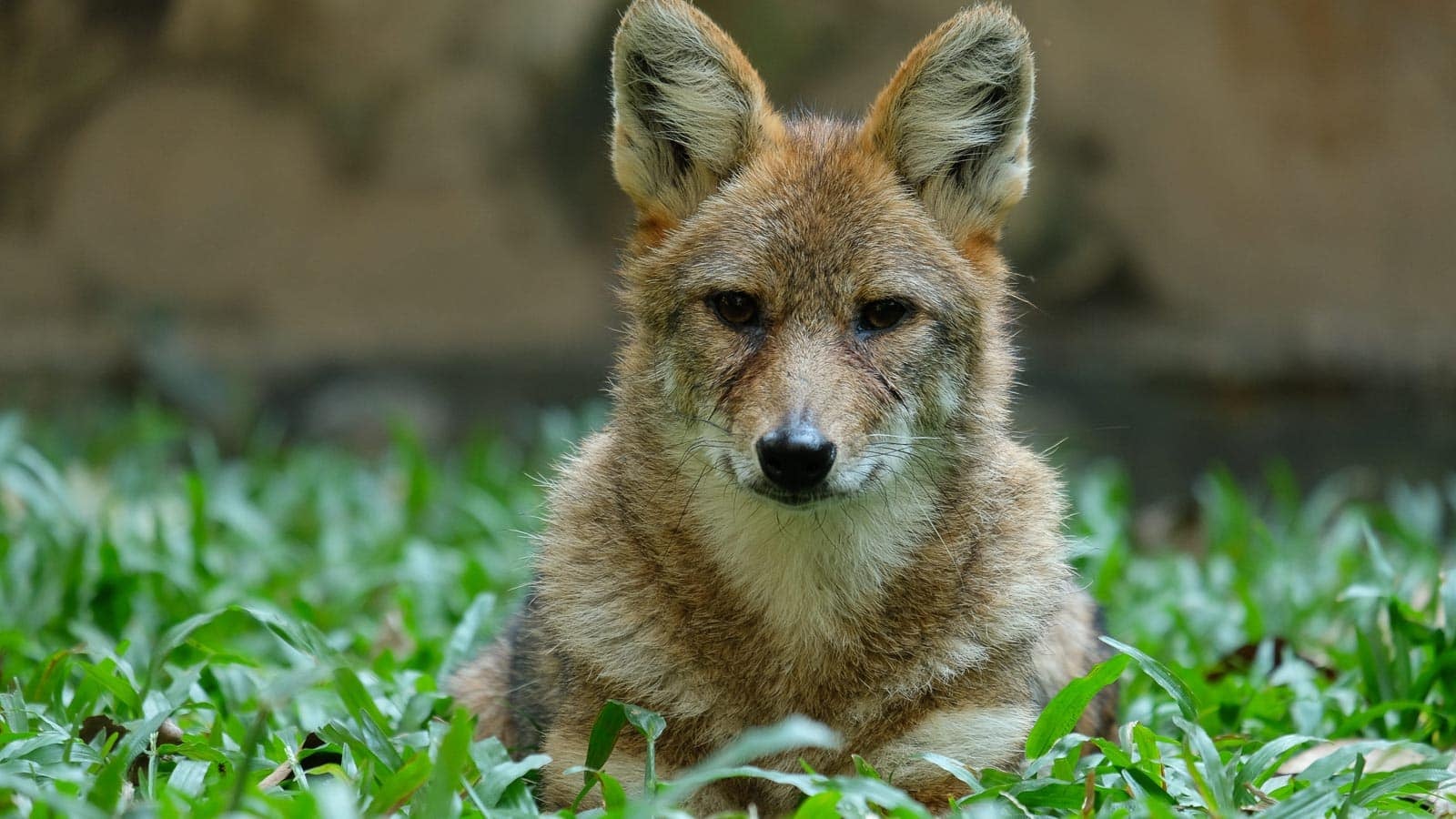
In a time when wildlife conversations focus on rarity, jackals stand out as a case study in resilience, adaptability, and shifting ecosystems.
Every April 19, World Jackal Day invites people to take a fresh look at an animal that has spent centuries in the shadow of bigger, better-known predators. Jackals may not be the most famous members of the dog family, but they are among the most adaptable. Found across Africa, Asia, and parts of Europe, they thrive in a wide range of habitats and survive by making smart use of whatever food and shelter the landscape provides. Learn more.





