

The average American consumes 17 teaspoons of added sugar daily—that’s double what health experts recommend. Behind this staggering statistic lies a heated debate between two dominant sweeteners: cane sugar and high-fructose corn syrup (HFCS).
Food manufacturers have sparked countless arguments over which sweetener deserves a spot on our grocery shelves, and consumers find themselves caught in the crossfire of conflicting health claims.
Understanding these two sweeteners becomes essential as food labels increasingly highlight “added sugars” and health-conscious shoppers demand transparency. This comprehensive breakdown will equip you with the knowledge to make informed decisions about the sweeteners in your pantry.
Source and production methods define each sweetener
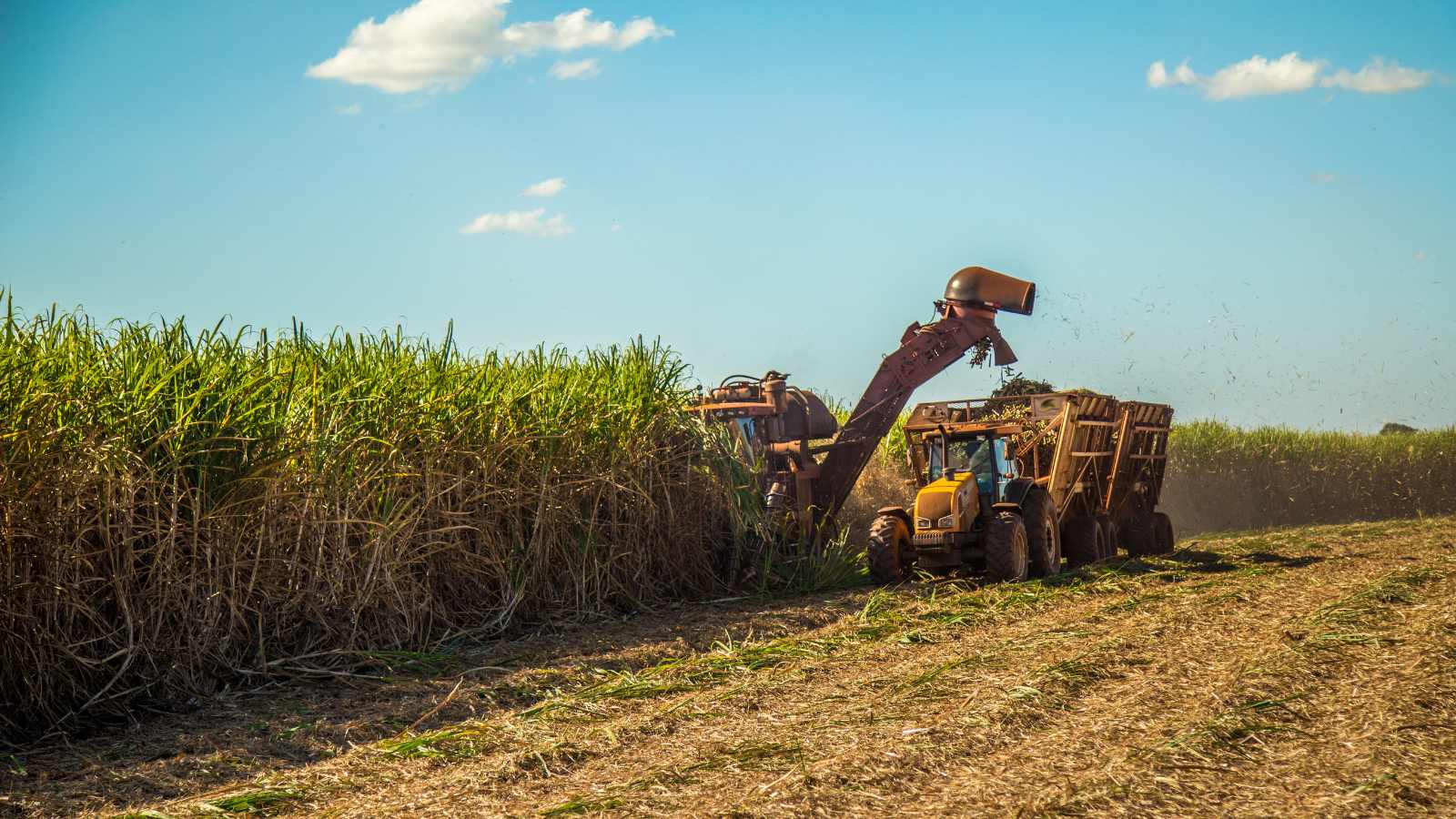
Cane sugar originates from sugarcane plants grown in warm climates across Brazil, India, China, and Thailand. Farmers harvest these grass plants, extract their juice, then concentrate and crystallize the liquid into pure sucrose crystals.
The process involves multiple stages of heating, filtering, and refining to achieve the familiar white granules. The entire production cycle takes approximately 12-18 months from planting to final processing.
High-fructose corn syrup begins its journey as corn starch derived from field corn grown primarily in the American Midwest. Processing plants use enzymes to break down the starch molecules, converting them into glucose syrup. This industrial process requires sophisticated chemical engineering and temperature-controlled environments to achieve consistent fructose-to-glucose ratios.
Chemical composition creates distinct metabolic pathways
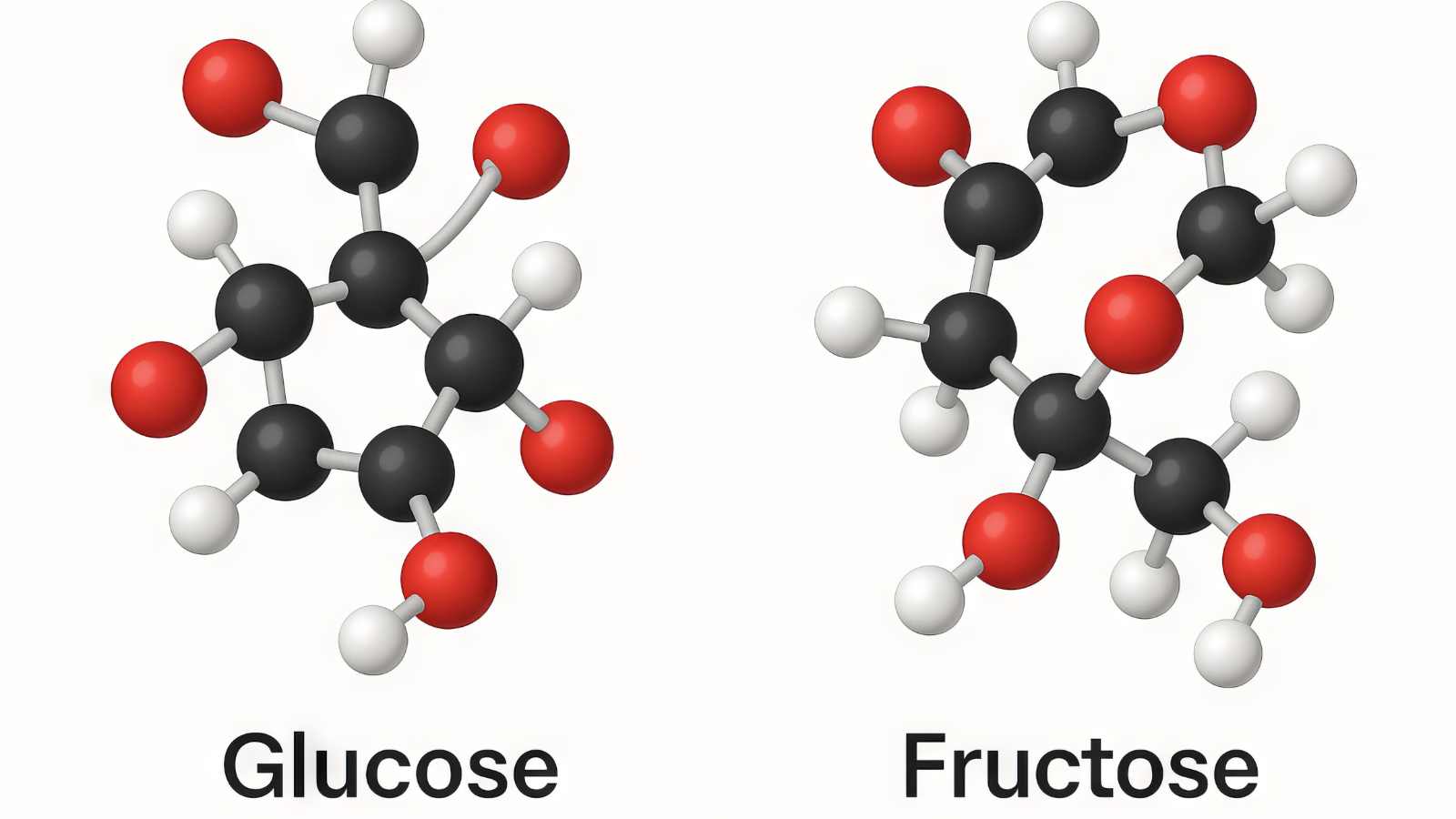
Cane sugar consists entirely of sucrose, a disaccharide molecule containing exactly 50% glucose and 50% fructose bonded together. Your digestive system breaks this bond during digestion, releasing equal amounts of both simple sugars into your bloodstream.
Food scientists consider sucrose the gold standard for sweetener composition due to its uniform chemical makeup. This balanced ratio has remained unchanged throughout thousands of years of human sugar consumption.
High-fructose corn syrup contains varying ratios of unbound glucose and fructose molecules suspended in liquid form. HFCS-42 delivers 42% fructose and 58% glucose, commonly used in baked goods and processed foods. HFCS-55 provides 55% fructose and 45% glucose, predominantly found in soft drinks and beverages.
These different compositions allow food manufacturers to customize sweetness levels and functional properties for specific products.
Taste profiles influence consumer preferences

Cane sugar delivers clean, balanced sweetness that enhances flavors without overwhelming the palate. Professional taste panels consistently describe cane sugar’s flavor profile as “pure” and “neutral,” allowing other ingredients to shine through. Baking enthusiasts prefer cane sugar because it caramelizes predictably, creating desirable browning and flavor development in cookies, cakes, and pastries.
High-fructose corn syrup produces more intense sweetness due to its higher fructose content, particularly in cold applications like soft drinks. The liquid form integrates seamlessly into beverages, eliminating the need for complete dissolution like granulated sugar requires.
Some consumers detect a slight metallic aftertaste in products containing HFCS, though taste sensitivity varies significantly among individuals.
Caloric content remains virtually identical
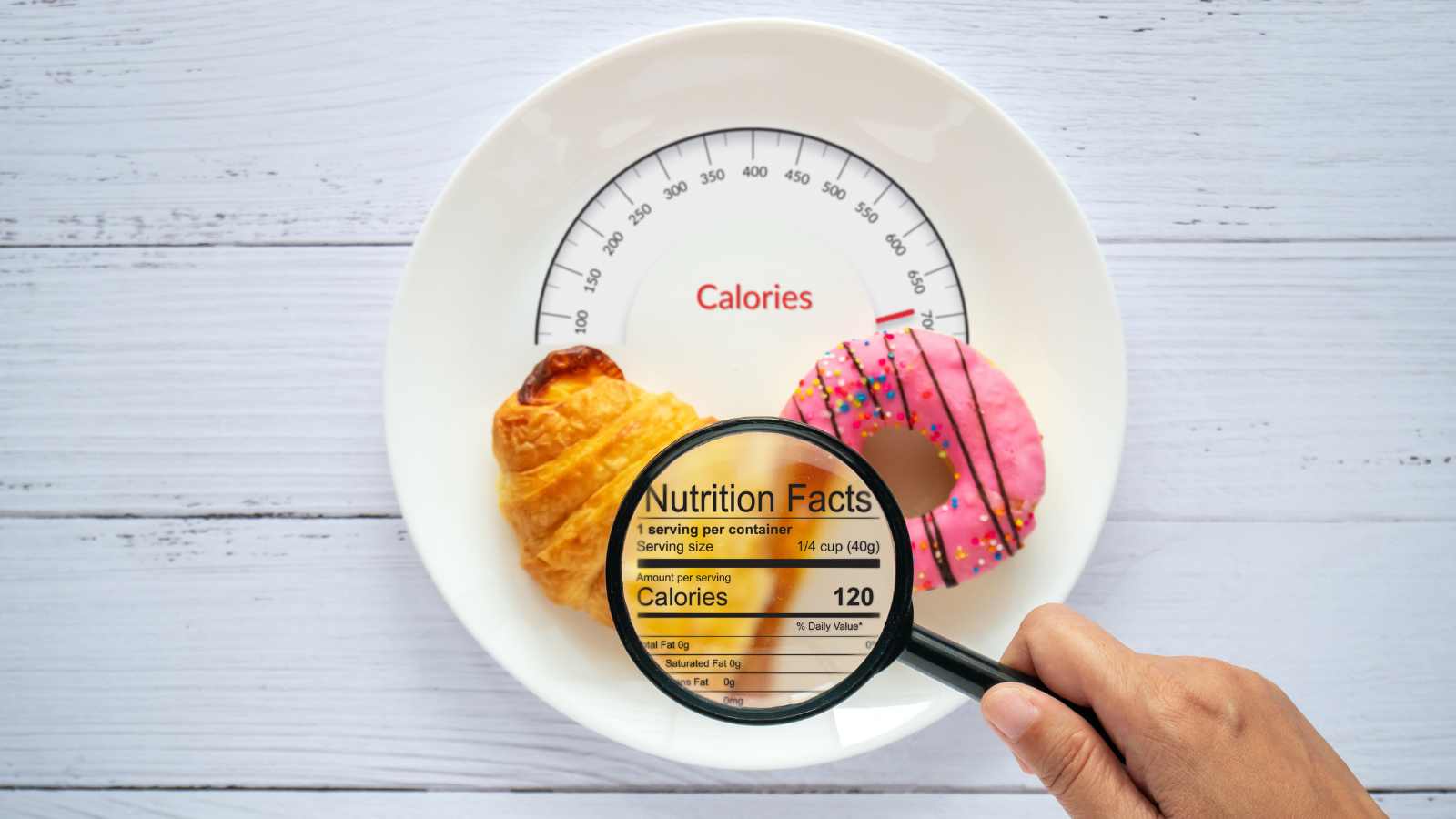
Both cane sugar and high-fructose corn syrup provide approximately four calories per gram, making them nutritionally equivalent from an energy standpoint. A teaspoon of either sweetener contributes roughly 16 calories to your daily intake, with no significant difference in energy density. The FDA requires identical nutritional labeling for both sweeteners, listing them as “added sugars” on food labels.
The liquid form of HFCS contains approximately 76% solids and 24% water, slightly reducing its caloric density compared to pure crystalline sugar. However, food manufacturers adjust HFCS quantities to achieve equivalent sweetness levels, negating any potential caloric advantages.
Blood sugar impact shows subtle differences

Cane sugar causes rapid blood glucose elevation due to its glucose component entering the bloodstream immediately after digestion. Cane sugar’s glycemic index is rated at 65, indicating a moderate impact on blood sugar levels. Diabetic patients experience predictable glucose spikes approximately 30 minutes after consuming cane sugar-containing foods. The balanced glucose-to-fructose ratio in cane sugar provides consistent insulin response patterns.
High-fructose corn syrup produces similar immediate blood glucose elevation, but its higher fructose content creates additional metabolic complexity. Fructose bypasses normal glucose regulation pathways, going directly to the liver for processing. The unbound fructose molecules enter circulation faster than the fructose released from sucrose breakdown. However, these differences become negligible in typical dietary contexts rather than laboratory settings.
Metabolic processing reveals distinct pathways
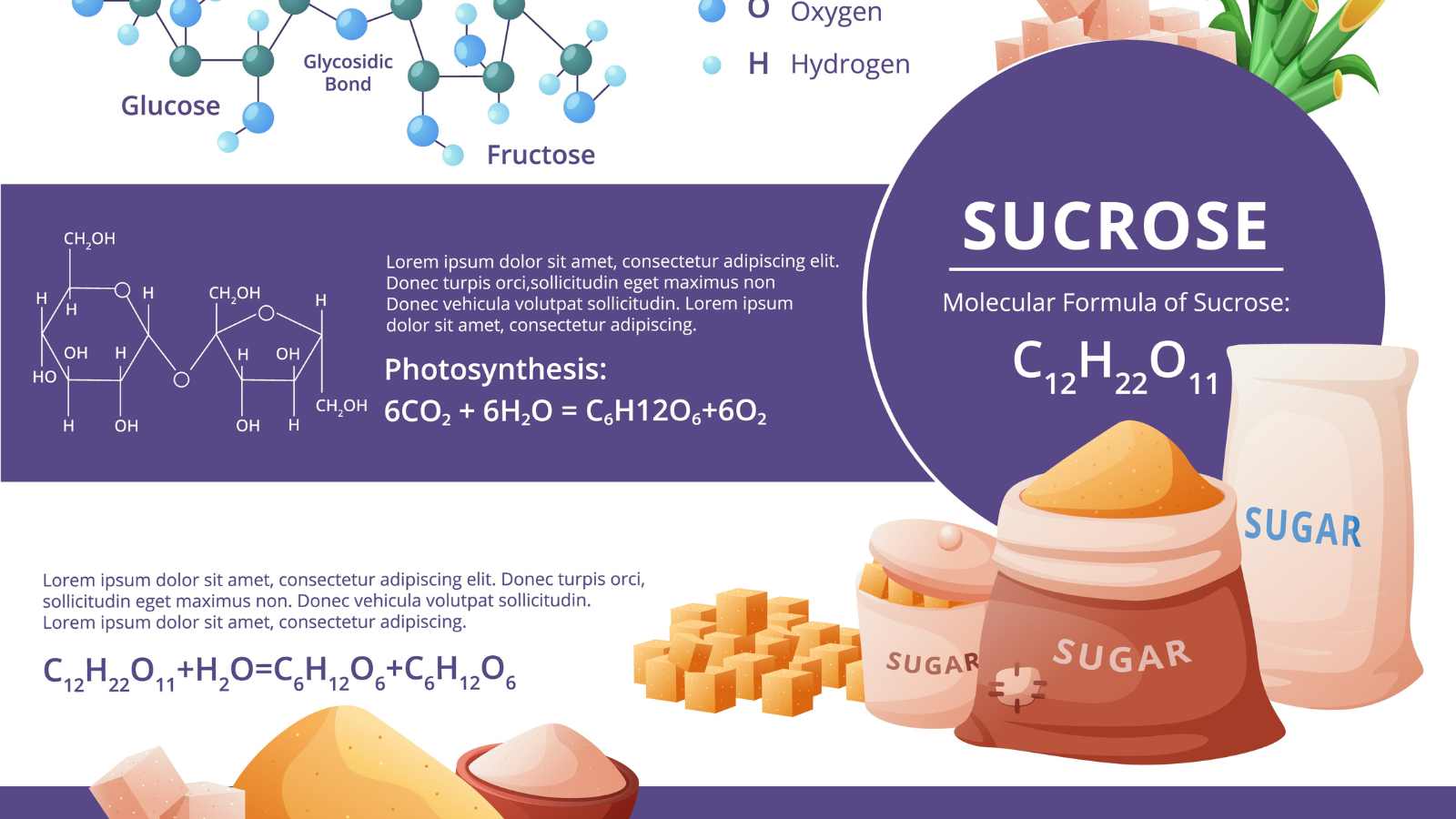
Cane sugar metabolism begins in the small intestine, where enzymes split sucrose molecules into individual glucose and fructose units. The glucose travels directly to cells throughout your body for immediate energy or storage as glycogen. Fructose follows a more complex route, requiring liver processing before entering general circulation. This two-stage process moderates the metabolic impact compared to consuming pure fructose.
High-fructose corn syrup metabolism starts immediately upon consumption since the fructose exists in unbound form. The liver receives a concentrated fructose load, potentially overwhelming its processing capacity during high consumption periods. Dr. Robert Lustig’s research at UC San Francisco suggests that excessive fructose intake triggers lipogenesis, converting excess fructose directly into fatty acids.
Shelf life and processing advantages shape food industry choices

High-fructose corn syrup extends product shelf life significantly due to its hygroscopic properties and antimicrobial effects. The liquid form resists crystallization, preventing texture changes that plague sugar-containing products during storage.
Food manufacturers report 20-40% longer shelf life for products containing HFCS compared to cane sugar alternatives. The syrup’s ability to retain moisture keeps baked goods softer for extended periods.
Cane sugar’s crystalline structure attracts moisture from the environment, potentially causing clumping, texture changes, and reduced product quality over time. Baked goods containing cane sugar may develop firmer textures as moisture migrates between ingredients. However, many consumers prefer the textural qualities that cane sugar provides in fresh-baked goods and confections.
Environmental impact extends beyond simple agriculture

Save this article
Cane sugar production affects approximately 26 million hectares of farmland worldwide, primarily in tropical and subtropical regions. Brazil leads global production, converting 10 million hectares of land for sugarcane cultivation. Water usage ranges from 1,500 to 3,000 liters per kilogram of refined sugar, depending on climate conditions and irrigation methods. The International Sugar Organization reports that modern cane processing facilities achieve 95% energy self-sufficiency through bagasse burning.
Corn syrup production utilizes approximately 4 million hectares of American farmland, concentrated in the Corn Belt states of Iowa, Illinois, Nebraska, and Minnesota. Industrial corn farming consumes 5.6 billion pounds of synthetic fertilizers annually, contributing to nitrogen runoff and Gulf of Mexico dead zones. The Environmental Protection Agency estimates that 40% of corn crops receive glyphosate herbicide treatments, raising concerns about chemical residues and environmental persistence.
Cost factors drive food industry decisions

High-fructose corn syrup costs approximately 20-30% less than cane sugar in the United States due to corn subsidies and import tariffs on sugar. The American Sugar Alliance maintains import quotas that artificially inflate domestic sugar prices, making HFCS economically attractive for large food manufacturers. The price differential has remained consistent since the 1980s, when major beverage brands first switched sweeteners.
Global sugar prices fluctuate based on weather conditions in major producing regions, creating supply chain uncertainty for food manufacturers. According to a report commissioned by the American Sugar Alliance, U.S. domestic sugar prices have historically averaged 64% higher than world market prices, largely due to tariff-rate quotas (TRQs) and other protective measures.
Food application patterns reflect industry preferences

Cane sugar dominates in premium baked goods, artisanal confections, and international food products where traditional recipes and consumer expectations favor crystalline sweeteners. Specialty coffee shops use cane sugar almost exclusively due to its superior dissolution properties and neutral flavor profile. The home baking market remains heavily dependent on cane sugar, with retail sales exceeding 6 billion pounds annually in the United States.
According to a chapter in Beverage Impacts on Health and Nutrition published by Springer, approximately 70% of HFCS production is used in beverages. The beverage industry consumes nearly 50% of all HFCS production, with major brands using HFCS-55 for carbonated soft drinks and HFCS-42 for fruit drinks and energy beverages. Processed food manufacturers prefer HFCS for products requiring extended shelf life and consistent sweetness across varying storage conditions.
Dental health consequences show no meaningful differences

Both cane sugar and high-fructose corn syrup feed harmful bacteria in your mouth, producing acids that erode tooth enamel and promote cavity formation. The American Dental Association identifies all added sugars as primary contributors to dental caries, regardless of their chemical composition or source. Oral bacteria metabolize glucose and fructose equally efficiently, creating identical acidic environments that damage teeth.
The liquid form of HFCS in soft drinks creates prolonged contact with tooth surfaces, potentially increasing cavity risk compared to crystalline sugar that dissolves quickly. Fluoride treatments and proper oral hygiene provide equal protection against both sweeteners’ harmful effects.
Health risk associations target total added sugar intake

The American Heart Association’s research links excessive added sugar consumption to increased rates of obesity, type 2 diabetes, cardiovascular disease, and metabolic syndrome, regardless of sweetener source. Population studies tracking health outcomes find similar disease patterns among high consumers of cane sugar versus HFCS.
A comprehensive meta-analysis published in BMJ examined 73 studies involving over 8 million participants, concluding that total added sugar intake drives health risks rather than specific sweetener types.
The World Health Organization recommends limiting all added sugars to less than 10% of total daily calories, making no distinction between cane sugar and HFCS. Public health campaigns increasingly focus on reducing overall sugar consumption rather than promoting sweetener substitution.
Genetic modification status influences consumer choices

Cane sugar derives from traditional sugarcane varieties developed through conventional breeding methods over thousands of years. The International Sugar Organization confirms that commercial sugarcane remains non-GMO, though some research programs explore genetically modified varieties for improved disease resistance and yield. Consumer surveys indicate that 60% of shoppers prefer products labeled as non-GMO, driving demand for cane sugar in specific market segments.
High-fructose corn syrup originates from genetically modified field corn in approximately 92% of cases, according to USDA crop data. These GMO corn varieties incorporate genes for herbicide resistance and insect protection. Organic food standards prohibit GMO ingredients, effectively excluding conventional HFCS from certified organic products and creating market opportunities for organic cane sugar alternatives.
Labeling requirements demand consumer awareness

Federal regulations require food manufacturers to list “added sugars” on nutrition labels, grouping cane sugar and HFCS without distinguishing between sources. The FDA’s updated nutrition facts panel shows added sugar content in both grams and percentage of daily value, helping consumers track total intake regardless of sweetener type. Consumer advocacy groups pushed for clearer labeling to help shoppers make informed decisions about sweetener sources and quantities.
Some manufacturers market products containing cane sugar as premium alternatives to HFCS-containing competitors, using phrases like “made with real sugar” or “no high fructose corn syrup” on packaging. These marketing claims target consumers who perceive cane sugar as healthier or more natural than corn-derived alternatives.
Public health recommendations focus on total sugar reduction

The Centers for Disease Control and Prevention reports that Americans consume an average of 17 teaspoons of added sugar daily, far exceeding the American Heart Association’s recommended maximum of 6 teaspoons for women and nine teaspoons for men. Public health officials emphasize reducing total added sugar intake rather than switching between sweetener types to address rising obesity and diabetes rates.
Recent population health initiatives target sugar-sweetened beverages as the largest source of added sugars in the American diet, accounting for approximately 35% of total intake. The American Academy of Pediatrics recommends eliminating all added sugars from children’s diets under age 2. These evidence-based guidelines treat both sweeteners identically, reflecting scientific consensus that total sugar intake drives health outcomes more than sweetener source.
Disclaimer – This list is solely the author’s opinion based on research and publicly available information. It is not intended to be professional advice.
Like our content? Be sure to follow us.





