
Colorectal cancer is now one of the most common cancers worldwide, with more than 1.9 million new cases and over 900,000 deaths reported in 2020. While many people focus on big health changes, like exercise or regular screenings, everyday food choices also play an important role over time.
In the U.S., much of what we eat comes from packaged or convenience foods, including items that are often seen as healthy. Canned beans are a good example. They can be nutritious and practical, but not all options are created equal.
Some varieties are higher in added sodium or sugars, and certain packaging materials have raised questions among researchers. On their own, these factors don’t determine health outcomes. But as part of broader dietary patterns, they can contribute to risks worth paying attention to. Looking more closely at what’s in your pantry, and how it’s packaged, can offer a more complete picture of everyday health.
Canned Beans Drowning in Sodium
Eating too much salt does more than raise blood pressure. The Melbourne Colorectal Cancer Study found a strong link between sodium and rectal cancer risk.
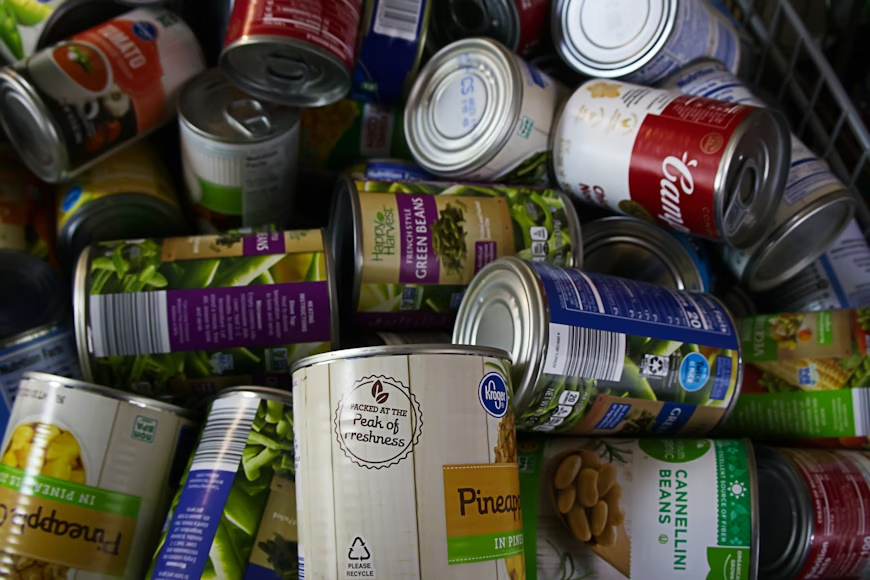
Men with the most sodium in their diets had a 72% higher risk of rectal cancer, and women had a 58% higher risk at the highest salt levels. Many canned beans in the U.S. have a lot of sodium. Just half a cup can contain 400 to 600 mg. If you eat these often, especially with other processed foods, you can easily go over healthy limits.
The Melbourne study also had some good news. Women who ate more potassium compared to sodium had about a 30% lower risk of colon and rectal cancers. Our bodies need this kind of balance. Adding a can of salty beans to your meal can increase inflammation. Imagine a typical weeknight dinner with canned beans on the side. If you don’t rinse them or choose low-sodium options, you could be eating a lot of extra salt. Eating lots of sodium and not enough potassium is bad for gut health.
Sugary Baked Beans and Sweet Sauces

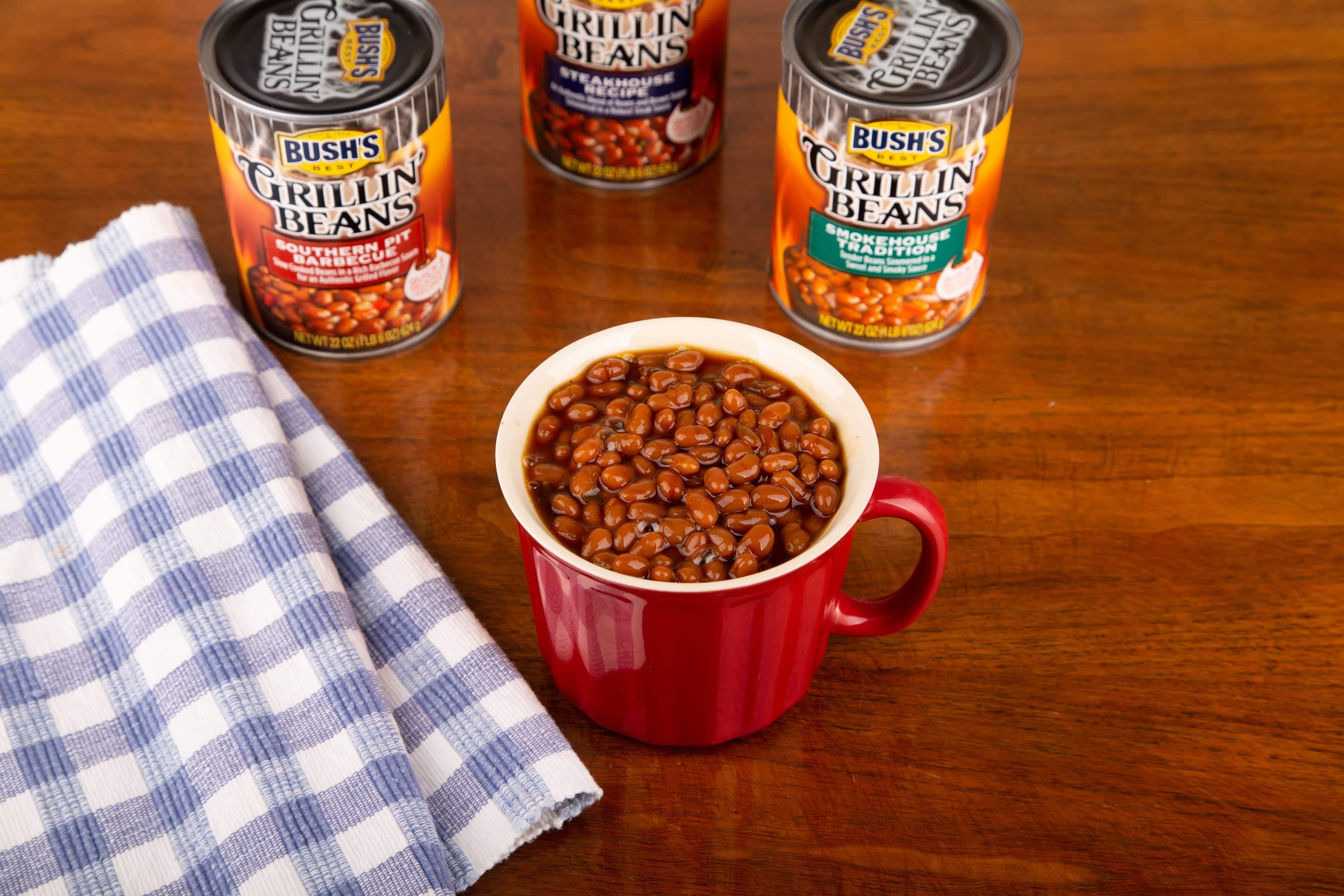
Baked beans are a staple at barbecues, but they often behave like a dessert in disguise. The Japanese Public Health Center-based Prospective Study tracked over 91,000 adults for 15 years and recorded over 2,000 colorectal cancer cases. While total sugar didn’t show a clear link for everyone, it did for women. Those in the highest sugar intake group had a 75% higher risk of rectal cancer, even in a population where overall sugar intake is much lower than in the U.S. In America, sugary sauces and syrups often “hide” in bean products.
There are clear reasons for this risk. Eating a lot of sugar can cause weight gain and insulin resistance. It also leads to blood sugar spikes after meals, which can stress the body and make colon cells grow faster. A typical can of maple or brown sugar baked beans contains not just beans, but also sugar, molasses, or high-fructose corn syrup. If you want to lower your cancer risk, it’s best to avoid these sweet varieties, as they are packed with added sugar your gut doesn’t need.
Heavily Processed and Flavored Canned Beans
Ultra-processed foods are more than just a trend; they are a real health risk. A 2023 review in *Frontiers in Nutrition* looked at seven studies involving 462,292 people. It found that those who ate the most ultra-processed foods had a 26% higher risk of colorectal cancer. Many flavored canned beans are in this group. They are not just beans, but products with added fats, sugars, salts, and other chemicals.
Researchers have found several ways these foods can harm your colon. Eating a lot of ultra-processed foods can cause obesity, which raises cancer risk. These foods are also high in saturated fats that can alter your gut bacteria and cause inflammation. Some even have artificial sweeteners or titanium dioxide, which can upset the gut’s balance. Choosing BBQ or “ranch style” beans often means picking a product that is more like something made in a lab than a simple vegetable. Eating this way over time increases your risk.
Beans Packed With Emulsifiers and Additives
Bean sauces might look harmless, but research says otherwise. Scientists at Georgia State University, including Drs. Emilie Viennois and Benoit Chassaing, studied common food emulsifiers like polysorbate 80 and carboxymethylcellulose at levels similar to what people eat. These chemicals keep sauces smooth and thick. In their studies, these emulsifiers changed the gut bacteria in mice and caused inflammation, which made tumors more likely to develop.
Save this article
One interesting part of this research involved a transplant. When the researchers transferred the microbiota from emulsifier-exposed mice to germ-free mice, the new mice also developed inflammation. This shows the bacteria themselves may drive cancer risk. While this is animal data, it elicits serious concerns for humans. Colorectal cancer rates have climbed alongside the rise of processed foods since the mid-20th century. Choosing bean products with long lists of thickeners and stabilizers could do more than satisfy cravings; it might alter your gut ecosystem in ways that promote disease.
Beans Sold in BPA-Lined Cans
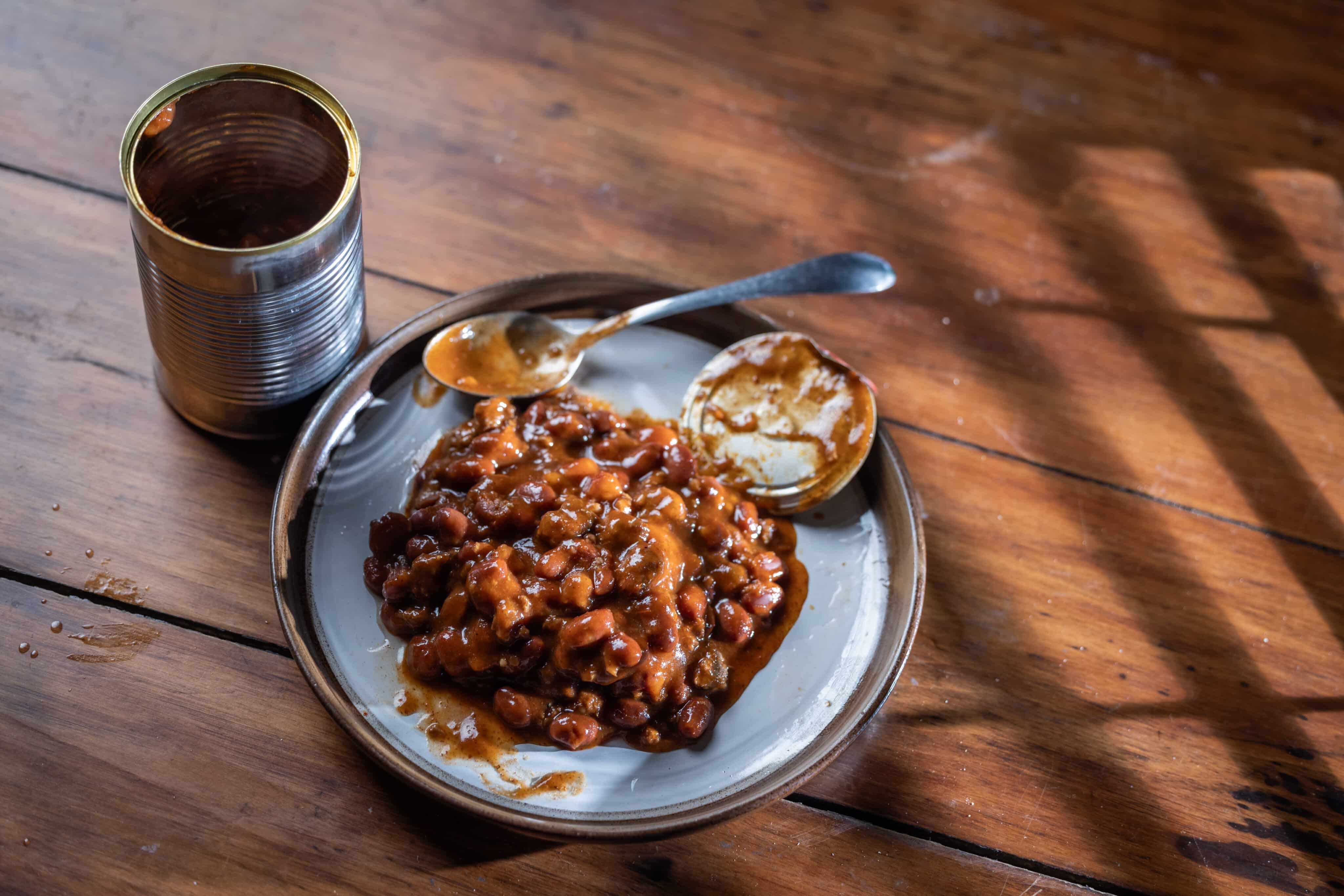
Bisphenol A, or BPA, has been debated for years. It is a chemical used in some can linings to stop rust. Groups like Cancer Research UK say BPA can get into food in small amounts. Right now, both UK and U.S. authorities set limits on BPA, saying the levels are too low to harm people. Most worries about BPA come from animal and cell studies that use much higher doses than people usually get. There is no strong human evidence that BPA in cans directly causes colorectal cancer.
Still, the discussion continues, as BPA is a known endocrine disruptor. In a comprehensive colorectal prevention strategy, many prefer to limit avoidable exposures. We do not yet fully understand how long-term, low-level exposure to BPA affects us over the course of decades. Many brands have moved to BPA-free liners due to consumer demand. If you prioritize a high-fiber, minimally processed diet, choosing a BPA-free can is an easy, low-stress change. It helps reduce your overall “toxic load,” even as research on this chemical is still ongoing.
Essential Pantry Rules to Live By

- Rinse your beans: If you buy regular canned beans, pour them into a colander and rinse them well. This helps wash away much of the added salt.
- Avoid the Sauce: Stay away from beans that come in thick, flavored sauces like BBQ, maple, or “sweet and spicy.” These often contain hidden sugars and emulsifiers.
- Read the Ingredient List: Look for cans with only three ingredients: beans, water, and salt. The shorter the list, the less likely you are to consume ultra-processed additives.
- Look for “No Salt Added”: Many stores now sell black, kidney, and pinto beans without added salt. These are better for your gut health.
- Balance with dry beans: When possible, use dry beans. They are the cheapest and least processed way to get fiber without worrying about chemicals or extra salt.
Differentiating IBS from Colon Cancer: Symptoms and Diagnosis

This general guide examines the various aspects between Irritable Bowel Syndrome (IBS) and Colon Cancer, focusing on symptoms, diagnostic methods, and the importance of seeking medical attention for accurate assessment and management. There are overlaps of symptoms, and you should never try to self-diagnose.
READ: Differentiating IBS from Colon Cancer: Symptoms and Diagnosis
Disclaimer – This list reflects the author’s opinions based on research and publicly available information. It is not meant to be professional advice.
Like our content? Be sure to follow us on Newsbreak.





