

Modern media consumption creates intense parasocial attachments that make public figures unusually vulnerable to severe reputation reversals.
Psychology Today defines parasocial relationships as one-sided emotional bonds in which audiences form perceived personal friendships with people they don’t know, such as public figures. Modern digital channels accelerate these connections by offering behind-the-scenes access and cues for direct interaction.
However, audience sentiment remains deeply divided over celebrity overexposure. Pew Research data show that 87% of Americans believe celebrity scandals receive excessive news coverage. Furthermore, 40% of citizens say celebrity news receives more unnecessary coverage than any other media topic.
This hyper-fixation generates rapid public fatigue, particularly among younger audiences. Pew Research reports that 47% of adults under age 50 believe the media overcovers celebrities, compared to 31% of adults over 50. When public figures commit moral or social transgressions, these intense parasocial bonds can quickly dissolve into public anger.
The Theoretical Framework of Parasocial Breakdown
Attribution theory and parasocial trauma explain why public sentiment shifts rapidly from adoration to widespread condemnation.
According to the Celebrity Attitude Scale developed by McCutcheon, Lange, and Houran, audience involvement ranges from social entertainment to borderline-pathological worship. When a highly idolized public figure transgresses social norms, fans experience disorientation termed “para-loveshock.“
Correspondent Inference Theory indicates that public reaction depends on whether observers attribute bad behavior to situational stress or deep character flaws. If audiences conclude that a violation reflects true character, public blame escalates sharply while forgiveness declines.
Conversely, established histories of philanthropy can buffer celebrity brands against complete public rejection. A recorded track record of moral and societal contributions provides a critical safety net during reputational crises.
Ellen DeGeneres: Workplace Misconduct Versus Groundbreaking Advocacy
Ellen DeGeneres experienced a massive audience fallout after allegations of a toxic workplace contradicted her signature public persona.
For decades, daytime talk show host Ellen DeGeneres built a global brand centered on empathy, humor, and her foundational slogan “Be Kind.” However, investigative reports exposed severe workplace misconduct behind the scenes. In July 2020, BuzzFeed News published an investigative report interviewing former and current employees. Former employees alleged widespread racism, fear, intimidation, and management rules forbidding staff from speaking directly to DeGeneres.
The commercial consequences were swift and severe across television ratings. Nielsen data revealed that The Ellen DeGeneres Show lost over 1.1 million viewers in six months, dropping from 2.6 million to 1.5 million viewers. This represented a 43% collapse in total audience, alongside a 38% drop among core female viewers under 54. Her prime-time show, Ellen’s Game of Games, lost 32% of its total viewership.
Why Ellen DeGeneres Deserves Recognition
Despite severe workplace criticism, DeGeneres transformed LGBTQ+ visibility in mainstream media and championed extensive charitable efforts.
In 1997, DeGeneres made broadcast history by publicly coming out on her sitcom, risking her career to advance LGBTQ+ representation. Her platform subsequently raised tens of millions of dollars for disaster relief, global charities, and local community heroes. These pioneering contributions permanently shifted cultural acceptance and provided essential support to vulnerable populations worldwide.
Save this article
Ashton Kutcher: Controversial Legal Support Versus Anti-Trafficking Innovation
Ashton Kutcher faced intense public backlash over legal reference letters, complicating his public image as a tech-driven philanthropist.
Actor and tech investor Ashton Kutcher provoked widespread criticism after submitting a character reference letter during a high-profile criminal trial. The resulting public outrage led to his formal resignation from leadership roles in child protection non-profits. Additionally, civil liberties advocates voiced privacy concerns regarding automated data sweeps used in investigative software tools.
However, Kutcher’s tangible contributions to fighting child sexual exploitation represent a monumental technological achievement. In 2009, Kutcher co-founded the non-profit organization Thorn (originally DNA) alongside Demi Moore. Thorn developed Spotlight, an intelligence tool using natural language processing and machine learning to analyze online escort advertisements.
Spotlight reduced law enforcement investigative time by up to 60%, enabling investigators to locate endangered children far more efficiently. The software has been deployed by over 4,000 to 8,000 law enforcement officers across more than 1,400 agencies in the United States and Canada.
Why Ashton Kutcher Deserves Appreciation
Kutcher leveraged tech industry partnerships to create digital tools that protected thousands of vulnerable children from abuse.
Between 2015 and 2017 alone, Spotlight helped law enforcement identify 5,791 child victims and rescue 103 children from active abuse. By 2020, Thorn’s suite of digital security tools had identified nearly 16,000 child victims, averaging 15 victim identifications per day in 2019. Kutcher mobilized major tech companies, including Google, Microsoft, and Meta, to build systemic solutions protecting vulnerable youth globally.
Elon Musk: Polarizing Public Persona Versus Pioneering Technological Innovation
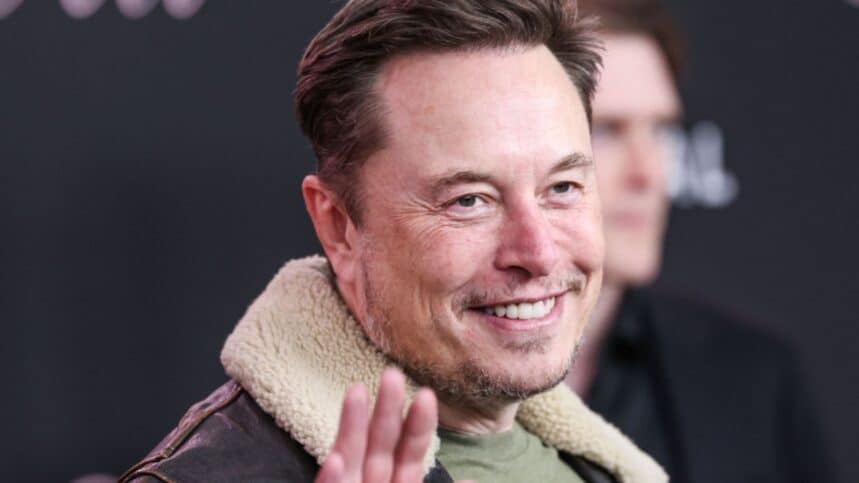
Elon Musk represents one of the most polarizing figures in modern media, featuring high global visibility alongside starkly divided public approval.
According to YouGov public opinion tracking, Elon Musk maintains near-universal public awareness at 98% fame, yet holds only a 33% positive popularity rating.
Critics point to unpredictable leadership decisions, contentious online statements, and workplace controversies across his corporate holdings. This imbalance highlights how high public visibility can magnify public friction when personal behavior clashes with societal expectations.
Why Elon Musk Commands Respect
Musk’s industrial leadership has driven unprecedented advancements in commercial space exploration and global electric vehicle adoption.
SpaceX revolutionized aerospace manufacturing by engineering reusable orbital rockets, drastically lowering the cost of access to space. Simultaneously, Tesla accelerated the global transition toward sustainable energy by scaling mass-market electric vehicles and renewable energy storage.
These industrial achievements represent foundational contributions to space exploration and environmental engineering.
Reassessing Celebrity Brand Equity in the Age of Digital Backlash
Long-term celebrity sustainability relies on balancing personal public relations controversies against tangible societal contributions.
Public figure evaluation is rarely unidirectional. While personal missteps trigger swift parasocial dissolution, structural philanthropic capital offers a path toward eventual reputation recovery. Media analysts emphasize that public figures who deliver measurable societal benefits retain residual audience support despite intense short-term backlash.
How should society weigh a public figure’s personal missteps against their tangible societal contributions when deciding whether to support them?
More Articles You Might Like:
- Times Square Greets Elon Musk With a 40-Foot Effigy Accusing SpaceX’s Grok of Generating Child Sexual Abuse Images
- ‘It’s Beautiful’ to Be ‘Deeply Honest’ With Him: Gigi Hadid Gushes Over Relationship With Bradley Cooper
- In a Divided America, Dolly Parton Was the Rare Thing Democrats and Republicans Could Agree on





