

Your daily coffee, evening wine, and favorite soda may be quietly rewiring your sleep long after the last sip.
You’ve had your afternoon latte, that glass of wine after work, or an evening soda. You think you’re fine—alert, relaxed, ready for bed. But when night falls, sleep doesn’t come as easily as you expect. Coffee, alcohol, and sugar-sweetened drinks don’t just nudge bedtime—they meddle with every stage of sleep.
Sleep researchers call this the “hidden clock shift.” Even in moderate amounts, everyday beverages quietly reshape nights across the U.S. and beyond. Roughly 90% of adults consume caffeine daily, nearly half of adults and 63% of youths drink sugar-sweetened soda, and wine is still culturally sold as a “nightcap.”
Individually, these drinks have effects; together, they can spin your sleep cycle into a loop of exhaustion, late-night cravings, and groggy mornings.
The Coffee Conundrum: Timing Is Everything
Caffeine doesn’t just wake you up. It actively blocks adenosine, the brain chemical that builds “sleep pressure” as the day goes on. That’s why a mid-afternoon latte might seem harmless—but studies show it’s not. A 400 mg dose of caffeine—roughly 3–4 strong cups of coffee—taken within 12 hours of bedtime can delay sleep onset by 17–18 minutes, fragment your sleep, and cut total hours enough to meet clinically significant thresholds for disturbance.
Even a 2 p.m. coffee leaves about 25% of its caffeine circulating at midnight. Experts recommend avoiding caffeine at least 8 hours before sleep. Sleep researcher Matthew Walker notes that a 2 p.m. coffee still leaves roughly 25% of caffeine circulating at midnight, enough to disturb sleep architecture.
And the trend isn’t slowing. Global coffee demand is projected to hit record highs in 2024/25, while U.S. per-capita consumption nudges upward—even as insomnia reports rise, suggesting a feedback loop: the more tired we are, the more caffeine we drink, the worse we sleep.
Wine: The Nightcap Myth

Wine and alcohol may knock you out initially, but they come with a hidden cost. Alcohol increases GABA and adenosine in the brain, making you drowsy—but it suppresses REM sleep for the first two cycles and fragments the rest of the night.
Why does this matter? REM sleep is critical for emotional regulation, memory consolidation, and mental recovery. Skipping it can leave you waking up wired, anxious, or foggy—despite a “full night’s sleep.” “Alcohol acts as a depressant… which is why it induces drowsiness,” notes a sleep psychologist at Henry Ford Health. “However, it adversely affects sleep quality, leading to nighttime awakenings that result in fatigue the following day.”
Long-term patterns are worse: heavy drinkers have 2–2.5 times the odds of chronic insomnia compared with non-drinkers. Even modest “nightcaps” can backfire, creating a cycle of poor sleep that drives more drinking and deeper sleep disruption.
Soda and Sugary Drinks: A Double Hit
Soda combines two potent sleep disruptors: sugar and caffeine. Nearly half of U.S. adults and over 60% of youths consume at least one sugar-sweetened drink daily. Adults sleeping less than five hours consume about 21% more sugary beverages than those sleeping 7–8 hours.
Sugar spikes and crashes can trigger nighttime awakenings, while caffeine adds alertness—making falling asleep and staying asleep more difficult. In one university study, only 17% of students with high sugar intake reported good sleep, and the highest sugar group reported universally poor sleep. Adults with high sugar-sweetened beverage intake had roughly double the odds of poor sleep quality, even after accounting for other factors.
Young adults are especially vulnerable: 77% of women with poor sleep consumed more than 10% of calories from added sugar, compared to 47% of good sleepers. High soda intake tracks with daytime sleepiness, late mornings, and compromised mental performance.
The Behavioral Loop: How Beverages Perpetuate Poor Sleep
Coffee to stay awake → soda for an afternoon boost → wine to “wind down” → repeat. This loop is evidence-backed: insufficient sleep drives reliance on caffeine and sugar, while alcohol is used to “turn off” the brain at night, ultimately compounding sleep deficits.
Save this article
Short sleepers drink more caffeinated, sugary beverages, perpetuating fatigue, and increasing alcohol use as a misguided coping mechanism.
Experts urge mindfulness around timing and quantity. Coffee cut-off times, limiting nightcaps, and reducing evening sugar intake are not just health tips—they are sleep hygiene essentials backed by decades of research.
Practical Takeaways
- Coffee: Avoid after 2 p.m.; remember caffeine lingers for hours.
- Alcohol: Skip the nightcap; even moderate wine disrupts REM and fragments sleep.
- Soda and sugary drinks: Limit evening intake; sugar and caffeine together hit sleep twice.
- Behavioral awareness: Track habits, timing, and cumulative intake—small adjustments can restore sleep efficiency.
Sleep isn’t optional. It shapes cognition, mood, and long-term health. Understanding how your favorite beverages interfere with it transforms everyday habits from minor indulgences into measurable health risks.
More articles:
- 10 antioxidant-rich foods that support immune defense
- Why yogurt and fruit may be one of the smartest snacks for long-term health & decreasing belly fat
- 12 reasons carrot juice should be part of your daily routine
Common spices linked to colon cancer prevention
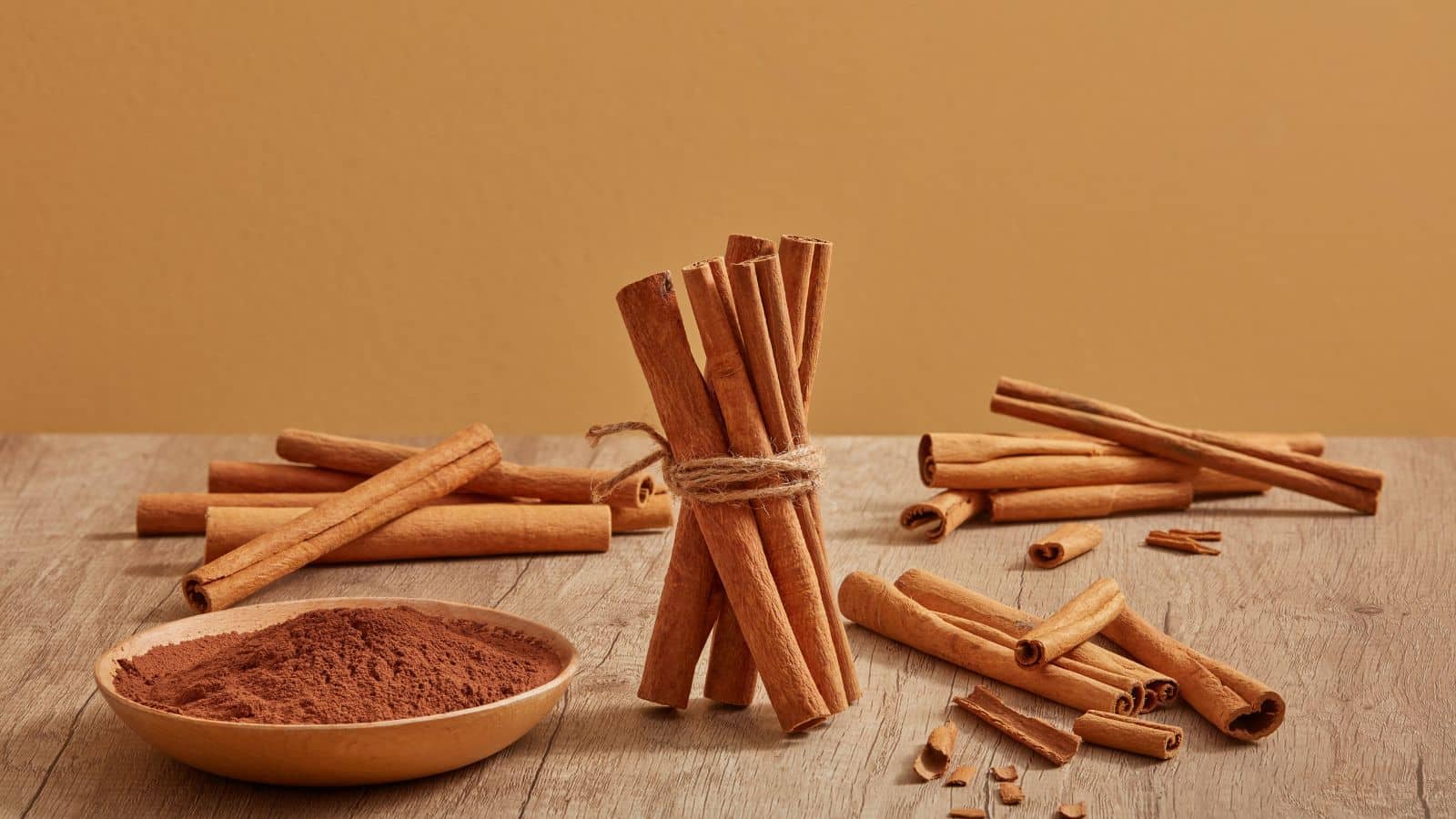
In the quiet routine of seasoning a meal, you may be adding small, powerful defenses against one of the most common cancers.
Your spice rack might actually be hiding some powerful health benefits. It turns out that a handful of common pantry staples pack a serious punch against serious illnesses. Medical researchers are looking closely at how everyday seasonings can fight back against cellular damage in the digestive tract. Learn more.
12 ways extreme heat can change the way your body handles coffee

In places where the air no longer cools after sunset, even something as routine as coffee can feel like a different choice.
Your morning cup is still part of many people’s daily rhythm, but in hotter regions, extreme heat can change how the body responds to it. Across parts of the American Southwest, sustained high temperatures and longer heat waves have made hydration and heat stress more important factors in everyday habits. Learn more.
The key to better sleep and steady energy might come down to one mineral missing in your diet

Most people focus on getting more energy during the day and better sleep at night, but one key nutrient plays a role in both.
Magnesium supports muscle function, nerve signaling, and sleep regulation, yet many people don’t get enough of it through their daily diet. Health experts note that even mild deficiencies can affect rest, recovery, and overall well-being. Learn more.





