

For someone with a serious peanut allergy, a few crumbs can turn an ordinary meal into a medical emergency. Researchers are now exploring a surprising place to change that response: the trillions of microbes living in the gut.
In a small early-stage clinical trial, 15 people with peanut allergy swallowed capsules containing gut microbes from donors without food allergies. Six later tolerated more peanut during controlled testing without reacting, and researchers found immune changes that may help explain why.
The experiment is far too small to establish a new treatment. But it strengthens a provocative idea: food allergy may be shaped partly by the microbial community living inside us.
Your gut microbes are in constant conversation with your immune system
The digestive tract is one of the body’s largest meeting places between the outside world and the immune system. Gut bacteria and other microbes produce compounds that interact with immune cells and can influence whether the immune system tolerates or reacts to substances it encounters.
Researchers have found differences in the gut microbiomes of people with and without some allergic diseases, but differences do not automatically mean microbes caused the allergy. The harder question is whether deliberately changing the microbiome can change the allergic response.
A microbiome association becomes much more interesting when researchers can alter the microbial community and then observe a corresponding change in immune behavior.
Fifteen people swallowed capsules containing donated microbes
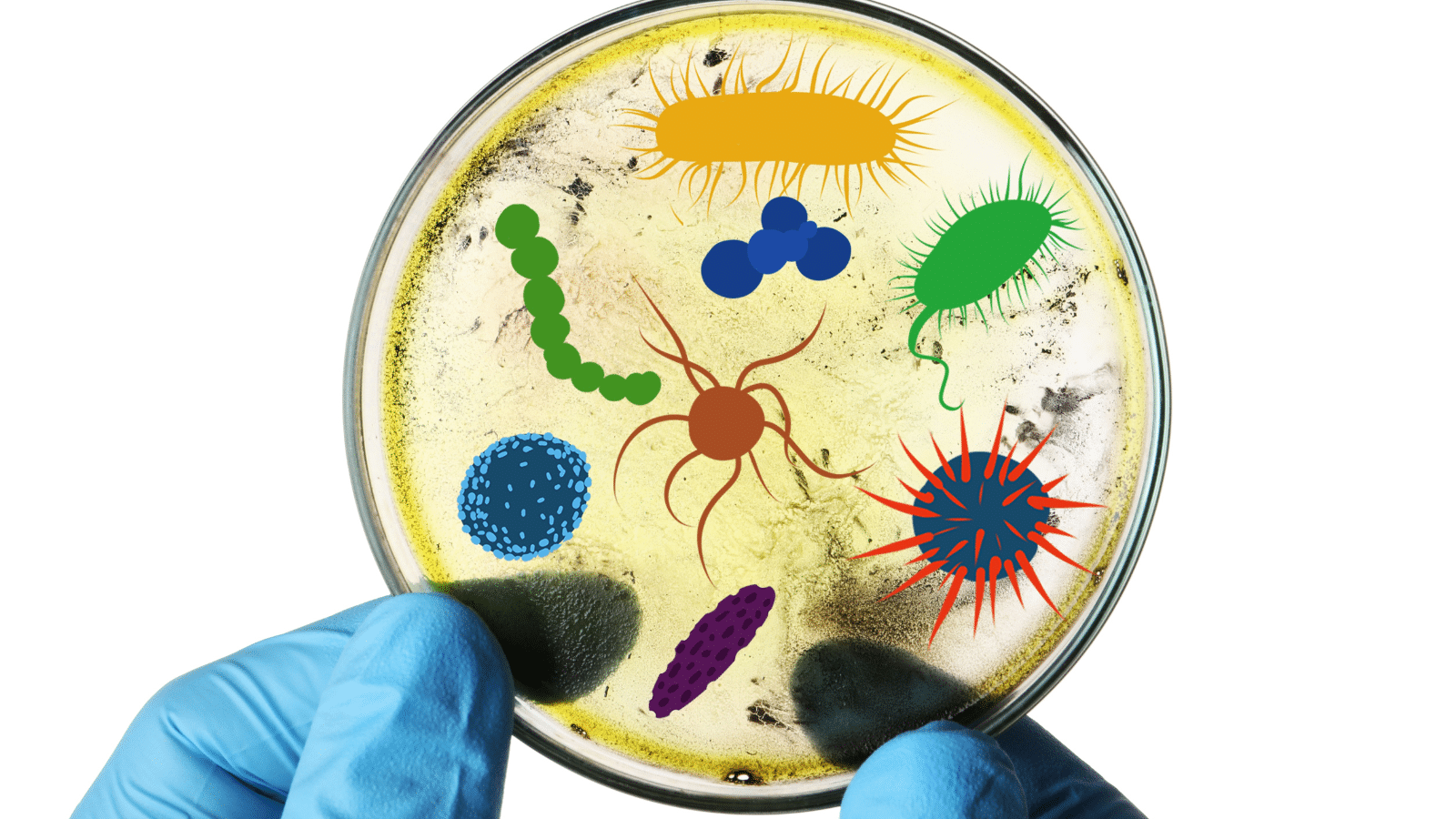
The NIH-funded trial, described by the National Institutes of Health, involved 15 participants with peanut allergy. They received fecal microbiota transplantation, or FMT, in capsule form using microbes from people without food allergies.
Ten participants received the capsules alone. Five first received antibiotics intended to make it easier for the incoming microbes to establish themselves. Four months later, three people in each group could tolerate a larger amount of peanut during medically supervised food challenges without an allergic reaction.
Six responses out of 15 participants are intriguing, but they also mean most participants did not show that improvement. Small early trials are designed to look for signals and assess feasibility and safety, not to prove that a therapy works for everyone.
The immune changes may reveal how the effect works
The researchers also tracked immune cells. In participants who responded, a type of regulatory T cell associated with immune tolerance became more abundant and remained elevated for up to a year.
That matters because food allergy is ultimately an immune-system problem: the body reacts to a normally harmless food protein as if it were a threat. If particular gut microbes encourage immune tolerance, researchers may eventually be able to identify which organisms or microbial products matter most.
Save this article
The trial also reflects a larger shift in allergy research. Scientists increasingly want to understand why some immune systems learn to tolerate ordinary foods while others mount dangerous reactions. Early-life diet, antibiotics, genetics, skin-barrier problems and microbial exposures are all being studied. The microbiome is appealing because, unlike genes, it can potentially be changed — but scientists still need to learn which changes are beneficial and durable.
The long-term goal may not be fecal transplants themselves, but a more precise treatment that reproduces the useful microbial signal without transferring an entire donor microbiome.
This is absolutely not a do-it-yourself treatment
FMT is already used medically in specific circumstances, particularly recurrent Clostridioides difficile infection, but transferring human microbes carries risks. Donor material must be carefully screened because bacteria, viruses and other organisms can potentially be transmitted.
Food challenges also belong in a medical setting. People with peanut allergy should not deliberately increase exposure based on an experimental study; reactions can be severe or life-threatening.
The study gives scientists a reason to keep investigating the microbiome, not a reason for people with food allergies to experiment with transplants, probiotics or peanut exposure on their own.
Final word
Food-allergy treatment has already begun moving beyond simple avoidance, with approaches such as oral immunotherapy helping some patients raise the amount of allergen needed to trigger a reaction. Microbiome research adds another possible route: changing the immune environment in which allergy develops and persists.
This trial is tiny, and its findings need to be reproduced in much larger groups. Researchers also need to understand why some participants responded and others did not.
The most exciting possibility is not that gut bacteria have “cured” peanut allergy, but that scientists may be uncovering another lever capable of changing how the immune system responds to food.
If a microbiome-based treatment for food allergy eventually proved safe and effective, would swallowing a capsule of carefully screened gut microbes feel like a reasonable trade-off?
More Articles You Might Like:
Six Budget-Friendly Foods That Make Everyday Meals Healthier
Food Allergy vs. Food Intolerance: Navigating a Complicated Path