

Cranberry juice has long had a reputation as a teeth-unfriendly drink. It’s sour, it’s acidic, and some versions come loaded with added sugar.
So a team at the University of Illinois Chicago College of Dentistry set out to see how the juice affects the bacteria in dental plaque. They tested it on real people, both adults and children, using store-bought drinks. The results ran against what most people would guess.
One drink slowed bacterial growth in plaque samples and reduced the acid those bacteria produce, which is linked to enamel decay. Another cranberry drink didn’t.
Before anyone starts swishing juice, though, a few things are worth knowing. The study was small, the testing was short, and the researchers measured less than a headline can easily convey.
Here’s what the team did, what came back, and what still isn’t known.
Twenty-Two People Swished, Swallowed And Got Swabbed
Before testing began, participants had one job: let their plaque build up.
The study, published in Scientific Reports, involved eight adults and 14 children. Each tried three drinks on separate days in a randomized crossover design: unsweetened 100% cranberry juice, a cranberry cocktail that’s 27% juice with added sugar, and plain water as the control.
Participants arrived with pre-existing plaque buildup. Researchers took a baseline swab from one side of the mouth, then had them rinse with water, swish, and swallow three small portions of their assigned drink. Thirty minutes later, they swabbed the other side.
The team sent those samples to a lab, where they measured how much the bacteria grew and how much acid they produced. Nobody watched plaque vanish from teeth. The test was how the sampled plaque behaved after the drink.
Christine Wu, the pediatric dentistry professor who led the work, said the team wanted real-world products: “It was important to us to conduct these tests with human participants and use products available on the market.” Earlier cranberry studies mostly relied on lab-made extracts, and few included children, she said.
The Two Cranberry Drinks Got Very Different Results
Same fruit, same test, and two very different outcomes.
After the unsweetened juice, adults’ plaque samples showed 44% less bacterial growth than their baseline samples. In children, the drop was 33%. Acid production fell significantly in both groups. Those figures describe bacterial growth in the collected samples, not fewer cavities.
The cocktail didn’t get there. Bacterial regrowth was numerically lower but not statistically significant, and water had no significant inhibitory effect.
Why adults saw a bigger drop remains unclear. The researchers suggest age-related differences in plaque composition could make bacteria more or less vulnerable to cranberry compounds. That’s a hypothesis, and the study didn’t test it.
The Prime Suspect Is A Compound Cranberries Are Known For
Cranberries have a track record with bacteria, just not in the mouth.
Cranberries contain compounds called proanthocyanidins, or PACs, which earlier research linked to interfering with how bacteria attach to cells. That work centered on E. coli and urinary tract infections. Wu wanted to see whether PACs might affect plaque bacteria, which use sugar to make the acids that wear down enamel.
The researchers suggest pure juice did better because it contains more PACs, and they say that idea still needs testing. The drinks also differed in juice content and added sugar, so the study can’t say whether PACs, sugar, or something else in the formulas explains the gap.
Wu reads the results as a sign that cranberry juice might offset some of sugar’s damage.
Related: 6 Foods Dentists Say Cause The Most Hidden Tooth Damage
The Juice Itself Is Still Acidic
Two kinds of acid are at play, and the study measured only one.
The experiment tracked acid made by plaque bacteria. It didn’t test how the juice’s acidity affects teeth. The researchers describe existing evidence on erosion from acidic drinks as inconsistent, and they point to research suggesting cranberry juice may reduce dentin erosion.
Other gaps are open too. Nothing shows how long the effect lasts past the sampling window, and long-term tooth decay wasn’t measured. The study also doesn’t show that ordinary drinking would match the swish-and-swallow routine.
Wu says more experiments are needed to validate the results. Meanwhile, UIC says she is open to the occasional pure cranberry juice mouth cleanser.
The Winning Drink Has A Flavor Problem
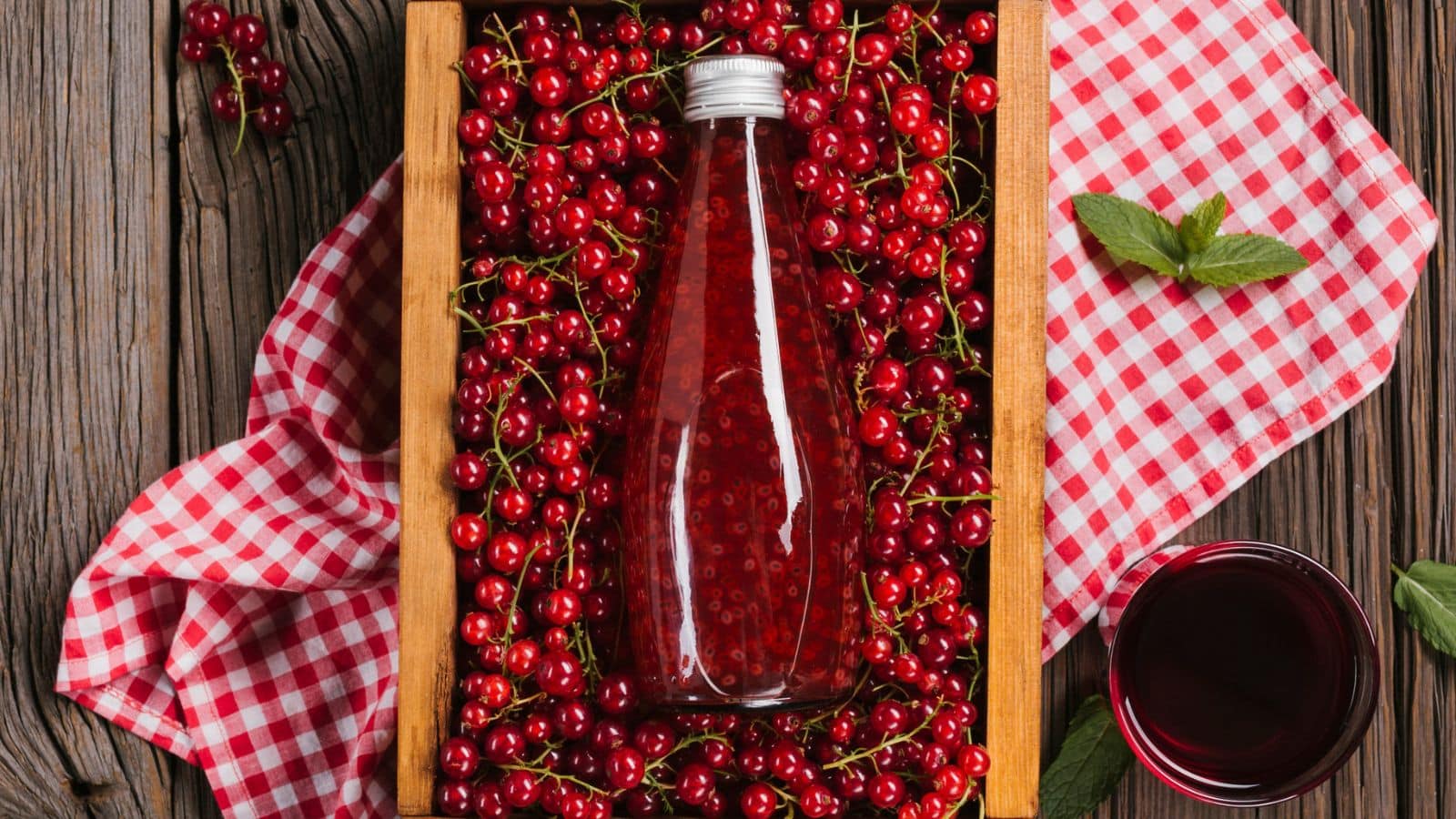
The version that worked is also the tartest.
Low-sugar cranberry juice is tart, which could limit its appeal, especially among children. Wu has proposed an appropriate sugar substitute to make it easier to drink. The researchers write that sweeteners that don’t promote cavities might improve acceptance without compromising safety or effectiveness.
Whether a sugar-substituted version would work the same way is unknown, and no follow-up study has been announced. The sampling-and-lab method itself could be used to test other foods and drinks, which may be the next step in this line of research.
Tart as it is, would you actually swish unsweetened cranberry juice for your teeth?
More Articles You Might Be Interested in:
- 7 Fruits and Juices That Can Help Support Energy Levels
- Cranberry Recipes That Aren’t Sauce!
- 8 store-bought juices dietitians consider the healthiest