

Engin Tanak believed he was dealing with migraines. Instead, the headaches led doctors to discover a grade 4 glioblastoma that would change everything for him and his family.
The 42-year-old father of three from Cheshunt, England, built his life around his family and his work as a chef. He was raising his children with his partner, Mirela Andreea Crunteanu, and running his café when the headaches began becoming more frequent.
Tanak initially believed the headaches were migraines and carried on with his daily life. But when the pain became too severe to ignore, he went to the emergency room.
That visit revealed the headaches were caused by something much more serious: a brain tumor.
A Headache That Revealed a Much Bigger Problem
Tanak’s diagnosis came after surgery in April 2025, which confirmed he had a grade 4 glioblastoma, one of the most aggressive forms of brain cancer.
The diagnosis changed the rhythm of their everyday life. Instead of focusing only on work, family, and normal routines, Tanaka and his loved ones were suddenly dealing with hospital visits, treatment decisions, and the reality of living with a serious illness.
By May 2025, he had started chemotherapy and radiotherapy as part of his treatment plan. The months that followed were filled with the demanding schedule that comes with cancer care, while his family supported him through each stage.
The diagnosis affected the family life he had built with Crunteanu and their three children, turning ordinary days into a constant search for answers and options.
The Tumor Returned Despite Months of Treatment
After months of treatment, Tanak received devastating news: the tumor had returned.
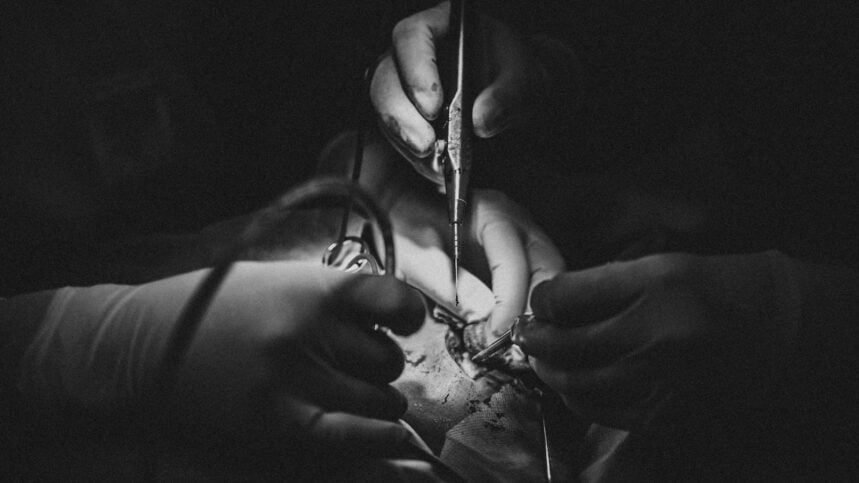
Doctors performed a second surgery in April 2026 in an attempt to remove as much of the tumor as possible. They were able to remove around 95%, but the tumor’s position near the motor cortex created a major challenge. That area of the brain controls movement, making complete removal too dangerous.
During the operation, Tanak suffered a stroke. The complication left him partially paralyzed and added another serious challenge to his recovery.
Following the stroke and the difficulties surrounding his condition, doctors recommended moving toward palliative care. Tanak has since chosen to share his experience publicly, speaking about the reality of living with a diagnosis that has changed nearly every part of his life.
Related: Most People Ignore These 8 Warning Signs From Their Body
Save this article
Searching For Treatment Beyond Standard Options
Even after receiving difficult news, Tanak and his family continued looking for ways to extend his treatment options.
Reports indicate they have turned to fundraising to help pay for private and experimental treatments not covered by standard care pathways. Like many families facing aggressive cancers, they have been exploring every possible avenue available to them.
The financial pressure has also been significant. The family made the difficult decision to sell Tanak’s café to help fund his ongoing care.
The choice highlights a reality many families facing serious illness encounter: treatment can affect not only health but also finances, careers, and the future plans people once took for granted.
When Tanak was initially diagnosed, doctors provided a prognosis ranging from six months to five years. Glioblastoma can behave differently from one person to another, making long-term outcomes difficult to predict.
The recurrence of the tumor and complications from his second surgery have created even more uncertainty for Tanak and his family.
A Family Adjusting to a New Reality
In a little over a year, Tanak’s life changed dramatically. What began with headaches he believed were migraines became a diagnosis, multiple treatments, a returning tumor, a second surgery, and the effects of a stroke.
His story also reflects why brain tumor cases can be difficult to recognize early. Headaches are extremely common and are usually caused by much less serious conditions. In some cases, however, persistent or unusual symptoms can lead doctors to investigate further.
For Tanak’s family, the focus now remains on finding the best possible care while making the most of the time ahead.
His experience shows both the progress and the limits of modern medicine. Treatments continue to improve for many cancers, but aggressive tumors such as glioblastoma remain among the hardest conditions doctors and families face.
Behind every diagnosis is more than a patient. A family adapts, makes difficult decisions, and tries to move forward one day at a time.
How would you respond if a symptom you thought was ordinary turned out to be something life-changing?





