
There’s a quiet assumption built into the way many Americans think about healthy eating: fresh is automatically better. Fresh vegetables feel like the gold standard. A full produce cart can feel like proof of a good grocery trip, while frozen vegetables can seem like a backup plan for busy weeks or a sign of an empty produce section.
Dietitians and chefs are challenging that idea. Frozen vegetables are not simply a convenience shortcut; in many cases, they are a practical and nutritious choice. They can match fresh produce nutritionally, require less preparation, often cost less depending on the season, and reduce the chances of vegetables being forgotten until they spoil.
Still, frozen does not win every category. Some vegetables are best when crisp, raw, and eaten soon after purchase. Others are ideal candidates for the freezer aisle.
Knowing where frozen vegetables shine can make grocery shopping easier without sacrificing quality.
What “Fresh” at the Grocery Store Actually Means
The vegetables in your refrigerator probably weren’t at their nutritional peak when you bought them.
The word “fresh” can create an image of vegetables picked at their best and delivered straight to your kitchen. In reality, much of the produce sold in grocery stores is harvested before full ripeness so it can better withstand transportation.
Once vegetables leave the field, nutrients can gradually decline during shipping, storage, time on store shelves, and the days they spend waiting in your refrigerator.
Frozen vegetables take a different route. They are usually harvested at or near peak ripeness, then blanched and frozen soon afterward. Priya Fielding-Singh, PhD, director of policy and programs at the George Washington University Global Food Institute, explains that freezing slows the natural breakdown of nutrients, allowing many frozen vegetables to retain nutritional value comparable to fresh vegetables.
That does not mean fresh vegetables are a poor choice. Instead, it changes how we think about what “fresh” means by the time food reaches our plates. Christen Cooper points out the cultural preference for fresh options: “We tend to refer to ‘fresh fruits and vegetables’ as the epitome of healthful choices, neglecting frozen veggies that are just as valuable.“
What Happens Between the Field and the Freezer Bag
The freezing process is more deliberate and nutritionally thoughtful than the frozen food aisle might suggest.
Frozen vegetables are not simply tossed into bags after sitting around. Before freezing, they typically go through blanching, a short heating process that helps preserve color, texture, and overall quality.
There is a small nutritional trade-off: Yasi Ansari, a senior dietitian, notes to Food & Wine that blanching “can cause small losses of water-soluble vitamins, such as vitamin C and certain B vitamins.”
However, that does not erase the benefits of freezing. Flash freezing, sometimes labeled IQF (individually quick frozen), helps limit large ice crystal formation, protects cellular structure, and slows further nutrient loss.
Save this article
Ultimately, the better option depends on the vegetable, the recipe, and whether it actually gets cooked before it reaches the back of the refrigerator.
Related: 9 Overhyped Vegetables That Won’t Fix Your Blood Pressure Fast
The Vegetables That Make the Most Sense to Buy Frozen
Not every vegetable benefits equally from freezing, but several make a compelling case for the frozen aisle.
Broccoli is one of the strongest examples. Frozen soon after harvest, it retains key nutrients like vitamin C and works well in dishes where it’s roasted, sautéed, or added to stir-fries. Cauliflower follows a similar path. Freezing helps preserve compounds found in brassica vegetables, and roasting at high heat can turn its softer texture into a flavorful side dish.
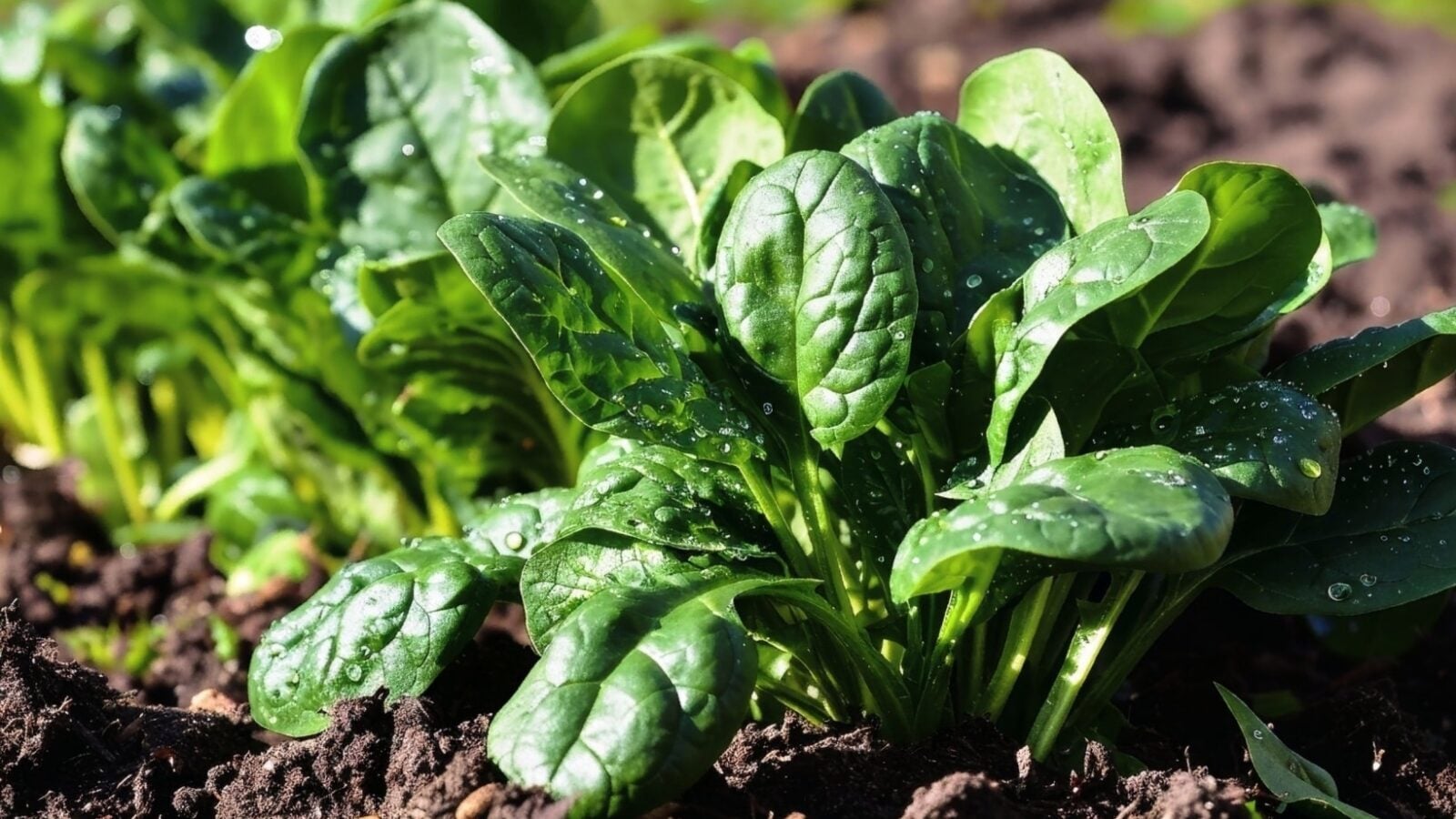
Spinach is another vegetable where frozen often makes practical sense. Fresh spinach can spoil quickly, while frozen spinach arrives washed, chopped, and ready to add to soups, stews, pasta dishes, and sauces. Peas also belong on the list, as frozen peas retain nearly all of it compared with canned or dried alternatives.
The frozen aisle offers more than those familiar choices. Corn, green beans, edamame, Brussels sprouts, butternut squash, bell peppers, and mixed vegetable blends are also commonly recommended by chefs and dietitians.
The reason is simple: many of these vegetables are destined for cooked dishes anyway, where the texture difference between fresh and frozen becomes far less noticeable.
Not All Frozen Vegetables Are Worth Buying
The bag itself tells you more than most shoppers bother to check.
A closer look at the package can reveal whether a frozen vegetable is a smart buy. Labels such as “flash frozen” or “IQF” indicate that the vegetables were processed quickly after harvest, helping preserve their quality. It is also worth giving the bag a squeeze. The vegetables should feel loose and separate, not frozen into one solid block. A large frozen mass can suggest partial thawing and refreezing during transportation, which may affect texture and make portions harder to separate.
The ingredient list matters, too. Plain frozen vegetables avoid unnecessary additions found in some seasoned blends or cream-based products. For cost-conscious shoppers, private-label brands can offer a similar option at a lower shelf price.
When it is time to cook, you usually don’t need to thaw first. Moving vegetables directly from the freezer to the pan or oven often gives better results. High-heat roasting is especially effective because it lets moisture evaporate, creates caramelized edges, and helps preserve the deeper flavors boiling can wash away.
When you’re deciding between frozen and fresh at the store, what usually tips the balance: price, convenience, or something else?
More Articles You Might Be Interested in:
- 10 Vegetables With More Fiber Than Brussels Sprouts
- 12 fruits and vegetables that can help lower high liver enzyme levels
- Parents Are Trying Everything to Get Kids to Eat More Fruits and Vegetables. These 6 Strategies Actually Help