

Some foods arrive with drama. Olive oil does not. It slips into kitchens without spectacle, poured over vegetables, folded into sauces, brushed onto bread. Yet in population data that spans decades and continents, olive oil keeps reappearing as a quiet constant in longer, healthier lives. Not as a supplement or a superfood, but as a daily habit.
A major clinical trial known as the PREDIMED study examined the effects of a Mediterranean diet on heart health. It found that people who followed a diet supplemented with extra-virgin olive oil reduced their risk of major cardiovascular events by about 30 percent compared with those on a low-fat diet. Researchers credit olive oil’s high levels of monounsaturated fats and polyphenols for improving cholesterol levels and supporting overall metabolic health.
A Longer Life in the Aggregate

In 2022, researchers analyzing two long-running U.S. cohorts, the Nurses’ Health Study and the Health Professionals Follow-up Study, followed participants for 28 years and recorded more than 36,000 deaths. People who consumed more than 0.5 tablespoons of olive oil per day had a lower risk of all-cause mortality than those who rarely used it. The reported hazard ratio was 0.81, corresponding to a 19 percent reduction in risk.
The same paper showed a dose pattern. Each additional 5 grams of intake per day was associated with a lower risk of death. The reduction ranged from about 4 to 6 percent and included deaths from cardiovascular, cancer, neurodegenerative, and respiratory causes.
In Spain, a Mediterranean cohort was followed for 18 years to examine the effects of olive oil consumption on long-term health outcomes. The study found that consuming two or more tablespoons per day was associated with a 31 percent lower risk of all-cause mortality and a 46 percent lower risk of cardiovascular mortality compared with non-consumers.
Extra Virgin and the Heart

The strongest cardiovascular evidence comes from randomized trials. The landmark PREDIMED trial assigned high-risk adults to a Mediterranean diet supplemented with extra-virgin olive oil, a Mediterranean diet supplemented with nuts, or a low-fat control diet. The olive oil and nut groups experienced significantly fewer major cardiovascular events.
A later analysis of PREDIMED data focused on atrial fibrillation. Participants assigned to the Mediterranean diet supplemented with extra virgin olive oil had a lower risk of developing atrial fibrillation than those on the control diet. The reported hazard ratio was 0.62, corresponding to a 38 percent reduction in risk.
The nut-supplemented group did not show a clear benefit in the analysis. As a result, investigators described extra virgin olive oil within a Mediterranean dietary pattern as a rare primary prevention tool for atrial fibrillation.
Replacement Matters More Than Addition

In the U.S. cohort analysis, olive oil was most effective when it displaced other fats. Replacing 10 grams per day of butter, margarine, mayonnaise, or dairy fat with olive oil was associated with a lower risk of death. The reduction ranged from about 8 to 34 percent, depending on which fat was replaced.
The authors emphasized that adding olive oil to an otherwise unhealthy diet did not produce the same effect. Participants of Mediterranean ancestry, who tended to use olive oil as a staple rather than a garnish, showed slightly stronger benefits. The finding underscored a theme that recurs throughout nutrition science. Substitution changes biology more than supplementation.
Memory, Cognition, and the Aging Brain

Olive oil’s relationship with the brain has been traced in both observational and interventional work. In France, the Three City study followed older adults to examine olive oil use and cognitive outcomes. It reported that intensive olive oil use was associated with lower odds of cognitive deficits in visual memory and verbal fluency, as well as less decline in visual memory over time.
A study co-authored by Yale neurologist Tassos C. Kyriakides examined the effects of daily extra virgin olive oil in people with mild cognitive impairment. It found improvements in clinical dementia rating scores, behavior, and blood–brain barrier function. Only extra-virgin olive oil improved blood-brain barrier permeability, whereas refined olive oil did not, pointing to the importance of polyphenols rather than fat alone.
The Chemistry Behind the Calm
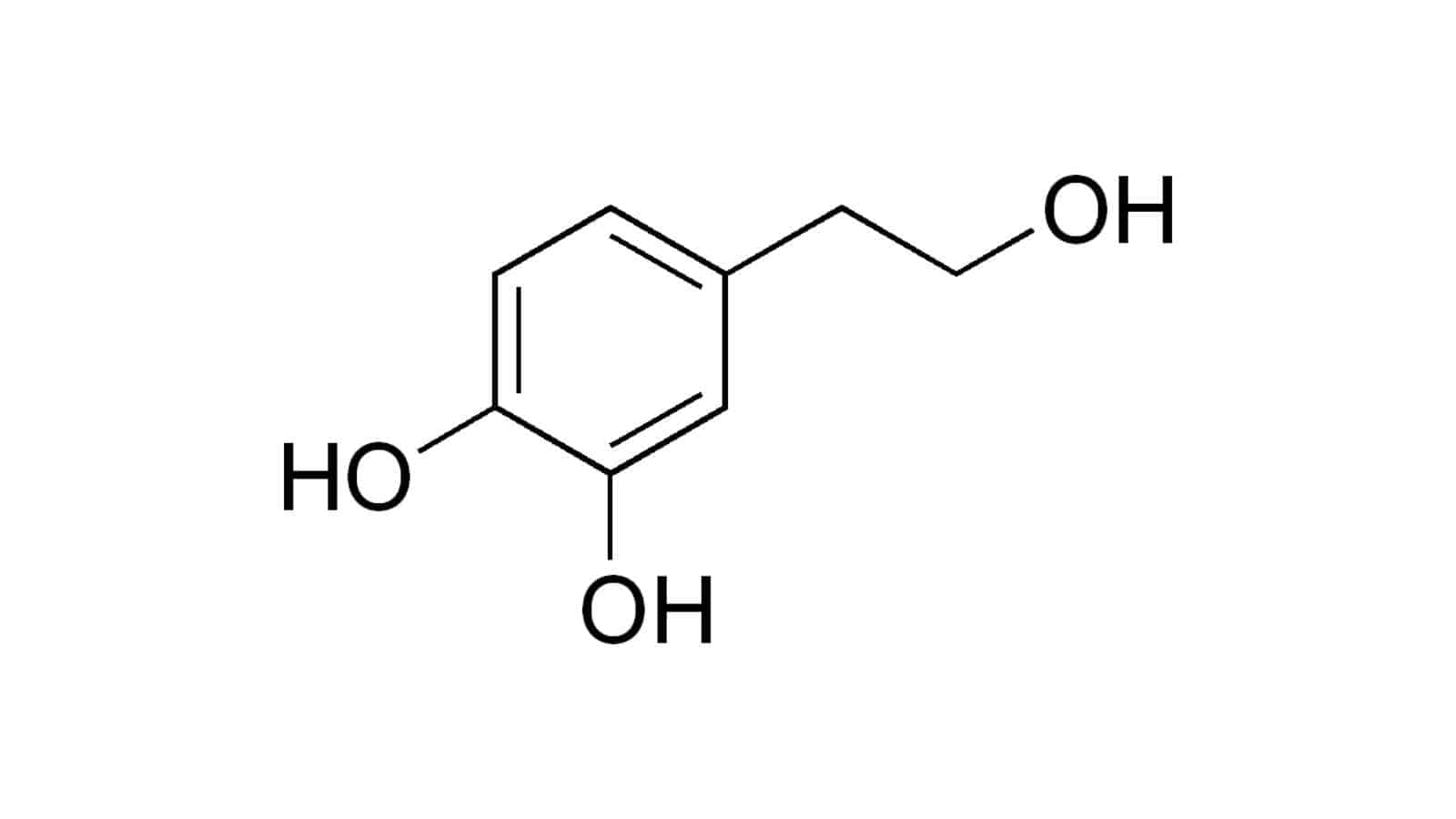
Extra virgin olive oil contains biophenols such as hydroxytyrosol and oleocanthal, compounds with anti-inflammatory and antioxidant properties. These molecules are largely removed during refining, which helps explain why extra-virgin oil consistently outperforms refined versions in trials.
In cognitive studies, improvements in blood-brain barrier function were observed only with oils rich in phenolics. Chronic inflammation and oxidative stress drive atherosclerosis, neurodegeneration, and metabolic disease. Olive oil’s chemistry appears to interrupt these pathways at multiple points, offering protection that extends beyond cholesterol numbers.
Cardiologists Take It Seriously

Save this article
Olive oil’s credibility has grown in cardiology circles. The CORDIOPREV trial is comparing a Mediterranean diet rich in virgin olive oil with a low-fat diet in people with established coronary heart disease. Early results showed fewer cardiovascular events in the olive oil-rich group, reported as 28.1 versus 37.7 events per 1,000 person-years.
The composite outcome includes myocardial infarction, revascularization, ischemic stroke, peripheral artery disease, and cardiovascular death. Together with PREDIMED, these findings frame olive oil-based Mediterranean diets as clinically effective strategies, not just lifestyle advice.
Cancer Signals in Long Follow-Up

The long-term U.S. follow-up analysis linked higher olive oil intake to lower cancer mortality, along with reductions in cardiovascular and neurodegenerative deaths. The Spanish Mediterranean cohort similarly reported lower cancer mortality among those consuming two or more tablespoons per day.
Proposed mechanisms include reduced oxidative DNA damage, modulation of sex hormones, and anti-inflammatory effects from olive oil phenolics. While olive oil is not positioned as an anticancer therapy, the consistency across cohorts suggests it may shape cancer risk over decades.
Metabolic Health Without Weight Gain

Mediterranean diet trials rich in olive oil have repeatedly shown improvements in glycemic control and lipid profiles among people with type 2 diabetes and metabolic syndrome. Improved insulin sensitivity and reduced triglycerides appear to mediate much of the benefit.
Importantly, PREDIMED found that a high-fat Mediterranean diet supplemented with extra virgin olive oil did not lead to weight gain compared with a low-fat diet. The finding challenged the idea that fat quantity matters more than fat quality and reframed olive oil as metabolically supportive rather than indulgent.
A Marker of a Longer Pattern

Olive oil is often described as the signature fat of the Mediterranean diet. This dietary pattern is associated with lower rates of coronary heart disease, stroke, and overall mortality in Southern Europe. In U.S. cohorts, participants with Southern European ancestry who used more olive oil showed stronger mortality benefits.
Researchers caution that olive oil works best as part of a plant-forward pattern rich in vegetables, legumes, and whole grains. It is not a magic add-on to ultra-processed diets. Its power lies in what it replaces, and the culture of eating it represents.
How Much Is Enough

Across studies, benefits appear at modest intakes. In U.S. cohorts, more than half a tablespoon per day marked a meaningful threshold. In Spain, two tablespoons per day distinguished lower risk groups. Cognitive trials administered daily doses of extra-virgin olive oil over many months.
Experts tend to translate this evidence into practical advice. Use extra virgin olive oil as the primary added fat for dressings, cooking, and spreads. Replace butter, margarine, and mayonnaise with olive oil rather than layering them on top. Consistency matters more than precision.
Key Takeaway

Olive oil, especially extra-virgin, is one of the few everyday foods repeatedly linked in large human studies to longer life, better heart health, and healthier brains.
These benefits are most evident when it replaces animal and refined fats within a Mediterranean-style diet.
Disclaimer – This list is solely the author’s opinion based on research and publicly available information. It is not intended to be professional advice.
Like our content? Be sure to follow us





