

If you’ve been dealing with bloating, sluggishness, brain fog, or low energy, your gut may be trying to tell you something.
Scientists now know that the trillions of bacteria living in your digestive system do far more than help digest food. They play important roles in metabolism, immune function, and even communication between the gut and the brain. When that delicate balance is disrupted, the effects can extend far beyond your stomach.
Gastroenterologist Dr. Will Bulsiewicz has long argued that improving gut health isn’t just about adding probiotics or supplements—it’s also about reducing the foods that may disrupt the microbiome. Here are 12 everyday foods he recommends limiting or avoiding to help support a healthier gut.
Dairy, For Some
While yogurt can be beneficial, many people lack the enzyme lactase needed to properly digest the lactose sugar found in milk and soft cheeses. For these individuals, consuming dairy can cause immediate gas, bloating, and diarrhea as undigested sugar ferments in the gut.
Even for those who are not lactose intolerant, high-fat dairy can sometimes slow digestion and contribute to inflammation. Experimenting with elimination can help you determine whether dairy is a friend or foe in your system.
Greasy Fried Foods
Fried foods like French fries and fried chicken are notoriously hard for the body to break down and digest. The high fat content can slow stomach emptying, leading to bloating, nausea, and uncomfortable fullness that lasts for hours. Furthermore, the oils used in frying are often high in omega-6 pro-inflammatory fatty acids.
Regular consumption of these foods can promote the growth of harmful gut bacteria that thrive on unhealthy fats. This can lead to a decrease in the diversity of your microbiome, which is a key marker of poor gut health.
Ultra Processed Meats
Bacon, sausage, and deli meats might be a convenient breakfast or lunch option, but they are catastrophic for your gut microbiome. These products are loaded with nitrates and preservatives that can damage the lining of the bowel and increase the risk of chronic disease.
Eating just 50 grams of processed meat daily increased the risk of colorectal cancer by 18%. These meats are often high in saturated fats, which can promote the growth of harmful bacteria in the gut, crowding out the beneficial ones.
Refined White Sugar
Sugar is not just empty calories; it is fertilizer for the “bad” bacteria and yeast in your gut, such as Candida. When you consume high amounts of refined sugar, you are essentially feeding the enemies of your microbiome, allowing them to multiply and overpower the good bacteria. This imbalance, known as dysbiosis, can lead to sugar cravings that perpetuate a vicious cycle of poor eating.
The inflammation caused by excess sugar can also weaken the intestinal wall, leading to a condition often called “leaky gut.” This allows toxins to escape into the bloodstream, triggering an immune response that affects your entire body. Cutting down on sweets is one of the fastest ways to reduce systemic inflammation.
Artificial Sweeteners
You might think you are doing your body a favor by choosing “diet” sodas or sugar-free snacks, but artificial sweeteners can be just as damaging. Substances such as aspartame, sucralose, and saccharin have been shown to alter the composition of gut bacteria, leading to glucose intolerance.
A study in the PMC demonstrated that these non-caloric sweeteners could induce metabolic changes similar to those caused by obesity. These chemicals can trick your body and your microbiome, disrupting the natural signals that regulate metabolism and hunger.
Alcohol And Spirits
While a glass of wine might help you relax, alcohol acts as a direct irritant to the lining of your digestive tract. It can increase stomach acid production, leading to heartburn and gut barrier damage. Chronic alcohol consumption is linked to a condition called “dysbiosis,” where the balance of gut bacteria is severely disrupted.
Research from the National Library of Medicine indicates that alcohol can also increase intestinal permeability, allowing toxins to leak into the bloodstream. This “leaky gut” phenomenon is a root cause of widespread inflammation and immune system dysfunction.
Refined Grains And Flours
White bread, pasta, and pastries are stripped of their fiber and nutrients during processing, leaving products that rapidly spike blood sugar. Without fiber to feed them, your beneficial gut bacteria starve, while harmful bacteria feast on the easily accessible starches. This lack of fiber is a major contributor to constipation and sluggish digestion.
A diet high in refined grains has been linked to higher levels of inflammatory markers in the blood. Choosing whole grains like quinoa, oats, and brown rice provides the necessary prebiotic fiber your gut bugs need to thrive. Whole foods are always the superior choice for metabolic health.
High Sodium Snacks
Potato chips and pretzels are engineered to be addictive, but their high salt content is a disaster for your gut bacteria. Excess sodium can reduce the levels of healthy Lactobacillus bacteria in your microbiome, which are crucial for immune defense.
These snacks are also typically ultra-processed and devoid of the fiber needed to support digestion. The combination of salt, unhealthy fats, and lack of nutrients makes them a triple threat to your gut health. Reaching for nuts or seeds is a much smarter way to satisfy a savory craving.
Sugary Carbonated Drinks
Soda combines the worst elements for gut health: high sugar (or artificial sweeteners), carbonation, and zero nutritional value. The carbonation introduces gas into the digestive tract, causing immediate bloating and distension for many people. The massive sugar load shocks the liver and immediately feeds harmful bacteria.
Regular consumption of sugary drinks is strongly linked to type 2 diabetes and obesity, conditions that are deeply intertwined with gut health. Even one soda a day can significantly alter your metabolic profile. Water, herbal tea, or infused seltzers are far better options for hydration.
Save this article
Spicy Foods And Sauces
For those with a sensitive gut or conditions like acid reflux, spicy foods can be a major trigger for discomfort and inflammation. The capsaicin in chili peppers can irritate the lining of the esophagus and stomach, leading to burning sensations and pain.
While spices have health benefits, they can be damaging if your gut lining is already compromised. It is important to listen to your body; if a meal causes pain, it is a sign that your system is under stress. You can still enjoy flavor through herbs like basil, oregano, and turmeric without the heat.
Industrial Seed Oils
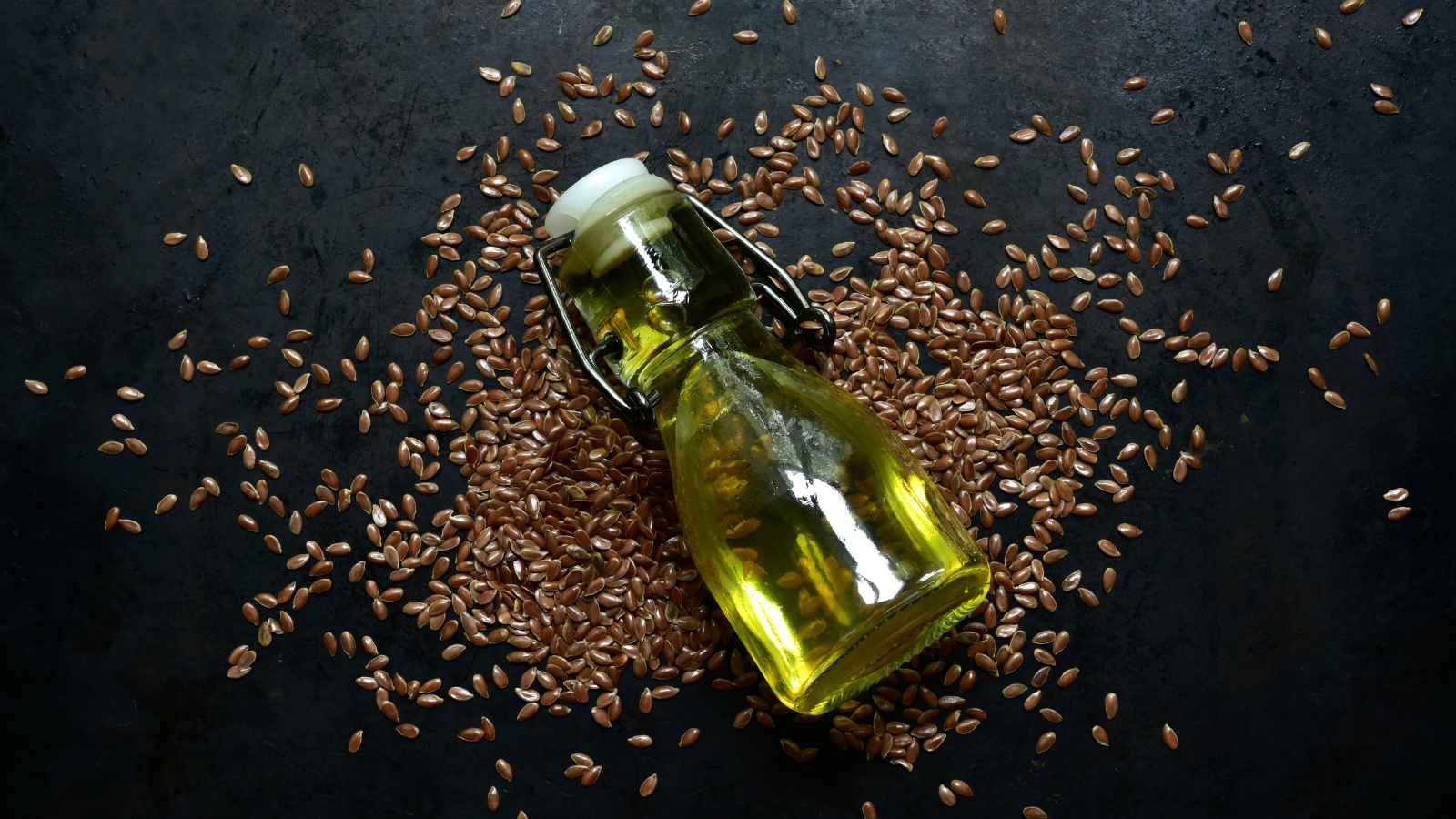
Vegetable oils like soybean, corn, and cottonseed oil are high in omega-6 fatty acids, which can be pro-inflammatory when consumed in excess. These oils are ubiquitous in processed foods and restaurant meals, making them hard to avoid without conscious effort.
An imbalance between omega-6 and omega-3 fatty acids is a known driver of chronic inflammation. Many health experts recommend swapping these for fruit oils like olive oil, avocado oil, or coconut oil, which have better fatty acid profiles.
Food Additives And Preservatives
Emulsifiers like polysorbate 80 and carboxymethylcellulose are used to improve the texture of processed foods, but they can wreak havoc on your gut lining. These additives can erode the protective mucus layer of the gut, leading to inflammation and metabolic syndrome.
These chemicals are found in everything from ice cream to salad dressings, hiding in plain sight on the ingredient label. Eating a diet of whole, unprocessed foods is the only way to ensure you aren’t inadvertently consuming them.
Gluten For Sensitive Individuals
For people with celiac disease or non-celiac gluten sensitivity, gluten triggers an immune response that damages the small intestine. This protein, found in wheat, barley, and rye, can cause severe inflammation and nutrient malabsorption in susceptible individuals.
It is worth noting that many gluten-free processed foods are just as unhealthy as their counterparts, so sticking to naturally gluten-free whole foods is best. Grains like rice, quinoa, and buckwheat are excellent alternatives.
Key Takeaway
Healing your gut isn’t about a single miracle supplement, but about consistently removing the irritants that cause inflammation and dysbiosis. By eliminating these foods, you can cultivate a microbiome that supports your long-term health and energy.
READER QUESTION: Have you ever noticed a difference in how you feel after cutting back on certain foods? Tell us below in the comments.
More articles:
- 10 antioxidant-rich foods that support immune defense
- Why yogurt and fruit may be one of the smartest snacks for long-term health & decreasing belly fat
- 12 reasons carrot juice should be part of your daily routine
Common spices linked to colon cancer prevention

In the quiet routine of seasoning a meal, you may be adding small, powerful defenses against one of the most common cancers.
Your spice rack might actually be hiding some powerful health benefits. It turns out that a handful of common pantry staples pack a serious punch against serious illnesses. Medical researchers are looking closely at how everyday seasonings can fight back against cellular damage in the digestive tract. Learn more.
12 ways extreme heat can change the way your body handles coffee

In places where the air no longer cools after sunset, even something as routine as coffee can feel like a different choice.
Your morning cup is still part of many people’s daily rhythm, but in hotter regions, extreme heat can change how the body responds to it. Across parts of the American Southwest, sustained high temperatures and longer heat waves have made hydration and heat stress more important factors in everyday habits. Learn more.
The key to better sleep and steady energy might come down to one mineral missing in your diet

Most people focus on getting more energy during the day and better sleep at night, but one key nutrient plays a role in both.
Magnesium supports muscle function, nerve signaling, and sleep regulation, yet many people don’t get enough of it through their daily diet. Health experts note that even mild deficiencies can affect rest, recovery, and overall well-being. Learn more.





