

Experienced waiters often read more than just your order, and the smallest signals can shape how the entire dining experience unfolds. In fact, restaurant data shows just how quickly impressions matter. Formbricks reported that 92% of diners say a single bad experience can stop them from returning, highlighting how early behaviors and interactions can set the tone for everything that follows.
That is why seasoned servers learn to spot subtle red flags the moment you open the menu, such as indecision or dismissive behavior. These early cues help them anticipate challenges, adjust their service, and sometimes even predict whether a table will be smooth or stressful long before the first order is placed.
A menu that tries to be everything
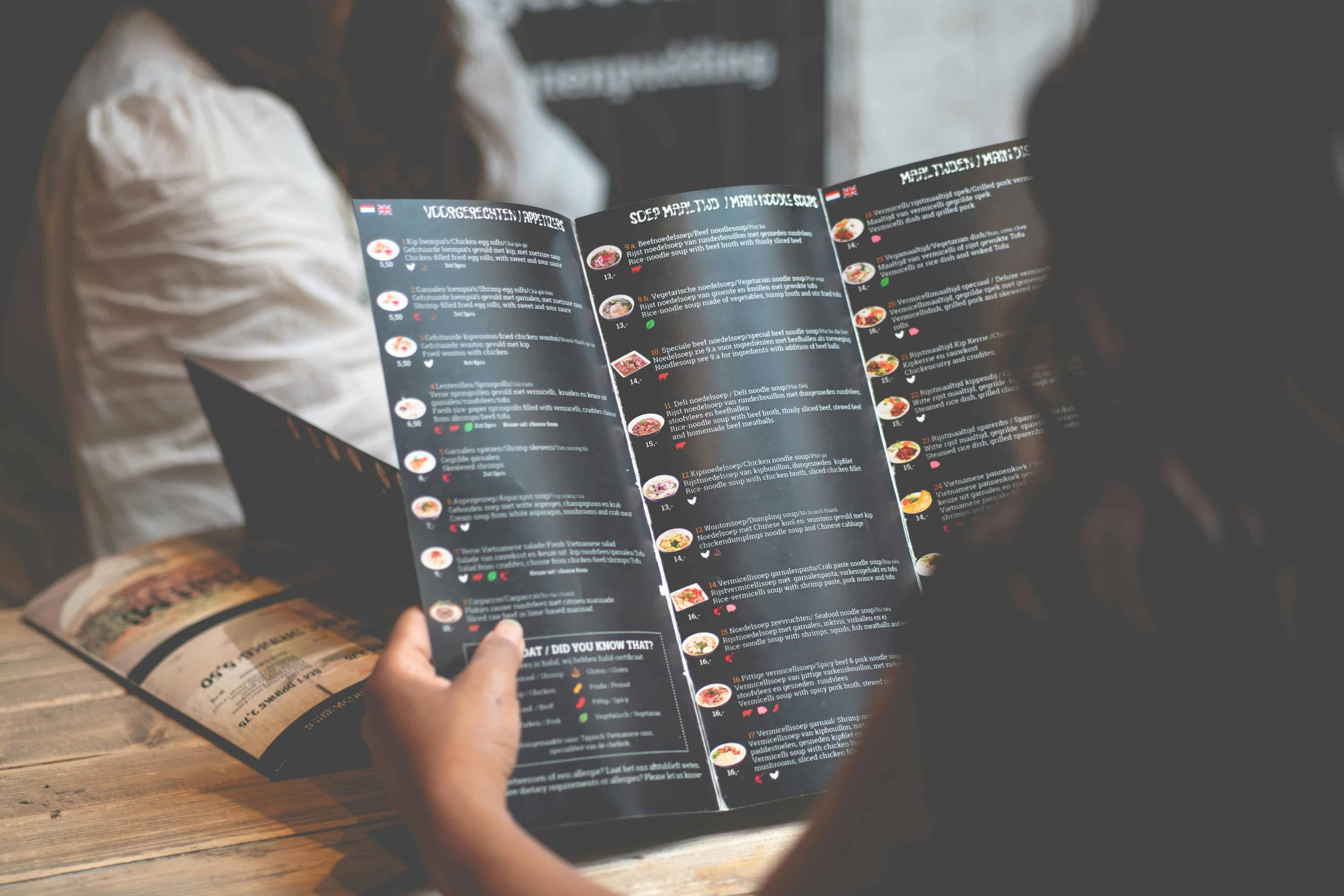
Veteran servers tense at the flip of too many pages. Grocery Coupon Guide notes that huge menus with dozens of items across different cuisines often signal frozen or pre-made food. No small kitchen can keep that many ingredients truly fresh.
The University of Michigan’s “U.S. Cities Factsheet” reminds us that restaurant margins are thin, so waste is deadly. A giant menu spreads stocking risk. It also hides shortcuts. Experienced waiters know that a focused list means confidence. A phone book in laminated plastic usually means a microwave.
Prices that seem to disappear

You open the menu. Somehow, the numbers feel blurry. NetSuite’s guide on menu pricing explains that some operators bury prices in small fonts or light colors to push you toward emotion instead of arithmetic. Other places drop dollar signs to soften the “pain of paying”.
Reddit diners who track this complain that missing or obscured prices often signal “excessive” costs and dynamic markups. Servers notice too. When they see a menu that makes prices hard to compare, they know the night may end with awkward check conversations. Transparency is a good sign. Fog is not.
Buzzwords where details should be

“Farm fresh.” “Artisanal.” “Heritage.” QSR Magazine reports that words like fresh, local, and artisanal have become menu defaults as brands chase a premium image. The article notes that many chains use “local” as a vague term rather than a literal promise.
Seasoned waiters look for specifics instead. A farm name. A region. A variety. When every third dish is “chef’s special creation” with no real description, it starts to feel like costume jewelry. The language sparkles, but nothing in the kitchen has actually changed. Real quality tends to speak in concrete nouns, not foggy adjectives.
Decoy prices that warp your sense of value

Sometimes the most expensive dish is bait. NetSuite’s 2025 menu pricing guide describes decoy pricing as the practice of placing a very costly item next to a high-margin target dish. The decoy makes the target feel like the value choice.
Olvera Advisors gives a simple example. Put a $78 steak above a $54 steak. The $54 option suddenly seems reasonable. Hospitality research cited there notes that decoys reliably shift guests toward the intended item. Servers see those odd, rarely ordered showpieces and know the real goal is not to sell them. It is to bend your idea of “affordable.”
Overloaded photos that oversell
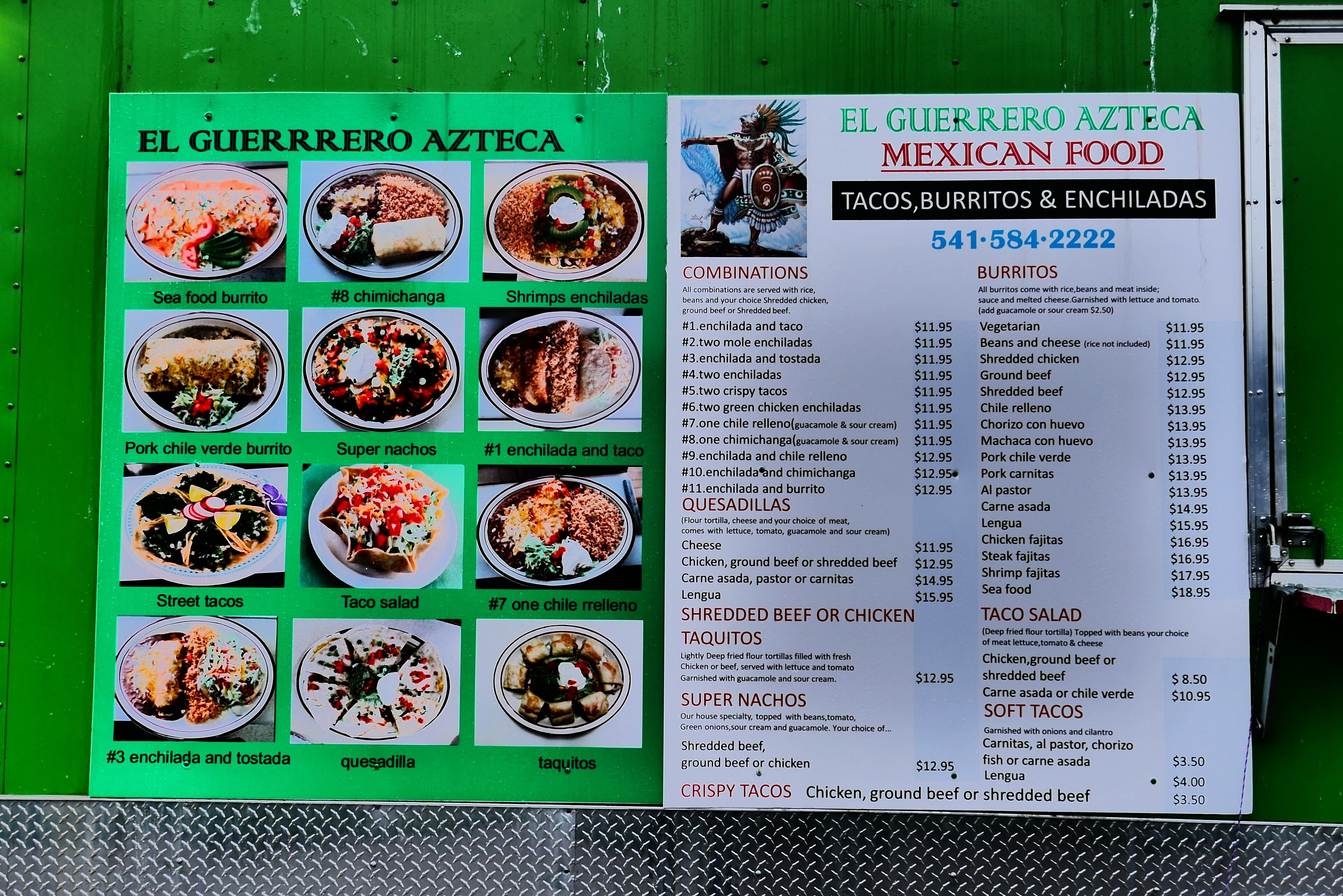
Good photos can help. Bad photos shout. A 2016 paper in Food Quality and Preference, “Do Pictures Help,” found that attractive images with clear names can raise willingness to pay and purchase intent. But when names are vague, heavy imagery can backfire for some guests.
Waiters watch guests flinch at greasy, oversaturated pictures. They know that in many mid-tier places, photos mark the highest margin items, not the best ones. Artful, sparing imagery feels aligned with care. A menu plastered edge-to-edge with stock photos feels like a billboard, not a craft. It warns them that the substance may lag behind the gloss.
Menus that never seem to change
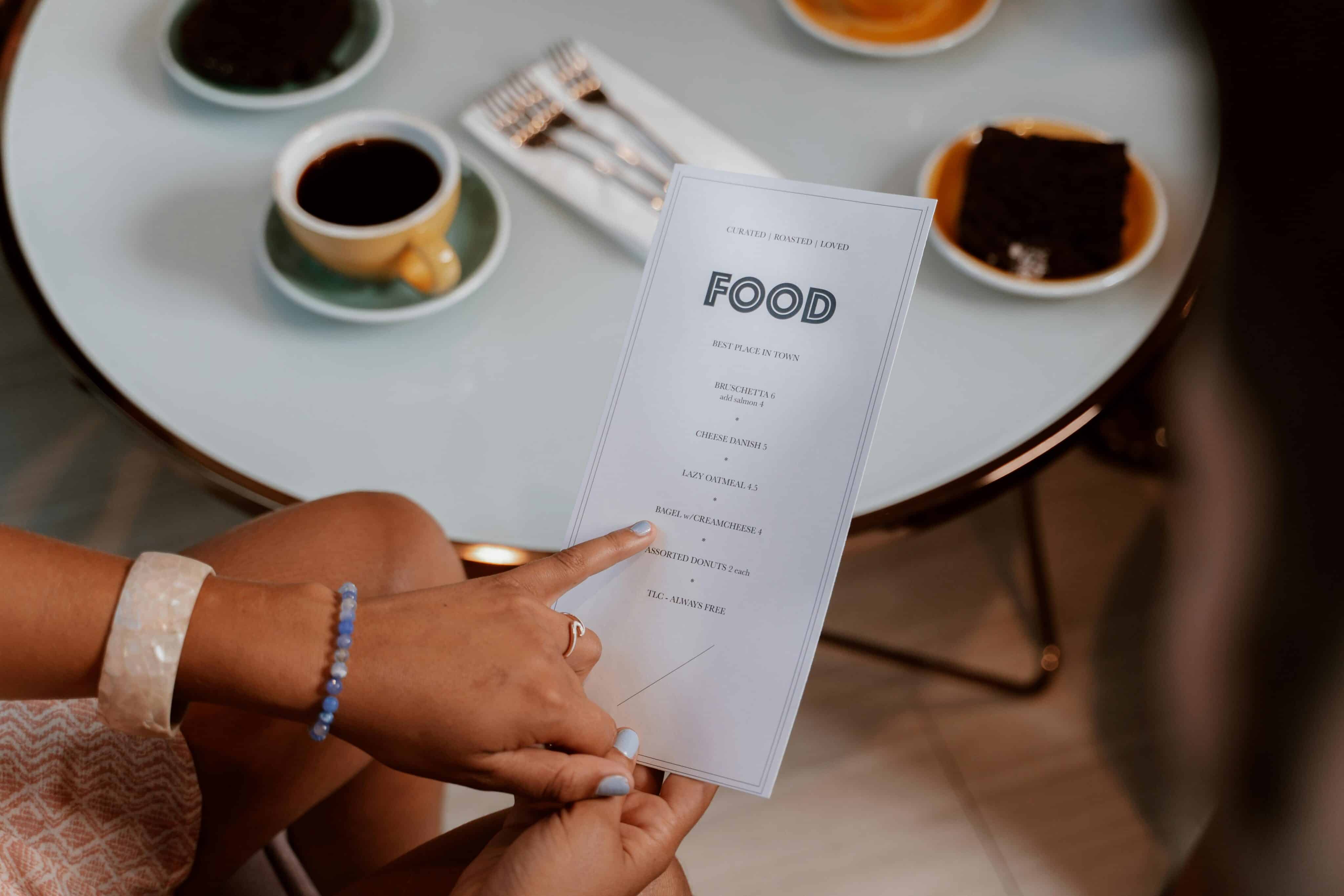
A static menu can start to smell stale. Industry advisors often urge seasonal rotation, both to manage costs and highlight real ingredients. When nothing has moved for years, servers suspect the freezer has become the true pantry.
Grocery Coupon Guide’s breakdown suggests that focused, changing menus usually rely more on fresh elements, while giant, fixed lists lean on pre-made components. Regulars and waiters both notice when “specials” remain identical from month to month. If the menu reads like an old phone directory, the food may taste like one too.
Save this article
“Market price” without any market
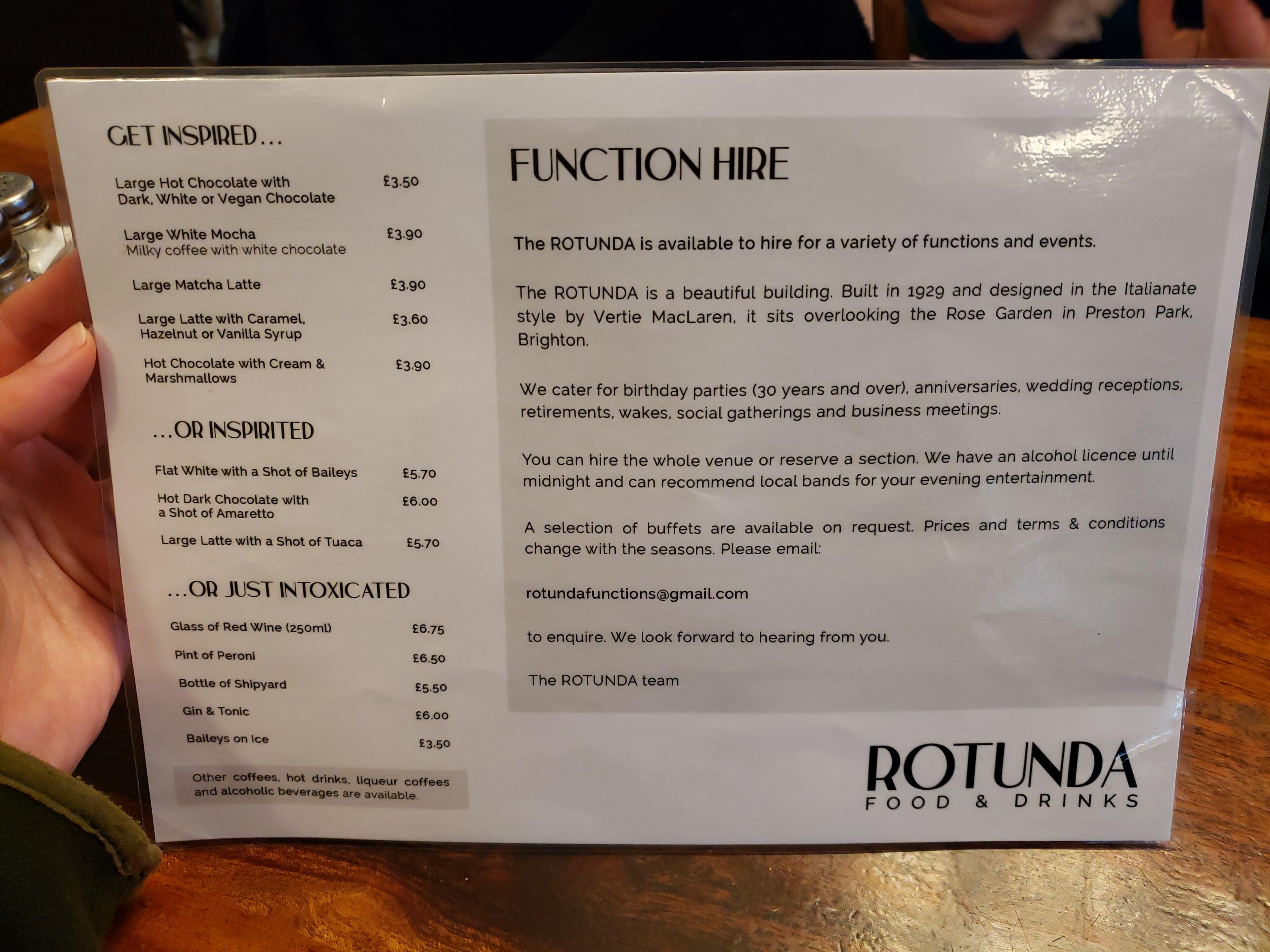
Market price can be honest. It can also be a shield. NetSuite notes that leaving prices off certain items gives restaurants room to adjust for volatile costs or nudge margins upward quietly. Done well, servers explain the number clearly at the table.
Online, diners complain that “market price” often appears without context or verbal explanation, leaving them exposed to sticker shock. Experienced waiters watch management closely here. If staff are discouraged from saying the number out loud, that is a red flag. A real market has quotes. A fake one has a mystery.
Tiny fonts and visual confusion
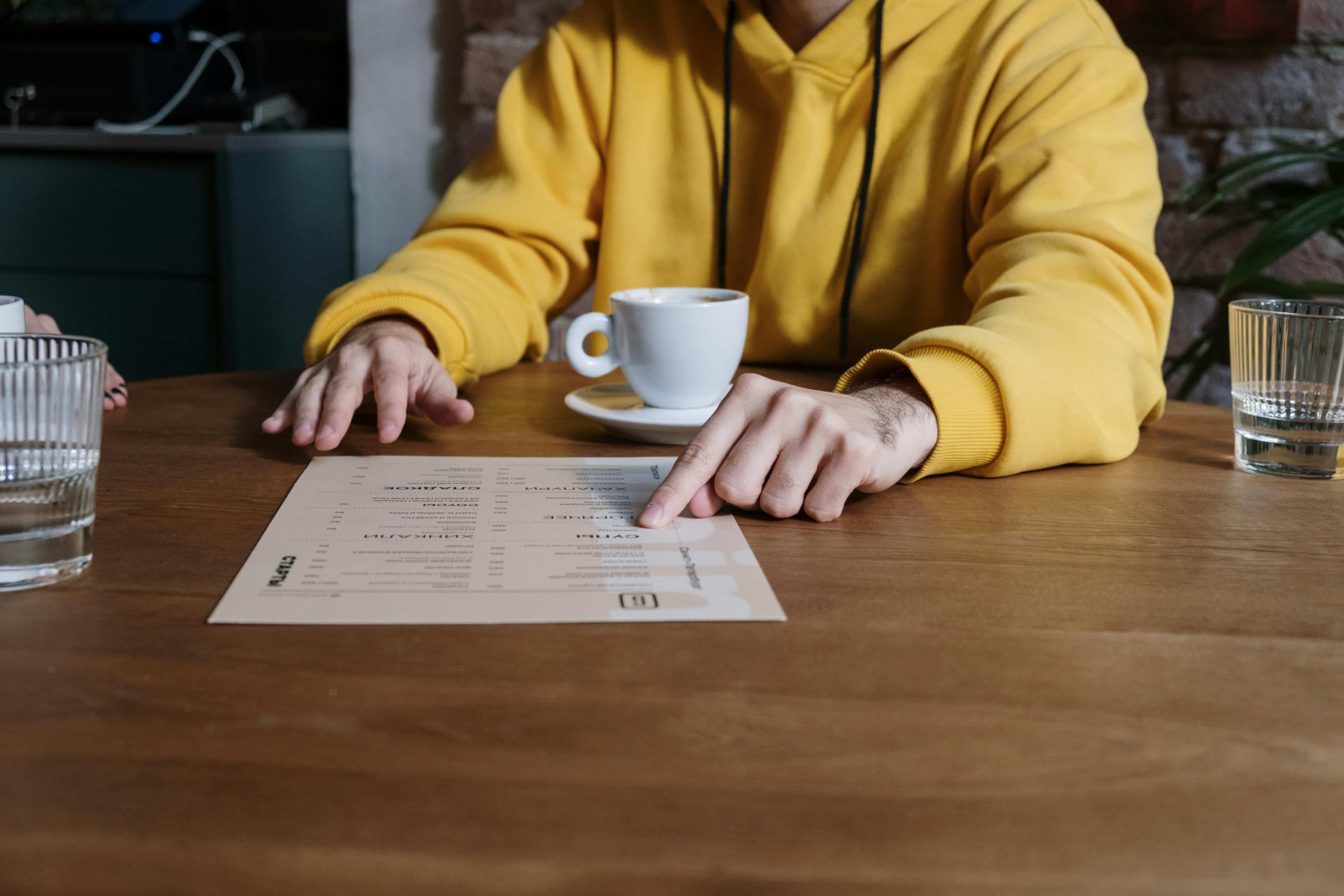
Menus speak in layout as much as language. Confusing fonts, cramped spacing, and poor contrast all strain the eyes and shift focus from pricing to impulse. When key details are hard to scan, people default to highlighted items.
Servers see the fallout. Guests squint. They accidentally order the wrong size or add-ons. Then they argue at the table. A clear, readable menu signals respect. Chaos on the page hints that management is more interested in steering than informing. For a seasoned waiter, cluttered typography is not just bad design. It is a small ethical tell.
Too many cuisines for one kitchen

Thai next to tacos next to sushi. The mashup can look exciting. Grocery Coupon Guide bluntly calls the “jack of all trades” menu a warning sign, because no kitchen can master that many techniques with fresh stock. Ingredient lists balloon. Waste and shortcuts follow.
Servers know what the tickets look like when the dining room fills. Pasta, ramen, fajitas, and curries all slam the same line at once. The grill cook moves from the marinade to the stir-fry pan in seconds. When a menu reads like a world tour, a veteran waiter sees something else. A stressed kitchen, a walk-in full of compromises and plates that may never taste as they belong to any place in particular.
Aggressive upsell sections
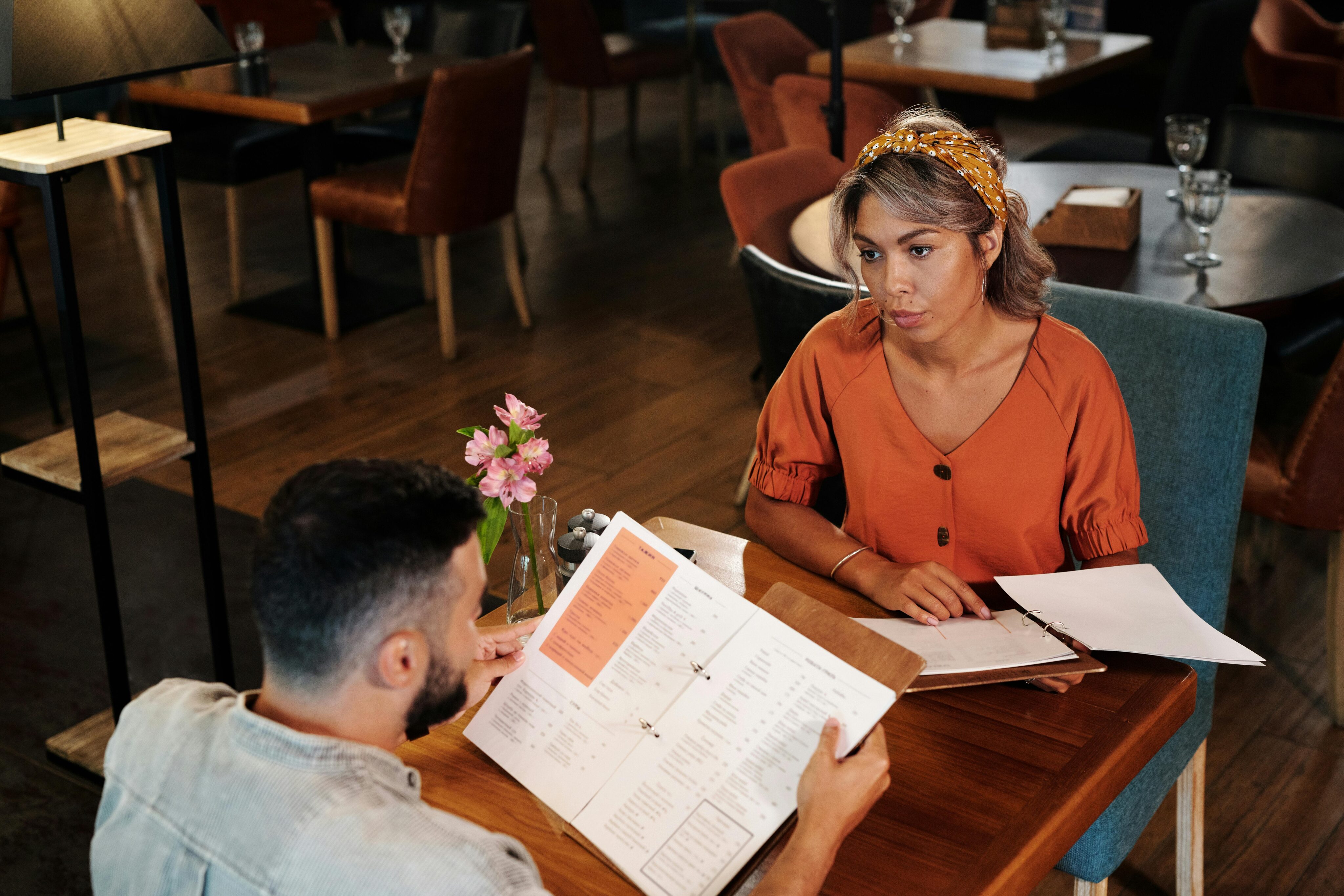
Some menus feel like soft conversations. Others feel like a sales funnel. NetSuite’s pricing guide explains how “add-on” sections and bundle deals are used to push check averages up with sides, toppings, and premium versions.
SpeedLine’s menu psychology tips describe how boxes, bold fonts, and “chef’s pick” tags spotlight high-margin items. Servers watch guests’ eyes land on those hotspots. They also see the disappointment when extras pile up on the bill. A gentle highlight can be helpful. A page that feels like an upsell trap warns staff that the restaurant may prioritize revenue over repeat trust.
Nostalgia that feels generic
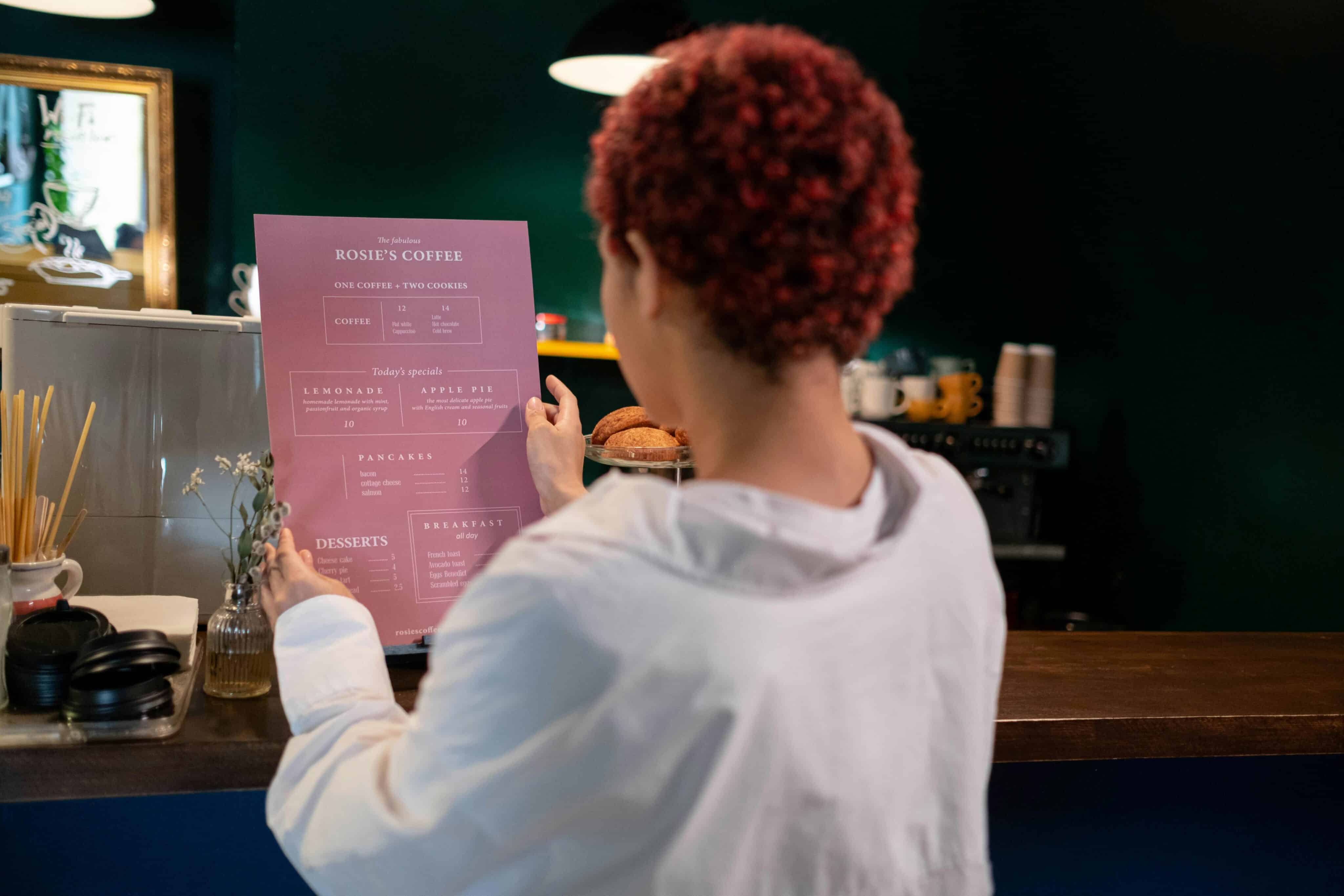
Storytelling can be beautiful. It can also be lazy. SpeedLine’s advice encourages genuine stories about specific recipes or family dishes, not vague tales about “grandma’s kitchen” with no names or dates. Real narrative has detail.
QSR Magazine notes that “local” and “heritage” language is often used broadly, without verifiable ties to an actual place or breed. Waiters notice when every dish claims a secret family recipe or a century of tradition. When the origin story starts to sound copied and pasted, it suggests the brand is built more on mood than memory. That gap frequently shows up on the plate.
No space for questions
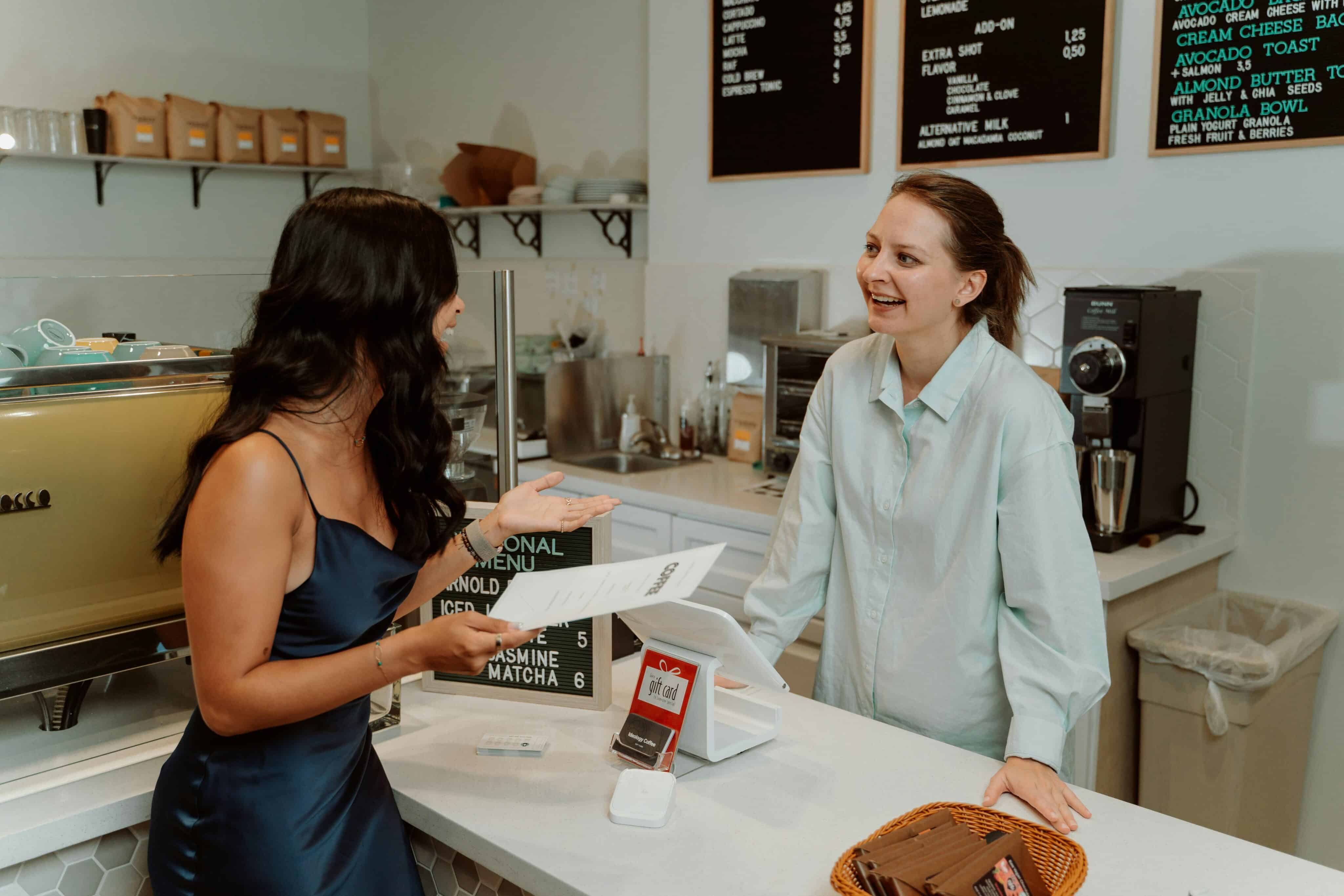
Finally, seasoned servers read the menu for what it does not say. Does it mark allergens? Does it note whether substitutions are possible? Are vegetarian or gluten-free options clearly labeled? Industry guides now stress the importance of clarity on these points for safety and trust.
When a menu hides ingredients and gives no accommodation hints, waiters know they will become translators all night. They also know that some guests will leave feeling tricked. A good menu leaves room for conversation. A bad one turns every question into a negotiation. Servers feel the difference before a single order leaves the table.
Disclaimer – This list is solely the author’s opinion based on research and publicly available information. It is not intended to be professional advice.
Like our content? Be sure to follow us





