Fruits often get grouped together as universally healthy, but their nutritional value varies more than most people expect. Some deliver fiber, vitamins, and antioxidants in dense amounts, while others mainly offer natural sugar and water. When people aim to eat better, they may assume any fruit choice supports that goal equally. In reality, understanding how fruits compare nutritionally can help shoppers make smarter decisions that better support heart health, digestion, and long-term wellness.
A study published by the Centers for Disease Control and Prevention evaluated foods based on nutrient density. It found that not all fruits ranked equally when vitamins, minerals, and fiber were measured per calorie.
Researchers noted that fruits with higher fiber and antioxidant content offered stronger protective benefits. Ranking fruits from least to most healthy highlights where each one shines and where it falls short.
Grapes – delicious, but light on fiber and micronutrients

Composite nutrient density rankings that score foods by vitamins, minerals, fiber, and antioxidants per 100 calories routinely place grapes near the bottom among popular fruits.
Analyses drawing on USDA FoodData Central values show that grapes provide roughly 5 percent of average daily micronutrient needs per 100 calories. In that same calorie window, they provide just 1.3 grams of fiber.
Grapes are not without merit. They supply polyphenols such as resveratrol, long studied for cardiovascular effects, but the nutrient return on calories is modest compared with berries or citrus. In practical terms, grapes behave less like a nutritional cornerstone and more like a naturally sweet indulgence that fits best as a treat rather than a foundation.
Apples – solid fiber, average micronutrients

Apples tend to land in the lower middle of fruit nutrient density lists. Using USDA nutrient data and composite scoring methods, they average about 6 percent of daily vitamin and mineral needs per 100 calories, paired with roughly 4.6 grams of fiber. The Aggregate Nutrient Density Index assigns apples a score near 72, respectable but far from elite.
Their nutritional reputation rests largely on soluble fiber, particularly pectin, which supports gut health and cholesterol metabolism. That contribution matters, but apples do not deliver high concentrations of vitamins or minerals per calorie. They help most through fiber rather than micronutrient intensity, making them reliable but not standout performers.
Bananas – potassium heroes with moderate density

Nutrient density rankings compiled from USDA Food Data Central and summarized using nutrition scoring models show that bananas provide about 7 percent of the average daily micronutrient needs per 100 calories. They also provide roughly 2.3 grams of fiber. This places them below many berries and citrus fruits when nutrients are adjusted for energy.
Bananas excel in potassium and vitamin B6, nutrients tied to nerve function and energy metabolism. ANDI-style systems consistently rank bananas in the middle tier of fruits, behind strawberries, blackberries, and blueberries. They shine as fuel and convenience food, but they are not the most efficient vehicle for broad-spectrum nutrients.
Watermelon – hydrating, light, and lycopene-rich

Watermelon ranks low for fiber at about 0.4 grams per 100 calories, according to Healthline data. However, it contributes meaningful amounts of vitamin A, vitamin C, and the carotenoid lycopene. Composite nutrient density models place watermelon at around 7 to 8 percent of the average daily intake of vitamins and minerals per 100 calories.
Nutrient density indexes typically rank watermelon above grapes, yet below more concentrated fruits such as berries and kiwi. Its value lies in hydration and antioxidant content rather than fiber or mineral density. Watermelon is refreshing and protective in specific ways, though it is not designed to deliver maximum nutrition in small portions.
Peaches and stone fruits – gentle nutrient boost

Peaches and similar stone fruits provide a moderate nutrient return. Using USDA FoodData Central values, peaches provide close to 9 percent of the average daily micronutrient intake and about 3.8 grams of fiber per 100 calories. The Aggregate Nutrient Density Index places peaches in the low 70s, slightly above apples and pineapple.
They contribute vitamin C, potassium, and diverse polyphenols, though at lower concentrations than those found in berries or citrus fruits. Stone fruits tend to enhance dietary variety rather than dominate nutritional rankings. They are supportive players that add flavor and modest nutrients without dramatically shifting overall nutrient density.
Mango and pineapple – vitamin-rich tropicals

Save this article
Mango and pineapple deliver a stronger micronutrient profile than many temperate fruits. USDA-based nutrient tables show that a mango provides roughly 9 percent of the average daily vitamin and mineral intake per 100 calories. Pineapple reaches closer to 13 percent, driven by its vitamin C and manganese content.
ANDI rankings typically place pineapple above apples and cherries but below berries and citrus fruits. Mango adds provitamin A alongside vitamin C, while pineapple offers enzymatic compounds such as bromelain. These fruits provide meaningful nutrition, though their calorie-to-nutrient ratio remains slightly less efficient than that of top-ranked options.
Oranges and citrus – vitamin C workhorses

Oranges consistently rank high in nutrient density models. Based on USDA data, oranges provide about 12 percent of the average daily micronutrient intake and roughly 5 grams of fiber per 100 calories. The Aggregate Nutrient Density Index assigns oranges a score of around 109, placing them among the stronger fruit performers.
They are especially rich in vitamin C, folate, and potassium, nutrients central to immune, cardiovascular, and cellular health. Citrus fruits earn their long-standing reputation not through novelty but through reliability. They offer a dense package of essential nutrients without excessive calories or sugar concentration.
Kiwi and cantaloupe – underrated nutrient bombs
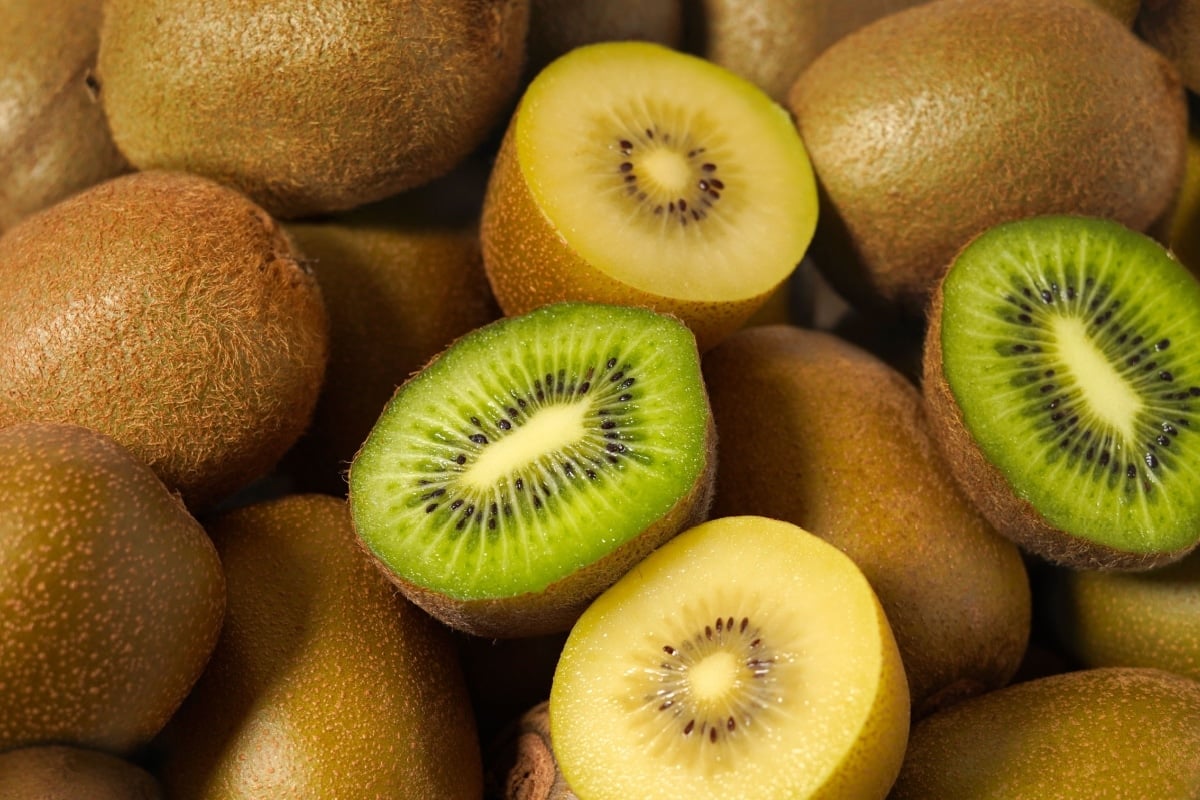
Kiwi and cantaloupe rank quietly high on nutrient density scales. Composite scoring systems using USDA data estimate both at roughly 14 percent of the average daily vitamin and mineral intake per 100 calories. Kiwi is especially concentrated in vitamin C and potassium, while cantaloupe delivers substantial vitamin A alongside vitamin C.
ANDI scores place cantaloupe near 100 and kiwi just below that threshold, rivaling or exceeding many more fashionable fruits. These results position them as efficient nutrient carriers that often outperform apples and bananas, despite receiving far less cultural attention in discussions of healthy eating.
Blueberries and mixed berries – fiber and polyphenol powerhouses

Per 100 calories, blueberries provide about 13 percent of average daily micronutrients and roughly 5.3 grams of fiber, according to USDA FoodData Central. Raspberries and blackberries go further, exceeding 12 grams of fiber and reaching over 20 percent average micronutrient coverage in the same calorie range.
ANDI and similar nutrient density systems consistently place berries at or near the top of fruit rankings. Their richness in anthocyanins and related polyphenols contributes to their outsized reputation. These compounds link berries to cardiovascular, metabolic, and cognitive health through both nutrient density and bioactive effects.
Cranberries and super-dense fruits – the top of the charts

Aggregate Nutrient Density Index data rank fresh cranberries as the highest-scoring fruit overall. They are followed closely by strawberries, blackberries, raspberries, and blueberries. These fruits deliver exceptional percentages of daily vitamins, minerals, fiber, and phytonutrient intake per 100 calories, surpassing sweeter, lower-fiber options.
Cranberries and pomegranate, often cited in nutrition reviews, are especially rich in distinctive polyphenols associated with heart health, urinary health, and anti-inflammatory benefits. Their dominance reflects efficiency rather than exclusivity, showing how certain fruits concentrate protective compounds into remarkably small calorie packages.
Key takeaways

Berries, citrus, and many tropical fruits deliver more nutrients per calorie than sweeter, lower-fiber fruits like grapes or some apples. However, a lower ranking does not mean a fruit is unhealthy.
It simply reflects nutrient density, not nutritional worth, and every fruit can still belong in a balanced diet.
Disclaimer – This list is solely the author’s opinion based on research and publicly available information. It is not intended to be professional advice.
Like our content? Be sure to follow us