

When you hear “detox,” what comes to mind? A flashy juice cleanse? A trendy tea that promises to flush your system overnight? Your liver and kidneys are already expert detox labs. They don’t need gimmicks. They need support. And the simplest, most delicious way to help them do their job? Fruit.
Yes, fruit. Not as a miracle elixir, but as a daily tool to improve metabolic health, boost antioxidant defenses, support bile flow, and keep urine output steady. Japanese cohort data show that low intake of fruits, vegetables, β-carotene, and fiber correlates with more advanced CKD stages.
Basically, fruit helps your internal plumbing run smoother while reducing oxidative and inflammatory stress.
Why We’re Obsessed With “Detox”

It’s not just marketing hype. Metabolic dysfunction–associated steatotic liver disease (MASLD, formerly called NAFLD) now affects roughly 30–32% of adults worldwide, up from 22% in the early 1990s to over 37% by 2019.
Meanwhile, chronic kidney disease (CKD) touches 9.5% of the global population, and the overall burden grew by about one‑third from 1990 to 2017. Low fruit and vegetable intake is common in advanced CKD, and higher intake is linked to lower all-cause mortality—even in people already living with kidney disease.
So when people reach for “detox” products, the instinct is understandable. But the real path to protecting your liver and kidneys is less about flashy cleanses and more about consistent, daily fruit habits that improve oxidative stress, inflammation, insulin resistance, and blood pressure.
Fruit Isn’t Unlimited: Key Caveats

Before you start blending 10 bananas, 5 apples, and a pint of blueberries every morning, a note of caution. Clinical studies show that more is not always better:
- In one NAFLD trial, pushing fruit intake above four servings per day—on top of a habitual diet—actually worsened liver fat, insulin resistance, and lipid profiles.
- Another small trial in healthy adults, published by PLOS, found that two months of high fruit intake didn’t harm liver fat, suggesting that baseline metabolic context matters.
In short, fruit is great, but moderation counts. Whole fruit in reasonable amounts supports health; bingeing can backfire if the underlying metabolic environment is already stressed.
The Trend Toward “Functional” Fruits

Across Europe and globally, fruit trends are evolving. Consumers increasingly seek “functional” options: antioxidant-rich berries, vitamin C-dense citrus, and snackable formats like blueberry punnets or cut fruit packs.
Organic and low-pesticide fruits marketed for immunity, gut health, or liver support are also climbing in demand. Functional fruits are quietly replacing sugary detox teas—and with good reason: the evidence backs them.
Oranges, Lemons, Limes

Citrus fruits are the poster children for liver support. A 2024 randomized trial in people with MASLD found that eating a whole orange daily for four weeks reduced liver fat prevalence by 30% compared with controls—without any weight loss.
Citrus flavonoids like naringin and naringenin improve lipid profiles and reduce liver injury markers. Preclinical studies also show compounds like auraptene, abundant in citrus peel, may slow progression from simple fatty liver to inflammatory disease.
Quick takeaway: “Daily citrus provides vitamin C plus specialty flavonoids that improve blood fat handling and may lighten fat buildup in the liver.”
Blueberries

These tiny, deep-colored berries punch well above their weight. Animal studies show they reduce liver oxidative stress, prevent chemically induced hepatic fibrosis, and improve liver enzymes. In older rats, four weeks of blueberry extract reversed age-related increases in liver weight, triglycerides, cholesterol, inflammatory cytokines, and fibrosis markers.
Human trials consistently link berries with improved oxidative stress biomarkers and cardiometabolic health—supporting liver protection in at-risk adults.
Grapefruit and Orange Segments

Naringenin-rich segments provide hepato- and renoprotective effects, lowering liver enzyme levels, lipid peroxidation, and inflammatory markers. They also influence fatty-acid metabolism and insulin sensitivity, making citrus a plausible adjunct in metabolic liver disease management.
Caveat: grapefruit can interfere with certain medications due to CYP3A4 inhibition.
Apples and Pears

Save this article
Apples and pears are rich in soluble fiber (pectin), which can improve lipid profiles and insulin sensitivity, easing metabolic stress on the liver. Large analyses published by ScienceDirect have linked higher intakes of these fruits to lower chronic liver disease mortality.
They act as gentle, long-term “metabolic detox partners,” helping regulate blood sugar and cholesterol over time. Observational studies highlight apples as a staple fruit option for NAFLD prevention and kidney health, particularly when eaten with the peel.
Grapes and Polyphenol-Rich Berries

Dark grapes bring resveratrol and other polyphenols to the table, complementing the benefits of blueberries and mixed berries. Polyphenol-rich grape extracts from Vitis vinifera reduce liver oxidative stress, inflammation, and fibrotic markers in animal studies, while restoring antioxidant systems like glutathione.
Dark grapes or moderate 100% grape juice can supply these compounds, supporting the liver’s natural detox machinery rather than flushing out toxins directly.
Dried Fruits (Prunes, Raisins, Dates)
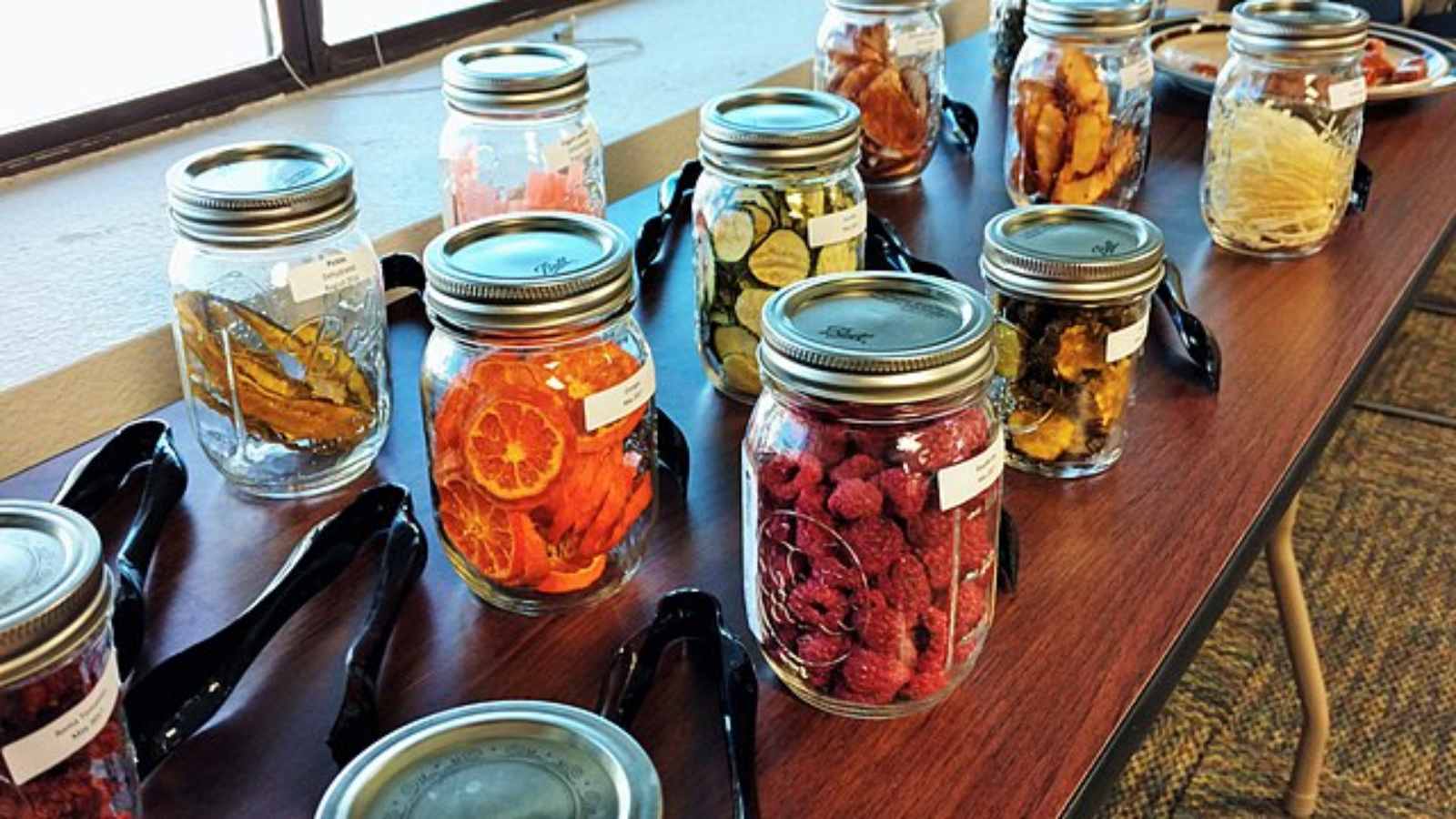
A 2024 Mendelian randomization study in Europe found higher genetically predicted dried fruit intake associated with better kidney markers: lower blood urea nitrogen, creatinine, uric acid, and cystatin C. The effect was strongest in non-smokers and non-drinkers, emphasizing that overall lifestyle context matters.
Takeaway: “Small amounts of dried fruit may support kidney health when paired with a healthy lifestyle.”
Water-Rich Fruits (Watermelon, Cantaloupe)

Hydration is key to kidney health. High fluid intake—about 2–2.5 liters of urine daily—is linked to roughly 60% lower kidney stone recurrence. Water-rich fruits add fluid, potassium, and help maintain acid-base balance and blood pressure, all critical for kidney function.
While clinicians emphasize plain water, snacking on hydrating fruits is a simple, low-friction habit.
Pomegranate
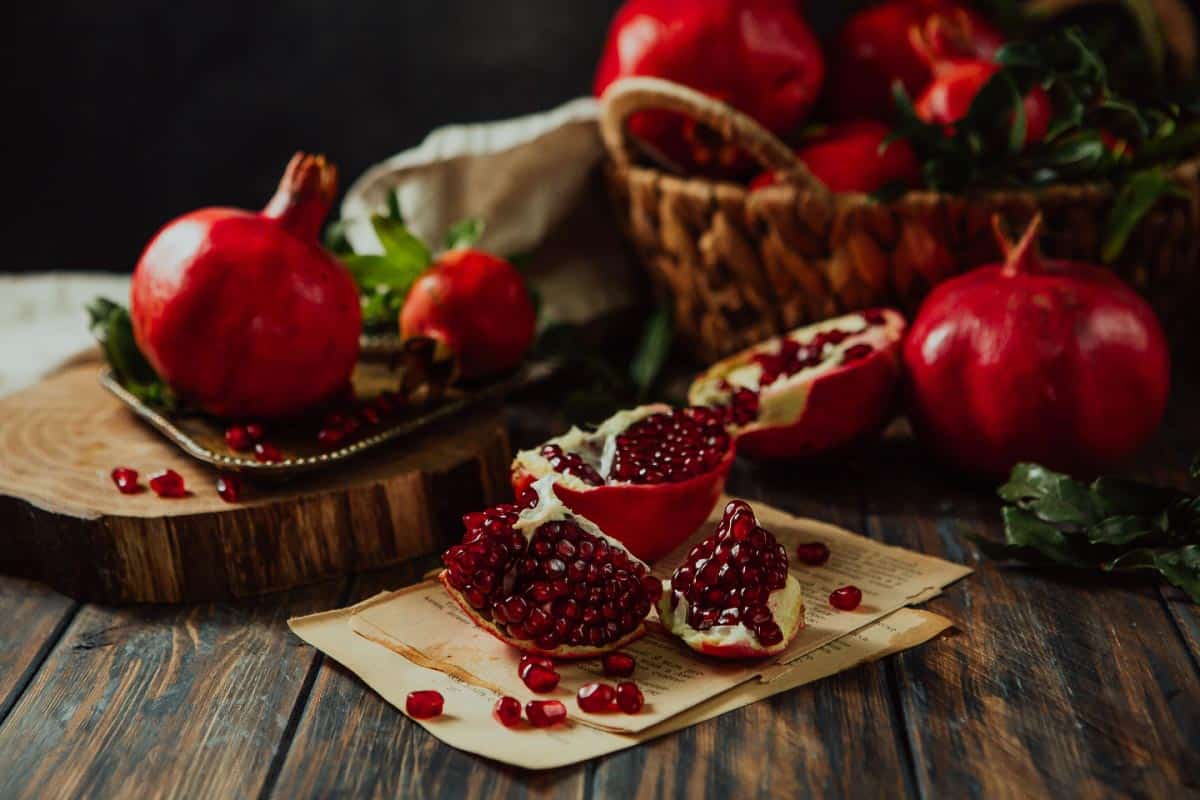
While more research is needed, cardiovascular data suggest pomegranate’s antioxidants may protect microvasculature in both the liver and kidneys. Pomegranate is concentrated in polyphenols with antioxidant and anti-inflammatory effects in liver and kidney injury models.
Studies suggest these polyphenols protect mitochondria, which are essential for energy production in kidney cells and for processing metabolic toxins. This positions pomegranate as a “mitochondria guardian” with downstream benefits for filtration and detox pathways.
Putting It All Together
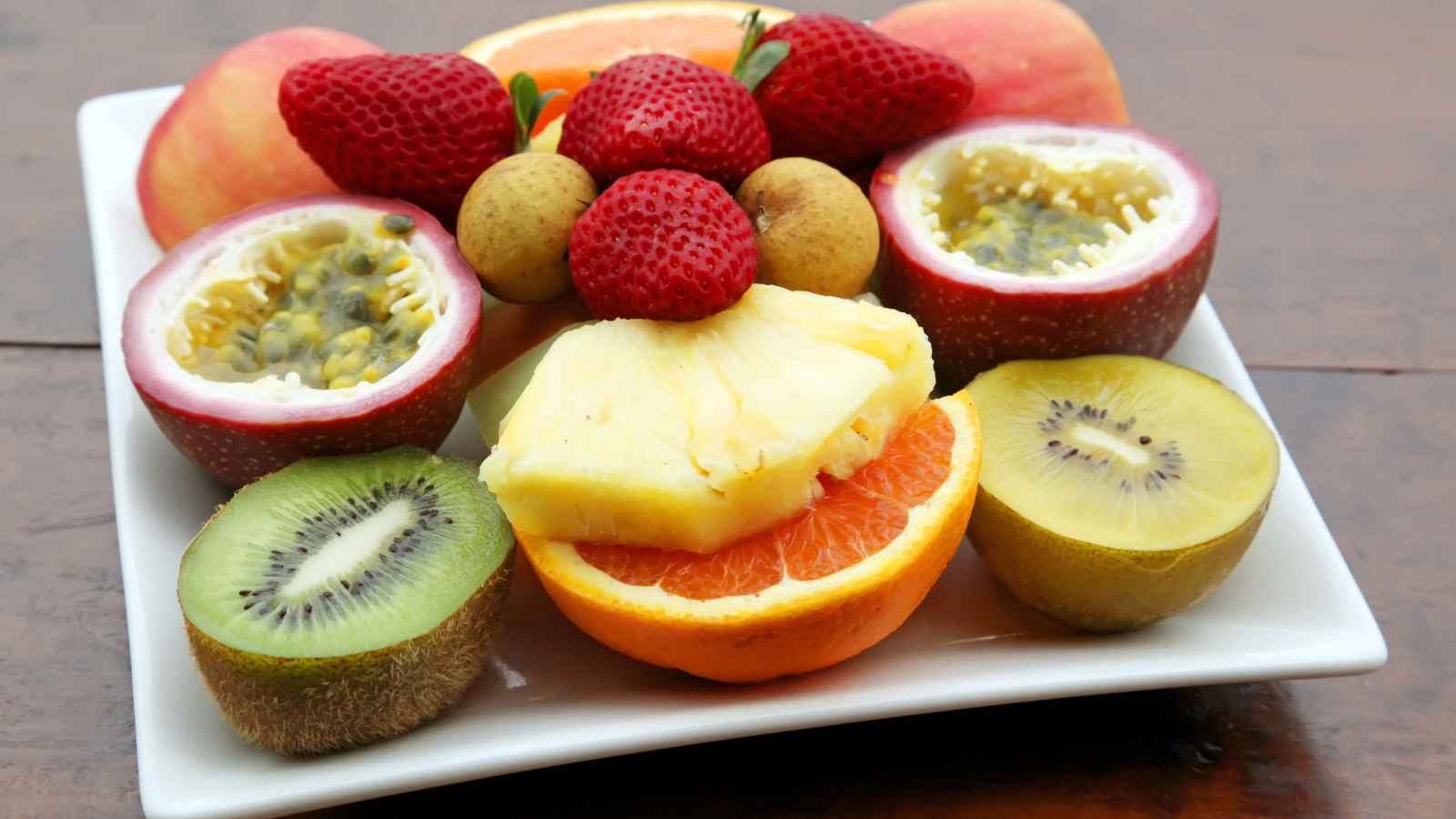
The message is clear: your liver and kidneys don’t need gimmicks—they need steady support. A daily mix of citrus, berries, apples, grapes, pomegranate, water-rich fruits, and moderate dried fruit can reduce oxidative stress, improve bile flow, help manage insulin resistance, and support kidney function.
Experts emphasize:
- The liver and kidneys are the body’s built-in detox labs; fruits help by reducing the oxidative and metabolic workload, not by flushing out toxins on demand.
- In patients with fatty liver, adding some fruit is helpful, but aggressively pushing fruit above four portions a day on top of a high-calorie diet can backfire.
- Deeply colored berries and citrus are particularly interesting because their unique polyphenols show hepatoprotective and nephroprotective effects in experimental models and early human work.
Bottom line: Fruits are your metabolic maintenance toolkit. They aren’t a quick-fix cleanse. They’re your daily allies in the quiet, ongoing work of keeping your liver and kidneys healthy—one colorful, antioxidant-rich bite at a time.
Disclaimer – This list is solely the author’s opinion based on research and publicly available information. It is not intended to be professional advice.
Disclosure: This article was developed with the assistance of AI and was subsequently reviewed, revised, and approved by our editorial team.
20 Odd American Traditions That Confuse the Rest of the World

20 Odd American Traditions That Confuse the Rest of the World
It’s no surprise that cultures worldwide have their own unique customs and traditions, but some of America’s most beloved habits can seem downright strange to outsiders.
Many American traditions may seem odd or even bizarre to people from other countries. Here are twenty of the strangest American traditions that confuse the rest of the world.





