A little-known rainforest species is stepping into the spotlight as Pygmy Hippo Day and a viral calf named Moo Deng turn global attention toward an animal on the brink.
Pygmy Hippo Day on April 8 is all about celebrating one of the animal kingdom’s most surprising under-the-radar stars: the pygmy hippopotamus. At first glance, it looks like someone shrunk a common hippo in the wash, but this small, forest-dwelling mammal is a distinct, shy species with its own history, habits, and challenges. While its larger cousin hogs the spotlight in documentaries and zoo exhibits, the pygmy hippo quietly clings to survival in the rainforests of West Africa, where habitat loss and hunting are pushing it closer to the brink.
That’s what makes Pygmy Hippo Day so important: it’s a built-in reminder to look beyond the usual “big name” animals and focus on a species that desperately needs awareness, funding, and support.
Moo Deng Took Us By Storm!
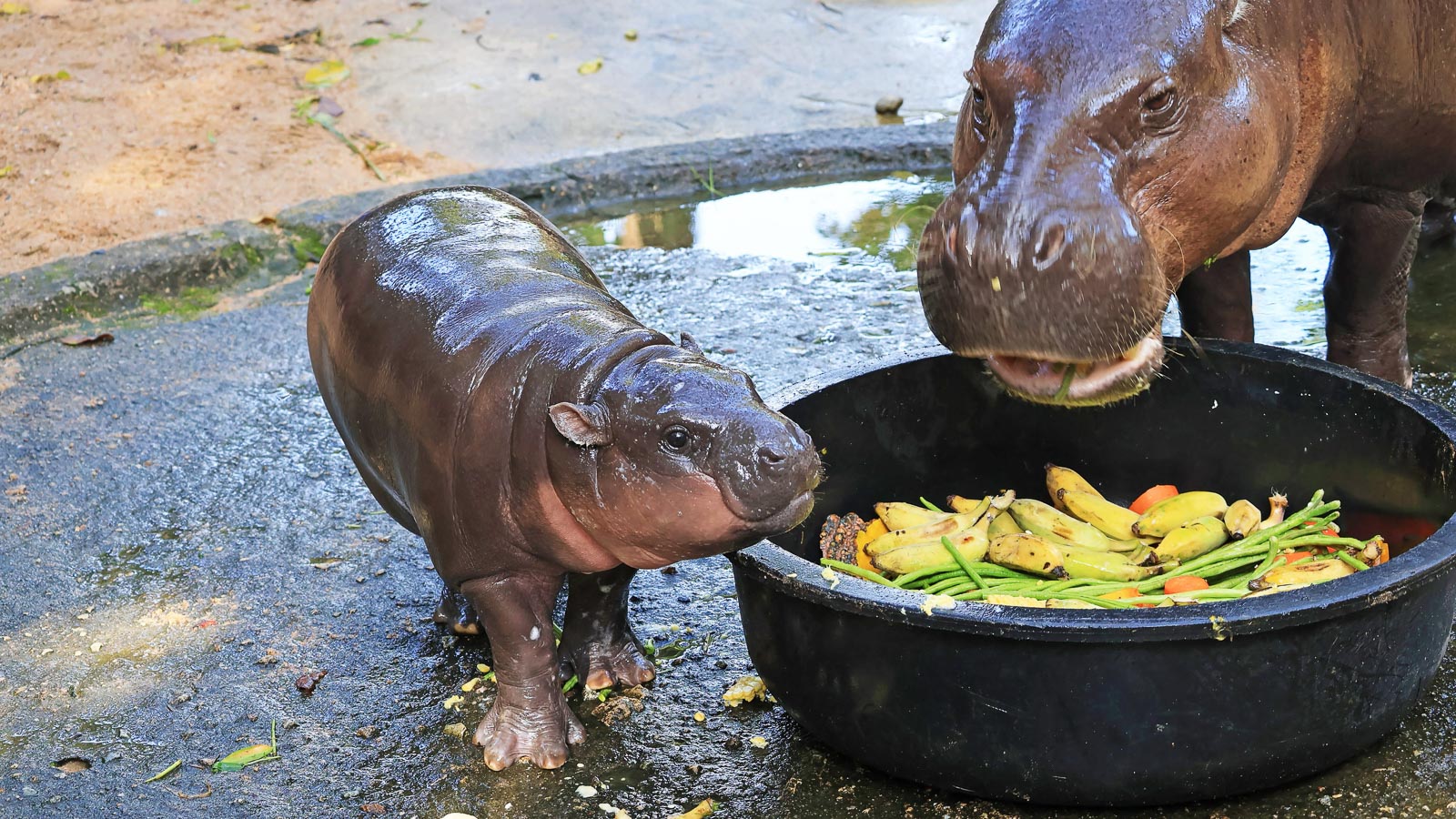
Thanks to one very charismatic calf, Thailand’s viral sensation Moo Deng, the pygmy hippo finally has a global mascot helping to put this little-known species on screens and in hearts around the world.
What exactly is Pygmy Hippo Day?
Pygmy Hippo Day is observed on April 8 and has gradually become an unofficial rallying point for zoos, conservation organizations, and wildlife fans to draw attention to this endangered species. Because pygmy hippos are so elusive in the wild, many people only ever encounter them through zoo visits or online clips, which makes a dedicated awareness day especially valuable.
On and around April 8, institutions share educational posts, short videos, keeper talks, and fundraising campaigns aimed at explaining who pygmy hippos are, where they live, and why they’re at risk. For families and casual animal lovers, it’s also a fun excuse to lean into hippo-themed crafts, story time, and social posts that can quietly weave conservation messaging into something light and shareable.
They are seriously cute, but there’s more to it
Unlike more established wildlife observances that come with long histories and formal organizing bodies, Pygmy Hippo Day has grown in a more grassroots, internet-driven way. Social media posts, zoo campaigns, and animal-lover communities have steadily reinforced April 8 as “the” day to highlight pygmy hippos, feeding a cycle where more posts encourage more engagement and more curiosity.
That flexible, decentralized nature actually works in its favor: anyone from a major zoo to a single fan account can claim the date and contribute to spreading the word. In recent years, viral moments from individual animals—especially Moo Deng—have given Pygmy Hippo Day a ready-made focal point, making it easier to hook casual scrollers with a specific, adorable face.
Meet the pygmy hippo: a forest specialist
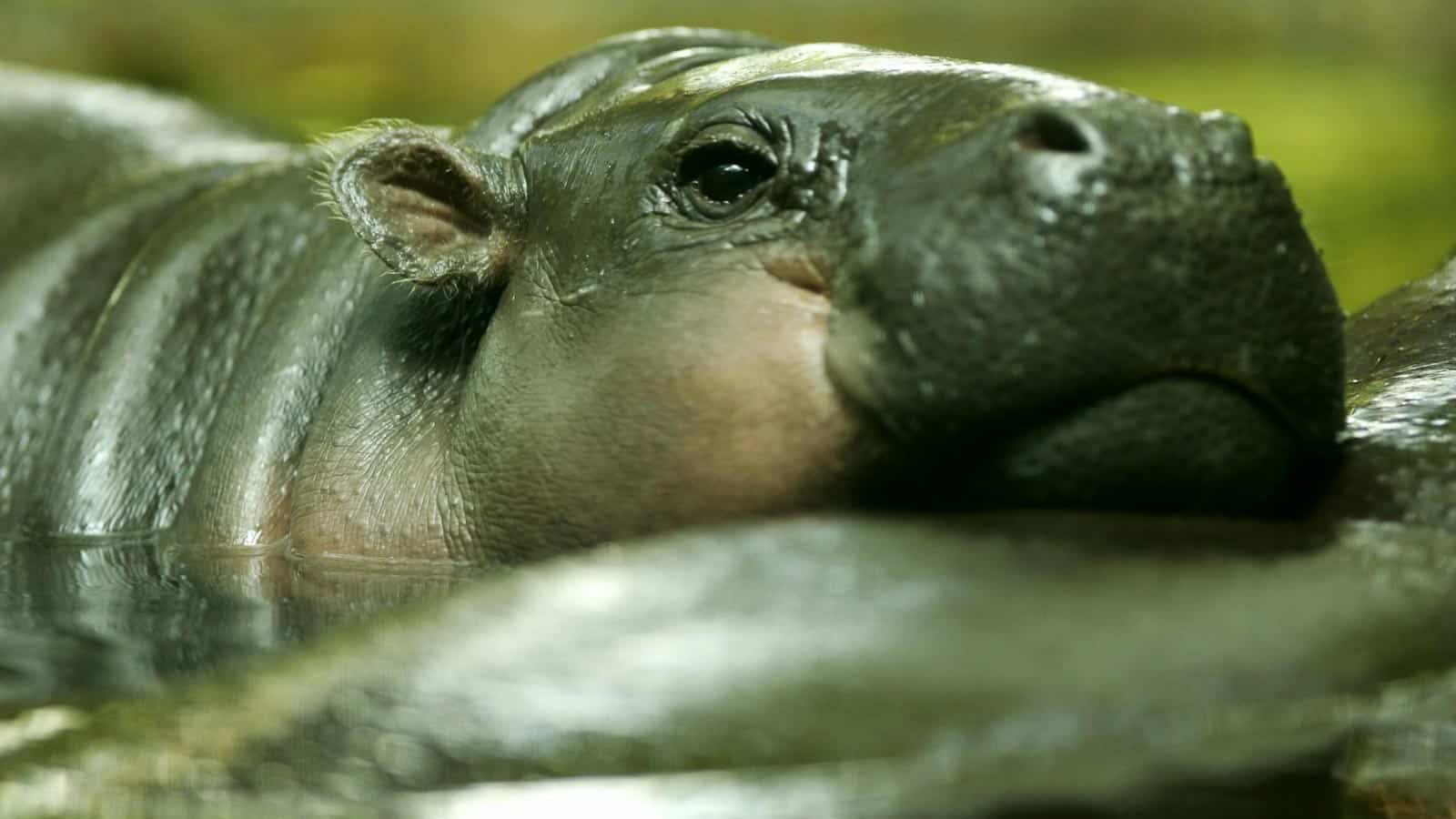
Despite the family resemblance, a pygmy hippo is not just a scaled-down version of the common hippopotamus. Standing roughly half as tall and weighing less than a quarter as much, it has a more streamlined body, slimmer head, and relatively longer legs that help it move through dense forest and swampy undergrowth. Its skin is dark, glossy, and almost black when wet, with the same distinctive mucous-like secretion that helps keep hippo skin moisturized and protected.
Unlike common hippos, which spend much of their time in large groups, pygmy hippos are solitary or found in very small family units, quietly navigating riverbanks, muddy paths, and forest clearings under cover of dusk and darkness.
In the wild, pygmy hippos are native mainly to Liberia, with smaller populations in neighboring Sierra Leone, Guinea, and Côte d’Ivoire. They favor lowland rainforests and swampy habitats, often staying close to water but depending just as much on dense vegetation for shelter and food. Their diet is mainly made up of leaves, ferns, fruits, and other vegetation, which they browse at night before retreating back to thick cover at sunrise. Because they are so secretive and live in habitats that are difficult to access and survey, scientists still have large gaps in knowledge about their exact numbers, movements, and breeding behavior. That makes every bit of insight gained through field studies or captive populations valuable for planning future conservation work.
A species on the edge
The pygmy hippo is currently listed as Endangered on the IUCN Red List, with a global wild population estimated to be around 2,000 individuals and declining. Its greatest threat is habitat loss, as logging, mining, agriculture, and human settlement carve up West African forests into smaller and more disturbed fragments. When forests are opened by roads and development, hunting pressure also tends to increase, and pygmy hippos are sometimes targeted for bushmeat, further reducing already sparse populations. Because these animals reproduce slowly and live at low densities in the wild, even relatively small losses in a given area can have outsized effects on long-term survival.
Conservation is a multi-pronged approach
Conservation groups working in the region focus on a combination of protected-area management, anti-poaching measures, and community engagement to keep forests intact and wildlife safer. Some projects use camera traps and field surveys to better understand how pygmy hippos move through the landscape, which habitats they rely on most, and where conservation interventions would have the biggest impact. At the same time, zoos participate in carefully managed breeding programs aimed at maintaining a healthy, genetically diverse population under human care. These captive animals not only act as a safety net against total extinction but also serve as ambassadors, giving visitors a rare, up-close look at a species they might never otherwise hear about.
Moo Deng: the pygmy hippo who broke the Internet
Enter Moo Deng, a young pygmy hippo at Khao Kheow Open Zoo in Chonburi, Thailand, who has become the species’ most famous representative almost by accident. Born in late 2024, she quickly captured attention when photos and videos of her as a tiny calf—wobbling through shallow water, splashing in pools, and munching on greens—started spreading across social media. Her name, which translates roughly to “pork belly” in Thai, only added to her charm, giving fans a playful nickname to latch onto as they shared clips and memes.
Save this article
As her following grew, Moo Deng’s milestones became mini-events in their own right. Her first birthday in 2025 drew major crowds at the zoo, complete with a carefully arranged fruit “cake,” decorated enclosures, and a wave of posts from visitors and news outlets alike. Footage of her celebrations, along with her everyday antics, has attracted millions of views, intentionally or not turning her into a global spokesperson for a species that rarely sees this much attention. For many people, Moo Deng is their first introduction to the idea that pygmy hippos exist at all, opening the door for deeper conversations about where her wild cousins live and what they’re facing.
Can one viral hippo help save a species?
It can be tempting to dismiss internet-famous animals as a purely feel-good phenomenon, but for conservationists, that attention represents an opportunity. When a clip of Moo Deng sliding into a pool racks up millions of views, it creates a moment where people are primed to care, and where they might be more willing to learn, donate, or share information about the larger issues at stake. Some organizations and media outlets now intentionally tie stories about Moo Deng to broader explanations of pygmy hippo conservation, using her popularity as the hook for otherwise abstract topics like deforestation or wildlife corridors.
Celebrating can be fun and impactful
Pygmy Hippo Day is an ideal time to make those connections explicit. Posts celebrating Moo Deng’s cuteness can be paired with links to conservation projects working in Liberia and neighboring countries, or with simple infographics explaining how everyday choices, like supporting sustainable products, feed into the health of faraway forests.
Zoos can highlight how their care for animals like Moo Deng fits into global breeding plans and education work, helping visitors understand that each adorable hippo encounter is part of a much bigger picture. For a species living in remote, politically complex regions, there may never be a perfect, linear path from viral fame to population recovery—but without public awareness and empathy, that path gets even harder to build.
How to celebrate Pygmy Hippo Day at home
Even if you’re nowhere near a zoo, there are plenty of easy ways to mark Pygmy Hippo Day and lend a little support to this endangered species. Families can turn April 8 into a themed learning day, watching kid-friendly videos about pygmy hippos, reading age-appropriate wildlife books, or crafting simple hippo masks and puppets that encourage kids to ask questions about where these animals live. Teachers and librarians can build quick lesson plans or story-time sessions around the pygmy hippo, using Moo Deng’s story as a starting point for talking about biodiversity and why smaller, lesser-known animals matter.
Many ways to help
For adults, Pygmy Hippo Day can be a reminder to audit the products you buy and the organizations you support. Choosing goods linked to more sustainable forestry or agriculture can help reduce pressure on tropical forests, while even small recurring donations to reputable conservation groups add up over time. Sharing reliable content about pygmy hippos on social media, especially pieces that go beyond pure cuteness and include a few key facts, can also nudge algorithms toward prioritizing educational, conservation-focused posts.
And if you live near an accredited zoo that participates in pygmy hippo breeding programs, planning a visit, attending keeper talks, or supporting their conservation fund is another tangible way to help.
Why an obscure hippo deserves the spotlight
In a world overflowing with crises, it can feel strange to zoom in on a single, relatively obscure animal. But the plight of the pygmy hippo is tied to bigger stories about forest protection, climate resilience, and how humans choose to use the lands we depend on. Saving this species means preserving large, connected tracts of West African rainforest, which in turn support countless other plants, animals, and local communities. In that sense, caring about pygmy hippos is not just about one charismatic mammal—it’s about committing to a broader vision of healthy, living ecosystems.
Conservation happens with each of us
Pygmy Hippo Day, and the sudden fame of individuals like Moo Deng, gives people a concrete, emotionally resonant way into that bigger picture. Whether you’re posting a single photo, teaching a classroom, or simply learning something new, taking a moment on April 8 to focus on this small but mighty hippo can be one step toward keeping its wild cousins from disappearing altogether.
The 10 Most Expensive Wildlife Mistakes People Make in the U.S.

Wildlife can be awe-inspiring. It can also be incredibly costly if you don’t know what you’re doing. People make pricey mistakes with wild animals every day, whether it’s feeding a bear from your car window or trying to raise a raccoon like it’s a kitten.
Some of these missteps drain your bank account. Others get you slapped with serious fines or hospital bills. A few even put entire species or local ecosystems at risk. If you’re not careful, that photo op or animal rescue attempt might cost you a whole lot more than expected. Read more.
Disclosure: This article was developed with the assistance of AI and was subsequently reviewed, revised, and approved by our editorial team.
Like our content? Be sure to follow us on MSN and Newsbreak.