Restaurant servers are experts at reading people. After years of working the floor, they can often predict an order or a behavior pattern before a guest even sits down. For the middle-class Boomer generation, dining out is a structured social event with specific sets of expectations and rituals.
While every individual is unique, certain habits have become hallmarks of this demographic in the service industry. These behaviors aren’t necessarily negative, but they are instantly recognizable to anyone wearing an apron. Here are the ten revealing habits that give away a middle-class Boomer.
The Physical Menu Preference

Even with QR codes and digital interfaces, this group remains loyal to the physical menu. They find digital menus cumbersome and prefer the tactile experience of flipping through pages.
A study published in the British Food Journal found that while younger generations appreciate the efficiency of digital menus, older consumers find them less trustworthy and more difficult to navigate, leading to lower satisfaction.
The Lemon Water Ritual

The moment a server approaches, the request is often the same: “Water with lots of lemons, please.”
It is common for these guests to use the provided sugar packets to make “free” lemonade at the table. This frugal habit is a classic sign of a guest who values getting the most out of their budget while dining out.
Specific Table Preferences

Middle-class Boomers often have a very specific vision of where they want to sit. They frequently reject the first table offered and request a booth or a spot away from the kitchen. This desire for environmental control ensures that their physical health and comfort are prioritized.
Research on environmental psychology in restaurants suggests that older diners place a much higher value on acoustic comfort and “defensible space” than younger diners.
Modifying The Recipe
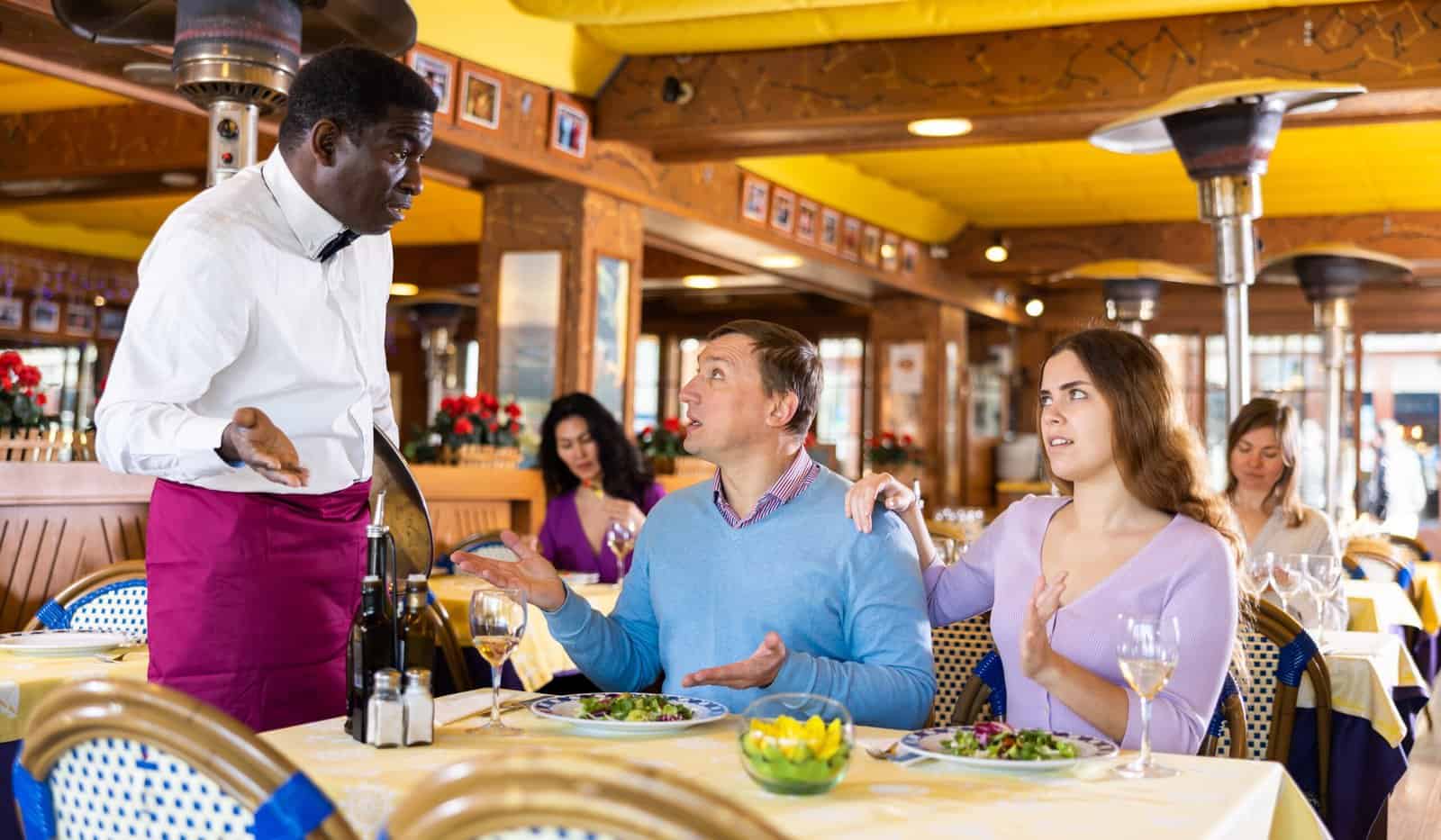
Servers often brace themselves for a list of substitutions. Whether it is asking for the dressing on the side or swapping fries for a potato, the middle-class Boomer likes their meal exactly how they want it. They view the menu as a set of suggestions rather than a fixed list of recipe.
Early Bird Arrival

If a party shows up at 4:45 PM for a 5:00 PM reservation, they are likely part of this cohort. They prefer to beat the “mad rush” and loud music.
Data from the Bureau of Labor Statistics shows that 68% of Americans aged 65 and older are significantly more likely to eat dinner at the earliest, before 6.30 PM, than any other age group.
The “Check Please” Gesture

Save this article
When it is time to leave, Boomers rarely wait to catch the server’s eye for a verbal request. Instead, they often use the universal “air pen” gesture, mimicking the act of signing a check from across the room. It is an efficient, old-school way to signal that they are ready to settle the tab.
Coffee With Dessert

While younger generations might opt for an espresso martini, middle-class Boomers often conclude their meal with a hot cup of coffee alongside their dessert. They appreciate the traditional pacing of a multi-course meal. Providing a refill without being asked is a great way to inspire a better tip.
Direct But Formal Communication
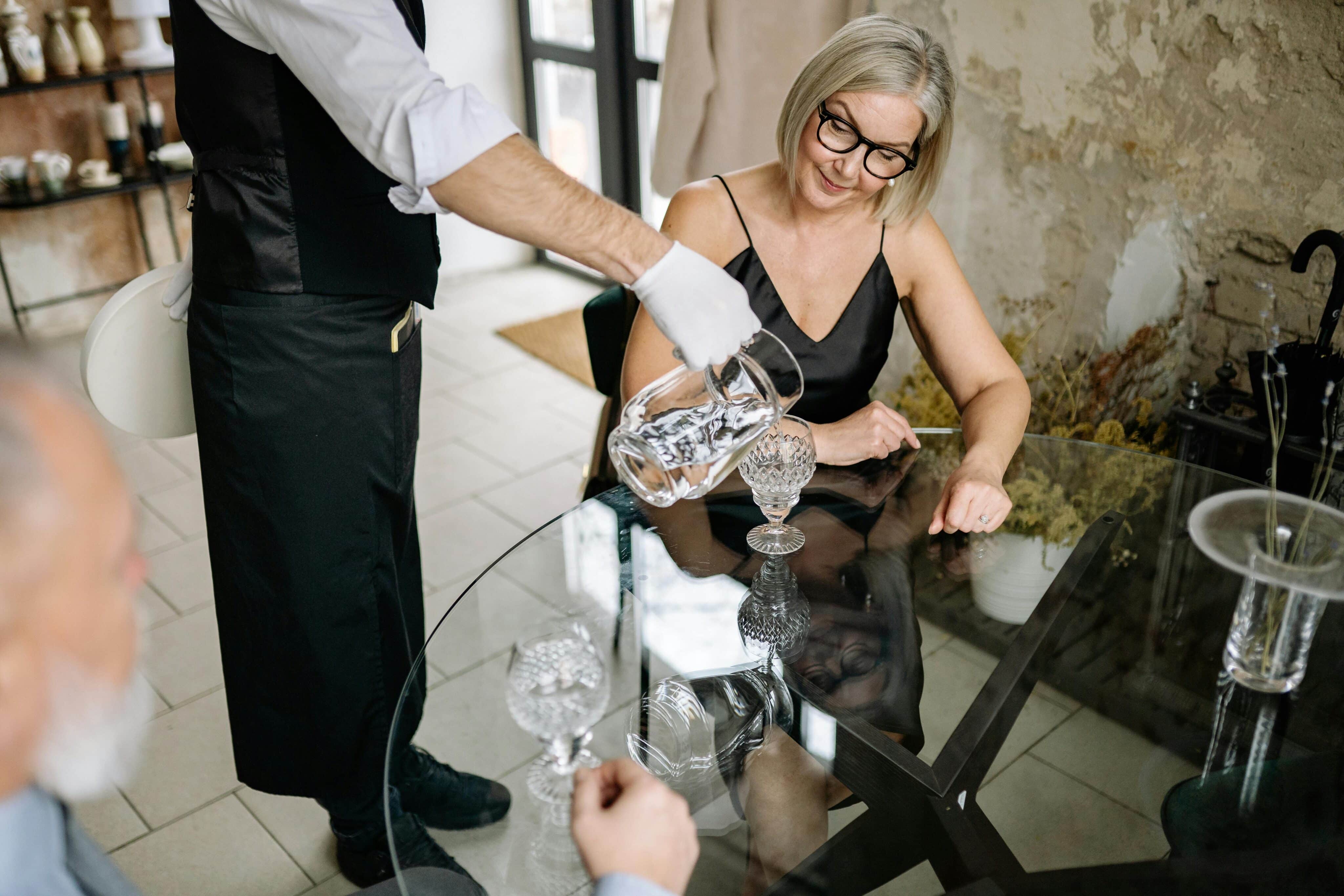
There is a specific level of formality in how this group speaks to service staff. They are likely to use “Sir” or “Ma’am” frequently. While it is intended to be respectful, it clearly establishes a professional boundary.
Sociolinguistic studies have shown that Boomers prioritize formal honorifics as a sign of respect more than Gen Z or Millennials, who prefer casual, egalitarian language.
Inquiries About Ingredients

Middle-class Boomers are often very inquisitive about where the food comes from. They may ask if the fish is “fresh caught” or if the vegetables are local. This stems from a generation that seeks more transparency in what they eat.
A report by the Hartman Group notes that Boomers are more likely to scrutinize ingredient labels and origin stories for perceived quality.
Specific Tipping Calculations

When the bill arrives, the calculator usually comes out. They tend to tip a very specific percentage based on the quality of service.
A study by Cornell University found that older generations are more likely to use “service-contingent” tipping, meaning the tip fluctuates significantly based on the server’s performance rather than social norms.
Key Takeaway
Recognizing these habits helps servers provide better, more personalized service. For the middle-class Boomer, dining out is about more than just food; it is about the experience, the respect, and the value. Understanding these rituals ensures a smoother meal for everyone involved, whether you are planning a local night out or a special travel meal.
Disclaimer: This list is solely the author’s opinion based on research and publicly available information. It is not intended to be professional advice.
Like our content? Be sure to follow us.