

Our homes often reflect where we came from and the lessons we learned about value and comfort.
The way people decorate their homes often reflects more than personal taste. It can also reflect the financial realities and values they grew up with.
Many adults raised in lower-middle-class households learned early that furniture needed to last, decorations needed to serve a purpose, and throwing things away too quickly felt wasteful. Practicality, durability, and making the most of what you had were often treated as necessities rather than aesthetic choices.
Even decades later, those habits can quietly shape how people organize and furnish their living spaces. Certain items and decorating choices often carry deeper emotional meaning because they represent stability, resourcefulness, comfort, and a household where purchases were expected to stretch as far as possible.
While design trends constantly change, many of these familiar touches remain surprisingly common, serving as subtle reminders of the environments and values that shaped people growing up.
Coordinated Furniture Sets
Buying an entire room set from a single showroom is a safe way to ensure the house looks “nice” without hiring a designer. This “room in a box” approach was the height of aspiration for many families who wanted a cohesive look.
Retailers prioritize these packages because they simplify the consumer decision-making process. Many buyers prefer to purchase coordinated sets rather than searching for individual pieces that might not match. It provides a sense of accomplishment and visual harmony for the home.
Plastic Covers on Remote Controls
If your remote control is currently encased in plastic or has the original factory film still attached, you likely learned to preserve everything you own. In many households, keeping things “new” was a high priority because replacing them was not an option.
This habit of extreme preservation is a common trait among those raised with limited surplus funds. People from these backgrounds often keep protective layers on items far longer than necessary to ensure longevity. It is a practical way to protect the household from unexpected expenses.
The Reclining Sofa Set
A massive overstuffed reclining sofa is the ultimate symbol of comfort for the lower-middle-class family. These pieces were chosen for their durability and the fact that they could double as a bed for guests or a napping father.
The furniture industry thrives on this specific desire for multifunctional comfort in smaller homes. Industry reports show that motion furniture and recliners account for a substantial portion of total upholstery sales in the United States.
It is the gold standard for a hard worker who wants to put their feet up after a long day.
Framed School Portraits
Displaying a chronological gallery of school photos is a hallmark of a family that takes pride in its children’s progress. These portraits are often the most expensive art in the room. They serve as a visual timeline of a family’s hope and the sacrifices made to get those kids through school.
School photography is a billion-dollar industry that relies heavily on this tradition of sentimental decor. Industry data show that the global school portrait companies are already worth several billion dollars a year and are expected to continue growing. For many families, these photos are the most valuable items in the house.
The Designated “Good” Blanket
Most lower-middle-class living rooms have that one special blanket reserved for guests or for freezing nights. It is usually higher quality than the daily “scratchy” blankets and is kept clean.
This shows a cultural emphasis on hospitality, where the best items are saved for others rather than personal use, elevating the beauty of the occasion with something special.
The habit of “saving the best for later” is common among families that grew up with fewer resources. People often save premium products for a special occasion rather than using them immediately. It is a sign of deep respect for quality goods.
Promotional Calendars
A calendar from a local bank or a grocery store hanging on the wall is a classic sign of a practical upbringing. Why spend money on art when it’s free? It represents a connection to the local community and a thrifty mindset that hates unnecessary spending.
Free promotional items have a surprisingly long life in American households. A study on promotional products found that consumers keep valuable items, such as calendars, for at least a year before replacing them. It is a simple way to track time.
Stashed Shopping Bags
Look inside a cabinet or a decorative basket in the living room, and you might find a collection of plastic or paper bags. This habit stems from a “never throw away something useful” philosophy that is passed down through generations.
These bags serve as trash liners, lunch carriers, or even makeshift covers for a rainy day in the car.
The sheer volume of bags we collect is a testament to our modern consumption habits. Americans use an average of 365 plastic bags per person per year. Saving them is a small act of frugality that every lower-middle-class child understands.
Candles That Are Never Lit
Large, expensive-looking candles that sit as permanent decorations are a common sight in these homes. They are often kept for their scent or color, but are considered too “fancy” actually to burn.
Lighting them would feel like burning money, which is a big no in a household that values practical utility. Decorative candles are a staple of the home fragrance market, which is worth billions.
Save this article
Research shows that while consumers buy candles for their scent and ambiance, usage habits vary widely. They exist purely to make the room feel more established and welcoming.
Souvenir Trinkets from One Big Trip
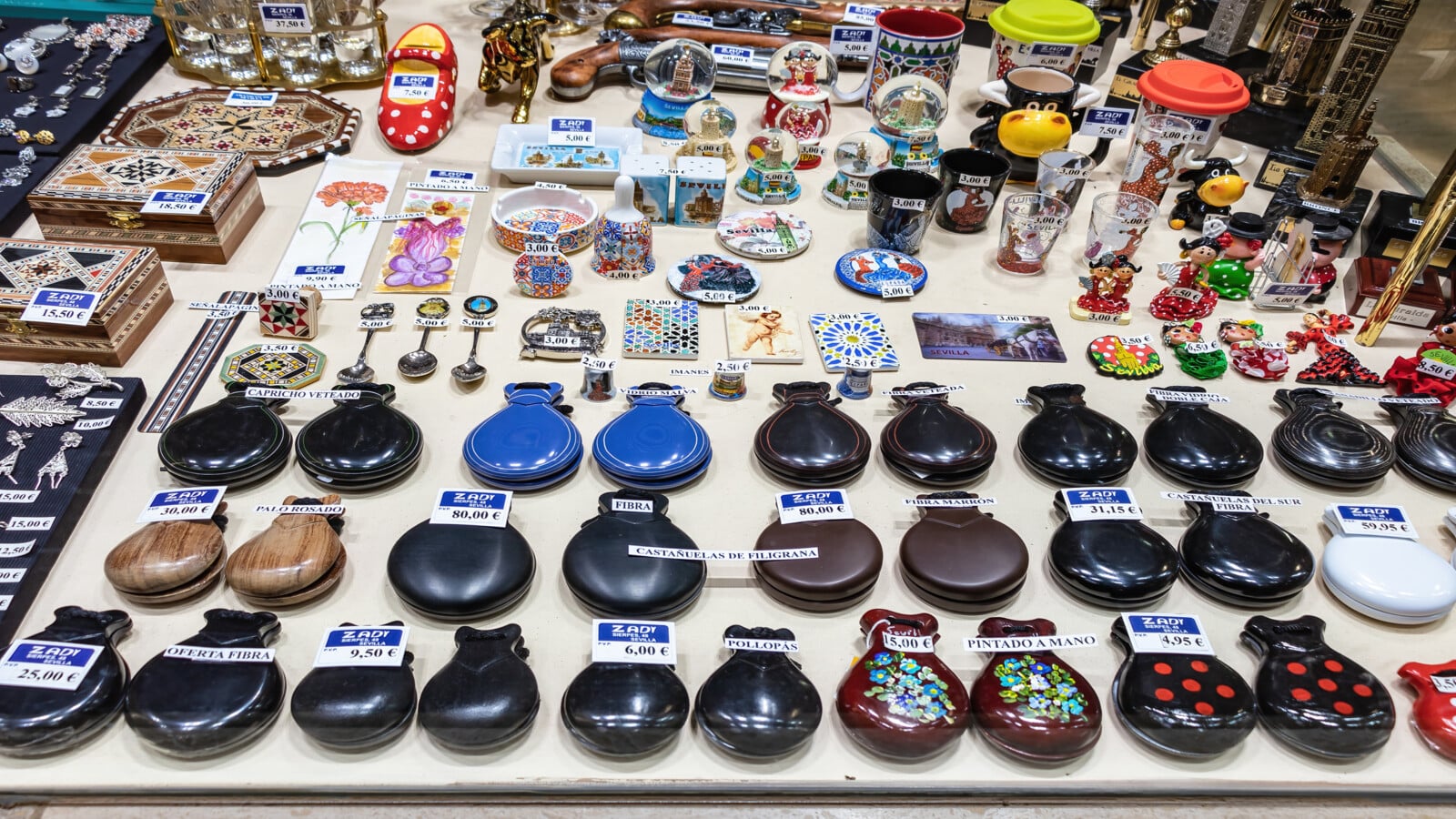
If your bookshelf features a prominent “Florida” snow globe or a “Las Vegas” glass, it likely marks the one big family travel event of your childhood. These items are displayed proudly to remind the family of a time when they got to see the world beyond their zip code.
Family vacations are a massive financial undertaking for the average household. Travel cost data show that a typical U.S. vacation can easily cost several thousand dollars, which can be several months of savings. The souvenirs in the living room are a way to make that investment last a lifetime.
A Stockpile of Snacks Near the Seating
Lower-middle-class homes often have a designated spot for snacks that is always full, even if the meal in the kitchen is simple. This abundance of food in the social area is a sign of hospitality and shows guests that the house is well-stocked.
Snacking has become a major part of the American diet over the last few decades. Data from the USDA shows that snacks now account for about 22% of the average American adult’s daily calories. Keeping these items in the living room ensures that comfort is always within reach of the sofa.
Pride In Our Heritage
The items in our living rooms tell a story of resilience and careful resource management. A lower-middle-class upbringing teaches you to value what you have and to treat your belongings with respect. These ten markers are not signs of a lack of taste but rather a reflection of a life built on practical foundations and deep family pride.
More articles:
- 12 Alarming Truths About How Close the Middle Class Is to Falling Into Homelessness
- Gen X is struggling more with credit card debt than Gen Z: 12 traps catching the middle class
- 12 services low-income people spend on that the wealthy and middle class avoid
Disclosure: This article was developed with the assistance of AI and was subsequently reviewed, revised, and approved by our editorial team.
Like our content? Be sure to follow us on Newsbreak.
How the middle class is being quietly stripped of wealth

The middle class is not vanishing in dramatic fashion. It is thinning quietly, felt more in monthly budgets than in headlines. According to the Pew Research Center, middle-income households accounted for about 62 percent of total U.S. income in 1970, but by 2022 that share had fallen to roughly 43 percent.
The shift did not happen overnight. It unfolded slowly, redistributing gains upward while leaving many families working harder to maintain the same ground. This quiet loss shows up in everyday tradeoffs. Learn more.
15 things the middle class would likely not be able to afford in 10 years

The American middle class is on the brink of losing access to goods and services once considered everyday essentials.
The classic American dream is slipping through the fingers of hard-working families across the nation. People are feeling the pinch at the grocery store and the gas pump every single day. Analysts suggest this financial squeeze will only tighten over the next decade for average earners. Families might soon find themselves priced out of experiences and items they currently take for granted. Learn more.
11 things the rich do that the middle class find strange

Extreme wealth doesn’t just buy bigger houses; it quietly rewires how people experience comfort, privacy, and control in their lives.
You may imagine the ultra-wealthy swimming in pools of gold coins like cartoon ducks, but the reality is much more subtle and sometimes confusing. It turns out that having a massive bank account changes your behavior in ways that seem totally backwards to regular folks who work 9-to-5 jobs. This behavior is not just about buying fancy cars; it is about a completely different mindset regarding time, leverage, and money. Learn more.
Here’s what I wish the middle class understood about being poor
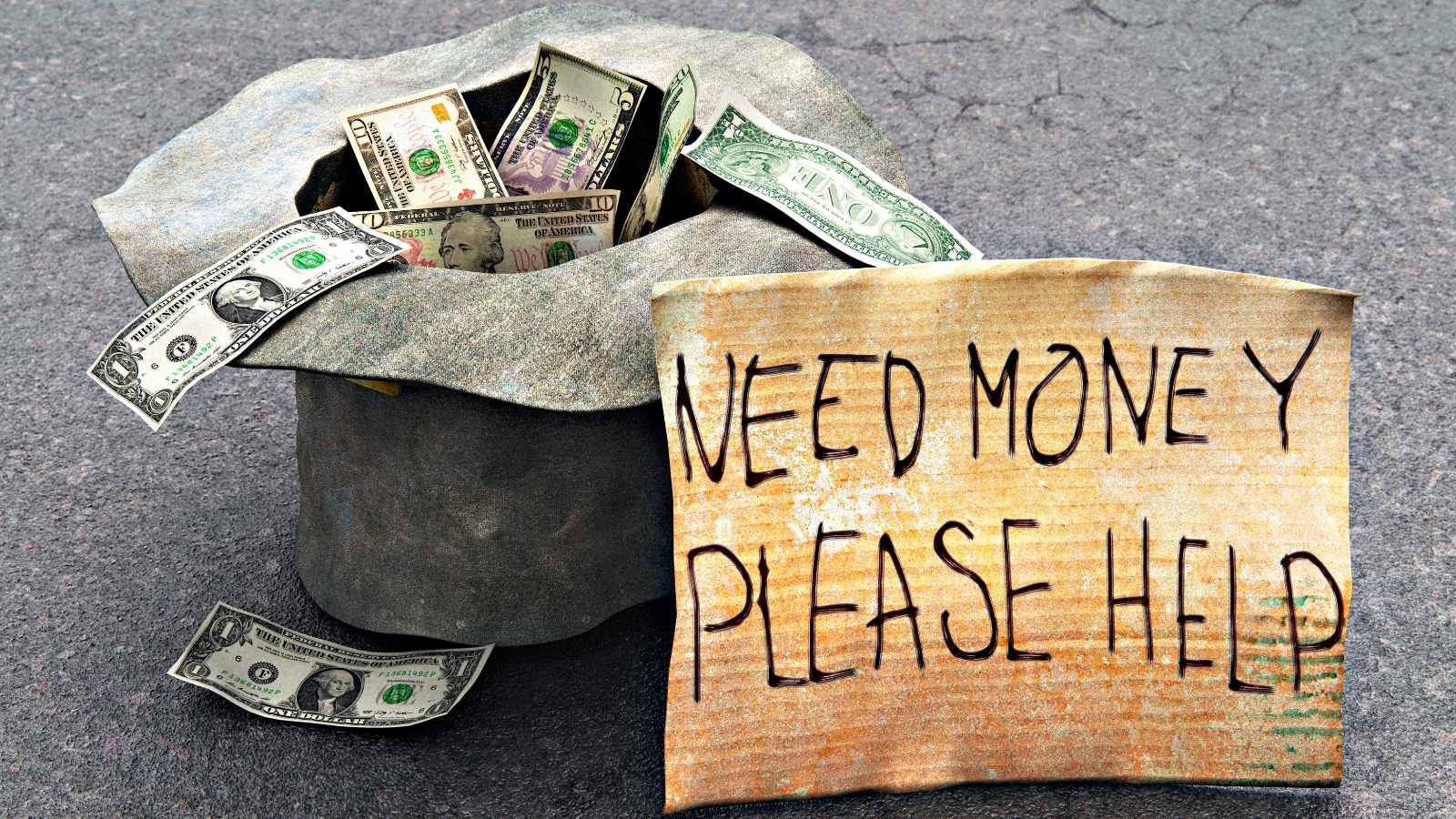
It’s time we had an honest chat about being broke in America.
Yeah, “broke,” “poor“—whatever word you want to use. When we hear “poverty,” most of us in the middle class think of a number on the news. In 2024, the Census reported that the official poverty rate was 10.6%, affecting about 35.9 million people. But that’s just a statistic. Learn more.





