If you were the eldest daughter in a working-class family, childhood often felt shorter and heavier than it should have. Responsibility arrived early, sometimes quietly and sometimes all at once, shaping how you saw the world before you even reached your teenage years.
According to research referenced by UNICEF, children in lower-income households are more likely to take on caregiving and household roles at a younger age. This is especially true for girls, who are often expected to help hold the family together.
That early sense of duty teaches lessons that most kids do not encounter until much later. You learn how to read a room, stretch limited resources, and step in without being asked. These experiences build resilience, but they also leave a lasting imprint on how you think, care, and carry responsibility. For many eldest daughters, those first twelve years quietly shape a lifetime of habits, strengths, and unspoken expectations.
You were on call before dawn

The American Psychological Association notes that firstborn children are more likely to be seen as responsible and conscientious than their siblings. In working‑class homes, that trait is rarely optional. It is a job description. You heard the alarm before anyone else. You packed sandwiches, found lost socks, and checked gas tokens. While other kids hit snooze, you listened for your mother’s keys and your father’s cough in the hallway.
A 2023 review of parentification in the journal Clinical Child and Family Psychology Review describes children who assume “developmentally inappropriate” adult roles when families are under financial strain or when a family member is ill. You did that instinctively. You learned to answer phones like a receptionist and doorbells like security. You memorized school forms and bus timetables. You were not the eldest child. You were the household’s early shift.
You learned that chores were gendered math
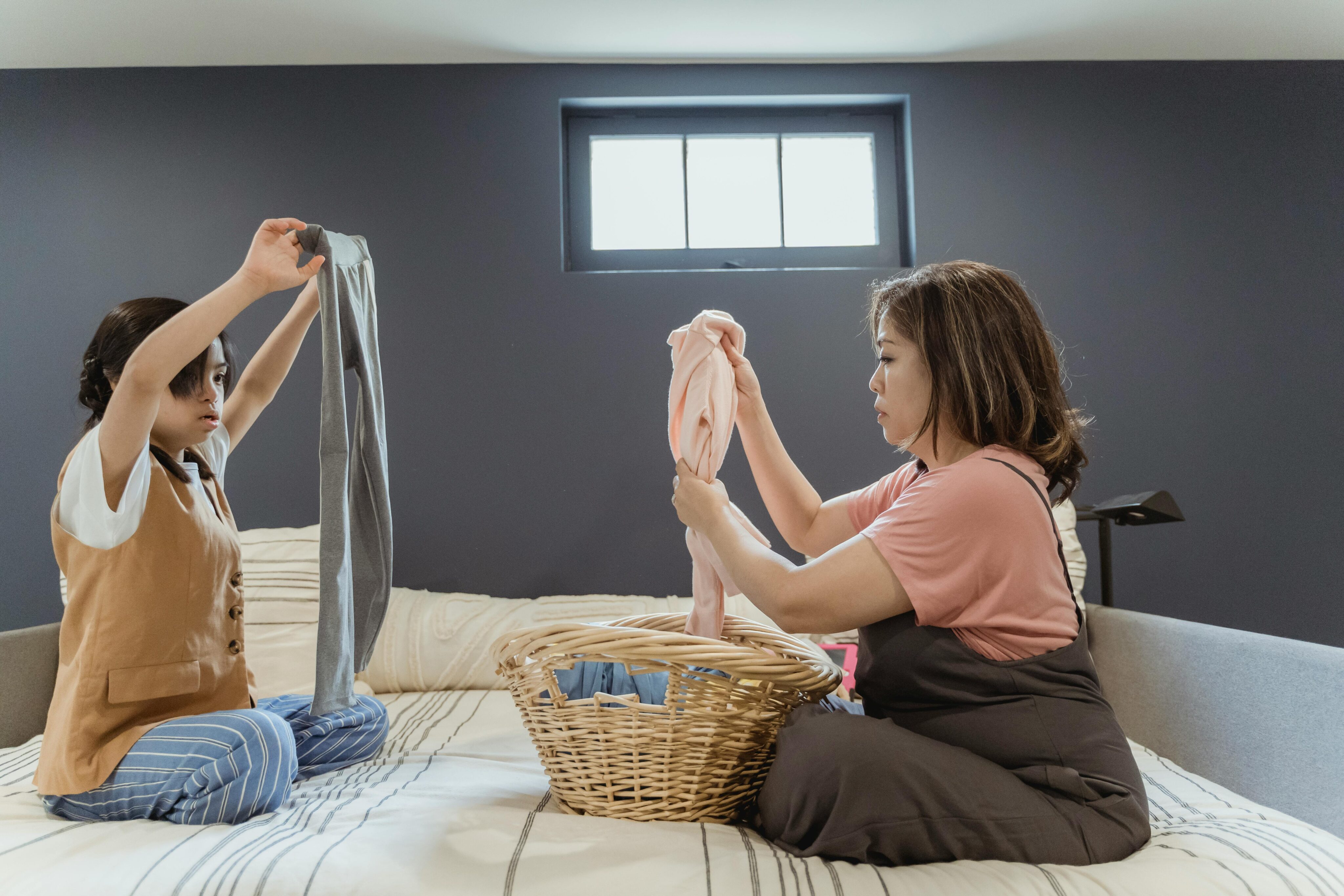
UNICEF’s report, Harnessing the Power of Data for Girls, found that girls spend about 40 percent more time on unpaid chores than boys, amounting to 160 million extra hours every day worldwide. In your house, that looked like dishes that somehow called your name, floors that only noticed your feet, and siblings who believed the laundry basket recognized your hands.
The OECD has documented that women and girls shoulder more unpaid work in nearly every country, limiting time for school, rest, and paid work later in life. You absorbed that ledger long before you could name it. You learned that a brother taking out the trash was “helping,” while your second hour of scrubbing was “what a good girl does.” You understood ratios before you saw them in a math book.
You became a second mother, not by choice

A 2025 paper on parentification and coping strategies in the Indian Journal of Positive Psychology found that elder siblings, especially girls, report higher levels of both caregiving and complex coping. That language is clinical. Your version was tying tiny shoelaces with tired fingers. It was braiding hair, checking homework, and bringing toddlers to school meetings where no one spoke to you as the adult you were pretending to be.
Clinical Child and Family Psychology Review notes that chronic parentification, without recognition or support, is linked to higher rates of anxiety and depression. It is also associated with lower educational attainment in adulthood.
You felt that before a journal named it. You knew the quiet ache of being told you were “like a little mom” when your own childhood was still unfolding. You learned how heavy love can feel when it arrives as obligation.
You were the household’s emotional shock absorber

Parentification research describes “emotional parentification,” where children manage adults’ moods, conflicts, and secrets. In working‑class families, where stress arrives on every bill, eldest daughters often become the unofficial therapists. You learned which plates to spin, which tempers to preempt, and which tone to use when your father walked in with his shoulders already defeated.
The 2025 elder‑sibling study in the Indian Journal of Positive Psychology found strong links between emotional caregiving and emotion‑focused coping. You turned that into an art. You translated your mother’s sighs for your siblings. You wrapped jokes around overdue notices. You stored your own fear in the space between “We’re fine” and “Don’t worry them.” You read the room the way other kids read comics.
You understood money before you had any

RSM Australia’s 2024 brief on the “oldest daughter effect” describes how women, often eldest daughters, manage not only their own household budgets. They also take on financial responsibilities for parents and extended family.
You saw the prologue to that. You knew which week the rent was due, which neighbor you could trust for a loan, and how many shifts it would take to fix the leaking roof.
In lower-income multigenerational households, the Pew Research Center has found that nearly half of residents fall into the lower‑income tier, with little cushion for emergencies. You lived inside that thin margin. You did the mental math at the grocery store. You memorized the price of cooking oil and transport. Your allowance was not a treat. It was a line item that might disappear when the electricity threatened to.
School was never just school
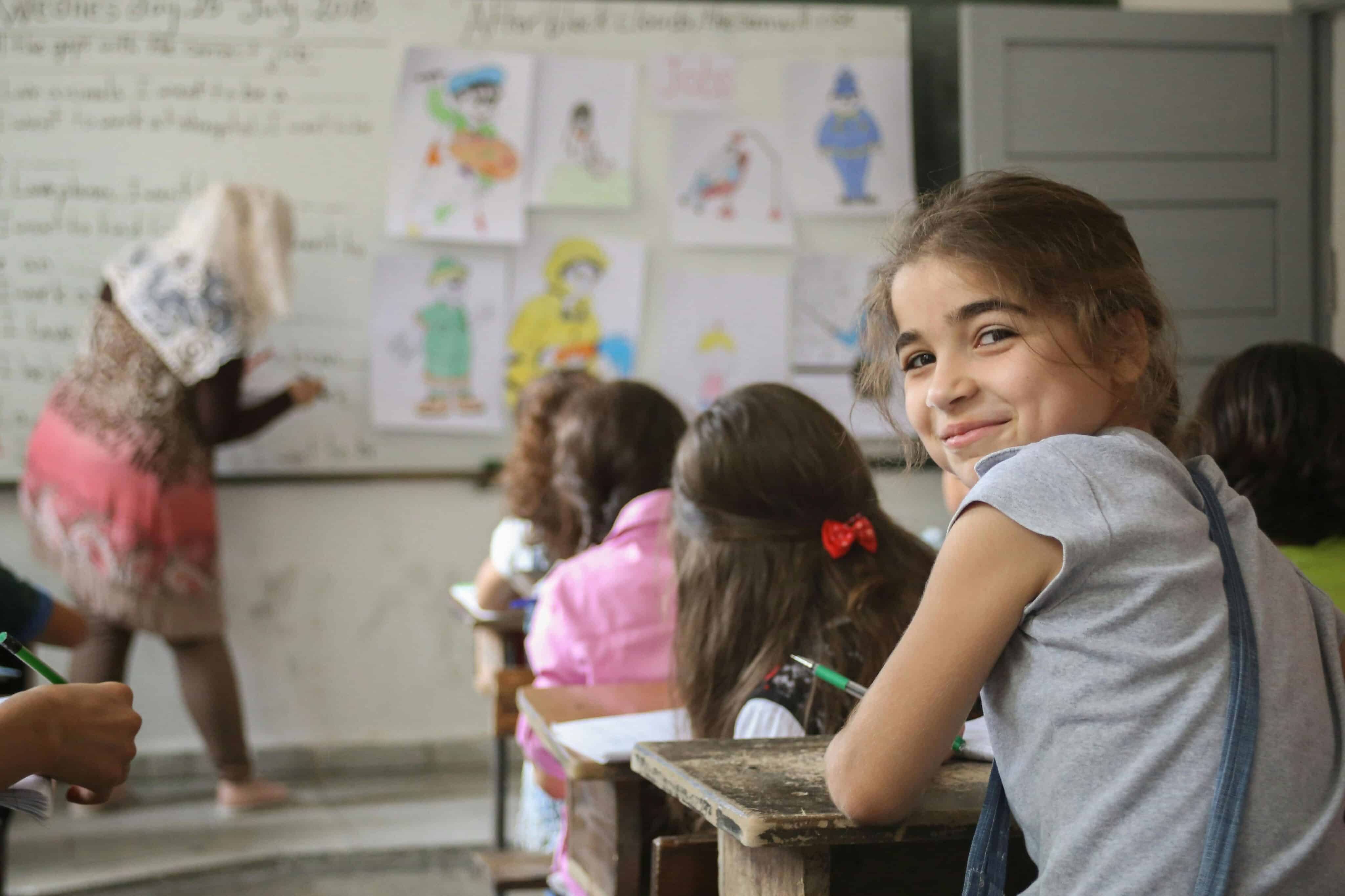
Work from the World Bank on girls’ education notes that pregnancy, caregiving, and financial strain frequently interrupt girls’ schooling, especially in low and middle-income contexts. You watched that risk hover close. Maybe you missed classes to watch a feverish sibling or to translate at a clinic. Maybe your homework smelled faintly of bleach and stew because you finished it between chores.
Save this article
Parentification research links heavy caregiving loads in youth to lower educational attainment later in life, particularly when support is scarce. You knew that tradeoff without reading the abstract. Each absence felt like a secret cost.
Each late assignment carried the weight of a household task you could not drop. The school asked for your focus. Home claimed your hours. You learned to read on the move.
You mastered adult paperwork in a child’s body

Someone had to decode bank slips, clinic cards, and school notices written in hard bureaucratic script. Often it was you. Clinical reviews of parentification list “instrumental caregiving” tasks, such as managing appointments, paperwork, and logistics, as a core feature of adultified childhoods. You did that in your school shoes, standing on tiptoes at counters that were too high.
The elder‑sibling study in the Indian Journal of Positive Psychology found many participants juggling both emotional and instrumental roles at once. That overlap was your normal. You filled out forms that your parents could not read. You translated policies, insurance clauses, and fee notices. You signed your name neatly in spaces that expected a parent’s hand. You learned the architecture of systems by being the bridge.
You learned that burnout had a feminine face

A 2025 McKinsey analysis on caregivers reports that women caring for children report higher burnout more often than men and greater exhaustion overall. Those are grown women in their data tables. You were rehearsing that exhaustion as a girl, before anyone called it burnout, when you yawned through class because a sibling’s nightmare stole your sleep.
Parentification reviews link prolonged caregiving in youth with later mental health struggles, including depression and anxiety. You sensed that cost when your body felt older than the mirror suggested. Rest was never quite allowed. If you sat down, there was something left undone. You learned to carry tiredness like a second skin and to call it “being good.”
You felt responsible for everyone’s future

A birth‑order study on responsibility concluded that firstborn children show the highest sense of responsibility compared with middle or youngest siblings, with birth order contributing strongly to that trait. You did not need a statistic to tell you what your parents’ eyes already implied. When they said, “Your siblings are watching,” they meant, “Our future is watching you.”
Parentification theory notes that in families facing chronic stress, eldest children often internalize responsibility for holding the family together. You carried that like a secret job. You chose your words carefully, your mistakes sparingly. You turned down risks because someone needed a stable example. You felt, early, the strange loneliness of being the family’s unofficial safety net.
You negotiated in rooms you weren’t meant to enter

Multigenerational and working‑class households often send their most literate child to speak with landlords, teachers, and officials, simply because someone must. That someone was often you. You learned to sit very straight in plastic chairs across from adults with clipboards, explaining why a fee was late or a form was confusing.
Clinical accounts of instrumental parentification describe children stepping into advocacy roles, sometimes translating between systems and parents. You became that advocate before puberty. You bargained for extensions, pleaded for mercy on bills, and interpreted disciplinary letters into words your parents could bear. You discovered that your voice could move outcomes long before it had finished breaking.
You discovered that love could feel like labor

The UNICEF report on girls’ chores emphasizes that much of girls’ labor is invisible and undervalued, even as it underpins the whole household. You loved your family fiercely. Yet so much of that love arrived disguised as work no one clapped for. You tucked in siblings and turned off lights and knew, in your bones, that if you stopped, something important would quietly fall apart.
Parentification research now speaks of “both vulnerability and resilience” in children who grow up this way. You embody that paradox. You became resourceful, intuitive, and organized. You also learned to mistake self‑erasure for loyalty. You felt pride when your competence saved the day. You felt grief when no one remembered that you were still, technically, a child.
You grew a fierce, complicated resilience

Recent work on parentification highlights not only the risks but also the adaptive strengths of children who take on caregiving roles, including problem‑solving and empathy. You became the person who could find lost documents, calm a sibling’s panic, and stretch a small budget to the end of the week. Your competence was not an accident. It was survival alchemy.
Yet the same review warns that resilience is not a substitute for support or justice. You should not have needed to be this strong. Still, that early training shaped the adult you became. The one who sees the invisible work. The one who notices strain in another eldest daughter’s eyes on the bus. The one who understands that behind many capable women is a girl who grew up far too soon.
Disclaimer – This list is solely the author’s opinion based on research and publicly available information. It is not intended to be professional advice.
Like our content? Be sure to follow us