Finding out your cholesterol is high can feel like a buzzkill for your meals, but making small changes can help you enjoy food without the worry.
Getting news that your cholesterol is high can make eating feel less like a celebration and more like a challenge. It may seem like all the fun foods are suddenly off-limits, but the good news is you don’t have to eat only salads to improve your health. Focusing on what you choose to eat makes a real difference.
Changing what you eat can make a big difference for your health. Swapping out rich, heavy foods for lighter options that still taste good helps keep your body running smoothly. Small changes now prevent bigger problems later, so let’s look at the usual suspects you should watch out for.
Red Meat

Steak dinners feel like a reward, but your arteries might disagree. The saturated fat content is high, but the real issue might be a chemical produced in the gut during digestion. Reducing red meat intake is a solid strategy for keeping your heart pumping smoothly.
New science suggests the problem goes beyond just the fat content we usually blame. A study published in the European Heart Journal found that people who ate a diet rich in red meat had TMAO levels 3 times higher than those who ate white meat or plant sources. Prioritizing plant proteins or lean poultry helps lower these dangerous chemical levels in your blood.
Processed Meats

Bacon and sausage are the kings of the breakfast table, yet they rule with an iron fist of sodium and nitrates. These preserved meats are double trouble because they mess with your blood pressure and your cholesterol levels simultaneously. Treating these salty meats as a rare garnish rather than a main course is a smart move.
Health organizations worldwide have taken a strong stance against these items. The World Health Organization has classified processed meats like ham and bacon as Group 1 carcinogens, placing them in the same danger category as tobacco and asbestos. The risks associated with these meats extend far beyond just raising your cholesterol numbers.
Fried Foods

That crunch is satisfying, but the oil bath the food took to get there is a nightmare for your lipid profile. Whatever nutritious value the chicken or potato had is drowned out by trans fats and inflammation. Deep-fried items act like sponges, soaking up bad fats that stick to your ribs and your arteries.
The frequency of consumption plays a significant role in the amount of damage done. Researchers at the Harvard School of Public Health discovered that people who ate fried foods four to six times a week had a 39% increased risk of type 2 diabetes and a higher risk of heart disease. Your heart takes a hit every time you choose the fryer over the oven.
Organ Meats

Liver and onions might be an old-school favorite, but it is a cholesterol bomb waiting to go off. While it is packed with iron, the trade-off for your heart health might not be worth it for everyone. You might want to skip this retro dish if you are watching your numbers closely.
The cholesterol content in these meats is significant. Just 100 grams of beef liver contains a large amount of cholesterol, which is nearly the entire daily limit recommended for some people. It is efficient nutrition, but it delivers a concentrated dose of the exact thing you are trying to avoid.
Full-Fat Dairy

Cheese and heavy cream make everything taste better, which is why they are so hard to quit. They are rich in saturated fats that tell your liver to produce more bad cholesterol. Switching to lower-fat versions allows you to keep the flavor without the heavy guilt.
You do not have to give up dairy entirely to improve your health. Greek yogurt and part-skim mozzarella are great alternatives that fit into a heart-healthy budget. Moderation is key here, as pouring heavy cream into your coffee daily can add up quickly.
Coconut Oil

This trendy oil has a health halo it probably does not deserve when it comes to heart health. It actually contains more saturated fat than butter or lard, which shocks most wellness enthusiasts. Despite the hype, this tropical oil is not the heart-healthy miracle cure that marketing claims it is.
The scientific community has pushed back hard against the product’s internet fame. The American Heart Association issued an advisory noting that coconut oil contains 82% saturated fat and raises LDL cholesterol in all seven controlled trials. You are better off cooking with olive oil if you want to protect your cardiovascular system.
Commercial Baked Goods

Save this article
Muffins and donuts are often just sugar and trans fats disguised as breakfast. They raise your bad cholesterol while simultaneously lowering the good kind, which is a losing battle. Save these sweet treats for special occasions, like Christmas, rather than for your daily coffee run.
The hydrogenated oils used to keep these products fresh on the shelf are terrible for your body. They create a waxy buildup in your bloodstream that is difficult to clear out. Reading the ingredient label is crucial because these dangerous fats hide in plain sight.
Stick Butter
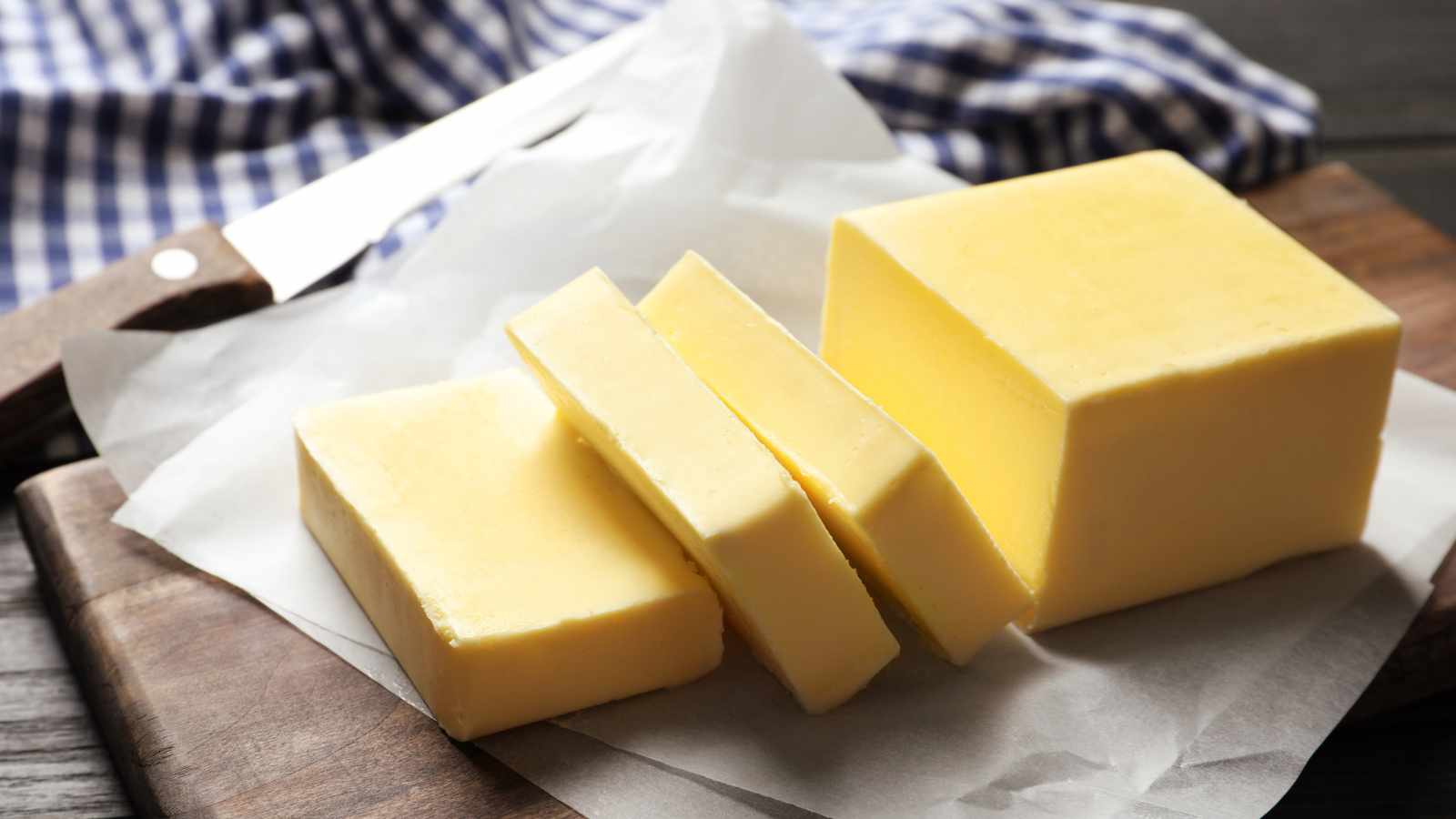
Cooking with blocks of butter adds a rich flavor that oil cannot replicate. However, those solid fats stay solid inside your body, contributing to plaque buildup over time. Using olive oil or avocado oil is a simple swap that your heart will thank you for.
It is easy to forget how much butter we consume when it is melted into sauces or spread on toast. If you need a solid spread, look for options made with plant sterols that actively help lower cholesterol. Your toast will still taste good without the heavy load of saturated fat.
Fast Food

Hitting the drive-thru saves time and money, but it costs you significantly in terms of your health metrics. These meals are engineered to be hyper-palatable using a toxic trifecta of salt, sugar, and low-quality fats. Convenience often comes with a hidden price tag that your body pays later.
The oils used in these establishments are often reused and highly oxidized. This creates free radicals in the body that damage blood vessels and encourage cholesterol to stick to them. Cooking at home gives you control over the quality of ingredients you put in your body.
Microwave Popcorn

Movie night isn’t the same without a bowl of popcorn, but the microwave variety is often coated in artificial butter. The chemicals and hydrogenated oils used to fake that butter flavor are terrible for your arteries. Popping your own kernels on the stove is a fun alternative that puts you in control.
You can season air-popped corn with herbs and drizzle it with olive oil for a savory snack. It turns a junk food item into a fiber-rich treat that actually supports your health goals. You avoid all the weird chemicals and get a snack that tastes fresh and authentic.
Shellfish

Shrimp and lobster feel like a luxury gift to yourself, but they are surprisingly high in dietary cholesterol. While they are low in fat, dipping them in melted butter creates a dangerous duo. Enjoying these sea creatures steamed or grilled is the safest way to indulge without going overboard.
The preparation method matters as much as the food itself in this case. Frying calamari or drowning crab in garlic butter negates the natural benefits of the seafood. Keep it simple and fresh to enjoy the protein without spiking your cholesterol levels.
Key Takeaway

Eating for your heart does not mean you have to be miserable or hungry all the time. It is about making smarter choices most of the time, so you can occasionally enjoy a treat without worry. Your body is resilient and will respond positively when you start fueling it with cleaner, lighter options.
Take it one meal at a time and focus on what you can add to your diet rather than just what you must take away. Adding more fiber and vegetables naturally crowds out the room for the greasy stuff. Protecting your heart is the most practical way to guarantee you are around for the people you love.
Disclaimer: This list is solely the author’s opinion based on research and publicly available information. It is not intended to be professional advice.
Disclosure: This article was developed with the assistance of AI and was subsequently reviewed, revised, and approved by our editorial team.
Like our content? Be sure to follow us.
10 Simple Habits to Recharge Your Mind and Body

10 Simple Habits to Recharge Your Mind and Body
Feeling drained doesn’t always come from significant events like a sleepless night or an intense workout — often, it’s the small daily choices that leave us running on empty. The good news is that science shows simple, consistent habits can help restore balance. From mindful breathing to nourishing foods, these practical routines recharge both mental clarity and physical stamina.
Here are 10 simple habits to recharge your mind and body, backed by research and easy enough to start today.