

For decades, milk has been sold as the ultimate health elixir. Drink three glasses a day, we were told, and you’d get strong bones, a healthy body, and enough calcium to last a lifetime. Advertising reinforced the message: milk is wholesome, pure, and essential. Yet today, the narrative is cracking.
Milk is increasingly framed as optional—or even problematic—for many adults. The reasons are complex: health, ethics, climate impact, and evolving dietary science all challenge the old “drink up” mantra. Meanwhile, government guidelines and the dairy industry still advocate for 2–3 servings per day, leaving consumers stuck between conflicting messages.
This tension is fertile ground for rethinking what milk really does, how necessary it is, and whether the environmental and ethical costs outweigh the benefits. Let’s break it down.
Milk and Health

For decades, nutrition guidance in Western countries treated milk as indispensable. The idea was simple: calcium-rich milk builds strong bones and prevents fractures. But a 2020 New England Journal of Medicine review by Harvard’s David Ludwig and Walter Willett challenged this longstanding advice. Their analysis suggested that adolescents and adults do not need three servings of dairy daily, and higher intakes may carry subtle risks.
Willett has recommended capping intake at about two servings per day, favoring fermented options such as yogurt over tall glasses of milk. Fermented dairy offers beneficial probiotics and tends to be easier to digest for many adults.
At the same time, older meta-analyses show that moderate dairy intake—up to roughly three servings daily—does not clearly increase mortality and may even modestly benefit bone mineral density and cardiometabolic markers. That leaves the science in a kind of middle ground: milk is not a poison, but it is no longer the universal health booster many were taught it was.
Fats, Sugar, and Modern Diets
High-fat dairy has long been demonized, but emerging research shows it may not be the cardiovascular villain it was once thought to be. Pooled studies suggest neutral associations between whole-fat dairy consumption and heart disease, and up to two servings per day can even correlate with better diet quality.
Cardiologists and nutritionists argue that public health policy should focus more on ultra-processed foods and refined carbohydrates than on small amounts of full-fat yogurt or cheese. The bigger problem comes from how milk is consumed today.
Sweetened flavored milks, coffee-shop lattes with syrups, and “health” smoothies loaded with sugar can turn dairy into a stealth calorie and sugar bomb. Add to that the fact that lactose intolerance is common in non-European populations—including Black, Asian, Indigenous, and Latin American groups—and the standard advice to “drink more milk” starts to look tone-deaf and potentially harmful for millions.
Bone Health: Milk’s Signature Claim Under Scrutiny
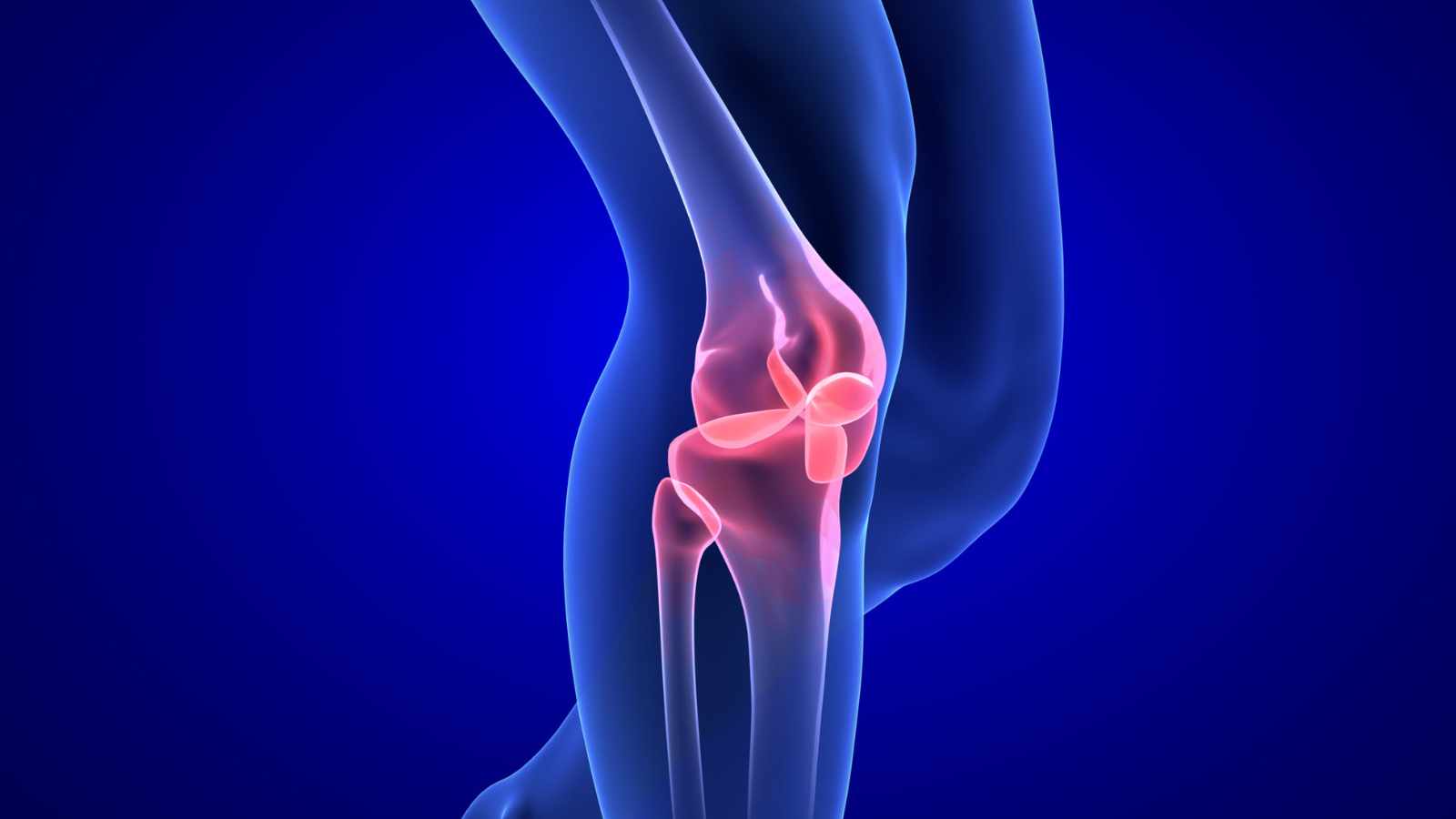
One of dairy’s strongest marketing points has been its ability to prevent fractures and support bone health. Yet large cohort studies consistently show that higher milk consumption in adulthood does not meaningfully reduce fracture risk.
Some data even hint at a U-shaped curve: extremely high intakes of milk may offer no additional protection and could even correlate with slightly higher fracture or mortality risk, though this remains debated. Body size, activity level, and overall diet are major confounders.
This opens the door to the “milk is not the only route to strong bones” argument. Countries with modest dairy consumption but higher intakes of leafy greens, legumes, nuts, and physical activity often have comparable or better fracture outcomes than high-dairy Western nations.
Experts increasingly emphasize overall dietary patterns, vitamin D status, and resistance exercise over simply chasing calcium numbers from milk. In other words, bones are stronger when supported by lifestyle, not just milk cartons.
The Environmental Cost of Dairy
Globally, livestock contribute substantially to methane emissions, and dairy production adds nitrous oxide and CO₂ through manure management, feed production, and energy use. In the U.S., dairy accounts for about 1.5–2% of total greenhouse gas emissions, plus significant ammonia emissions that harm local air quality.
Save this article
Water use is particularly striking. Milk production is highly water-intensive, mostly because of the crops grown to feed dairy cows. One analysis estimated that dairy accounts for roughly 5% of U.S. water withdrawals, excluding thermal power, with over 90% of that linked to feed irrigation.
Manure and fertilizer runoff contribute to nutrient pollution and algal blooms, while land cleared or degraded for dairy harms biodiversity and soil health. In some regions, these environmental costs may outweigh the economic benefits of milk production.
Plant-Based Milks Are Booming
Consumers are already responding to health, ethical, and environmental concerns. Global plant-based milk sales hit $20.35 billion in 2023, up sharply from the high teens a few years earlier. Forecasts project growth to $45.87 billion by 2032, an annual growth rate of 9.45%, far outpacing conventional dairy.
In the U.S., plant-based milks now account for mid-teens of total retail milk sales by value. Analysts cite health benefits, ethical concerns about animal welfare, and environmental messaging as major drivers. Younger consumers, in particular, appear willing to switch to soy, oat, or almond alternatives if they perceive these options as healthier or more sustainable.
How Plant Milks Stack Up

Life-cycle analyses show that soy, oat, and almond milks generate roughly one-third or less of cow milk’s greenhouse gas emissions. They also typically require far less land and water, especially soy and oat milk, making them appealing from a climate perspective.
Of course, not all plant milks are equal. Nut-based milks can require significant irrigation, particularly in drought-prone regions, and some grain-based milks involve monoculture practices that may raise ecological concerns. The takeaway? Switching from dairy to plant milk can reduce environmental impact, but smart choices matter.
Expert Voices
Experts are speaking out, providing nuanced guidance:
- Walter Willett (Harvard T.H. Chan School of Public Health): Milk is not essential for bone health, and three daily servings are unnecessary for most adults.
- David Ludwig: Calcium and protein needs can be met through diverse diets rich in vegetables, legumes, and fortified foods, not just milk.
- Dariush Mozaffarian: Blanket recommendations to avoid whole-fat dairy are outdated; policymakers should prioritize protective foods like nuts, fish, and minimally processed dairy, not push very low-dairy targets.
The tension is clear: moderate dairy is unlikely to be metabolically dangerous, but its climate and ethical footprint complicates the story.
Bottom Line
Milk is not evil, nor is it inherently harmful. But the old narrative—that three glasses a day are essential for health—is outdated and incomplete. Emerging research, combined with environmental pressures and plant-based alternatives, suggests that milk is optional for most adults. Between shifting science, ecological concerns, and market trends, it’s worth thinking twice before pouring that next glass.
The question is no longer simply “How much milk should I drink?” but rather “Do I need milk at all?” And for many adults worldwide, the answer may increasingly be: not really.
Disclaimer – This list is solely the author’s opinion based on research and publicly available information. It is not intended to be professional advice.
Disclosure: This article was developed with the assistance of AI and was subsequently reviewed, revised, and approved by our editorial team.





