

A bottle of eye drops sitting in a bathroom cabinet may look completely ordinary. Still, nearly 40,000 bottles of one Clear Eyes product are being recalled because the manufacturer cannot assure that the product is sterile.
Prestige Brands Holdings voluntarily recalled 39,060 bottles of Clear Eyes Maximum Itchy Eye Relief, a nonprescription product used to relieve itchy, irritated, and burning eyes temporarily. The affected bottles were distributed nationwide, but the recall is limited to one specific lot, not the entire Clear Eyes product line.
The recall was initiated on July 29, 2026, and the FDA classified it as a Class II recall on August 14. That classification means using the affected product could cause temporary or medically reversible health consequences, while the probability of serious harm is considered low.
Check the Bottle Before Using It
Consumers do not need to throw away every bottle of Clear Eyes they own; the lot number is what separates the recalled product from other bottles.
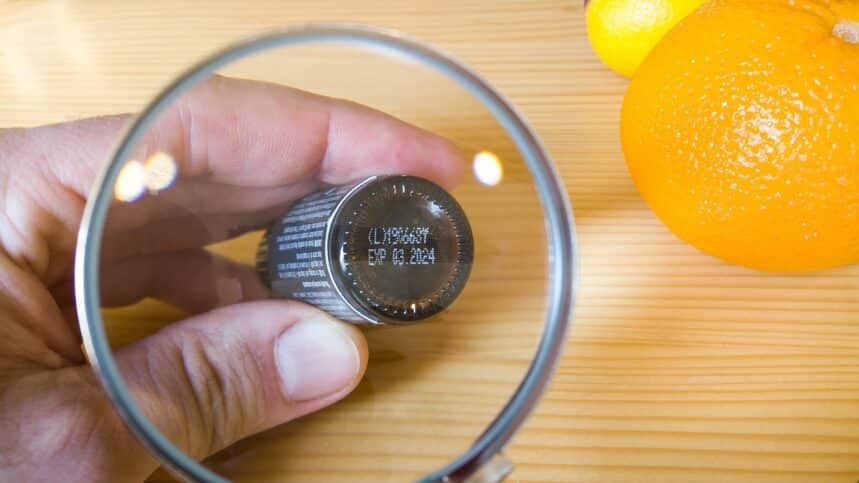
The affected product is Clear Eyes Maximum Itchy Eye Relief, packaged in a 0.5-fluid-ounce (15 mL) bottle. Consumers should check for Lot 2552A and an expiration date of September 30, 2027. The product’s NDC is 67172-999-01.
The product is an ophthalmic solution containing glycerin, naphazoline hydrochloride, and zinc sulfate. Its labeled uses include temporarily relieving burning and irritation caused by dryness, relieving minor eye redness, and protecting against further irritation.
That makes the recall particularly relevant to people who routinely keep eye drops at home, in a purse, at work, or in a car and may not remember exactly when they purchased them.
What Caused the Recall?
The central concern is a “lack of assurance of sterility,” meaning the manufacturer cannot provide the expected assurance that the recalled product is free from microorganisms.
Because the drops are placed directly into the eye, sterility is an important part of product safety. The concern is that a product whose sterility cannot be assured could potentially introduce contamination into the eye.
However, it is important not to exaggerate what regulators have said. The recall does not establish that every bottle contains harmful bacteria or other contaminants. Instead, the lack of sterility assurance is enough to prompt the company to remove the affected lot from the market.
The FDA’s Class II designation reflects the potential consequences while also indicating that serious health outcomes are considered unlikely.
No Injuries or Hospitalizations Have Been Reported
So far, the recall has not been accompanied by reports of injuries or hospitalizations connected to the affected product.
Save this article
That detail is reassuring, but it does not mean consumers should continue using the recalled drops. People with the affected lot are advised not to use it and to follow the manufacturer’s or retailer’s instructions for returning or disposing of the product.
Anyone who has used the recalled drops and develops concerning symptoms should watch for changes in their eyes. Reported warning signs include eye pain, redness, swelling, discharge, blurred vision, or other unusual symptoms. The product’s labeling also advises stopping use and consulting a doctor for eye pain, vision changes, or continued redness or irritation.
Consumers experiencing symptoms should seek appropriate medical advice rather than assuming the problem will disappear on its own. The absence of reported injuries is good news, but it should not become a reason to ignore a product that has specifically been identified for recall.
Why Eye-Drop Recalls Deserve Attention
Eye drops are different from many medicines because they are applied directly to one of the body’s most sensitive areas.
The Clear Eyes product is designed to be placed directly into the affected eye, meaning manufacturers must maintain appropriate controls to prevent contamination. The label instructs users not to allow the bottle tip to touch surfaces and to replace the cap after use, precautions intended to reduce contamination during normal handling.
That does not mean consumers should panic over the recall. It does mean that a sterility concern deserves attention because the product’s intended route of administration makes contamination particularly relevant.
The current recall is also specific: 39,060 bottles from one identified lot, rather than every Clear Eyes Maximum Itchy Eye Relief bottle or every Clear Eyes product on store shelves.
For anyone who has Clear Eyes Maximum Itchy Eye Relief at home, there is no need to guess. Find the bottle, check the lot number and expiration date, and take action if they match the recall. It is a simple measure of safety.
Do you regularly check the medicines and health products in your home for recalls, or do you usually only discover a product has been recalled when you see a warning in the news?
Read More:
- FDA Posts Nationwide Recall of Cetirizine Allergy Tablets Over Ranitidine Contamination Risk
- Massive Egg Recall Hits Southern and Southwestern U.S. After Salmonella Outbreak
- The Lettuce in Our Refrigerators Could Make Us Sick as Cyclospora Outbreak Spreads
- Check Your Fridge: Salmonella and Cyclospora Outbreaks Put Everyday Foods Under the Microscope





