

A growing body of research is revealing that what we eat may influence not just our bodies but also our minds. New studies suggest that certain foods could be linked to a higher risk of depression, challenging the idea that diet and mood are unrelated.
Scientists now believe that inflammation, blood sugar swings, and gut health all play roles in mental well-being, and some foods appear to aggravate these pathways. Paying attention to diet quality may be an important but overlooked tool in supporting emotional resilience and mental clarity.
Lead author Felice Jacka noted that diets high in sugary drinks, refined grains, and packaged snacks may promote inflammation and disrupt gut microbiota. Both of these effects have been linked to depressive symptoms. As research continues, understanding which foods may increase risk can help people make informed choices that support both physical and emotional health.
Ultra Processed Snack Foods
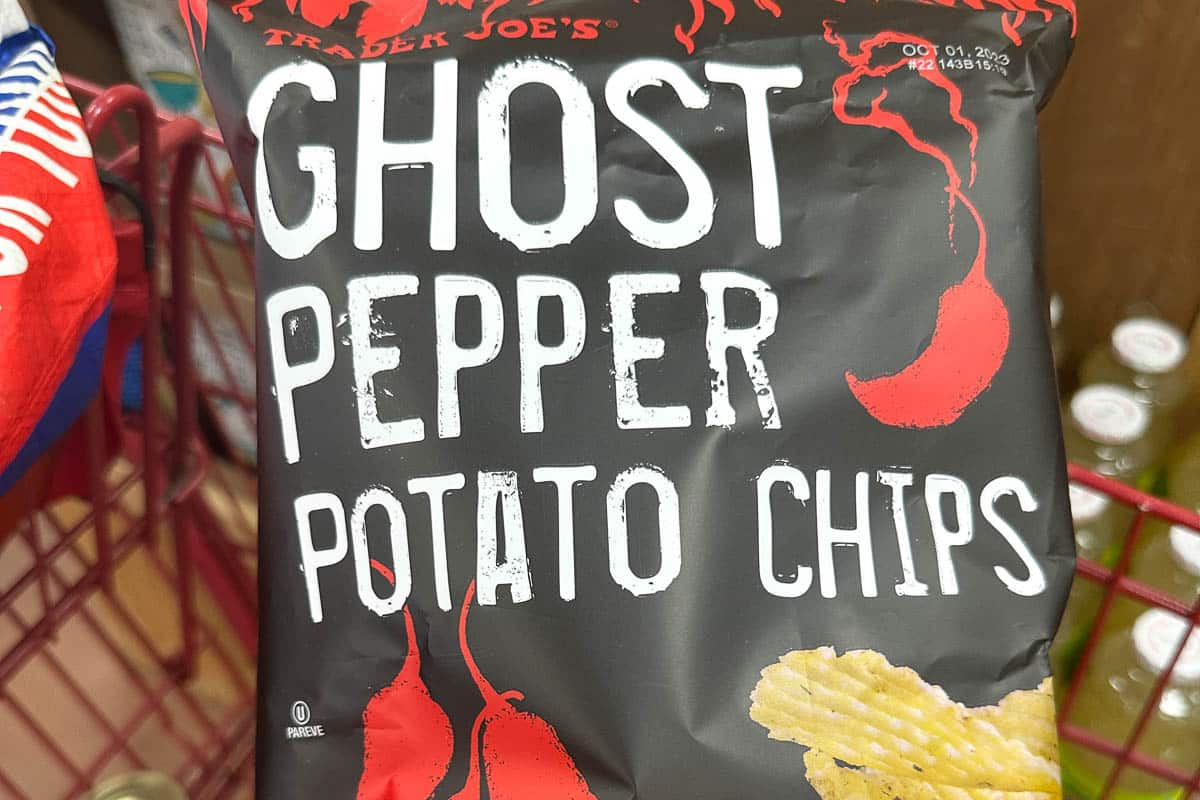
A 2025 narrative review published in Nutrients synthesized data from 79,701 adults. The researchers compared outcomes across categories of ultra-processed food intake. Individuals in the highest intake category had a 20 to 50 percent higher risk of developing depressive symptoms than those in the lowest category. Chips, packaged sweets, and similar snack foods accounted for a substantial share of intake in these groups.
The authors noted a common nutritional profile among these foods. Low fiber, low protein, high sugar, and high saturated fat intake has been linked in mechanistic papers to gut dysbiosis, neuroinflammation, and disrupted neurotransmitter signaling. The risk appeared tied not to novelty but to repetition.
Artificially Sweetened Diet Drinks

In a large prospective cohort published in JAMA Network Open by Harvard T.H. Chan School of Public Health researchers, dietary data from more than 31,000 U.S. women were followed for depression outcomes. Women with the highest intake of ultra-processed foods had roughly a 50 percent higher risk of depression compared with those in the lowest group.
Artificially sweetened products stood out. Participants in the highest category of artificial sweetener consumption had a 26 percent higher risk of depression than those consuming the least. The findings challenged the idea that removing calories alone neutralizes psychological impact.
Sugar-Sweetened Sodas and Energy Drinks

A meta-analysis published in the Journal of Affective Disorders pooled ten observational studies encompassing 365,289 participants. The authors reported that high consumers of sugar-sweetened beverages had a 31 percent higher risk of depression compared with low consumers.
Dose mattered. One quantitative review cited within the paper estimated that moving from roughly two glasses of cola per day to three standard cans increased depression risk by about 25 percent. The association followed a gradient rather than a threshold.
Western Style Fast Food Meals

Dietary pattern analyses tell a broader story. A meta-analysis in Molecular Psychiatry examined Western dietary patterns. It found a pooled odds ratio of approximately 1.19 to 1.20 for depression among those most adherent to these diets. The patterns were characterized by high intakes of red and processed meats, refined grains, fried foods, sugary desserts, and high-fat sauces.
Longitudinal cohorts within this analysis showed that people scoring highest on Western diet indices had greater odds of developing major depressive disorder. They also had greater odds of persistent depressive symptoms over time. In contrast, prudent patterns rich in vegetables, fruit, legumes, and whole grains were associated with a lower risk.
Processed Red Meats

Save this article
Across Western dietary scores, processed red meat consistently emerged as a contributing factor. A 2023 umbrella review published in Critical Reviews in Food Science and Nutrition evaluated animal-based foods and mental health outcomes across dozens of studies.
The review concluded that most animal-based components of Western diets were associated with increased risk of behavioral health disorders. This association excluded high-fat dairy and included conditions such as depression and anxiety. Processed meats were among the most consistently flagged items.
Refined Breads and Bakery Goods

White bread, pastries, cookies, and similar refined-grain products appear alongside sugary foods in Western dietary indices associated with depression. These items are rapidly digested and often consumed with added fats and sugars.
Authors of the Molecular Psychiatry meta-analysis noted that such foods contribute to glycemic volatility and inflammatory signaling. Inflammation has been repeatedly implicated in depressive pathology, providing a plausible biological bridge between bakery-heavy diets and mood disorders.
Packaged Sweet Desserts
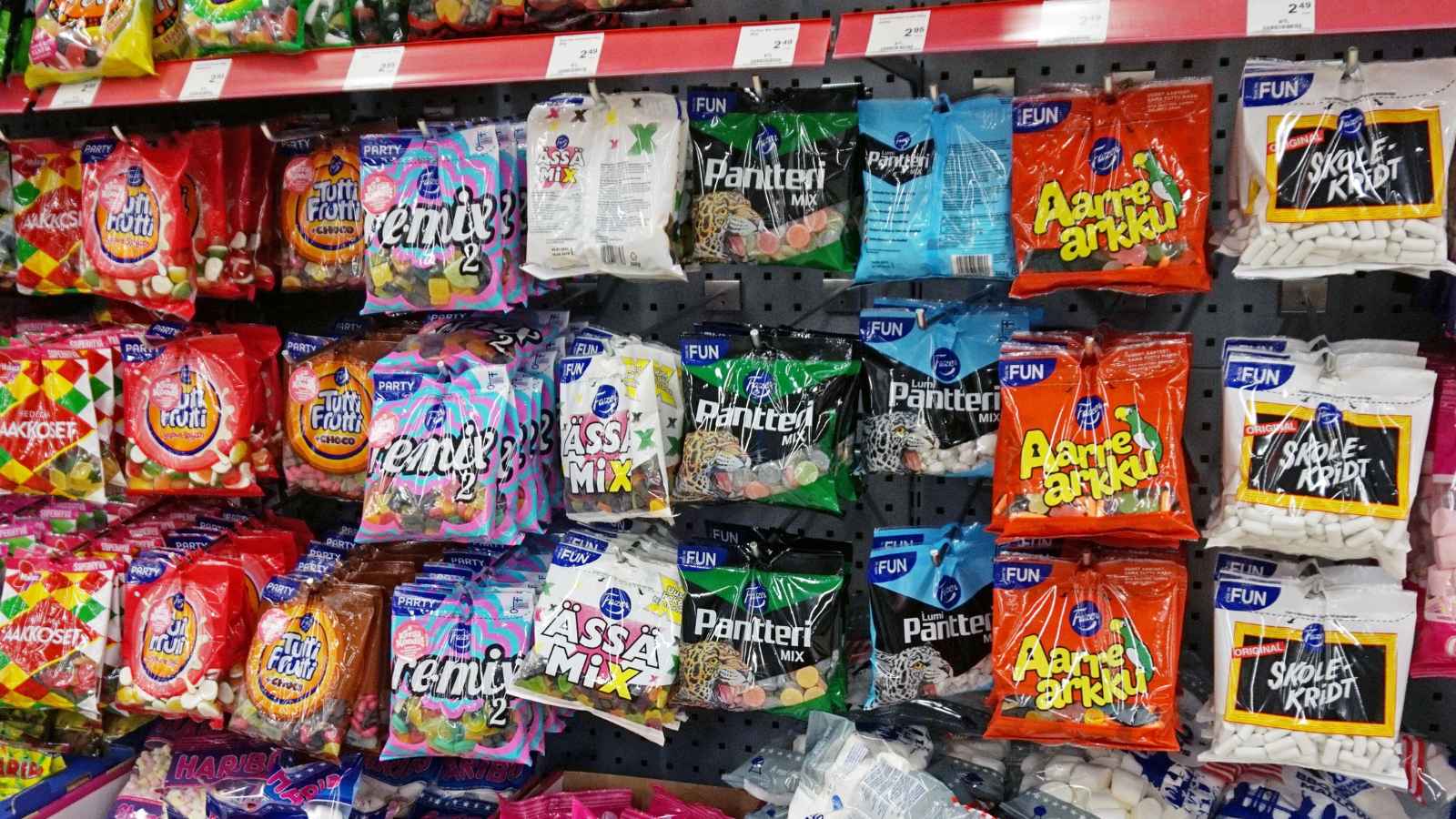
Confectionery and packaged desserts feature prominently in dietary patterns associated with higher depression risk across observational research. Their role appears less about pleasure and more about displacement.
Long-term cohort work cited in Nutrients suggests that overall diet quality declines as these foods replace nutrient-dense options. At the same time, depressive symptoms become more prevalent. The risk emerges from what is missing as much as from what is added.
Convenience Meals and Instant Foods

A U.S. cohort analysis published in Public Health Nutrition in 2023 followed women with varying levels of ultra-processed food intake. Those consuming nine or more servings per day had approximately a 50 percent higher risk of depression than those consuming four or fewer servings. Ready-to-eat and heat-and-eat meals were major contributors.
A 2025 longitudinal paper in Nutrients extended this finding. It reported that high ultra-processed food intake was associated not only with depression but also with poorer quality of life scores in otherwise healthy adults. Convenience, consumed daily, appeared to slowly erode mental well-being.
Key takeaways

Certain everyday foods are strongly linked to a higher risk of depression. This is especially true when ultra-processed snacks, sugary drinks, and Western-style convenience meals dominate the diet rather than appearing only occasionally.
Disclaimer – This list is solely the author’s opinion based on research and publicly available information. It is not intended to be professional advice.
Like our content? Be sure to follow us





