

That drawer full of old phone, laptop and power-tool batteries is about to need a plan in North Carolina. Starting Dec. 1, a state ban takes effect on putting lithium-ion batteries in household trash and municipal landfills. According to the North Carolina Office of State Fire Marshal, as reported by WCTI, the rule aims to cut fire hazards.
The timing lines up with the gift season, when new gadgets arrive and old ones get retired. Rechargeable pet gear, like the smart feeders in this holiday gift guide for cat people, and cordless cleaning tools such as the models in this Shark vs. Bissell vacuum comparison all run on rechargeable batteries that will eventually need proper disposal. Thrifty households that keep old electronics around may recognize the habit from these Boomer habits making a comeback.
What the Dec. 1 Ban Covers
WCTI reported on Nov. 17 that the ban covers disposal of lithium-ion batteries in household trash and municipal landfills. WUNC, in a story dated Oct. 23, said the prohibition also reaches incinerators, so tossing the batteries in the bin is out either way.
The change updates General Statute 130A-309.10, which already keeps lead-acid batteries, televisions and antifreeze out of landfills and incinerators. The state Department of Environmental Quality’s list of landfill disposal bans now shows lithium-ion batteries with a Dec. 1, 2026, effective date.
The legislature set the timing years ago. A General Assembly summary of Session Law 2023-137 says the section on lithium-ion batteries became effective Oct. 10, 2023, after lawmakers overrode a veto, while the disposal bans apply to offenses committed on or after Dec. 1, 2026. None of the sources reviewed describe penalties for households.
Which Batteries Count
Matt James, a recycling program analyst at the state Department of Environmental Quality, told WUNC that anything rechargeable is generally considered a lithium-ion battery. His examples ranged from an electric shaver or toothbrush in the bathroom to blenders and other rechargeable appliances in the kitchen.
WCTI’s list of everyday items adds cellphones, laptops, power tools, toys and other rechargeable devices. Earbuds, smartwatches and cordless vacuums belong to the same family.
Why Fire Officials Care
The Office of State Fire Marshal told WCTI that lithium-ion batteries can catch fire if they are damaged or mishandled. In a garbage truck or a processing plant, a battery can be crushed or punctured, and the resulting fire can spread quickly and damage equipment.
Wake County has already seen the cost. WUNC reported that a January 2025 fire at the North Wake Household Hazardous Waste Facility, started by an improperly discarded battery, is expected to need more than $1.5 million in repairs. Because hazardous waste cannot legally be stored at a damaged site, the North Wake facility is open only on Sundays for now.
James said the law should steer batteries into proper channels and keep sanitation workers safer. It should also help trucks, recycling plants and landfill cells last longer because they will face fewer fires, he said, and it supports recovering the lithium, iron and nickel inside.
A Three-Step Routine Before Drop-Off
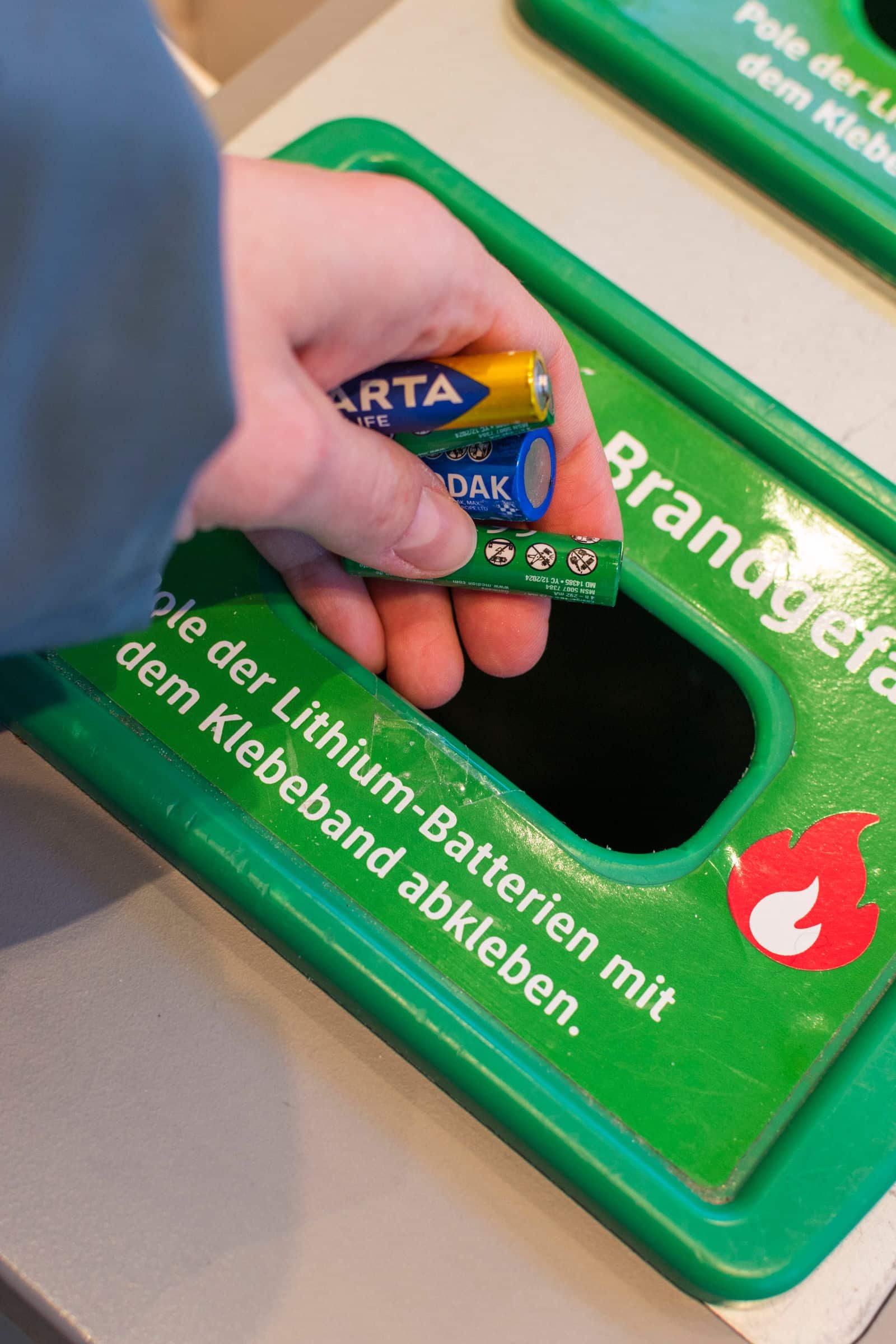
Wake County outlines three steps, according to WUNC. First, cover each battery’s terminals with non-conductive tape or put each battery in its own bag so they cannot short out. Second, keep the batteries in a cool, dry place in an unsealed container, such as a plastic tub or glass jar. Third, take them to a household hazardous waste facility within six months.
The state fire marshal’s office, as relayed by WCTI, gives similar advice: use tape or separate bags, and never put the batteries in household trash or recycling bins, even when they no longer work.
Where the Batteries Go
Drop-off options include authorized battery recycling programs, household hazardous waste facilities and county-designated sites, according to WCTI, and residents are encouraged to call their county waste management department for the nearest location.
Wake County has three facilities that take lithium-ion batteries, each serving only Wake County residents, WUNC reported. The North Wake site on Deponie Drive in Raleigh is open Sundays from 8 a.m. to 4 p.m. because of the fire damage. The South Wake site on Old Smithfield Road in Apex is open Monday through Saturday, 8 a.m. to 4 p.m., and the East Wake site on Wendell Boulevard in Wendell is open Saturdays and Sundays with the same hours.
Other counties have similar sites, and batteries can also go to participating stores listed on The Battery Network’s locator map, WUNC said. The state also publishes guidance for businesses, noting that the ban applies to retailers and offices that generate or collect used lithium-ion batteries.
Disposal rules like this one vary widely from state to state, much like the laws in this list of things that are illegal in one U.S. state but not another, and they join other everyday rules covered in these household actions people do without realizing they’re illegal.
This article was written with the help of AI tools and checked against the sources linked above.




