

The plant milk aisle has never been more crowded, and choosing the right one isn’t as simple as grabbing whatever’s trendy.
From almond to oat to pea protein blends, the options keep expanding, each promising something different for your health, your diet, or the planet. It’s no surprise the category is booming, global sales have already reached tens of billions and continue to climb as more people rethink what they drink.
But more choice doesn’t always mean more clarity. With so many options on the shelf, figuring out which plant-based milk actually fits your needs can feel surprisingly complicated. Here’s how to make sense of it.
So Many Choices

The plant milk aisle offers something for everyone looking to cut calories, boost protein intake, or find the perfect dairy-free alternative. From almond to oat to soy, each option brings its own unique set of benefits. So, let’s explore popular plant-based milks, unpack their nutritional profiles, and explore which one aligns best with your lifestyle.
Almond Milk

Almond milk is the lightweight champion when it comes to calories. A cup of unsweetened almond milk packs just 30–40 calories and offers 1 gram of protein per serving. That’s a huge difference compared to regular dairy milk, which contains around 150 calories and 8 grams of protein. But not all almond milks are created equal. Many retail brands contain only 2–3% almonds, meaning you’re mostly drinking water with some added gums and oils.
If you’re focusing on weight loss or simply want a creamy base for your smoothies, almond milk is a solid pick. Kim Darragh, a registered nutritionist, points out that “many nut milks contain just 2–3% nuts, with the rest being water, oils, and additives, so you have to read labels if you actually care about nutrition, not just marketing claims.”
Best for: Smoothies, cereals, and coffee; if you’re watching calories and want a light, dairy-free option.
Soy Milk
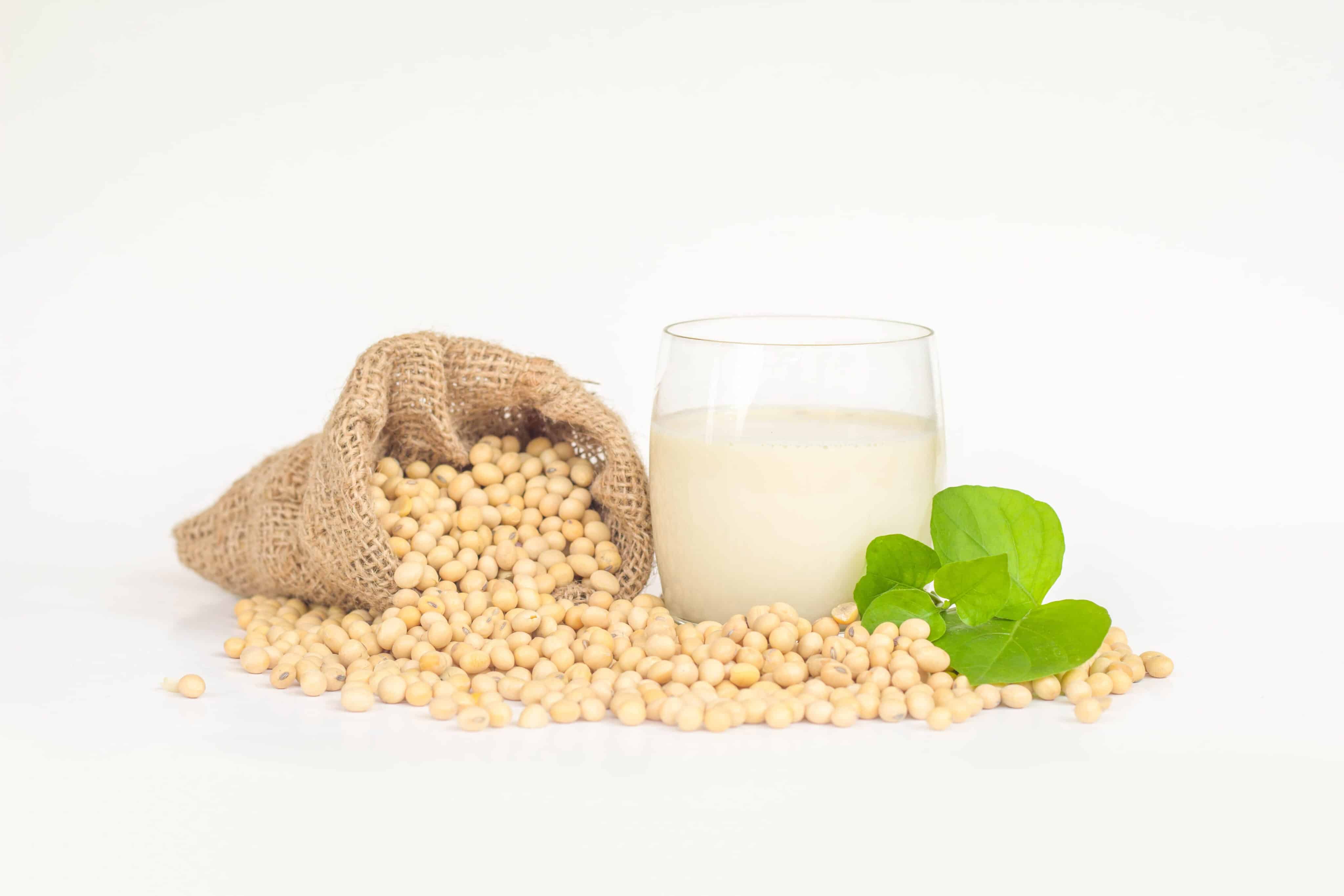
When it comes to protein, soy milk leads the charge. Offering 7–8 grams of protein per cup, soy milk closely mimics the nutritional profile of cow’s milk, making it a popular choice for people transitioning away from dairy.
It’s naturally cholesterol-free and a favorite for those looking to support muscle growth or maintenance.
A 2023 study found that soy milk remains the most popular plant-based milk in the U.S. and is growing steadily as consumers look for higher-protein options.
Soy milk also boasts a decent amount of vitamins and minerals, including calcium and potassium, which is great for bone health. If you’re aiming to get protein without the saturated fats found in many dairy products, soy milk is your best bet.
Best for: Muscle-building smoothies, high-protein breakfasts, and people who want a milk alternative that closely resembles dairy.
Oat Milk
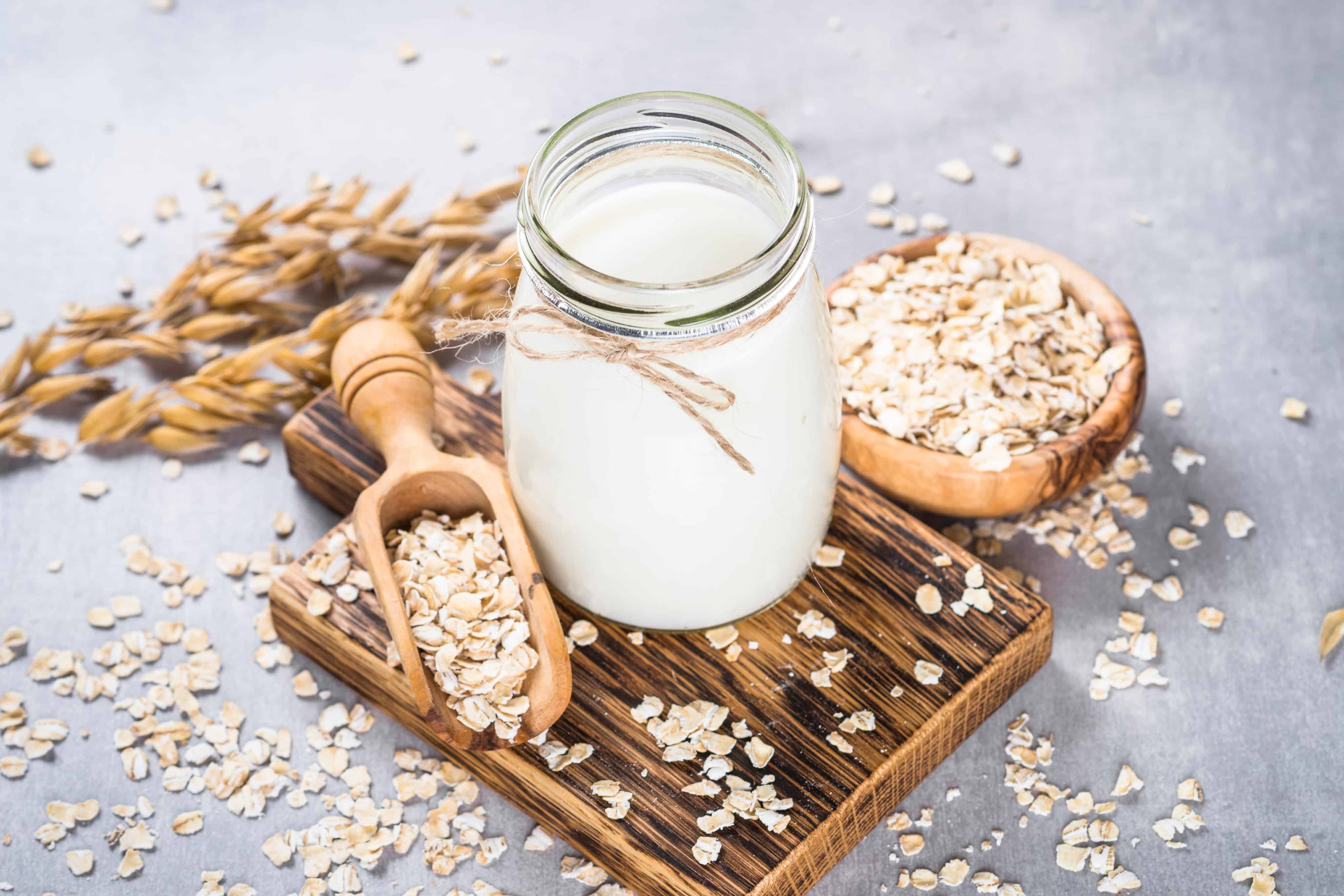
Oat milk has surged in popularity, particularly for its creamy texture, which is perfect for lattes and coffee. It typically delivers 120–140 calories and 16–19 grams of carbohydrates per cup, far higher than almond milk. This makes oat milk a great choice for those who want a richer, more filling texture, but it may not be the best option if you’re watching your blood sugar levels.
Experts suggest that the beta-glucan in oats, a soluble fiber, can help lower cholesterol, making oat milk a heart-healthy choice. However, if you’re managing diabetes or following a low-carb diet, the carb content might be a concern. Still, if you want a sweet and rich milk alternative for your morning coffee, oat milk stands out.
Best for: Creamy lattes, baking, and adding extra fiber to your diet.
Coconut Milk Beverage
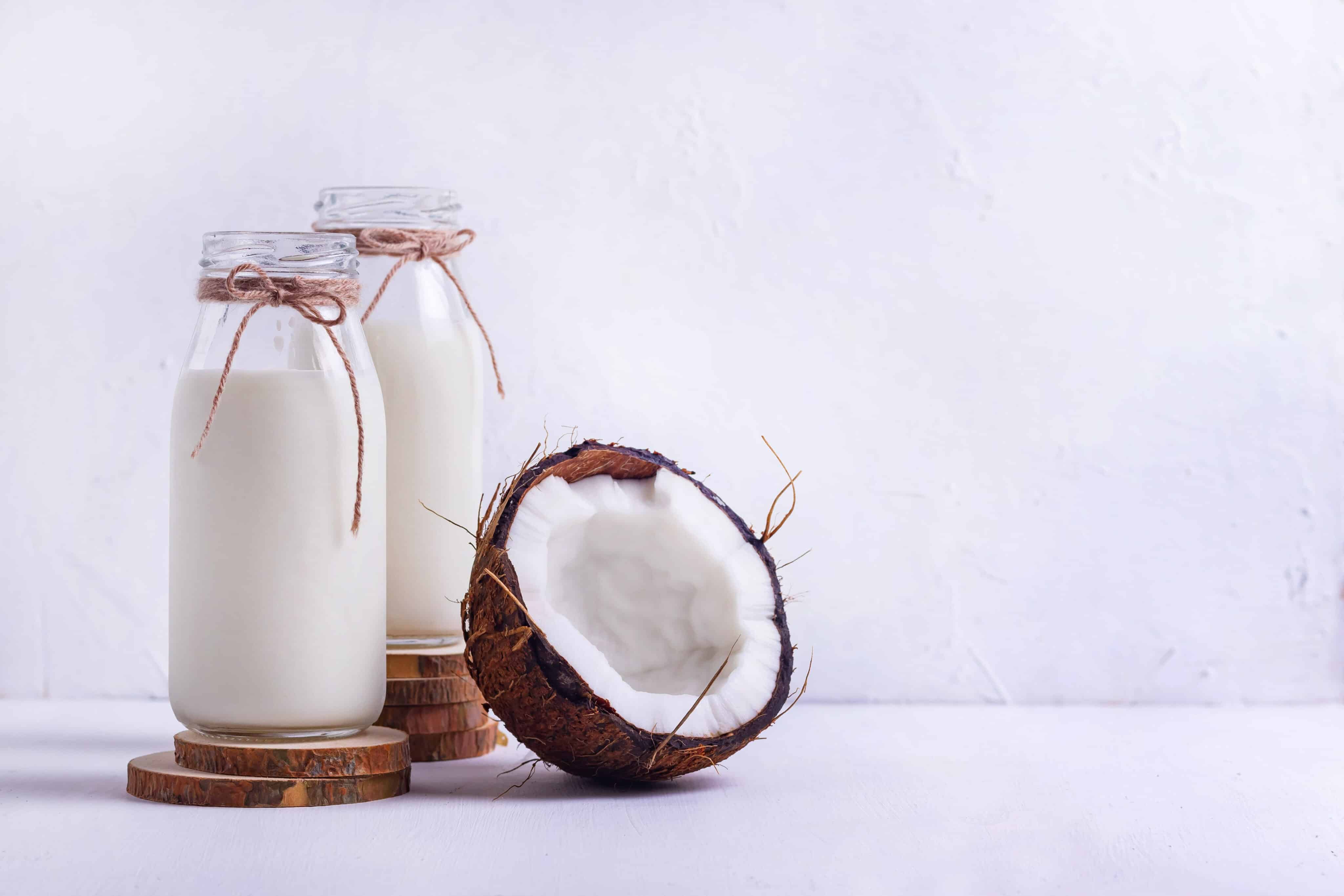
Coconut milk is a favorite for low-carb and keto diets, as it’s high in healthy fats but low in carbs. It’s often around 45 calories, with 0–1 gram of carbs per cup, and a tiny amount of protein. Unlike other plant milks, coconut milk is higher in saturated fats, which can be both beneficial and a concern, depending on your health goals.
While it’s fantastic for adding flavor to your morning coffee or a curry, be cautious if you’re concerned about heart health, as too much saturated fat can raise your cholesterol. Still, coconut milk is a great option if you’re seeking a milk with a rich flavor and minimal carbs.
Best for: Keto drinkers or anyone who wants a rich, creamy milk alternative.
Cashew Milk
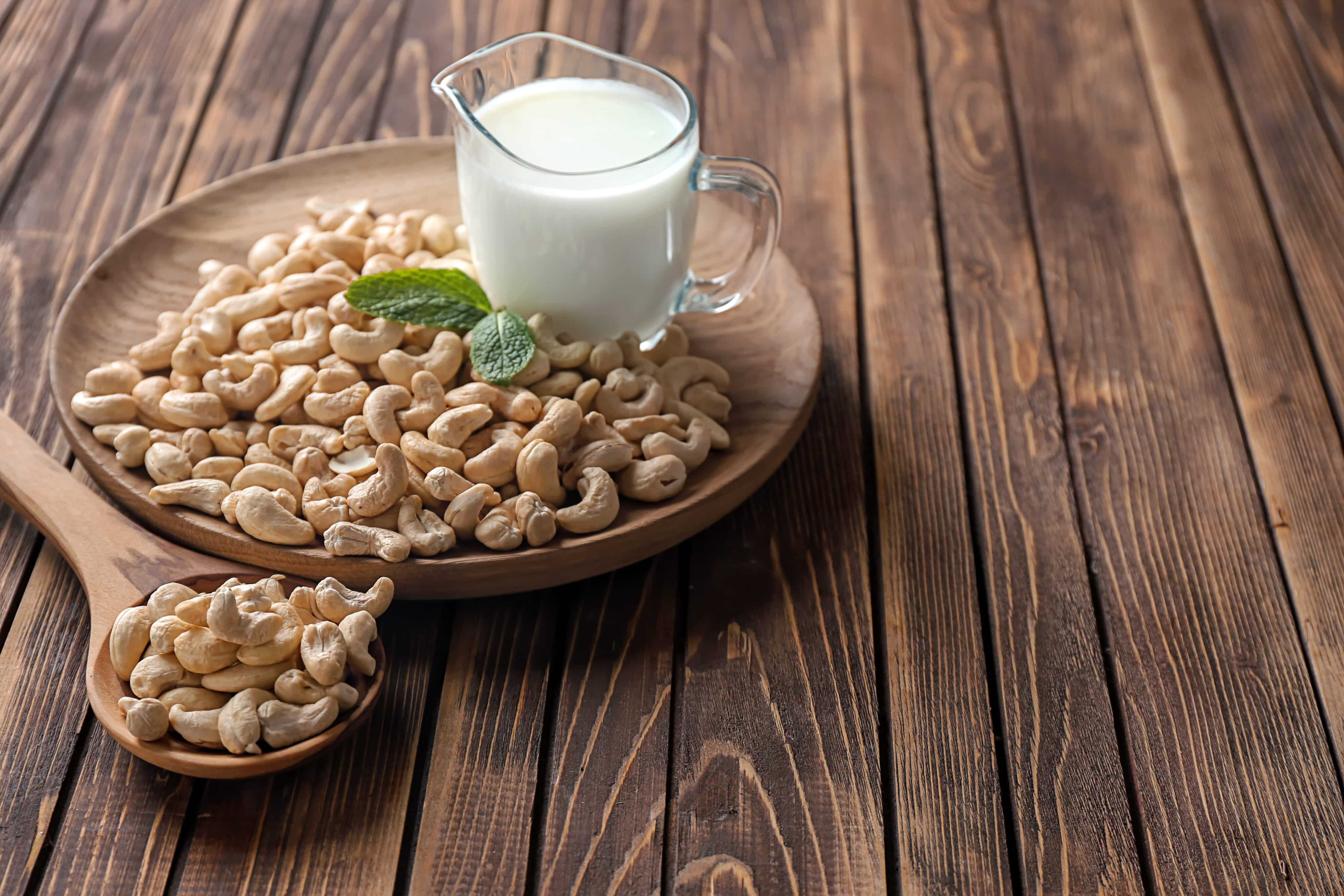
Cashew milk is incredibly creamy and delicious, but it doesn’t deliver much protein. Like almond milk, it’s low in calories but high in creaminess, making it an excellent choice for desserts, sauces, or smoothies. If you’re looking for something smooth with a slightly nutty flavor, cashew milk can be a great addition to your pantry.
The downside? It’s quite low in protein and doesn’t offer the same nutritional punch as other options, such as soy or walnut milk. But if you’re looking for a plant-based milk for dessert-style treats, cashew milk adds the perfect texture without too many calories.
Best for: Desserts, creamy coffees, and sauces.
Hazelnut Milk
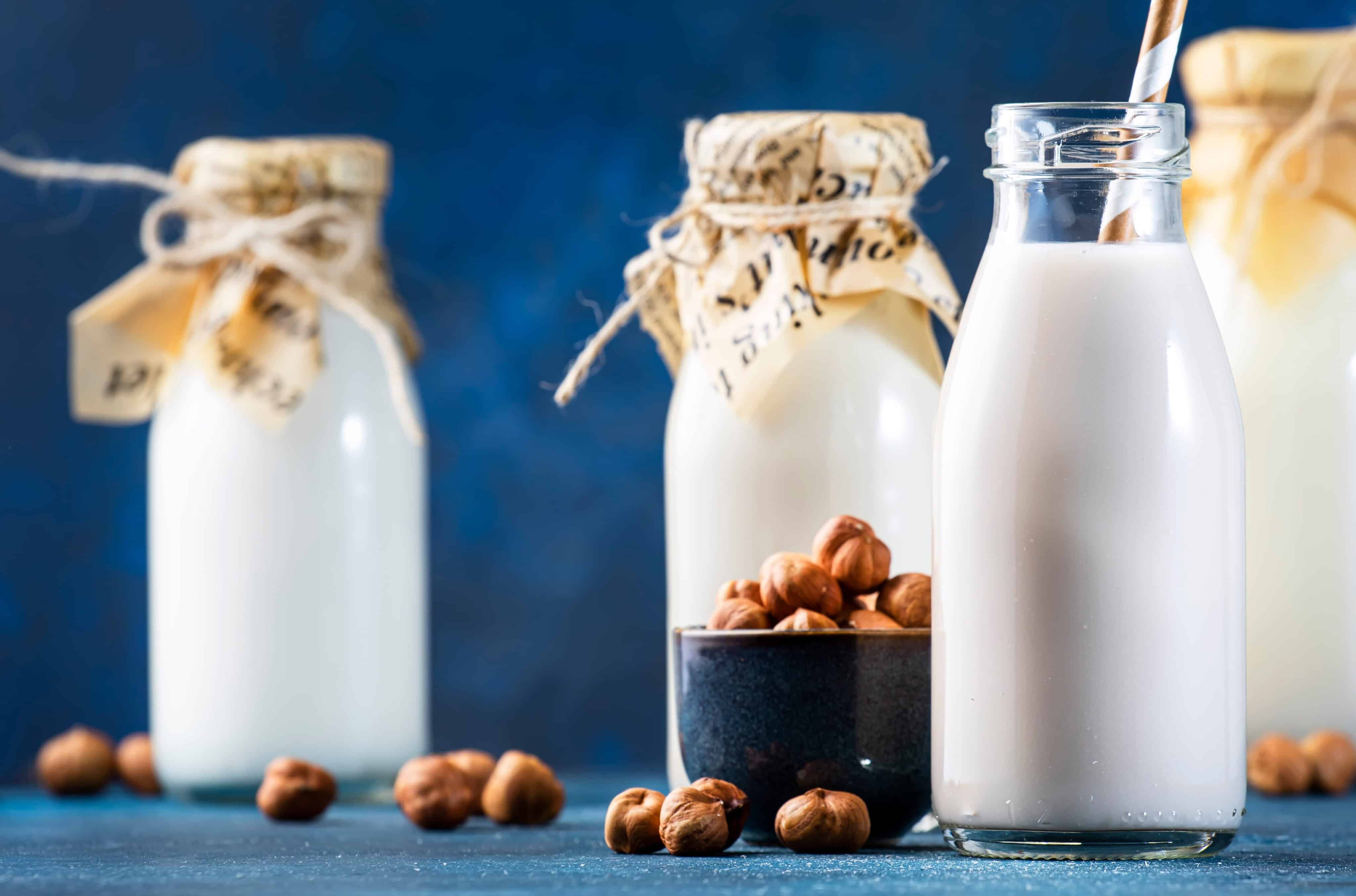
Hazelnut milk isn’t just about its nutritional profile; it’s about the flavor. This milk alternative is rich in mono- and polyunsaturated fats, with a distinct nutty flavor that works well in chocolate drinks and baking. While it doesn’t pack the protein punch of soy milk, it’s perfect for people who want a sweet, creamy milk for chocolatey treats or coffee.
Many people love the taste of hazelnut milk in hot drinks like hot chocolate. However, if you’re looking for protein or looking to manage your macros carefully, hazelnut milk isn’t the best choice. It shines in taste and healthy fats, though.
Best for: Indulgent, dessert-style hot chocolate or coffee.
Walnut Milk
Save this article
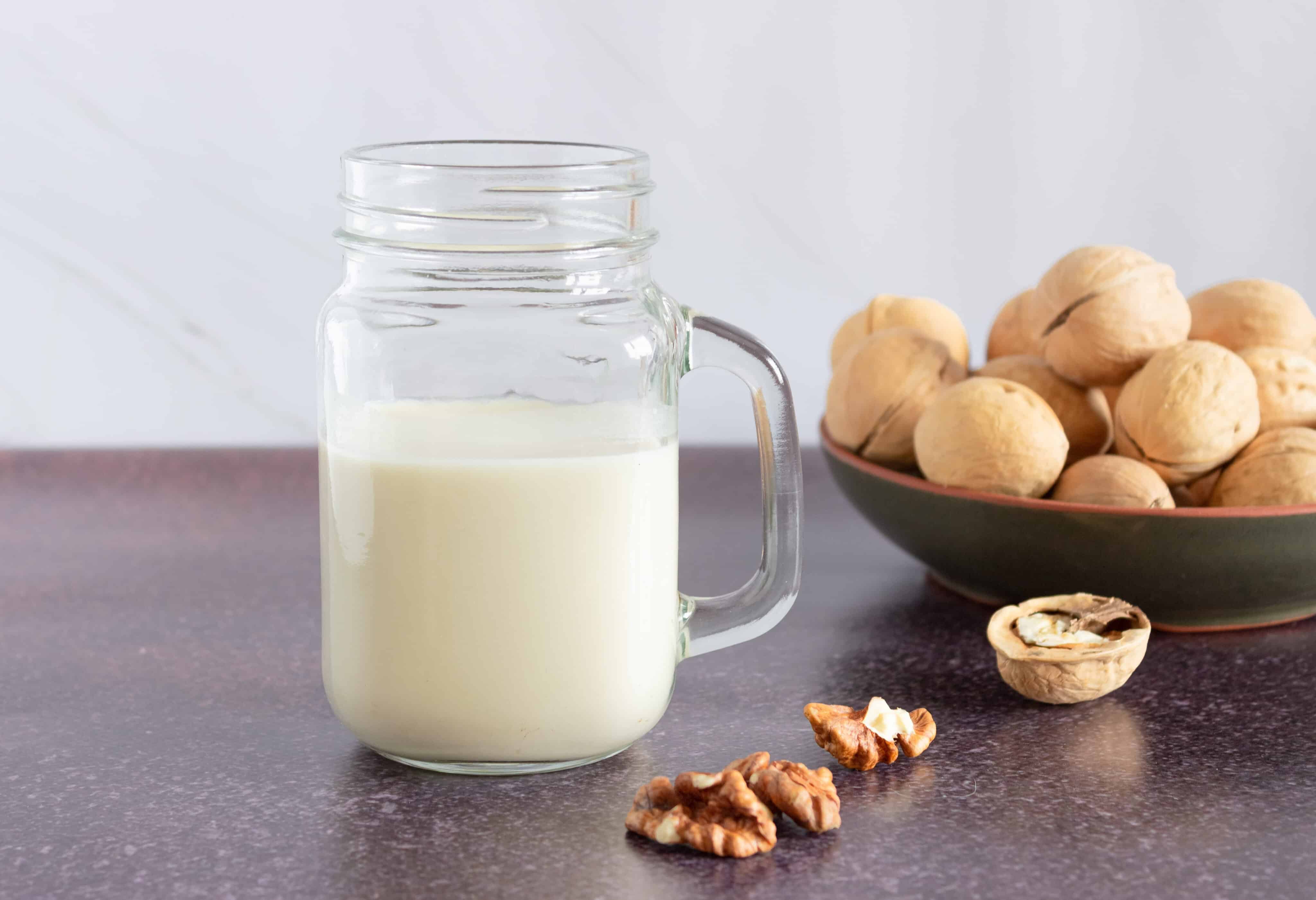
Walnut milk has been gaining traction due to its high omega-3 fatty acid content, which is great for heart and brain health. These essential fats have been linked to reducing inflammation and improving memory. If you’re looking for a milk alternative that packs a nutritional punch for brain health, walnut milk is a solid choice.
Though it may not be as creamy as coconut or cashew milk, it offers healthy fats and is a great brain-boosting addition to smoothies. If you want milk that’s good for both your heart and your mind, walnut milk’s omega-3 content makes it stand out.
Best for: Heart health, brain function, and coffee lovers who want a nutty flavor.
Macadamia Milk
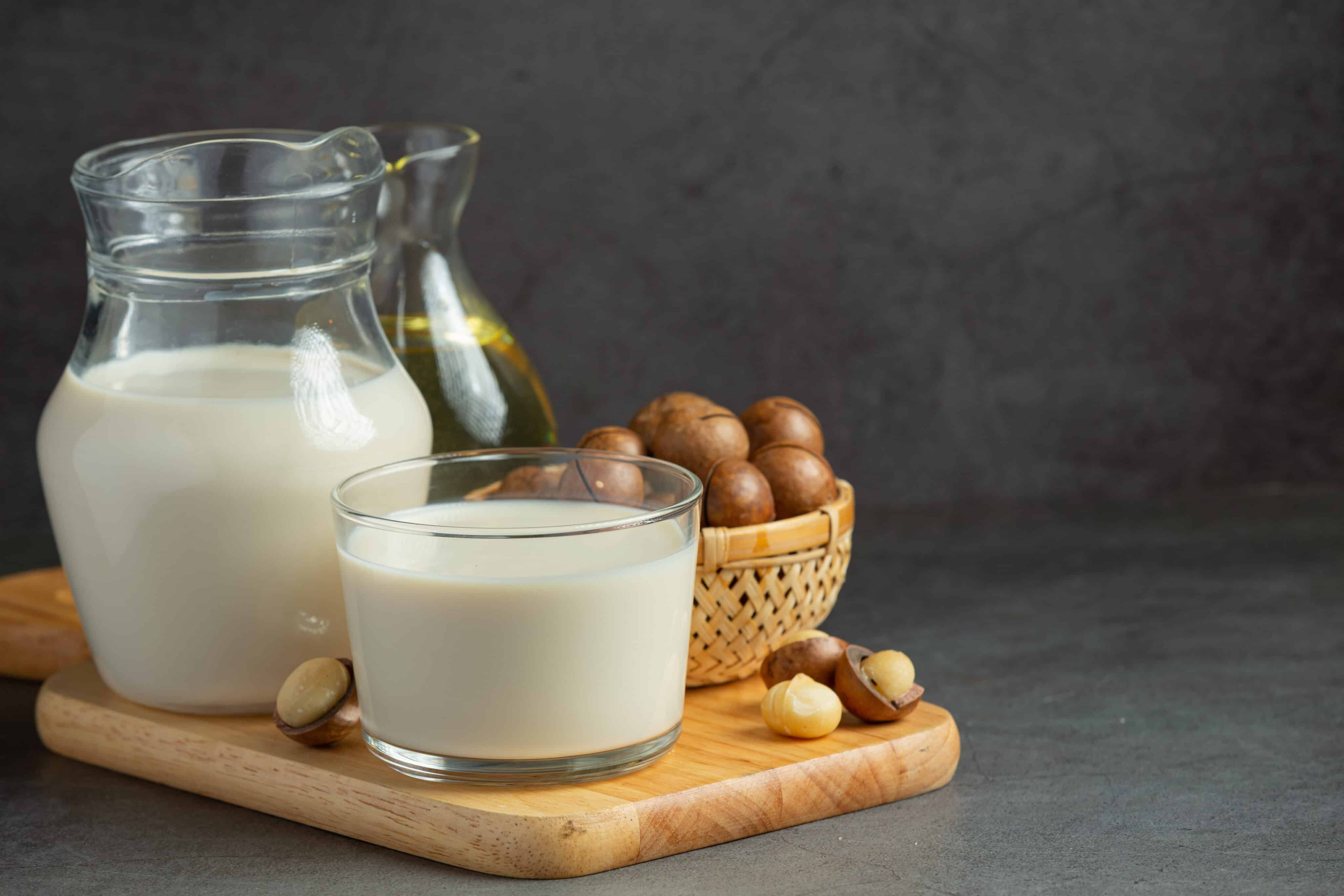
Macadamia milk is a premium choice for those seeking low-carb and high-fat options. It’s smooth, rich, and works exceptionally well in lattes or for people who want a plant-based milk with “good fats.”
However, it’s pricier than many other nut milks, so it’s often reserved for people who want a higher-end product.
Best for: People who love rich lattes or are following a low-carb diet.
Pistachio Milk
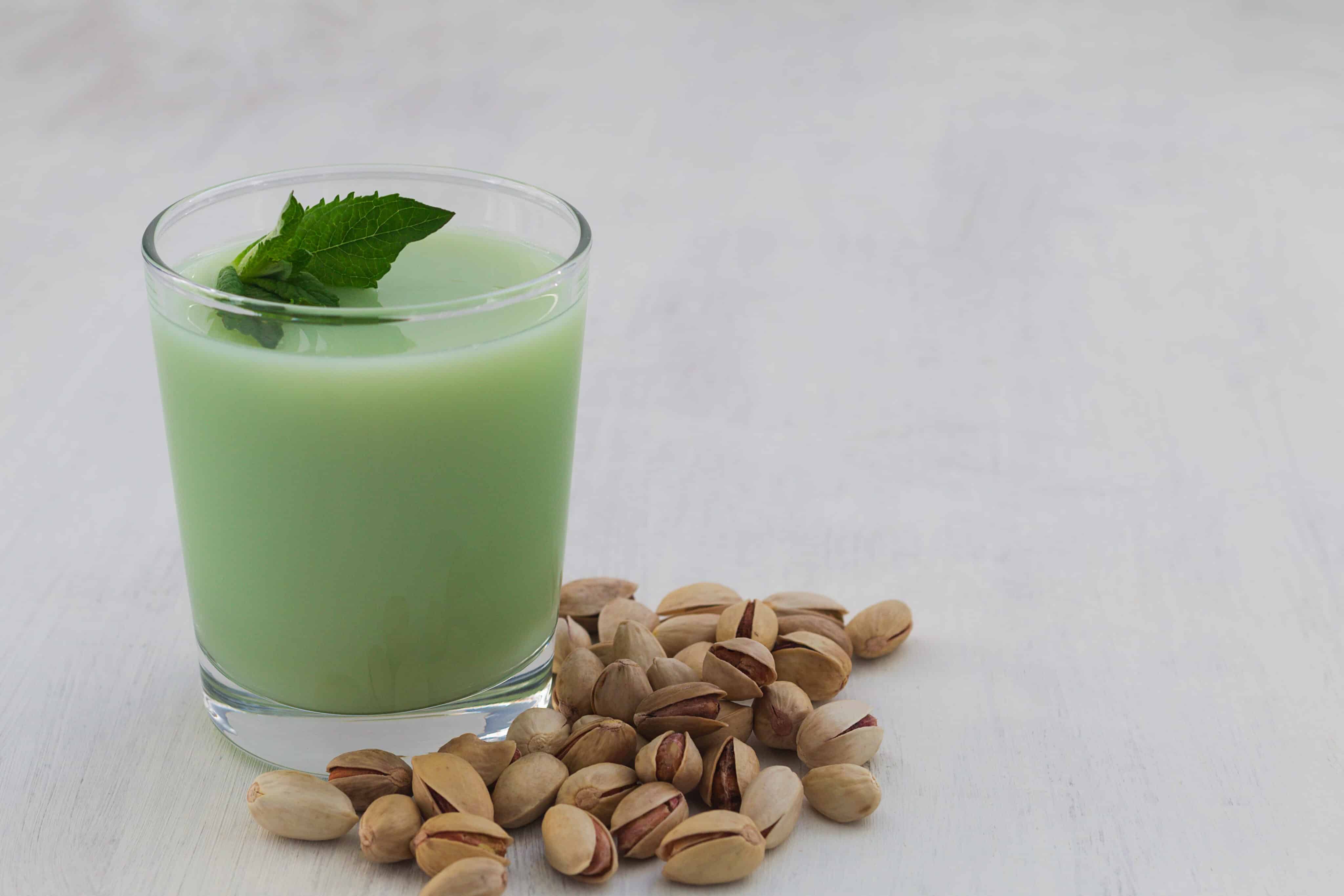
Pistachio milk is newer to the scene but is gaining traction for its unique, nutty, slightly sweet flavor. Plus, it’s an eco-friendly choice, as pistachios require less water to grow than almonds.
The sustainability factor appeals to many consumers who want a plant milk that not only supports their health but also the environment.
Best for: Trend-conscious consumers seeking a unique, flavorful plant milk with lower sugar.
Peanut Milk
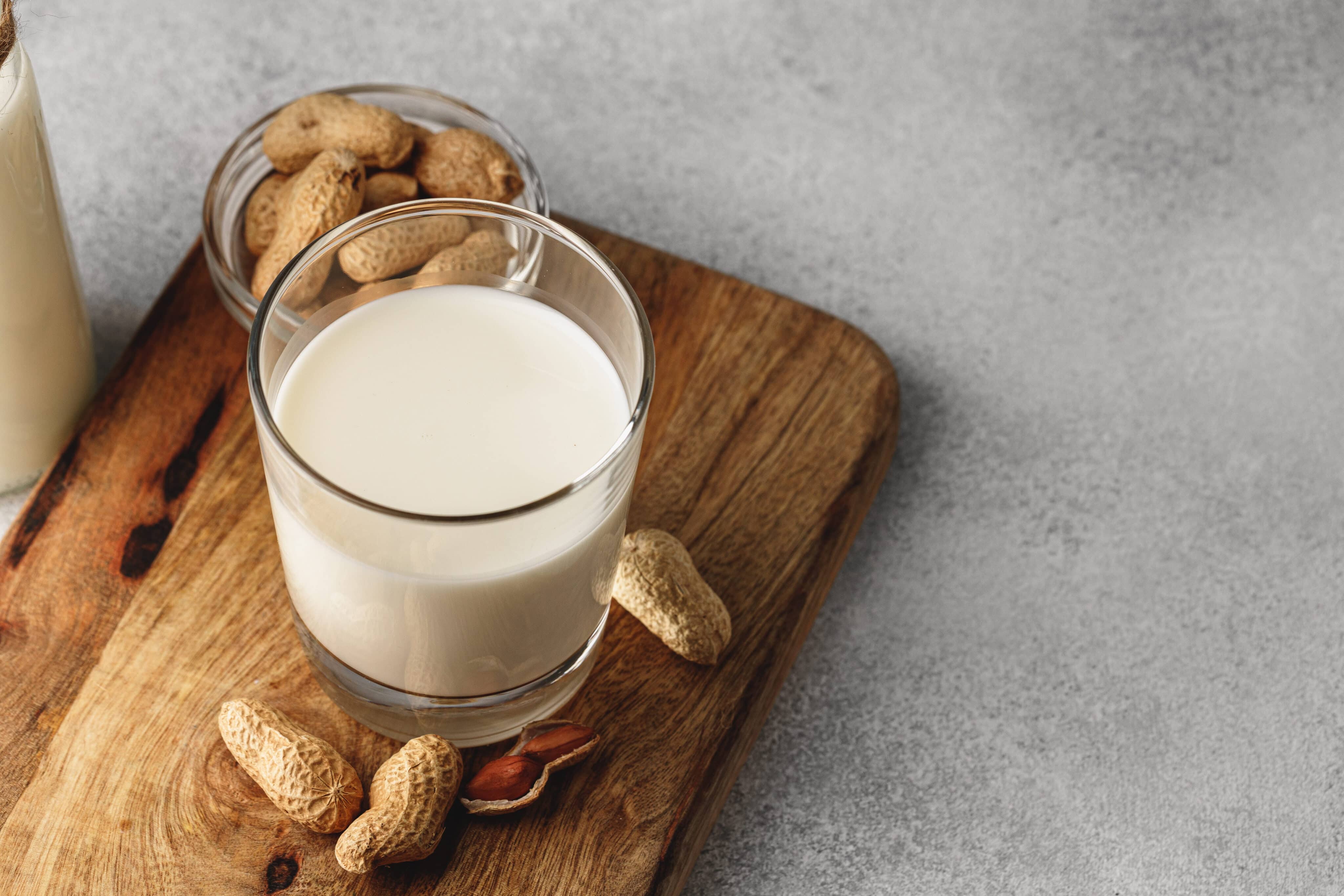
If you’re looking for a budget-friendly, protein-packed milk, peanut milk is a great choice. With more protein than almond or cashew milks, it’s a solid option for smoothies or post-workout recovery.
Plus, it’s much cheaper compared to other nut-based milks, so if you’re trying to save a little cash, peanut milk is a great alternative.
Best for: Budget-conscious consumers and protein-seekers.
Hemp “Nut” Milk
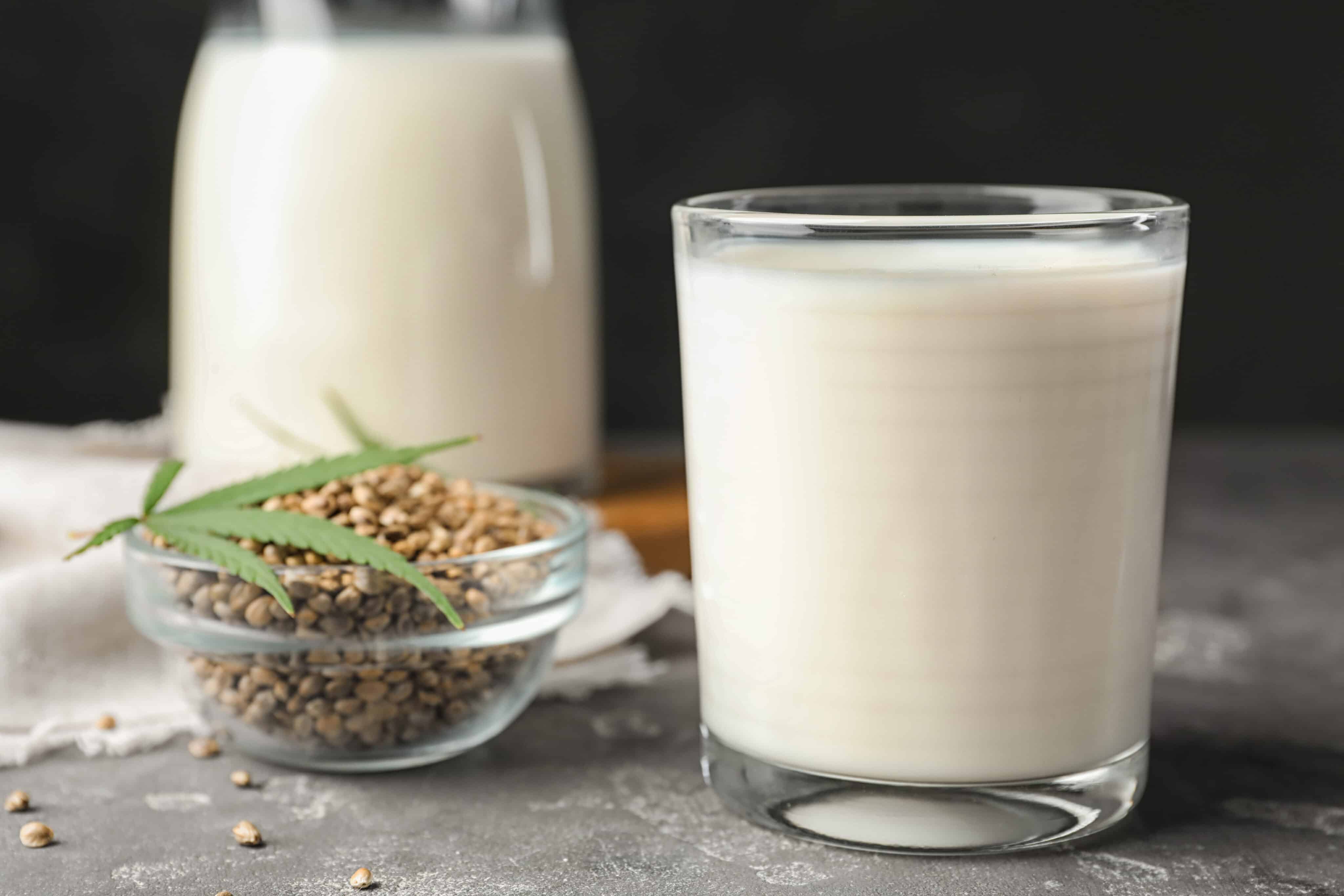
Hemp milk is an omega-3 powerhouse. Packed with anti-inflammatory fats, it’s ideal for anyone seeking a natural way to support skin, joint, and heart health.
While it’s not as creamy as some other options, hemp milk is rich in omega-3s, making it a great choice for people looking to add those fats to their diets.
Best for: Those interested in joint, skin, and heart health, with a slight earthy flavor.
Mixed Nut Blends
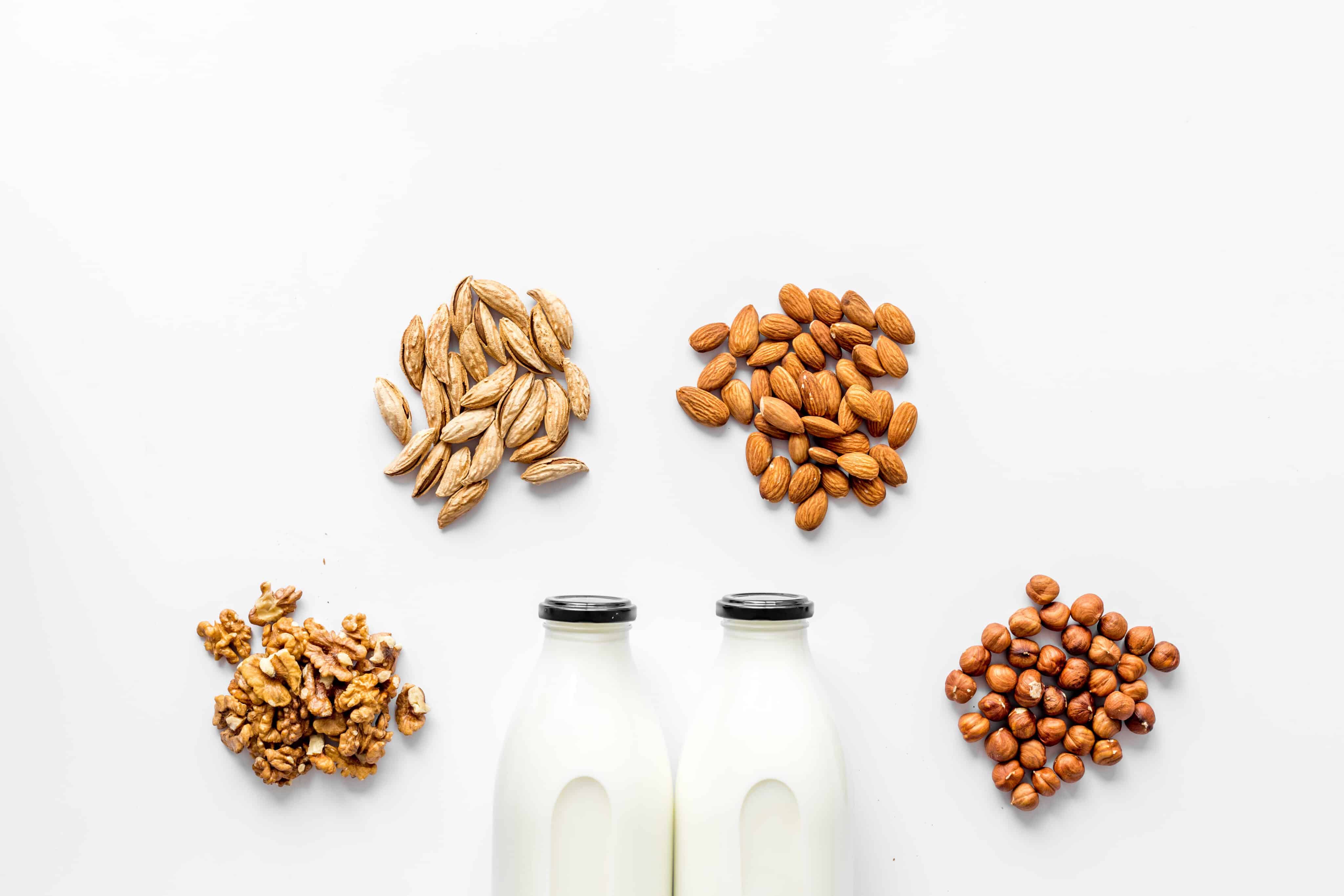
If you’re looking for a milk that’s customized to your macros, mixed nut milks are the way to go. Plant‑based market analysts highlight that “the plant milk category, worth roughly 21 billion dollars in 2024; is on track to nearly double in value over the next decade as consumers look for lower‑calorie, lactose‑free, and allergen‑friendly options tailored to specific health goals.”
Blends like almond-cashew or almond-oat give you the best of both worlds: creaminess, flavor, and adjusted nutrition. Keep in mind that these blends can vary widely in calories, protein, and sugar, so it’s important to check the label.
Best for: Customizable blends that fit specific tastes and dietary needs.
Key Takeaways

- The plant-based milk market is booming, projected to nearly double by 2030, with options like soy, oat, and almond leading the charge.
- Nutritional needs vary by the milk choice: soy and walnut milks are packed with protein and omega-3s, while almond and cashew milks are low-calorie alternatives.
- If you’re aiming for brain health, walnut milk is your best bet; for heart health, hazelnut and macadamia milks shine with their healthy fats.
- The growing trend toward sustainability has led to the rise of eco-friendly milk options like pistachio milk, which requires fewer resources than almond milk.
No matter what your dietary preferences or health goals are, there’s plant-based milk for you. With so many options available, the hardest part is choosing your favorite. So go ahead and experiment with these delicious alternatives to find the one that fits your lifestyle!
NOTE –This list is solely the author’s opinion based on research and publicly available information. It is not intended to be professional advice.
Like our content? Follow us on Newsbreak.
DIY Lactose-Free Dairy

The low FODMAP diet is not a dairy-free diet. It is lower in lactose, however, and this is often a source of great confusion. Lactose and dairy are not the same thing, although they overlap. We highly encourage you to read our article, Lactose, Dairy and The Low FODMAP Diet.
This article here is about how to make your own lactose-free dairy products, such as milk, cream, and more. We are taking DIY to a new level with DIY Lactose-Free Dairy! Learn more.





