

Thanksgiving Day could look very different depending on where the turkey is roasting. The Old Farmer’s Almanac has laid out a region-by-region picture for Thursday, Nov. 26, with snow and chilly air in the Upper Midwest and rain with mild temperatures in the Northeast and along the Atlantic Corridor.
The almanac’s Thanksgiving forecast, published Oct. 27, is a long-range outlook, not a National Weather Service forecast, and the almanac itself says conditions can change as the holiday approaches. Getting the whole family to one table, rain or snow, is one of the odd American traditions that confuse the rest of the world, and the weather is a big part of that trip.
Snow and a Chill in the Upper Midwest and Lower Lakes
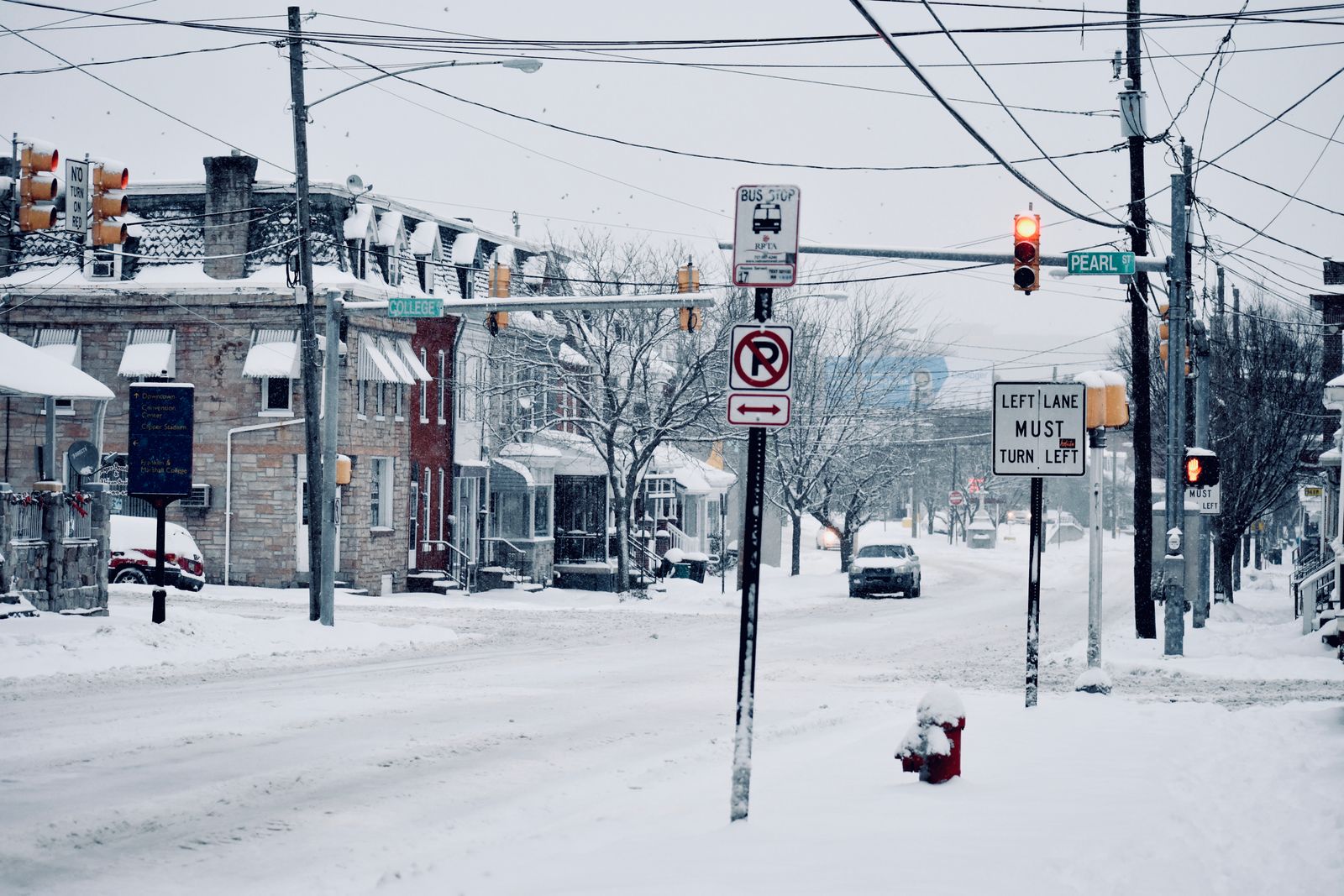
The Upper Midwest has the clearest winter picture on the almanac’s map, with snow and chilly weather on Nov. 26. The Lower Lakes region lands in between, with a mix of rain and snow and temperatures the almanac calls chilly.
For families driving to a gathering in either region, that mix matters more than the turkey timing. Alaska follows a similar pattern, with snow showers and colder conditions across most of the state and rain with mild temperatures in the panhandle. The almanac advises checking local forecasts before planning holiday travel there.
Rain With Mild Air From New England to the Mid-Atlantic
The Northeast and the Atlantic Corridor are both marked for rain and mild temperatures on the holiday. Newsweek, which reported on the almanac’s Thanksgiving map, added that snow is possible in the Northeast around the holiday and in the northern Atlantic Corridor over the weekend.
That detail matters for anyone driving home after the holiday, since the weekend outlook differs from the one for Thursday itself. Flyers face a different kind of weather problem: the dash from car to terminal with a bag in hand. A carry-on suitcase that skips the checked-bag fee keeps that trip short, and families packing for several people can look at a 3-piece luggage set for holiday trips.
Sunny and Cool, or Warm and Showery, Across the South
The South splits into two moods. The Deep South is forecast to be sunny and cool, while the Southeast and Florida are forecast to be warm with rain. The Appalachians are forecast to be sunny and warm, according to the almanac’s regional table.
The Ohio Valley sits between those pictures, with rain and sun and temperatures that start warm and turn cooler.
Plains, Mountains and the West Coast Look Mostly Dry
The High Plains are marked sunny and warm, and Newsweek reported that the almanac described the week there as one that “looks just about perfect.” The Desert Southwest is forecast to be warm with sunshine, and the Pacific Southwest is forecast to be sunny, cool in the north and warm in the south. Texas and Oklahoma are marked warm, with sun in the north and rain in the south.
The Heartland is the exception inland, with rain and cool temperatures. The Intermountain region gets rain in the north and sun in the south, with warm temperatures. The Pacific Northwest is forecast to be rainy and mild, and Hawaii is marked for rain and mild temperatures.
What an Almanac Outlook Can and Cannot Say
The almanac says its Thanksgiving forecast is based on The 2027 Old Farmer’s Almanac, whose forecasts begin Nov. 1, 2026. It focuses on broad patterns rather than exact hours or precise snow totals. A separate publication, the Farmers’ Almanac, put out its own Thanksgiving outlook, and the two do not always agree, which is a reminder of how uncertain any long-range forecast can be.
For the most reliable picture, the National Weather Service issues local forecasts and any watches or warnings in the days just before the holiday. Those short-range forecasts are the ones to check before leaving home, especially for drivers heading into the Upper Midwest or the Lower Lakes.
Planning Around the Forecast
A snowy or rainy Thanksgiving usually means a cozier day indoors, which suits a holiday built around one big meal. Cold-weather cooking also has a long history in American kitchens, and these forgotten winter dishes families ate in hard times show how earlier generations made the most of a stormy season.
For travelers, the simplest plan is to build in extra time, check the forecast the night before departure and again in the morning, and keep an eye on the weekend outlook for the trip home. In regions marked for sunshine, the almanac’s map is good news for anyone planning a post-dinner walk, and a short list of winter habits from the ’70s shows how much holiday routines have changed over the decades, even if the weather has not.
This article was written with the help of AI tools and checked against the sources linked above.




