Culinary trends shift constantly with every new generation as tastes, values, and nutritional knowledge evolve over time. What was once considered an essential household staple quickly becomes obsolete as new dietary priorities take center stage.
Walk into any modern grocery store today and you will immediately notice a massive shift in the items taking up premium shelf space. Younger shoppers are prioritizing clean ingredients, health benefits, and sustainability over the heavily processed convenience foods of the past. Traditional pantry staples that once dominated household kitchens are currently gathering dust and rapidly losing their market share.
By looking closely at these shifting dietary habits, we can easily identify the classic foods that are disappearing from modern dinner tables. These outdated items simply cannot compete with the fresh, transparently sourced ingredients that today’s consumers demand.
Canned Processed Meats
Opening a tin of heavily processed meat was once considered a quick and perfectly acceptable family dinner solution.
Younger generations have largely rejected these mysterious canned products in favor of fresh, recognizable, and transparently sourced protein options.
The sheer amount of sodium, artificial preservatives, and mystery ingredients found in canned meats actively repels modern, health conscious consumers. They are actively seeking out cleaner alternatives that provide actual nutritional value without the long list of chemical additives.
A recent demographic shift perfectly illustrates how traditional meat consumption is changing among younger, more environmentally aware demographics globally. In fact, a 2025 Food Tech World report highlights that Generation Z consumers allocate just 18% of their food budget to traditional meat products compared to the national averages.
This significant drop proves that heavily processed, outdated meat products are slowly becoming relics of a bygone culinary era.
Furthermore, the incredible rise of plant based diets has completely shifted the spotlight away from these retro pantry staples. Young adults prefer eating fresh beans, lentils, or sustainably sourced poultry when cooking their weekly dinners at home. The convenience of a pull tab meat can simply cannot outweigh the negative health and environmental impacts associated with it.
Artificial Margarine Spread
For decades, families enthusiastically swapped out real butter for bright yellow tubs of margarine because they mistakenly believed it was healthier.
Modern nutritional science has thoroughly debunked this old school myth, and younger shoppers are paying very close attention to the updated research. They know that highly processed vegetable oils and artificial flavorings are far worse for their cardiovascular health than natural dairy products. Real, high quality butter and extra virgin olive oil have completely reclaimed their rightful place in the modern kitchen space.
Millennials and Gen Z buyers prefer foods with minimal processing and completely recognizable, natural ingredient lists printed on the packaging. The idea of spreading a chemically engineered butter substitute onto their morning toast is incredibly unappealing to this informed demographic.
Consequently, sales of traditional margarine have steadily plummeted as consumers embrace the wholesome, natural fats that previous generations unnecessarily feared.
Cooking enthusiastically with real, wholesome ingredients has become a massive trend across social media platforms popular with young adults. They are proud to showcase their culinary creations using authentic dairy or premium plant based alternatives like avocado oil. The artificial yellow spreads of the past simply do not align with this new era of transparent, whole food cooking.
Diet Microwave Meals
Flimsy plastic trays filled with watery diet meals used to dominate the frozen food aisles during the peak of the calorie counting craze.
Younger consumers have completely rejected the toxic diet culture of the past, opting instead for holistic nutrition and overall bodily wellness. These frozen trays are notoriously packed with hidden sodium and highly artificial preservatives to compensate for their absolute lack of actual flavor. Shoppers today would much rather prepare a simple, fresh meal than consume a frozen brick of heavily processed diet food.
Save this article
Instead of strict calorie restriction, young adults are heavily prioritizing ingredients that actively support their energy levels, digestion, and mental clarity. According to a 2024 Food Industry Executive analysis, Gen Z and Millennials consume functional foods to meet health goals rather than strictly focusing on weight loss. This massive shift in perspective means the sad, outdated frozen diet meal is permanently losing its space in the grocery store freezer.
This generation vastly prefers the practice of preparing fresh meals ahead of time using colorful vegetables and lean proteins. Meal prepping on Sundays has completely replaced the sad ritual of microwaving a tiny, unfulfilling plastic tray after a long day at the office. They demand real culinary satisfaction and genuine nutritional value from every single meal they consume.
Sugary Breakfast Cereals
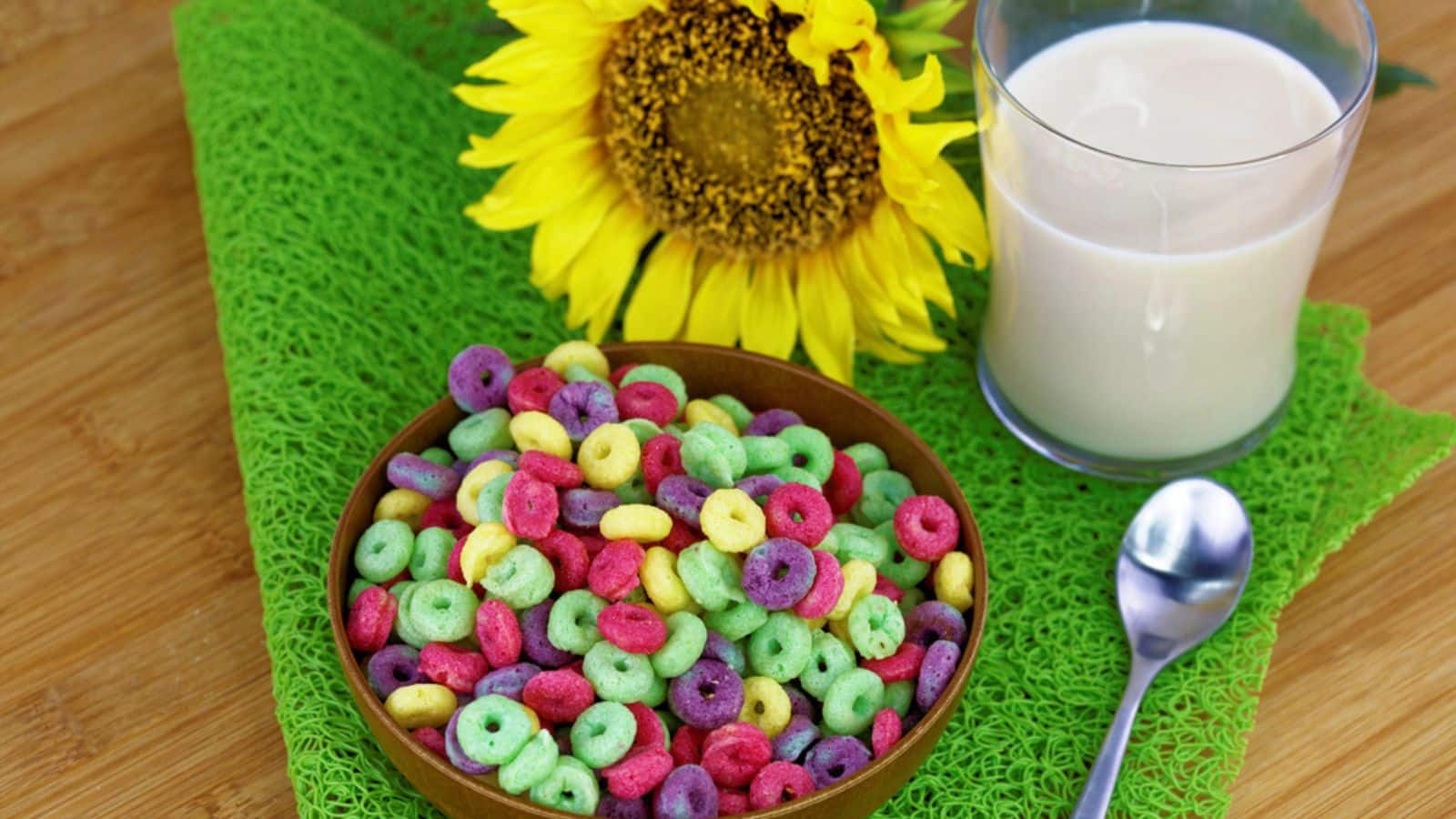
Pouring a giant bowl of brightly colored, sugar coated cereal used to be the ultimate morning ritual for kids and young adults.
Today, shoppers in their twenties and thirties are skipping the cereal aisle entirely because they view these products as nothing more than boxed desserts. They are incredibly aware of the negative health impacts caused by starting their morning with a massive spike in blood sugar.
Modern breakfasts lean heavily toward protein packed options like Greek yogurt, avocado toast, or freshly blended green smoothies.
The cereal industry has struggled immensely to capture the attention of a demographic that carefully reads every single nutritional label. These younger buyers simply refuse to spend their money on products composed mostly of refined carbohydrates and artificial food dyes. The classic cereal mascots of the past are quickly losing their cultural relevance in our health driven modern society.
Related: Nostalgic Foods Boomers Can’t Get Enough Of
Instead of pouring cold milk over sugary corn puffs, the younger crowd prefers a warm, nutrient dense bowl of oatmeal topped with fresh berries. They want their morning meals to provide sustained, jitter free energy to help them tackle their busy professional schedules. The nostalgic appeal of these colorful boxes is no longer strong enough to secure a permanent spot in their grocery carts.
Gelatin Based Desserts
Wobbly, neon colored gelatin molds were once the undisputed star of every family gathering, neighborhood potluck, and holiday dinner table.
Modern palates have evolved significantly over the years, and the strange, rubbery texture of traditional gelatin simply does not appeal to younger generations.
Furthermore, the massive amounts of refined sugar and artificial coloring required to make these treats are huge red flags for today’s health conscious shoppers. When young adults want a sweet treat, they typically reach for premium dark chocolate, fresh fruit, or artisanal baked goods.
The concept of suspending canned fruit or miniature marshmallows inside a jiggly ring of flavored gelatin now feels incredibly bizarre and completely unappetizing. These retro desserts have essentially become an internet joke rather than a serious culinary staple in the modern American kitchen. While they may hold nostalgic value for older generations, these jiggly creations are officially a thing of the culinary past.
Today’s dinner party hosts prefer to serve elegant yet simple desserts like a fresh berry tart or a small scoop of high quality gelato. They want their dessert course to reflect the same level of care and fresh ingredients as the main meal. The era of proudly presenting a glowing green mold to dinner guests has officially ended for the younger crowd.
Question for you. Which retro or old-school food do you secretly still love to eat even though younger generations have completely left it behind?