

The little plastic bar at the grocery checkout barely registers for most shoppers. Yet the simple act of setting it down behind a pile of groceries, or placing it for the next person in line, has sparked surprisingly heated debates online.
A 2019 MEL Magazine deep dive called the checkout divider “super-divisive,” noting that there is no agreed-upon rule in the U.S. about who should place it. That gray area is exactly why the habit can be revealing. Etiquette also shifts from place to place, and FrenzHub has a list of American habits and phrases that are rude in other countries.
No single gesture defines a whole personality, of course. But people who reach for the divider without thinking twice often share these 8 traits.
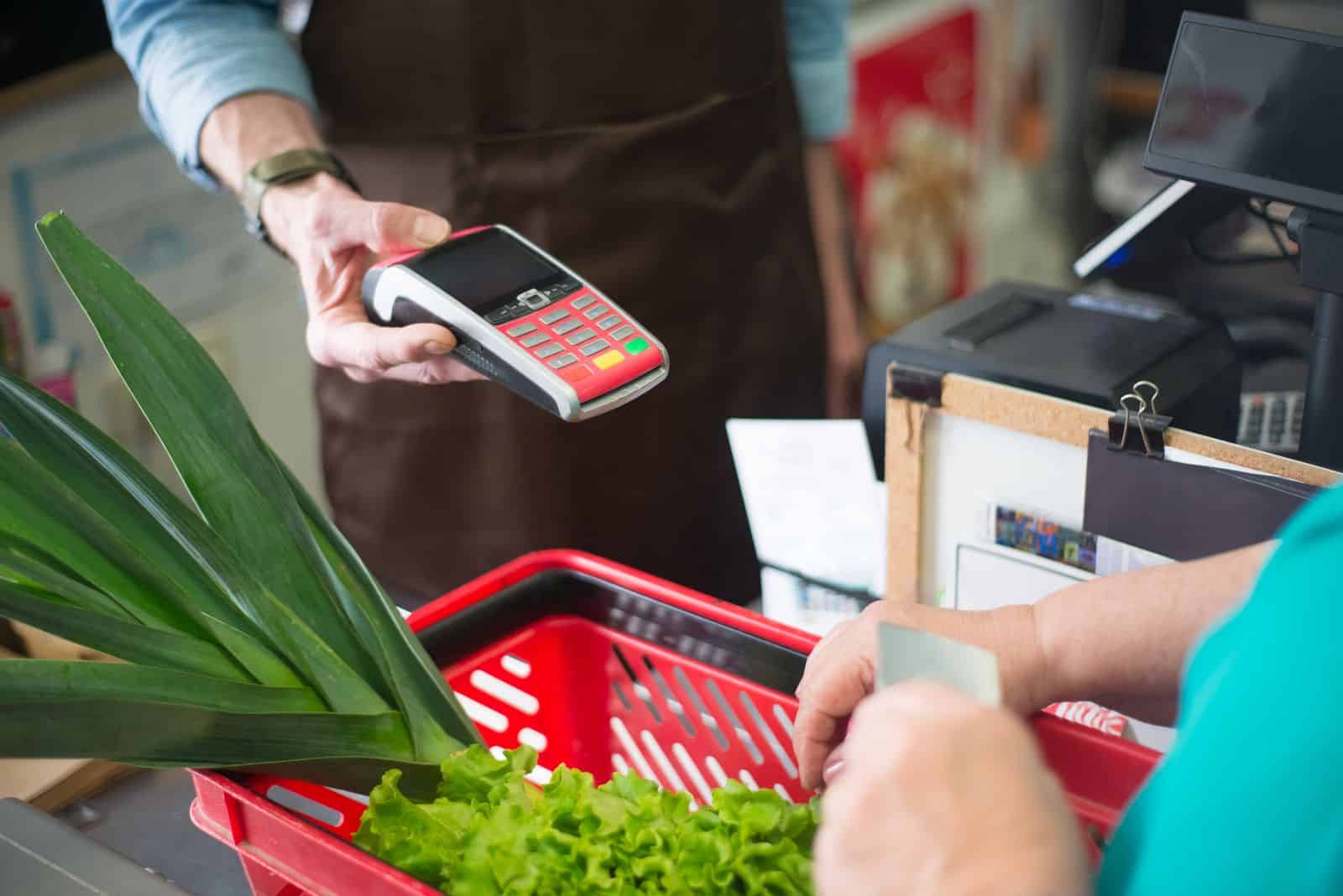
1. They think about the person behind them
Placing a divider is a small act aimed entirely at someone else. It helps the next shopper start unloading without worrying that their items will get mixed in. That kind of thoughtfulness lines up with agreeableness, one of the Big Five personality traits. Psychology Today describes highly agreeable people as more trusting, affectionate and altruistic, with real concern for the welfare of others. Divider users are not necessarily saints, but the habit suggests a mind that naturally considers the people nearby rather than only racing through the line. For a lighter look at manners across generations, FrenzHub has a list of boomer habits that are making a comeback.
2. They like things neat and organized
A clear line between one order and the next appeals to people who value order. The divider separates groceries cleanly and keeps a cashier from ringing up the wrong items. In personality research, that preference is tied to conscientiousness. A psychology textbook chapter by Edward Diener and Richard E. Lucas describes conscientious people as careful, organized, diligent and rule-abiding. Shoppers who reach for the divider are often the same people who bag cold items together and keep their receipts tidy. Anyone curious about how manners have shifted can browse a FrenzHub look at old-school etiquette rules that have disappeared.
3. They respect personal boundaries
The divider is a tiny border on a moving belt. MEL Magazine pointed out that it marks personal space and gives shoppers a sense of control over what belongs to whom. People who use it consistently tend to understand that strangers appreciate a little distance. They are less likely to crowd the person ahead, lean over someone’s cart or start loading items into another shopper’s space. For anxious shoppers in particular, the article noted, the divider can act as a small buffer against unwanted interaction. Using it is a quiet way to say that everyone’s space matters at the register.
4. They make the cashier’s job easier
Cashiers generally like dividers because the bars show exactly where one order ends and another begins, according to MEL Magazine. Shoppers who place them are often the same people who show other small courtesies at the register. NBC News shared tips for treating store staff well, including using cashiers’ names, making eye contact and expressing thanks. Divider users tend to see the cashier as a person doing a demanding job, and they look for simple ways to keep the line moving smoothly for everyone, including the staff.
5. They notice what is happening around them
Reaching for the divider at the right moment takes awareness. It means noticing that someone has stepped up behind, that the belt is filling up, or that the bar is just out of the other shopper’s reach. People with this kind of situational awareness tend to be good at reading a room, whether that is a crowded store, an office meeting or a family dinner. They pick up on small cues that others miss, which often makes them considerate coworkers and easygoing companions in public spaces where everyone is sharing the same limited room.
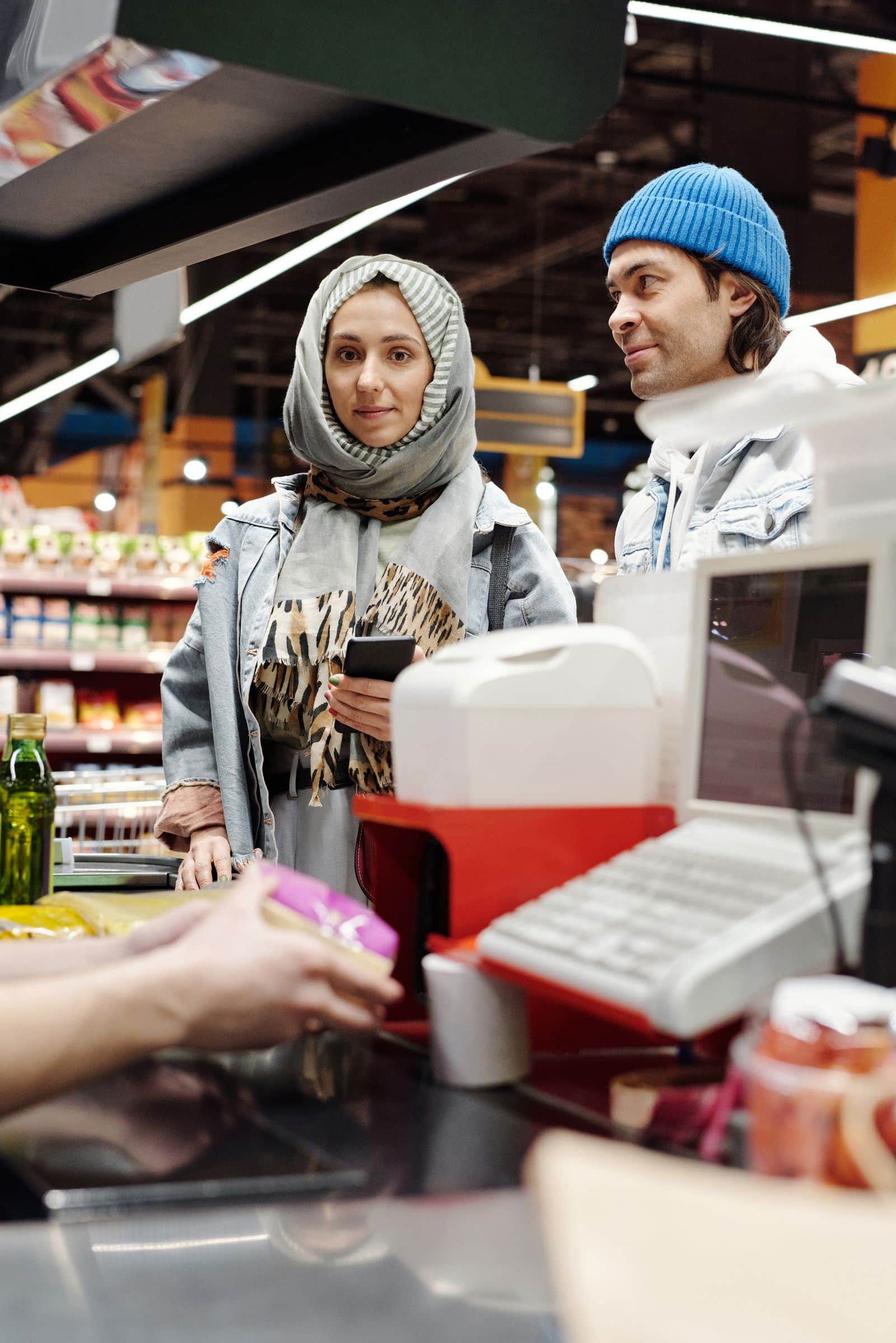
6. They prefer to avoid awkward moments
Because no one agrees on whose job it is, the divider can create clumsy moments of reaching, hesitating or bumping hands. MEL Magazine described how the lack of a clear standard leads to that kind of awkwardness. A 2022 iHeartRadio post about a viral TikTok debate showed how strongly people feel about it, with one commenter arguing it is the first shopper’s responsibility. Habitual divider users sidestep the whole question by simply placing it. They would rather solve a small problem quickly than let tension build over something so minor.
7. They stay calm in stressful settings
Grocery stores can bring out the worst in people. NBC News reported that crowded aisles, endless choices and rising prices can leave shoppers frazzled, and licensed clinical social worker Katie Krimer suggested pausing, taking a deep breath and shopping at quieter times to keep stress down. People who take a moment to place the divider are often the ones who manage that pressure well. Instead of rushing, sighing loudly or glaring at the person ahead, they handle the checkout with patience. That steadiness tends to show up in other parts of life too, such as traffic jams or long waits.
8. They follow unwritten social rules
Some cultures take the divider very seriously. MEL Magazine noted that norms are more formal in places like the Netherlands, Denmark, Germany and Canada, and that the Dutch word for the divider even appears on the country’s national integration test. In the U.S., the rule is looser, which makes the shoppers who stick to it stand out. These are people who tend to respect small social contracts, like returning carts, holding doors and waiting their turn. They follow the rules not because anyone is checking, but because it helps everyone get along.
A small bar with a big message
A checkout divider costs nothing to use and takes about two seconds, yet it says a lot about how a person moves through shared spaces. People who reach for it are often thoughtful, organized and tuned in to others. For more on how everyday kindness shows up in relationships, see a related piece on why the kindest people often have the smallest circles.
Shoppers who want to sharpen their grocery store instincts can also check out 12 red flags to watch out for when grocery shopping.
This article was written with the help of AI tools and checked against the sources linked above.




