

Phones can hold a grocery list, set a reminder, and even sort items by aisle. Plenty of shoppers still reach for a pen and the back of an envelope anyway. That small choice tends to look old-fashioned from the outside, but research on handwriting, memory, and shopping behavior suggests the paper list carries some real advantages, and the people who keep using one often have a recognizable set of habits.
The handwritten list sits alongside other analog routines that never fully went away, the kind of habits covered in this roundup of boomer habits that are making a comeback. It also overlaps with the careful, plan-ahead mindset behind clever frugal living tips for a tiny budget.
None of the traits below are guaranteed, of course. A grocery list is a tool, not a personality test. Still, the studies point to 7 traits that show up often among people who keep their lists on paper.
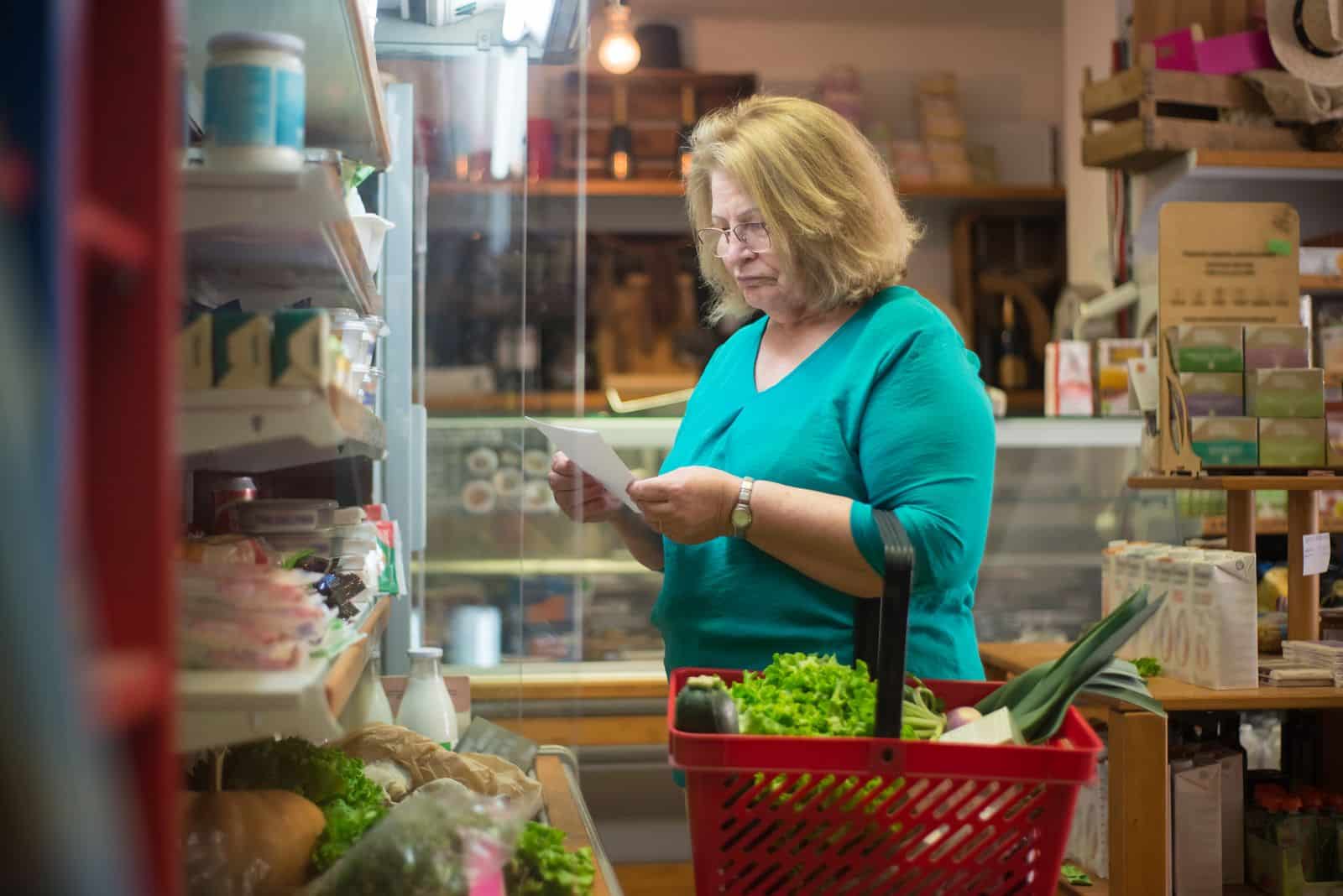
1. They Commit to a Plan Once It Is Written Down
A 2019 study from Drexel University tested exactly this habit. Marketing researchers Yanliu Huang and Zhen Yang followed the shopping habits of 255 participants and compared paper lists with lists made on smart devices. According to Drexel’s summary of the research, the extra mental effort of writing by hand was linked to a stronger commitment to following the list. Shoppers using digital lists tended to treat them as tentative and open to change.
In practice, the numbers were striking. Paper-list shoppers bought 85 to 91 percent of the items on their lists, while digital-list shoppers bought 67 to 76 percent, even though their lists started out shorter. People who write by hand, in other words, tend to treat the list as a promise rather than a suggestion. For anyone who wants to stretch a grocery budget further, that habit pairs well with ideas like these easy tips for saving money fast.
2. They Think Things Through Before Leaving the House
The same Drexel research found that paper lists actually contained more products than digital ones. The researchers attributed that to the extra thought handwriting requires. Writing each item out slows the process down just enough to prompt a second look in the fridge, a check of the pantry, or a quick mental run through the week’s meals.
That kind of forethought is a quiet trait. People who handwrite lists often seem to enjoy the planning stage itself, sitting down for a few minutes to map out what the household actually needs instead of improvising in the aisles.
3. They Tend to Remember What They Wrote
A familiar joke says the list gets left on the kitchen counter, yet the shopper still remembers most of it. There may be something to that. Researchers at the Norwegian University of Science and Technology, Audrey van der Meer and Ruud van der Weel, used electrode caps to record the brain activity of college students as they either typed words or wrote them with a digital pen. As Science News Explores reported, handwriting increased connectivity between brain regions involved in movement and sensing and central regions, some of which play a role in memory. Typing did not.
That study did not test whether the students later remembered the words. But a broader body of work leans the same way. Cornell University’s Evidence Based Living blog describes a 2022 review of 33 studies in which students who took handwritten notes scored significantly higher on quizzes than those who typed. It also describes a 2021 study from Japan in which people who recorded calendar events on paper recalled the details 25 percent faster than smartphone users.
4. They Resist the Pull of Impulse Buys
Unplanned purchases are not as common as store lore suggests. Research described by Knowledge at Wharton looked at 2,945 shoppers in 21 supermarkets and estimated unplanned buying at closer to 20 percent of purchases, far below the 60 to 70 percent figure that circulated for years. The researchers found that shopper traits mattered more than store displays.
A handwritten list fits right into that picture. Because paper-list shoppers in the Drexel study stuck so closely to what they had written, they left less room for the candy bar at the register or the bonus snack in the cart. The list becomes a kind of guardrail, and the person holding it usually knows it.

5. They Like to Shop Without Distractions
Huang offered one possible reason digital lists performed worse: once a phone is out in the store, checking email or social media is only a tap away. She noted that smartphone use unrelated to shopping has been linked to unplanned purchases. A slip of paper has no notifications.
People who prefer paper often value that focus. They walk the aisles with a clear task, cross items off as they go, and spend less time glancing at a screen. Naomi Susan Baron of American University, as National Geographic reported, surveyed 205 young adults in the U.S. and Europe, and many said they felt more focused and concentrated when writing by hand than when typing.
6. They Value Efficiency Over Browsing
The Wharton-described research found that shoppers who considered themselves “fast and efficient” made 82 percent fewer unplanned purchases. Trips made for immediate needs or forgotten items also had fewer unplanned category purchases than other visits.
A written list is a natural partner for that style of shopping. It turns a wander through the store into a short route: produce, dairy, bakery, done. People who handwrite lists often like getting in and out, and they tend to measure a good trip by how little time and money it took.
7. They Keep a Skill Some Schools Have Dropped
Handwriting is no longer a given. National Geographic noted that many Norwegian schools moved away from teaching cursive in favor of tablets, and that cursive was left out of the U.S. Common Core Standards, though several states have since brought it back. Van der Meer has argued that young people should at least be able to write something like a grocery list or a love letter by hand.
Adults who still jot lists with a pen are keeping that skill in regular use. For many, the habit is less about nostalgia and more about practicality: paper never needs charging, never freezes, and is easy to tape to the fridge for the next person heading out.
A Small Habit With Real Payoffs
A pen-and-paper list can look like a relic, yet the research suggests it encourages planning, focus, and follow-through. Shoppers who want structure for specific dietary needs can find ready-made options among these downloadable low FODMAP supermarket and grocery shopping lists. And for anyone curious about the other side of the equation, this look at 12 subtle grocery store tricks customers rarely catch explains what a good list is often up against.
This article was written with the help of AI tools and checked against the sources linked above.




