

Thanksgiving is a day of open doors, and for pets that can mean an unexpected chance to bolt outside. Dogs and cats can slip out as guests arrive on Nov. 26, which is why ID tags and microchips matter, according to the American Veterinary Medical Association.
The AVMA’s Thanksgiving pet safety guidance says the riskiest moments are when people are entering or leaving a home, since a host juggling coats and casseroles may not notice a pet making a run for it. A pet that gets outdoors can become lost quickly, the association warns, and current identification is the best safety net. Hosts tidying up before company can find help in this guide to vacuums that tackle pet hair before guests arrive, and cat owners can browse this holiday gift guide for cat people, which includes cat trees that double as a quiet perch. A packed house is also one of the American holiday traditions that can look chaotic to a cat.
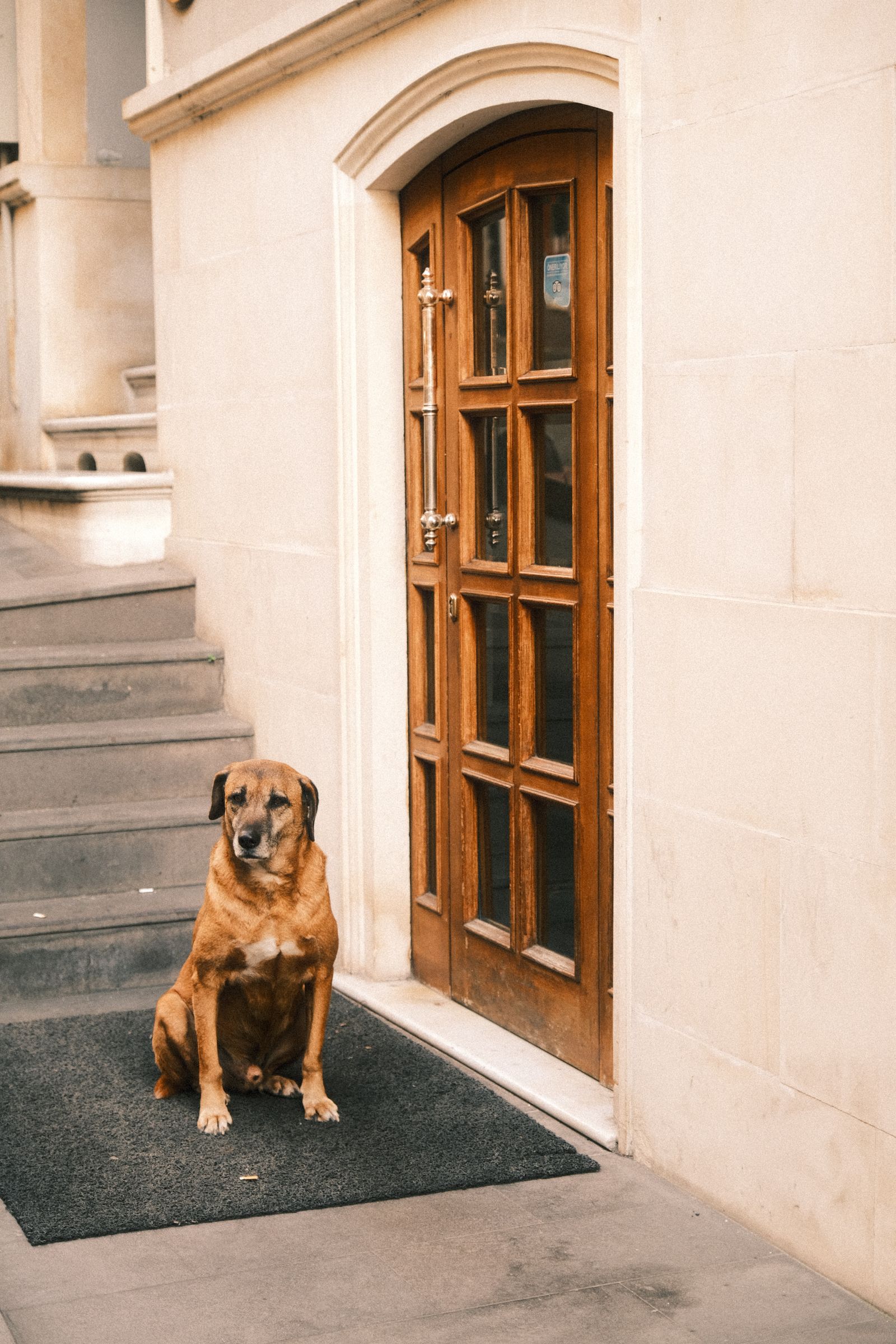
Give Nervous Pets Their Own Space
The simplest way to prevent a doorway dash is to keep an anxious pet away from the door in the first place. The AVMA advises putting a nervous dog or cat in another room or in a crate with a favorite toy while guests come and go. A closed bedroom with a bed, water and familiar items can do the same job for a pet that dislikes a crate, and a cat may prefer a high perch in that quiet room.
The setup helps with the rest of the day, too. The American Animal Hospital Association suggests baby gates and confining pets to a bedroom or crate while the meal is being prepared, which keeps paws out of the kitchen when hot pans are moving around. A calm spot set up before the first guest rings the bell tends to work better than scrambling for one afterward.
Watch the Door When Guests Arrive or Leave
The AVMA’s wording is direct: watch pets closely, especially when people are entering or leaving. Arrivals and departures are when a door stays open longest, and a crowd of friendly relatives can mean nobody is watching at ankle level. The ASPCA’s cold weather safety tips note that more dogs are lost during winter than any other season, a reminder that cold weather and unfamiliar surroundings make a missing pet a bigger problem.
One practical habit is to assign a single person to answer the door, with the pet already tucked away. Another is to ask arriving guests, especially children, to step in quickly and close the door behind them. AAHA makes a related point about children, recommending that guests know which foods are dangerous for pets and be asked not to share their plates, even when a dog begs.
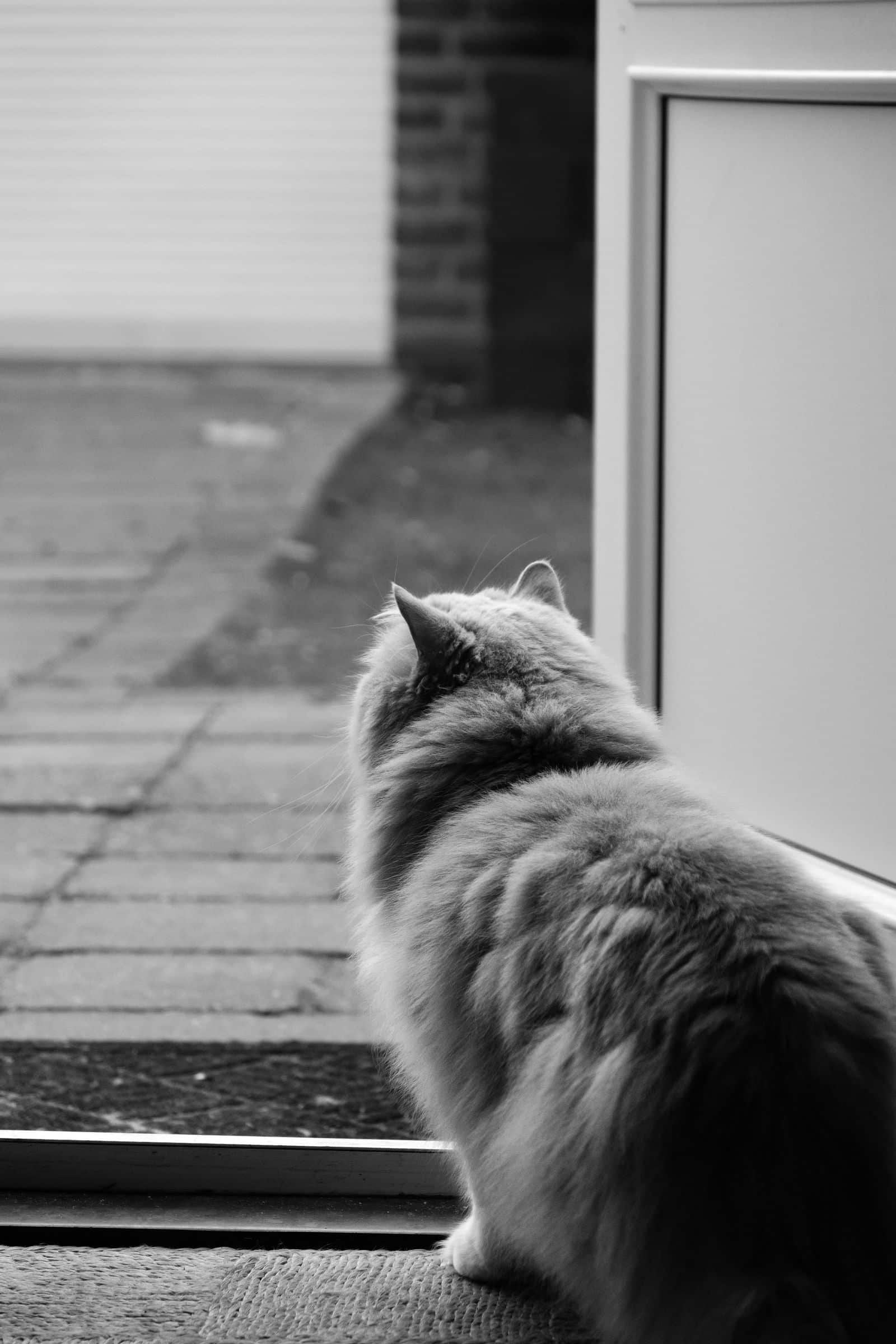
ID Tags Carry Current Contact Information
If a pet does get out, an ID tag is the fastest way for a neighbor or a stranger to make a phone call. The AVMA says pets should wear proper identification with current contact information, which means the tag needs a phone number that still works. A quick check before the holiday is easy: look at the tag, confirm the number is legible and make sure the collar fits snugly.
A collar can slip off, though, and a tag can wear down or get lost. That is where the second layer of protection comes in.
Microchips Only Work With Up-to-Date Registration
The AVMA calls a microchip with current registered information the best protection, noting that pets with one are far more likely to be returned to their owners. The key phrase is up to date: a microchip is only as useful as the contact details linked to it. An owner who has moved or changed phone numbers since the chip was implanted should update the registration before guests arrive.
Pets that are not yet microchipped are a conversation for the veterinarian, according to the AVMA, which describes the procedure as simple. A tag and a chip matter just as much on a holiday road trip as on a day at home.
A Short Checklist Before Nov. 26
Put together, the AVMA’s advice comes down to four steps: watch the doorway, keep nervous pets in another room or a crate with a favorite toy, make sure the tag shows current contact details and keep microchip registration current. The AVMA adds that if houseguests consistently upset a pet, the veterinarian is the right person to ask about solutions.
None of it takes long, and all of it can be done before the first guest arrives. The best Thanksgiving story is the one where the dog is asleep under the table by dessert.
For the human side of the holiday, these holiday main dishes that aren’t turkey can change up the menu, and the day after brings ideas for what to do with Thanksgiving leftovers.
This article was written with the help of AI tools and checked against the sources linked above.




