

A single category of ultra-processed foods now accounts for over half of U.S. calorie intake, revealing a pattern that researchers tie to a 45% increase in precancerous colon conditions.
A bag of potato chips may seem like a trivial pleasure, but its impact is bigger. In 2025, Harvard found that women eating the most ultra-processed foods, about 10 servings daily, had a 45% greater risk of developing conventional adenomas, a type of colon polyp most closely linked to early-onset colorectal cancer, compared to those eating three servings.
Meanwhile, the CDC reports that U.S. adults get 53% of their calories from ultra-processed foods, with “savory snacks” among the top sources. This doesn’t mean one snack is dangerous on its own. It means that making ultra-processed chips a habit, especially in large portions, can quietly increase long-term colon cancer risk.
It’s hard to eat just one
And one thing needs to be clear before we get into the list: the risk does not come from a seasoning word like “barbecue” or “cheddar” by itself. The real problem is the package those flavors usually live in: ultra-processed, high-heat-fried, salt-heavy chips that are easy to finish past the point of hunger.
The FDA says potato chips are among the largest dietary sources of acrylamide, a chemical that forms when starchy foods are fried, roasted, or baked at high temperatures. So this article is really about the chip style, the browning, the processing, and the oversized portions that turn a snack into a pattern. The flavor is just the costume.
Extra-crispy kettle-cooked chips
Kettle-cooked chips sell crunch like it is a personality trait. They are thicker, darker, louder, and built to feel more “real” than standard chips, which is exactly why people trust them too much.
But that deeper crunch often comes from longer, hotter cooking, and that matters because acrylamide forms when potato sugars and the amino acid asparagine react at high heat. A 2023 review found potato chips contained 211 to 3,515 micrograms of acrylamide per kilogram, an eye-opening range for a food many people eat straight from the bag.
The FDA also says potato chips and French fries are among the largest sources of acrylamide in the typical diet. So the rustic look does not make these chips gentler. If anything, the extra crunch can be a signal that the potato spent more time in the danger zone, where the compound researchers keep an eye on.
Smoky barbecue chips
Smokehouse chips do something clever: they borrow the romance of the grill without the grill. One bite and the label promises campfire, char, bacon, brisket, or that deep backyard flavor people link with indulgence.
But the body is not tasting nostalgia. It involves a fried potato base and intense flavor coatings on a food that already belongs to the ultra-processed world. This is where a little perspective helps. The World Health Organization’s cancer arm said processed meat was “carcinogenic to humans,” and estimated that every 50 grams of processed meat eaten daily raises colorectal cancer risk by about 18%.
Smoke-flavored chips are not the same thing as bacon, and they do not carry the same nitrite or heme-iron profile. Still, they sit inside the same meat-heavy, char-loving snack culture, and they layer that flavor appeal onto a high-heat chip base the FDA already flags for acrylamide exposure.
Flamin’ hot and extra-spicy chips
The hottest chips in the aisle are rarely mild in any other way. They are usually neon-colored, heavily dusted, intensely salty, and engineered to hit the tongue hard enough that eating one can make eating ten feel automatic. That is the part people miss.
The issue is less the chili powder and more the way these products fit the ultra-processed template: refined starch, industrial oils, flavor enhancers, added colors, and a reward loop that nudges the hand back into the bag. The 2025 JAMA Oncology study followed 29,105 women younger than 50 who had undergone lower endoscopy and found that the highest quintile of ultra-processed food intake was linked to a 45% higher odds of early-onset conventional adenomas.
Harvard quoted gastroenterologist Dr. Andrew Chan, who said, “the association with ultra-processed foods still held up,” even after accounting for other risk factors. Hot chips do not bear that risk alone, but they fit the very eating pattern the study warns about.
Sour cream & onion baked potato flavors
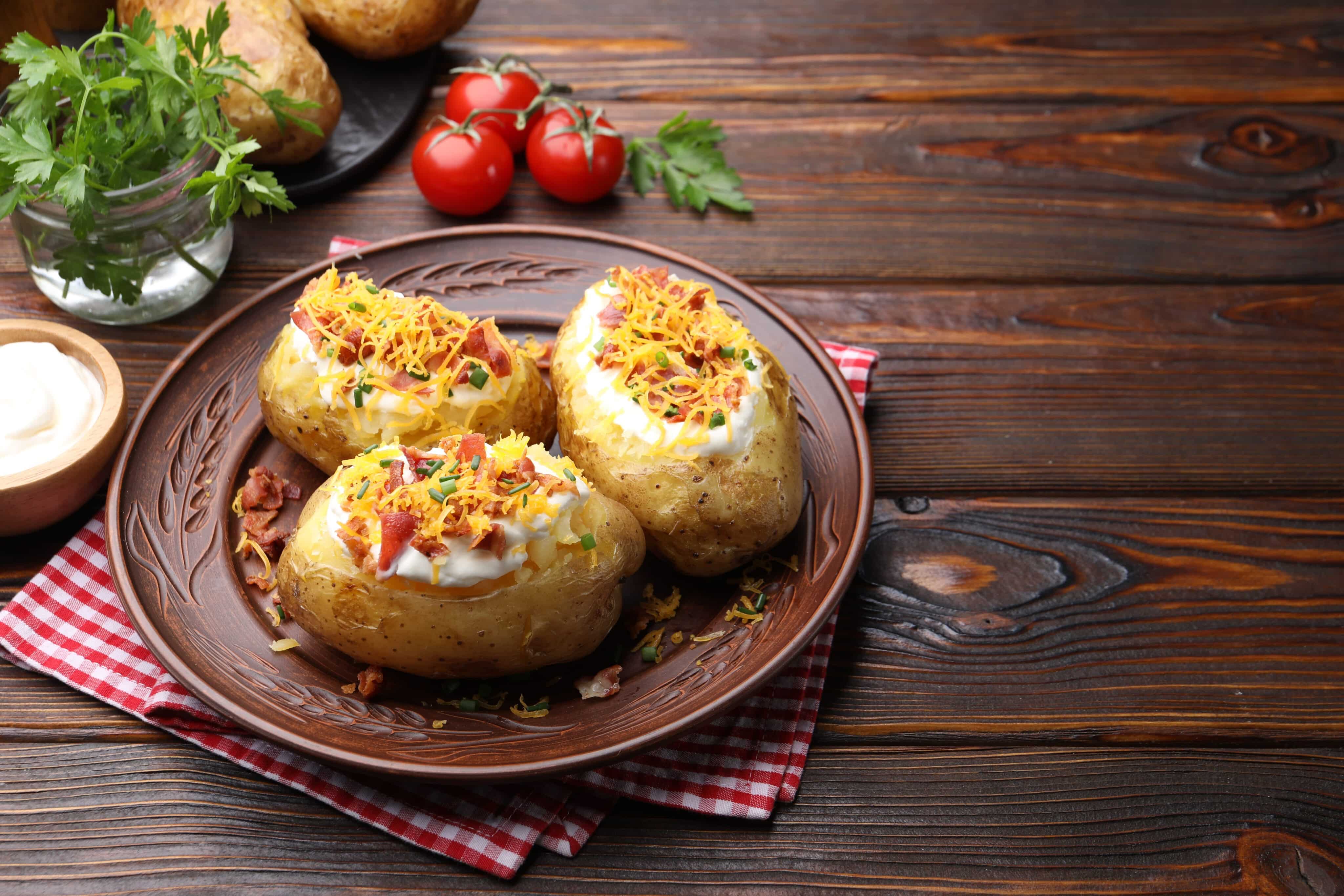
These flavors feel cozy, familiar, and almost homemade, which is part of their trick. “Sour cream & onion” sounds like something that might come from an actual kitchen, but on most chip labels, it means dairy powders, onion powders, acids, salt, fats, and flavor systems layered over a fried potato slice.
“Loaded baked potato” usually takes that same idea and turns up the richness with more salt, cheese notes, and buttery flavor. The concern is not sour cream itself. The concern is a creamy, savory, fried product that is easy to graze on far beyond one serving while still counting as an ultra-processed snack.
The CDC says adults get 53.0% of their daily calories from ultra-processed foods, and savory snacks are among the top contributors. Once a chip tastes like a whole restaurant appetizer, stopping at a few pieces becomes much harder, and that repeated overeating is one of the main roads linking these foods to colon cancer risk over time.
Cheese-loaded chips
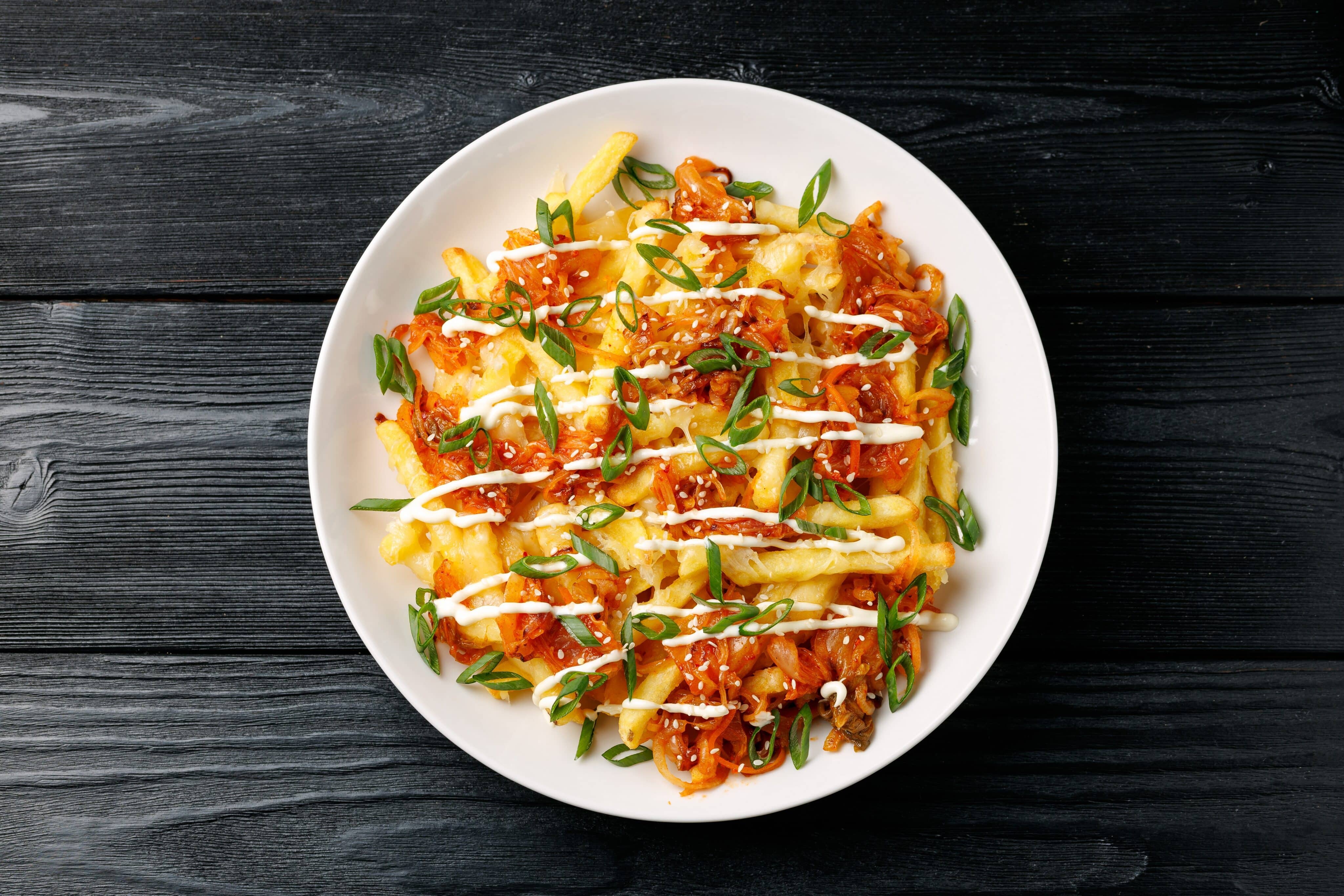
Cheese-loaded chips are built for excess. They stack salt on salt, fat on fat, and starch on top of both, then sell the whole thing as fun. A bag like that often turns into an energy-dense snack with very little fiber, modest fullness, and a lot of momentum.
That matters because the CDC says excess body weight is linked to 13 types of cancer, including colon and rectal cancer, and those obesity-related cancers make up about 40% of cancers diagnosed each year in the United States. The problem with triple-cheese chips is not that they contain cheese flavor. It is that they make it easy to keep eating a fried, high-acrylamide base while the palate chases richness.
When that pattern becomes routine, the chip stops being a side character in the diet and starts acting like one of the quiet drivers of weight gain and metabolic strain that can push colorectal risk in the wrong direction.
Salt & vinegar chips
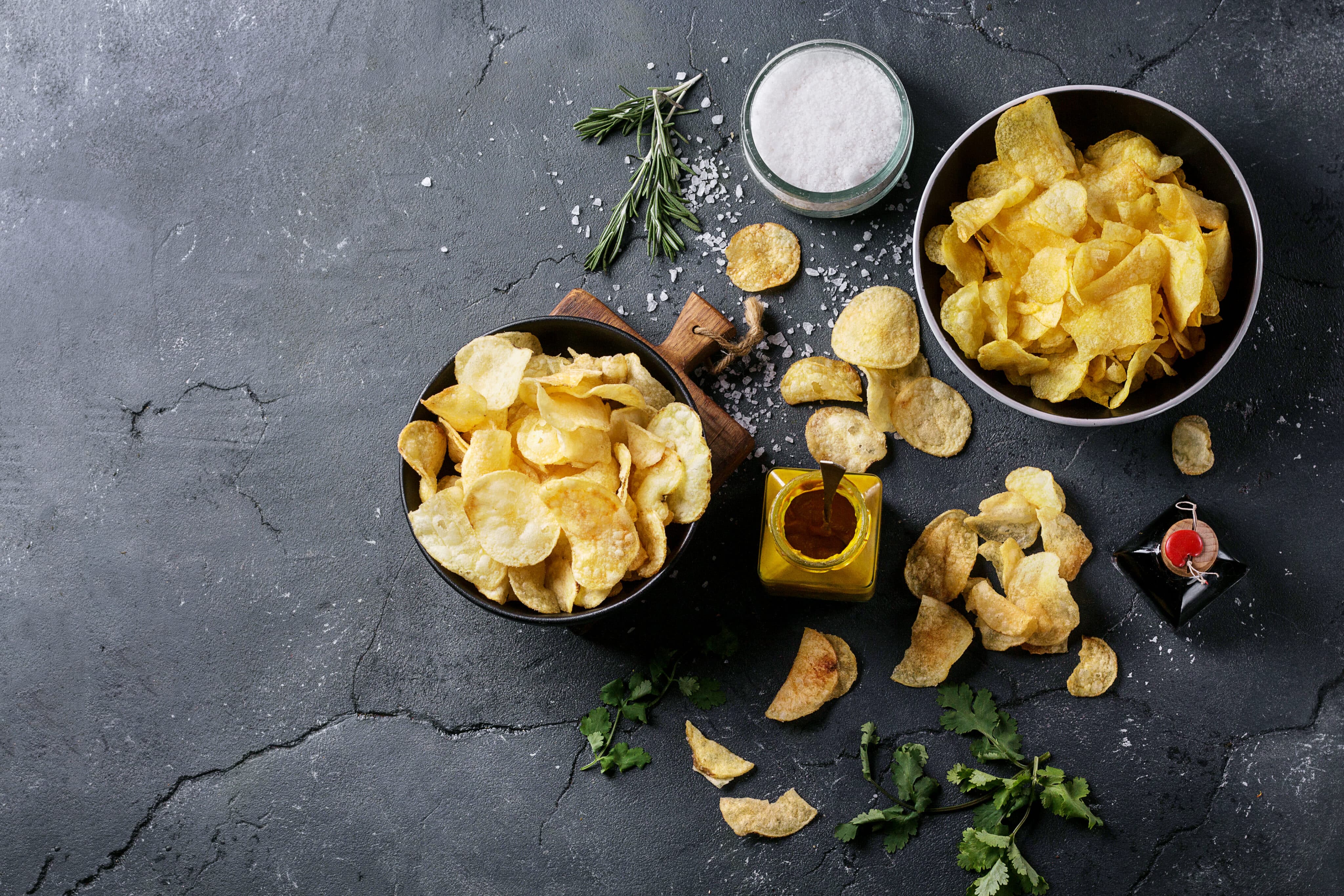
Salt & vinegar chips are the snack version of a dare. The sharp acid and heavy sodium make the mouth wake up fast, and that jolt can keep a person eating almost on reflex. The vinegar is not the villain here. It is the salty, fried, ultra-processed base underneath it.
FDA guidance on acrylamide points to potato chips as one of the largest dietary contributors, and CDC data show that ultra-processed foods remain a dominant calorie source in American diets across all adult age groups. A flavor this punchy can make portion control feel almost silly because the stimulation itself becomes part of the appeal. One chip tastes like the bag is still unfinished business.
That matters in a food environment where the risk grows through repetition, not drama. The danger is not that salt and vinegar have some secret carcinogen hidden in the acid. The danger is how easy it makes it to inhale a fried potato product far past a standard serving without ever feeling like you sat down for a real meal.
All-dressed style chips
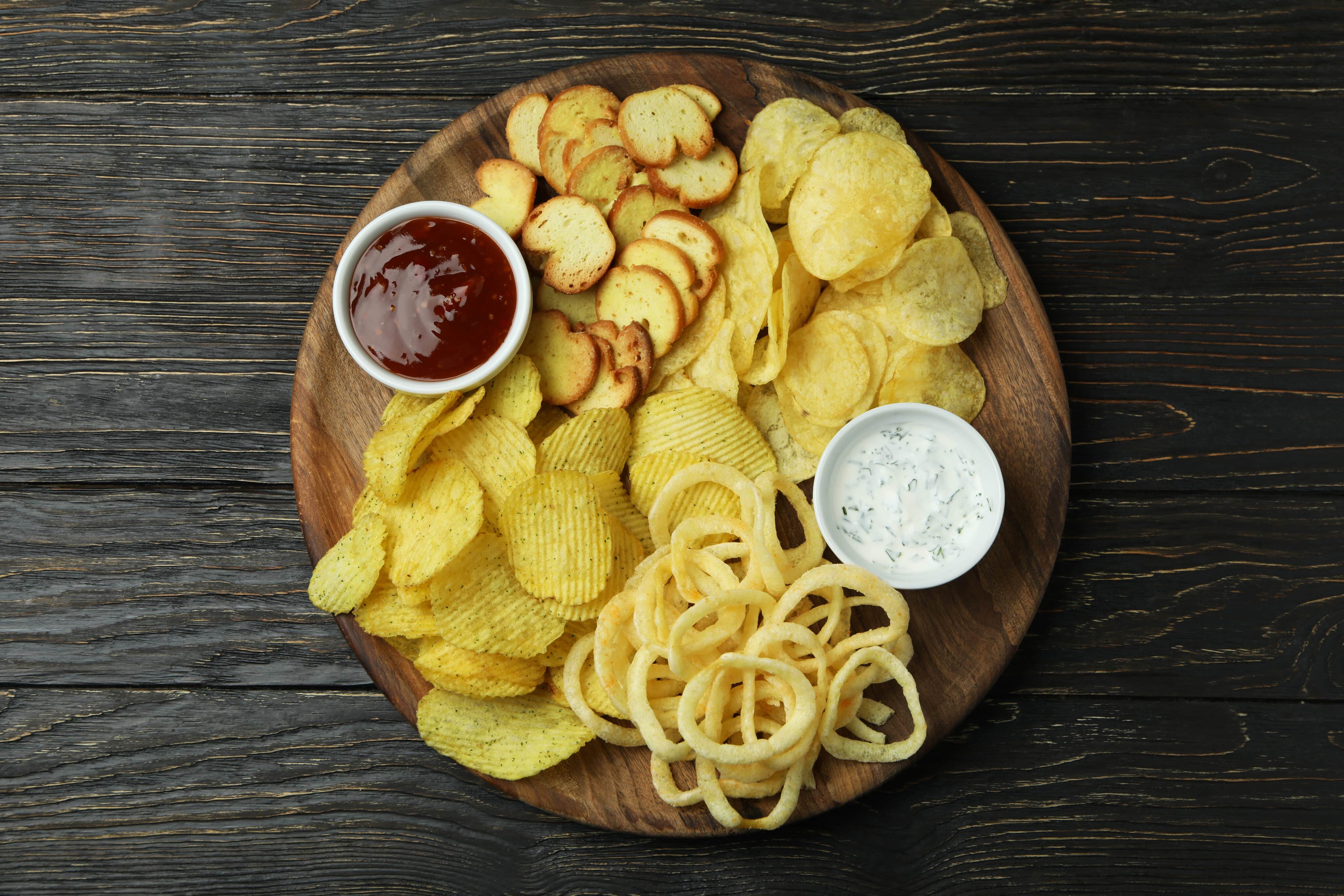
All-dressed chips are basically the food industry admitting that restraint is bad for business. They pile on barbecue, vinegar, onion, cheese, tomato, and sweet notes in one hit, and “everything” flavors do something similar by turning the bag into a seasoning bomb.
Save this article
The CDC’s 2025 data brief says ultra-processed foods tend to be hyperpalatable, energy-dense, low in fiber, and high in salt, sweeteners, and unhealthy fats. That sentence could have been written with these chips in mind. When several flavor profiles hit at once, fullness cues can get drowned out by novelty and sensory noise.
These are the chips people keep reaching for long after taste has replaced hunger as the reason to keep eating. They are not more dangerous because they have more seasonings on paper. They are more dangerous because they perfectly illustrate how modern snack design can override common sense and turn one casual serving into a near-automatic binge.
Breakfast-inspired chips like chicken & waffles
Breakfast-flavored chips are what happens when novelty becomes a sales strategy. They are playful, strange, funny, and almost impossible not to talk about. That is exactly why they work.
Industry data from 2025 suggests U.S. per-capita potato chip consumption reached about 8.5 kilograms per person in 2024, and global market forecasts still point to steady growth through the early 2030s.
These limited-edition flavors help turn chips from a side snack into a form of entertainment, and entertainment snacks tend to get eaten more often just because people want to try the next one. Maple bacon or chicken-and-waffles chips do not become risky because the label sounds outrageous.
They become risky because they normalize regular snacking on the same acrylamide-rich, ultra-processed base, dressed up in fresh costumes. A food that keeps reinventing itself never gives the consumer a chance to get bored, and boredom is sometimes one of the best defenses against overeating.
Meat-flavored chips like roast-chicken
Meat-flavored chips sell a kind of snack masculinity: grill marks without the grill, burger-night swagger without the burger, roast-chicken comfort without the carving knife.
They do not contain the same heme iron and curing chemicals that make processed meat a direct colorectal cancer concern, so they should not be treated as identical to deli meat or bacon.
Still, they mirror the taste profile of a Western eating pattern already loaded with red meat, processed meat, and heavily browned foods. That matters because the body does not experience one item at a time. It experiences a pattern.
A person who already eats plenty of burgers, bacon, or roast meat may be using these chip flavors to extend the same sensory world into snack time. When the fried potato base already carries acrylamide risk, adding meat-style cravings on top turns the bag into one more small vote for a diet pattern cancer researchers have been warning about for years.
Sweet chili, honey barbecue chips
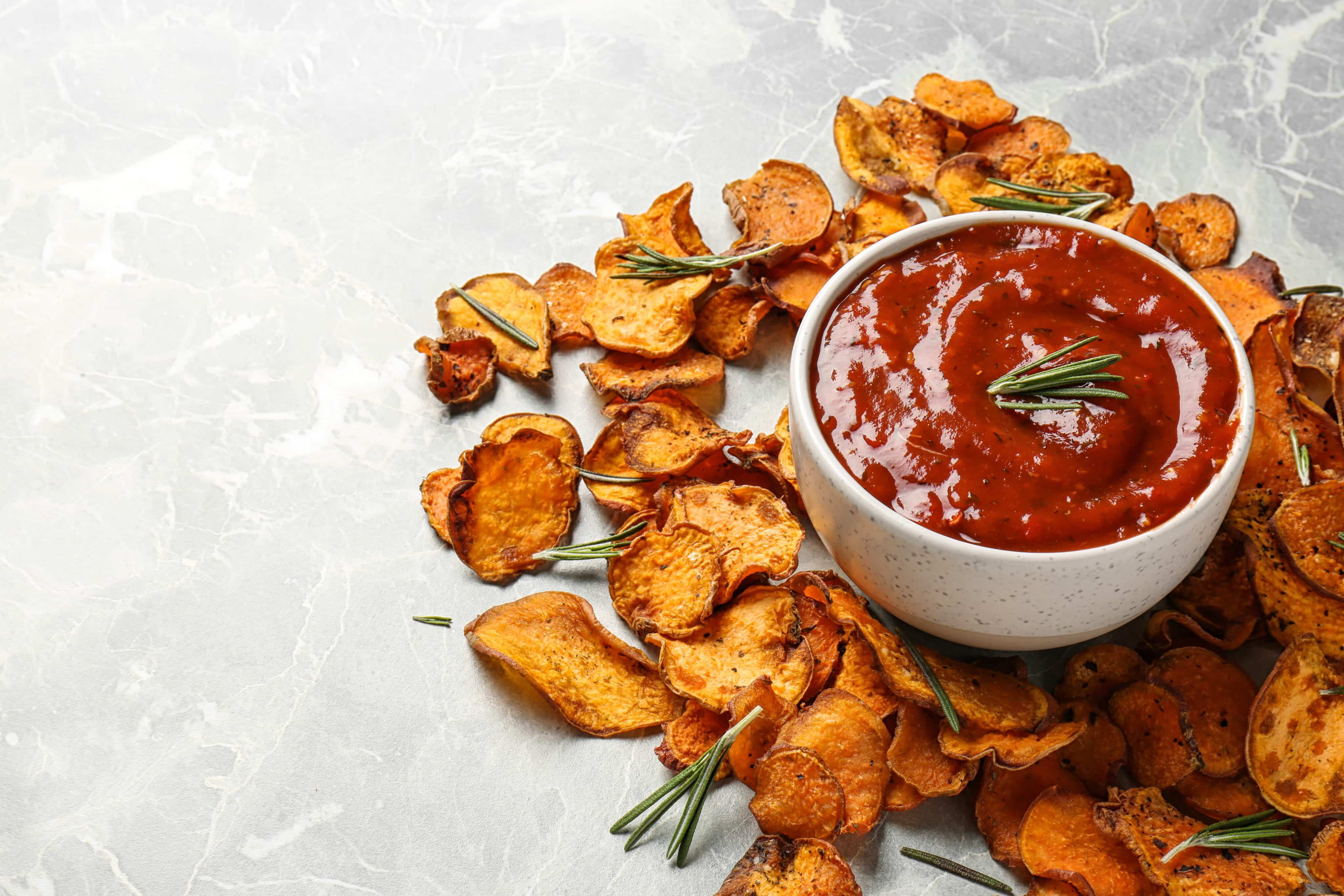
Sweet-and-salty chips are built like slot machines. A little sugar, a lot of salt, a fried crunch, and a glossy flavor finish can make the brain read them as reward food almost instantly. That matters because sugary ultra-processed snacks do not just bring empty calories. Over time, they can help drive insulin resistance, central obesity, and the kind of metabolic wear that opens the door to higher colorectal cancer risk.
The CDC says excess body weight raises the risk of colon and rectal cancer and 12 other cancers, and the JAMA Oncology study adds that very high intake of ultra-processed foods is linked to markedly higher odds of precancerous colon polyps in women under 50.
Sweet chili and honey barbecue chips are not sugary enough to taste like candy, which makes them more deceptive, not less. They let people feel like they are eating a savory snack while quietly adding the same sugar-fat-salt synergy that makes hyper-palatable foods so hard to leave alone.
Extra-dark well-done chips
The darker chip often gets treated like the more honest chip, the one that looks hand-cooked, less processed, more “real.” Yet browning is exactly where part of the acrylamide problem lives.
The FDA explains that acrylamide forms during frying, roasting, and baking, and NCI notes that darker, more heavily browned foods usually reflect the kind of cooking conditions that can raise levels. The 2023 review on acrylamide in chips makes the stakes even clearer, with potato chip levels stretching from 211 to 3,515 μg/kg.
Cancer FactFinder, a project tied to Harvard and Boston University, puts the everyday takeaway in simple language: “limiting foods high in acrylamide such as French fries and potato chips is a reasonable precaution.” So the chip with the deepest golden-brown edges is not automatically artisanal in a helpful way. Sometimes it is just a browner version of the same fried-starch chemistry that public-health agencies keep watching.
Baked veggie chips
This last category matters because it combines two of the easiest mistakes in the chip aisle: trusting the word “baked” and underestimating the bag’s size. Some baked chips and veggie-stick snacks look healthier, but the FDA still classifies potato chips and similar starch-based products as among the largest dietary sources of acrylamide.
Research has also shown that potato-based baked snacks can still lead to significant acrylamide exposure, and one analysis found that daily acrylamide intake from potato and corn chips in the tested sample ranged from 7 to 40 times above the WHO’s carcinogenic risk intake threshold. Then portion size finishes the job.
Harvard’s 2025 coverage of the JAMA Oncology study said that women at the top of the ultra-processed food intake scale, around 10 servings a day, had a 45% higher risk of conventional adenomas than women eating about 3 servings. A shared bag does not force anyone to eat it all. It just makes overeating easy enough to feel normal.
Key Takeaways
The strongest message here is simple: no single chip flavor carries a curse on its own. The bigger risk comes from frequent intake of ultra-processed, high-heat-fried chips and oversized portions that keep showing up across the week.
FDA says potato chips are among the largest dietary sources of acrylamide. The CDC says U.S. adults still get 53.0% of their calories from ultra-processed foods. Harvard’s 2025 report on JAMA Oncology found that women with the highest intake of these foods had a 45% higher risk of the colon polyps most closely tied to early-onset colorectal cancer. That is the pattern worth respecting.
That does not mean you need to fear a picnic or throw out every snack in your kitchen tonight. It means the smarter move is smaller bags, fewer heavily browned styles, less autopilot grazing, and more snacks that still look like ingredients when you pour them into a bowl. A chip can stay a pleasure. It just should not become background music in your diet. When the bag stops being a daily company, the risk story softens too.
Related articles:
- We love our sugary drinks! But these 5 habits may be linked to increased cancer risk
- Processed meats are convenient, but these 6 types are linked to higher colorectal cancer risk
- 13 everyday foods that could be raising your cancer risk
Disclosure: This article was developed with the assistance of AI and was subsequently reviewed, revised, and approved by our editorial team.
Like our content? Follow us on Newsbreak.
Canned beans seem healthy—but these 5 types may raise colorectal cancer risk
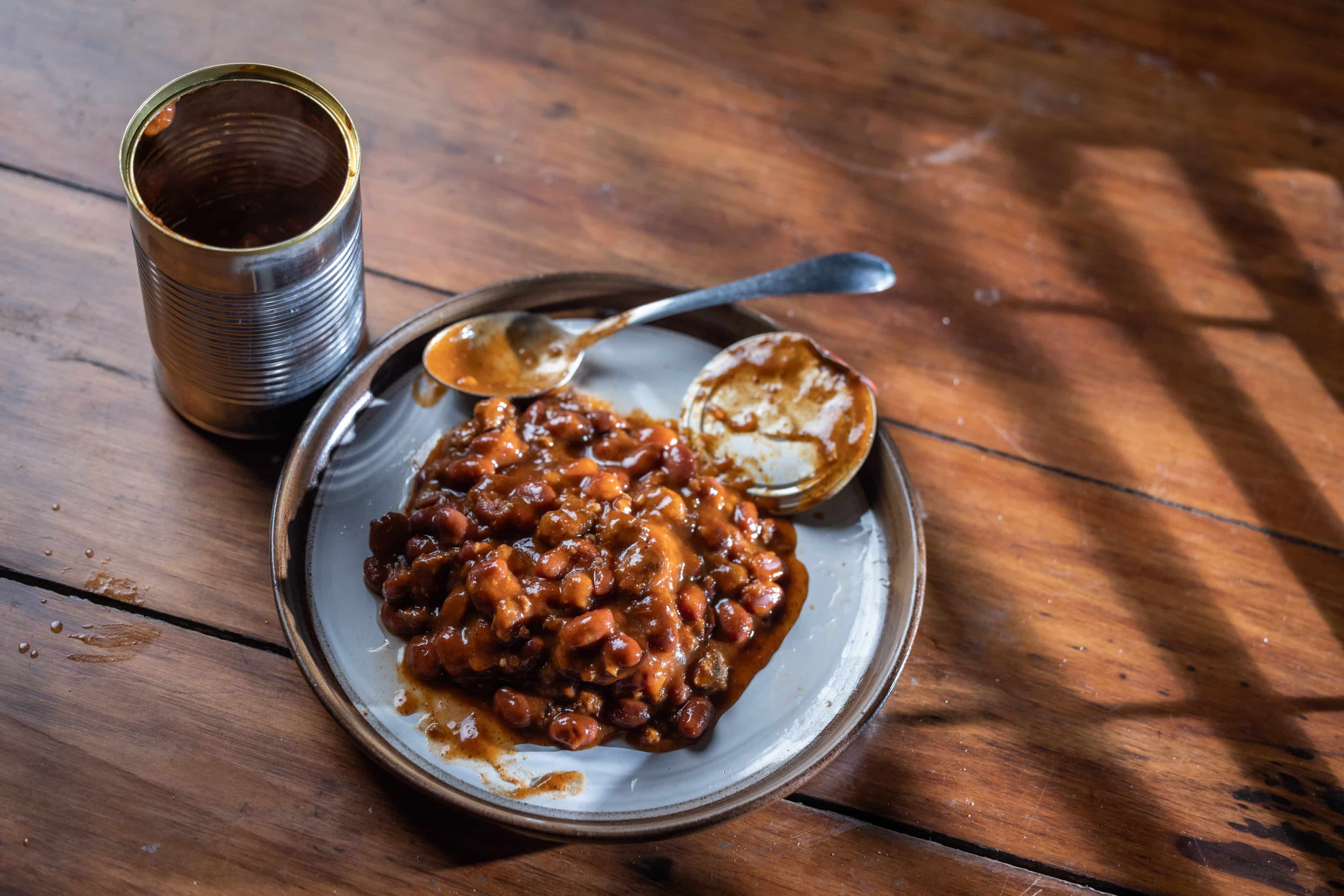
Colorectal cancer is now one of the most common cancers worldwide, with more than 1.9 million new cases and over 900,000 deaths reported in 2020. While many people focus on big health changes, like exercise or regular screenings, everyday food choices also play an important role over time.
In the U.S., much of what we eat comes from packaged or convenience foods, including items that are often seen as healthy. Canned beans are a good example. They can be nutritious and practical, but not all options are created equal. Learn more.





